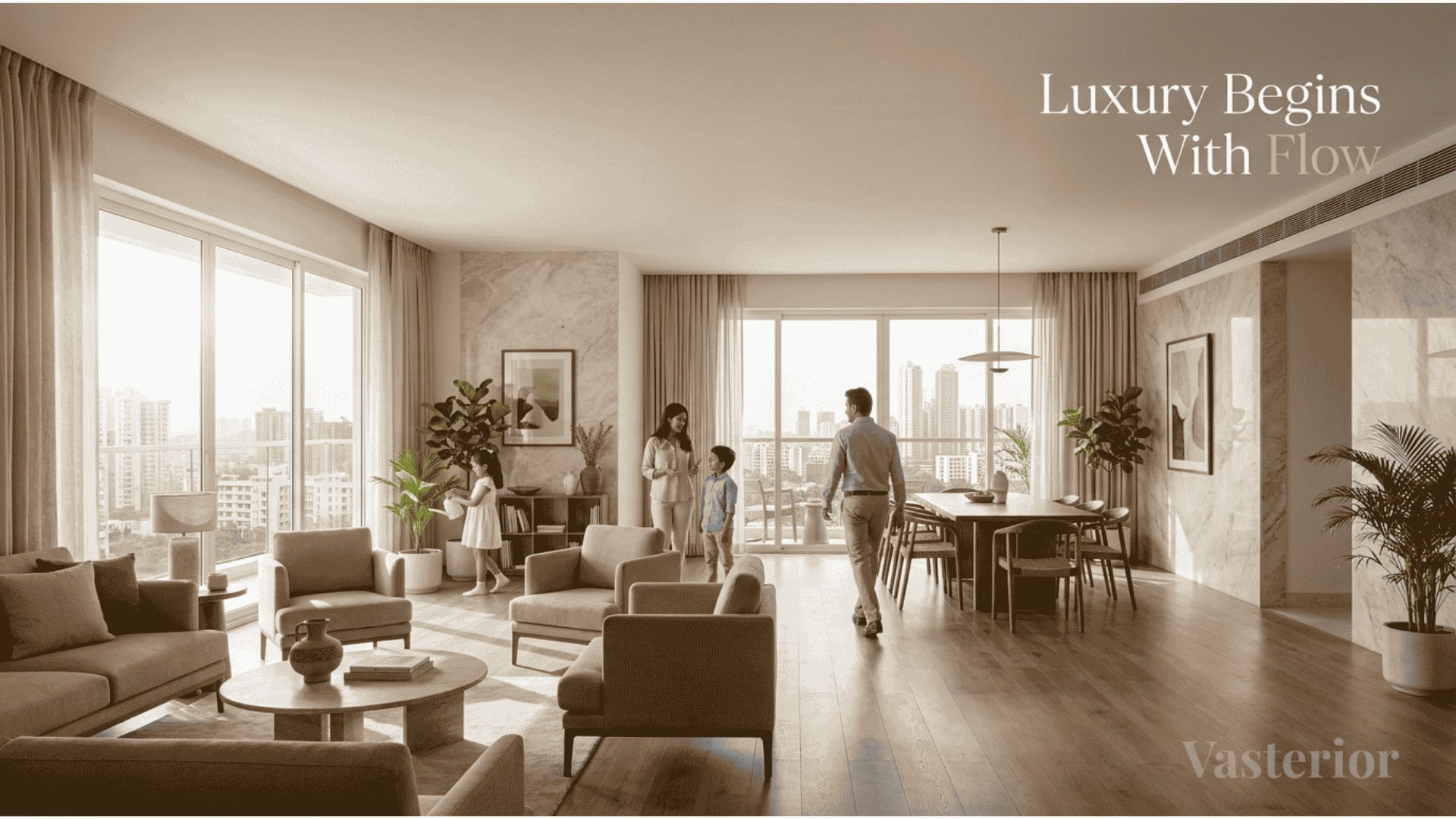
Most homeowners dream of imported marble floors, designer chandeliers, bespoke furniture, premium finishes, and luxury décor pieces. Social media has only amplified this aspiration. Every scroll presents another stunning home with extravagant interiors that seem straight out of a design magazine.
Yet, there is a surprising truth that many homeowners discover only after moving into their dream home.
A home can look breathtaking and still feel frustrating to live in.
The dining table may interrupt movement. The living room may feel cramped despite its size. Natural light may struggle to reach key areas. The kitchen may appear luxurious but function poorly during daily use.
The difference between a home that merely looks beautiful and one that genuinely enhances life often comes down to a single factor: layout planning.
In professional interior design, layout planning is the invisible framework behind every successful home. It determines how people move, interact, relax, work, and experience a space every day.
While expensive interiors can impress visitors for a few moments, intelligent layout planning influences your quality of life for years.
This is why experienced designers often prioritise layout planning before selecting a single material, colour palette, or furniture piece.
The Biggest Interior Design Myth Homeowners Still Believe
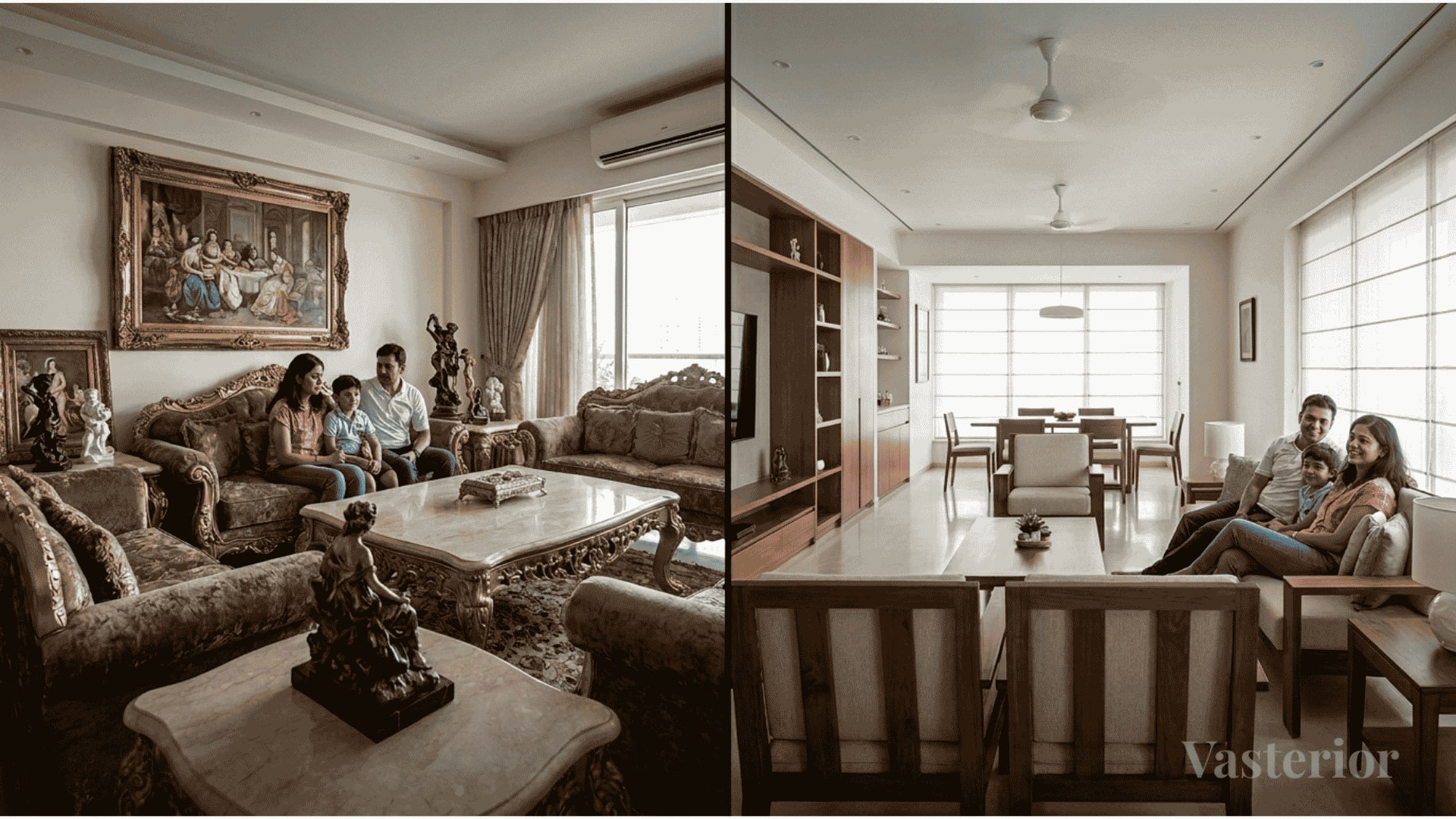
One of the most common misconceptions in residential interior design is that luxury is created through expensive products. Many homeowners allocate significant budgets towards imported finishes, designer lighting, premium furniture, and decorative elements while paying little attention to the underlying structure of how the home functions.
This approach often leads to disappointment.
Imagine purchasing an expensive sofa only to realise it obstructs circulation. Consider investing in a stunning modular kitchen that requires excessive movement during meal preparation. Think about a spacious bedroom that somehow never feels restful.
The issue is rarely the furniture itself.
The issue is usually the layout.
Luxury is not simply about what you buy. True luxury is about how effortlessly a space supports your lifestyle.
A well-planned home feels intuitive. Movement feels natural. Activities flow smoothly. Every square foot serves a purpose.
That experience cannot be purchased through expensive finishes alone.
What Exactly Is Layout Planning?
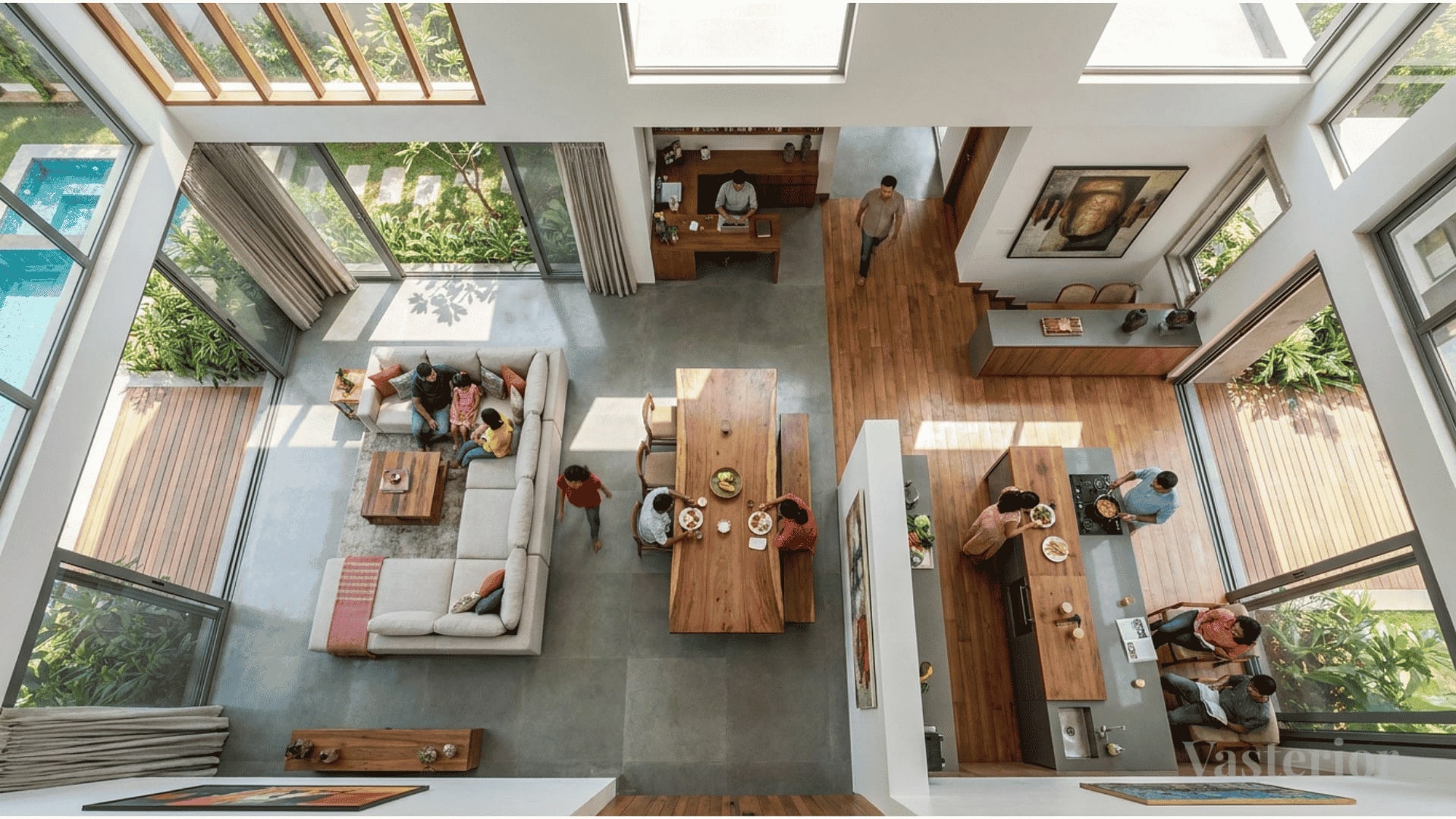
Layout planning is the strategic arrangement of spaces, furniture, functions, and movement pathways within a home. It is the foundation upon which all successful interior design is built.
Effective interior layout planning considers several critical factors:
Circulation
How people move throughout the home. Good circulation eliminates obstacles and creates natural movement patterns.
Spatial Zoning
Dividing a home into functional areas while maintaining harmony between them.
- Social zones
- Private zones
- Work zones
- Utility zones
- Relaxation zones
Furniture Positioning
Determining where furniture should be placed for optimal comfort, usability, and visual balance.
Natural Light Utilisation
Maximising daylight penetration to improve wellbeing and reduce dependence on artificial lighting.
Ventilation
Ensuring proper airflow throughout the home.
Energy Flow
Creating spaces that feel open, balanced, and welcoming.
Daily Lifestyle Patterns
Understanding how homeowners interact with their space throughout the day.
A successful layout is not created around furniture. It is created around people.
Why Expensive Interiors Cannot Fix a Poor Layout
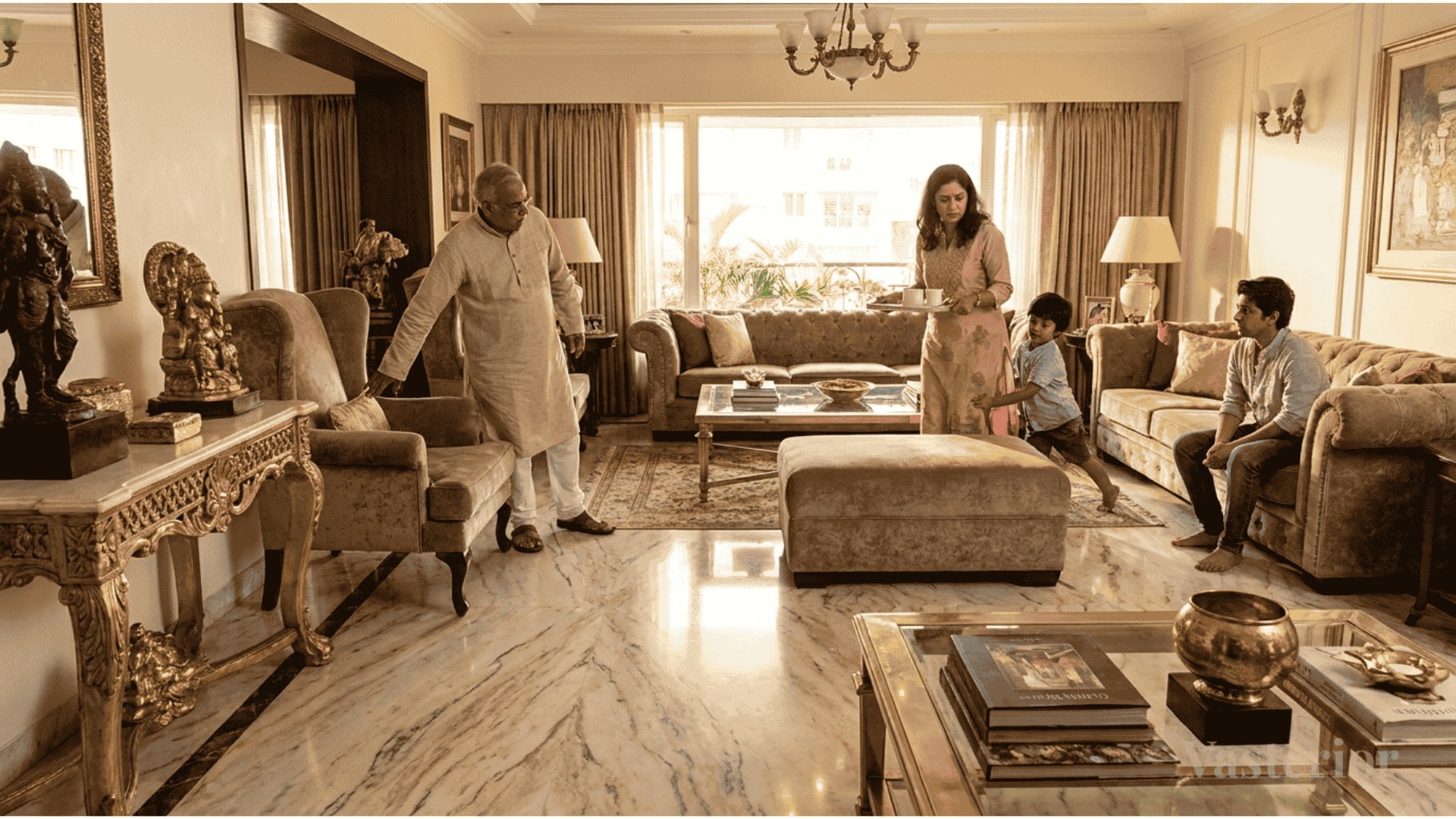
One of the most costly mistakes homeowners make is assuming aesthetics can compensate for poor planning. Unfortunately, they cannot.
A beautifully designed living room can still feel uncomfortable if seating arrangements discourage conversation.
An expensive dining area can feel disconnected if it is positioned too far from the kitchen.
A premium home office can struggle to support productivity if natural light causes glare throughout the day.
Even the finest materials cannot solve fundamental layout problems.
Professional designers often encounter homes where substantial budgets have been invested in aesthetics, yet residents remain dissatisfied.
The reason is simple.
Humans experience space functionally before they experience it visually.
You notice inconvenience before you appreciate luxury. You feel discomfort before you admire finishes. You experience frustration before you admire craftsmanship.
This is why layout planning versus expensive interiors is not really a competition. One creates functionality. The other enhances it.
Without functionality, luxury loses much of its value.
The Hidden Cost of Ignoring Layout Planning
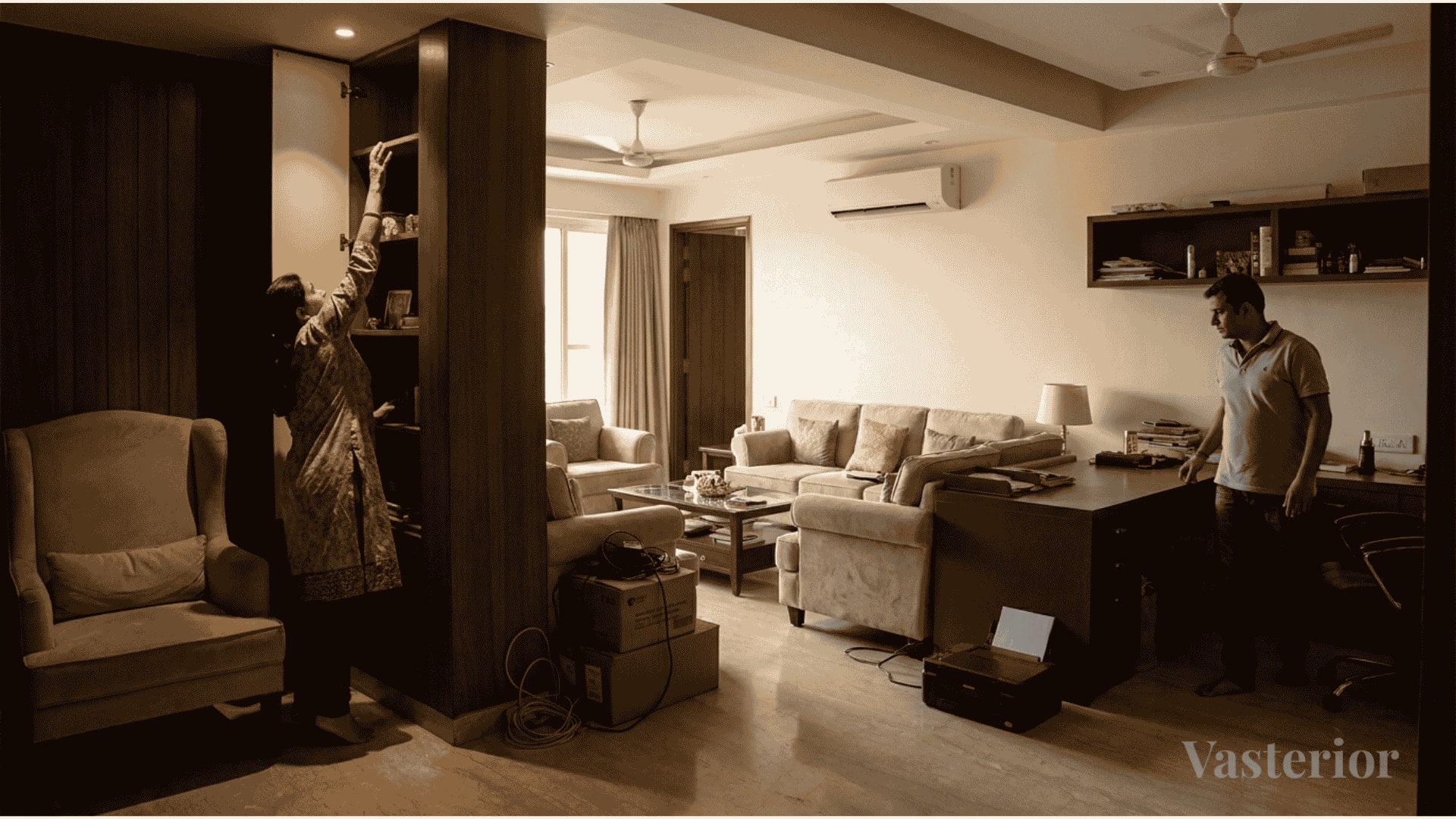
Poor space planning creates consequences that extend far beyond aesthetics.
Wasted Space
Many homes contain corners, rooms, or zones that remain underutilised because they were never planned effectively.
Expensive Renovations
Correcting layout mistakes after construction often requires substantial investment. Walls may need modification. Electrical points may require relocation. Furniture may need replacement.
Reduced Property Appeal
Prospective buyers and tenants often recognise poor layouts immediately, even if they cannot articulate the problem.
Daily Frustration
Small inconveniences accumulate over time. Blocked pathways. Insufficient storage. Poor room relationships. Awkward furniture arrangements. These challenges affect everyday life.
Lower Long-Term Satisfaction
Research consistently shows that functionality contributes significantly to residential satisfaction. People remain happier in homes that support their lifestyle efficiently.
How Great Layouts Influence Human Behaviour
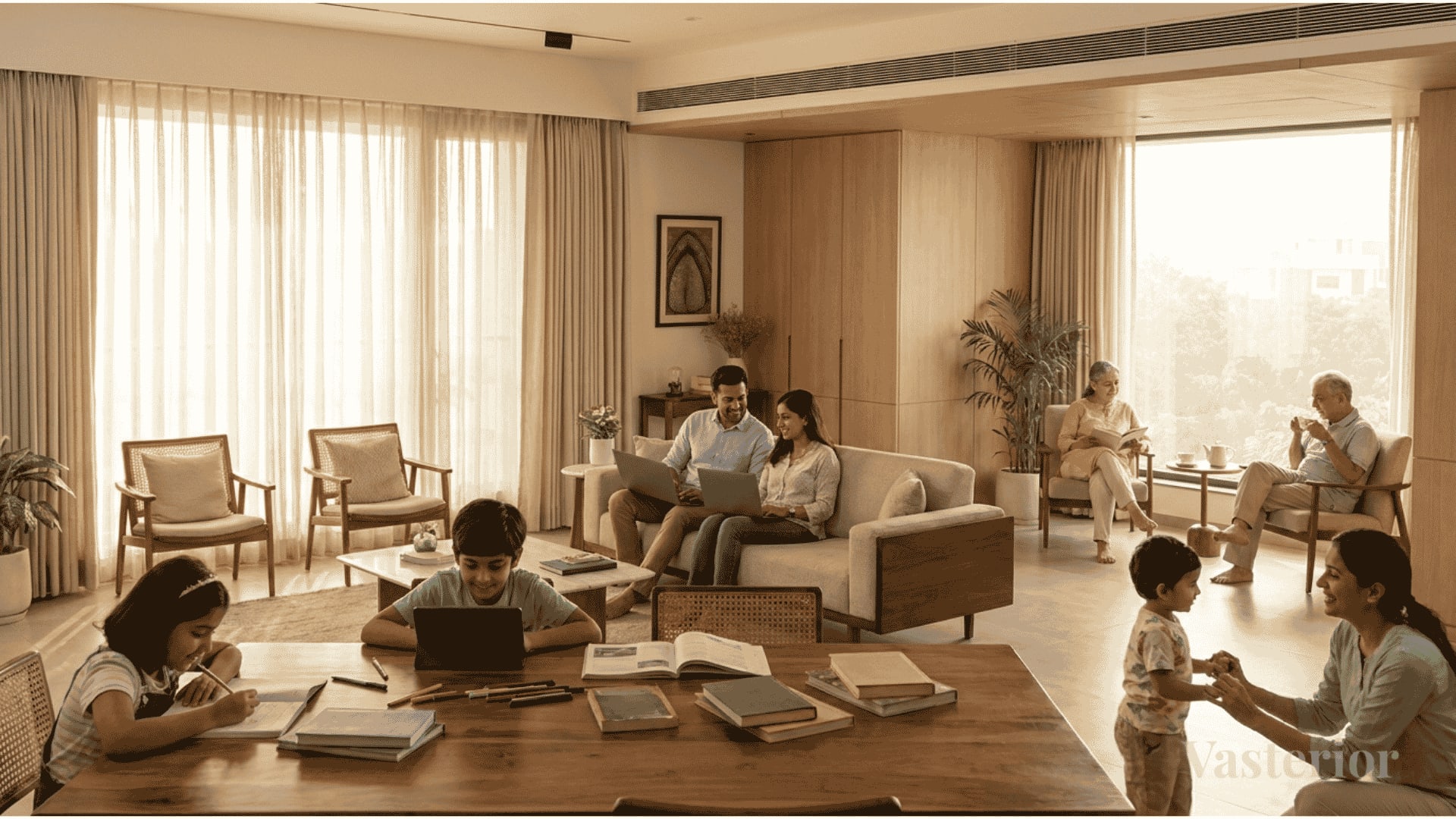
Interior design is not merely about aesthetics. It is about behaviour. Every environment influences how people think, feel, and interact.
A well-designed layout can positively affect:
- Mood — Bright, open, organised spaces tend to create feelings of calm and positivity
- Productivity — Strategically planned workspaces improve concentration and efficiency
- Relationships — Common areas that encourage interaction strengthen family connections
- Comfort — Comfort arises from usability, not just appearance
- Mental Clarity — Cluttered layouts often create mental overload; organised layouts reduce cognitive stress
- Stress Reduction — Homes designed around natural movement patterns require less effort to navigate
The best layouts support people without demanding attention.
Everything simply feels right.
The Vastu Perspective on Layout Planning
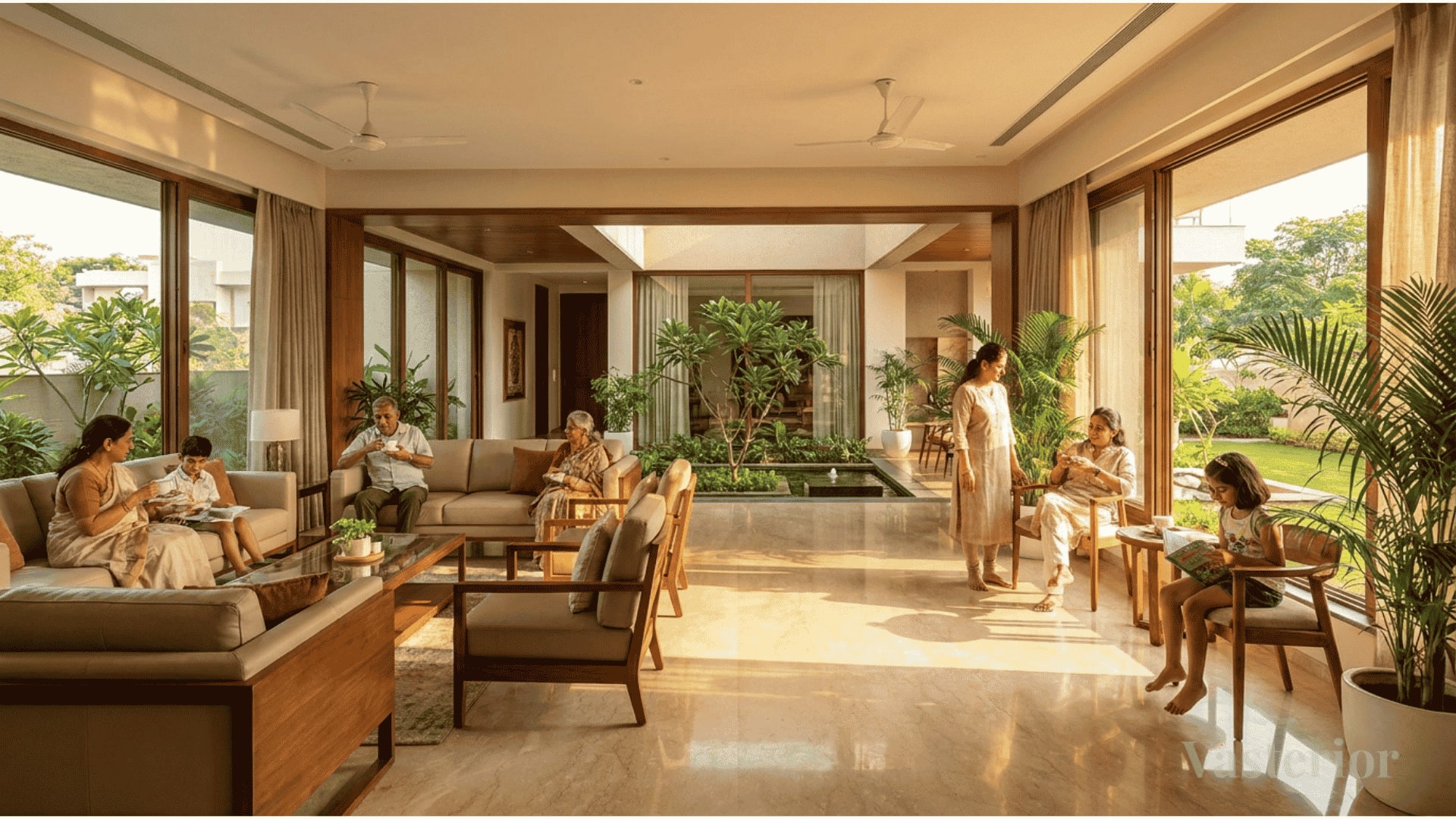
In Vastu Interior Design, layout planning has always been considered fundamental. Long before furniture selection and decorative styling enter the picture, Vastu focuses on the relationship between space, direction, purpose, and energy flow.
Contrary to common misconceptions, modern Vastu is not solely about remedies. It is about intelligent spatial organisation.
Vastu Layout Planning considers:
- Functional room placement
- Directional energy patterns
- Movement pathways
- Natural light distribution
- Environmental harmony
- Occupant wellbeing
For example, the positioning of bedrooms, kitchens, entrances, workspaces, and social areas can influence how energy circulates throughout a home.
When combined with contemporary interior design planning, Vastu principles can help create spaces that feel naturally balanced and supportive.
The objective is not superstition. The objective is harmony between architecture, functionality, and human experience.
Luxury Homes That Feel Effortless Always Start with Smart Planning
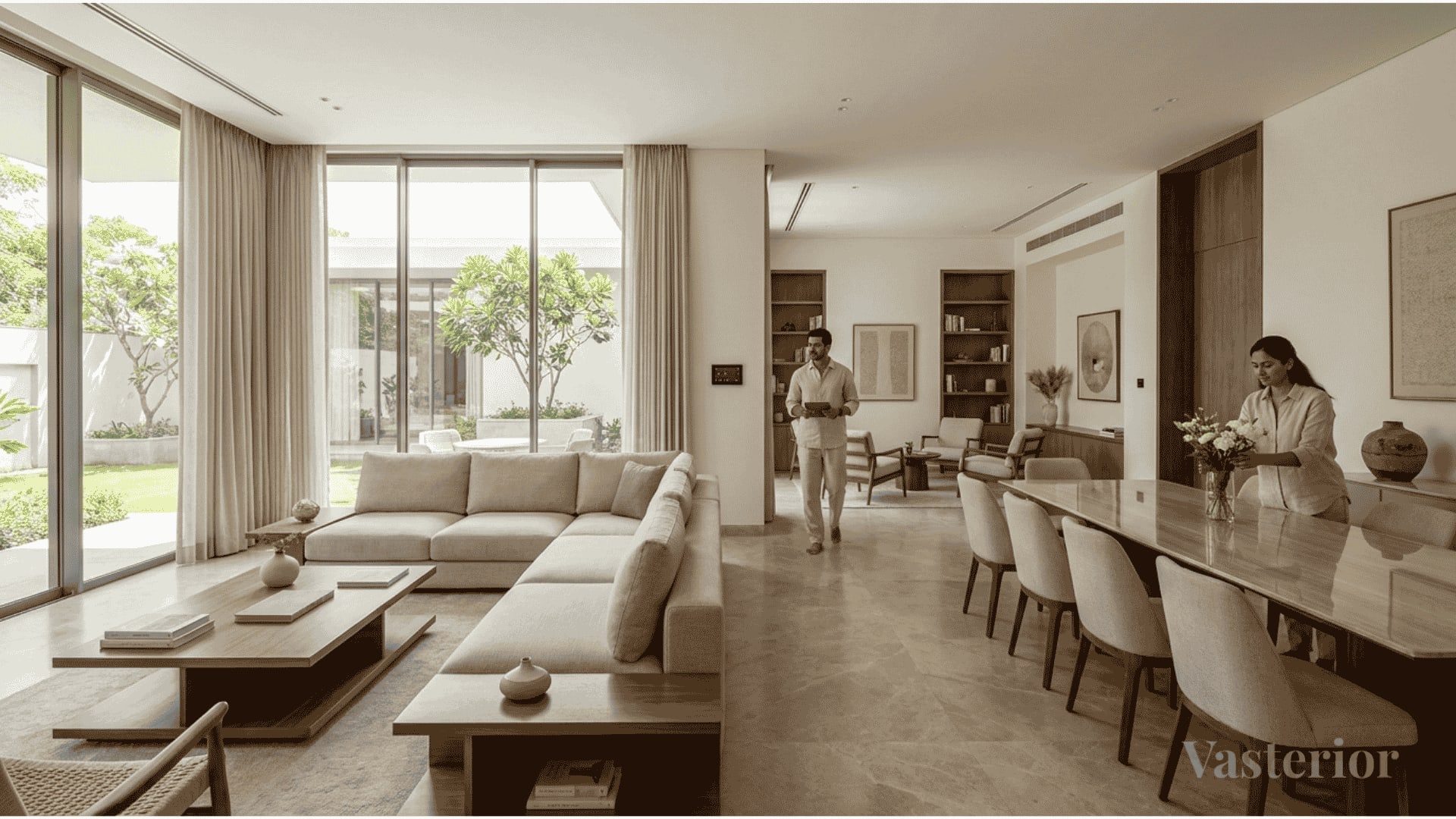
When people visit truly exceptional homes, they often struggle to identify exactly what makes them feel so comfortable. The answer usually lies beneath the surface.
Luxury homes that function beautifully share common characteristics:
- Clear circulation pathways
- Well-defined activity zones
- Abundant natural light
- Thoughtful storage integration
- Balanced room proportions
- Flexible functionality
- Efficient use of space
These homes feel effortless because they have been planned intentionally.
The residents are not constantly adapting to the space. The space adapts to them.
That is the essence of smart home design.
7 Signs Your Home Needs Better Layout Planning
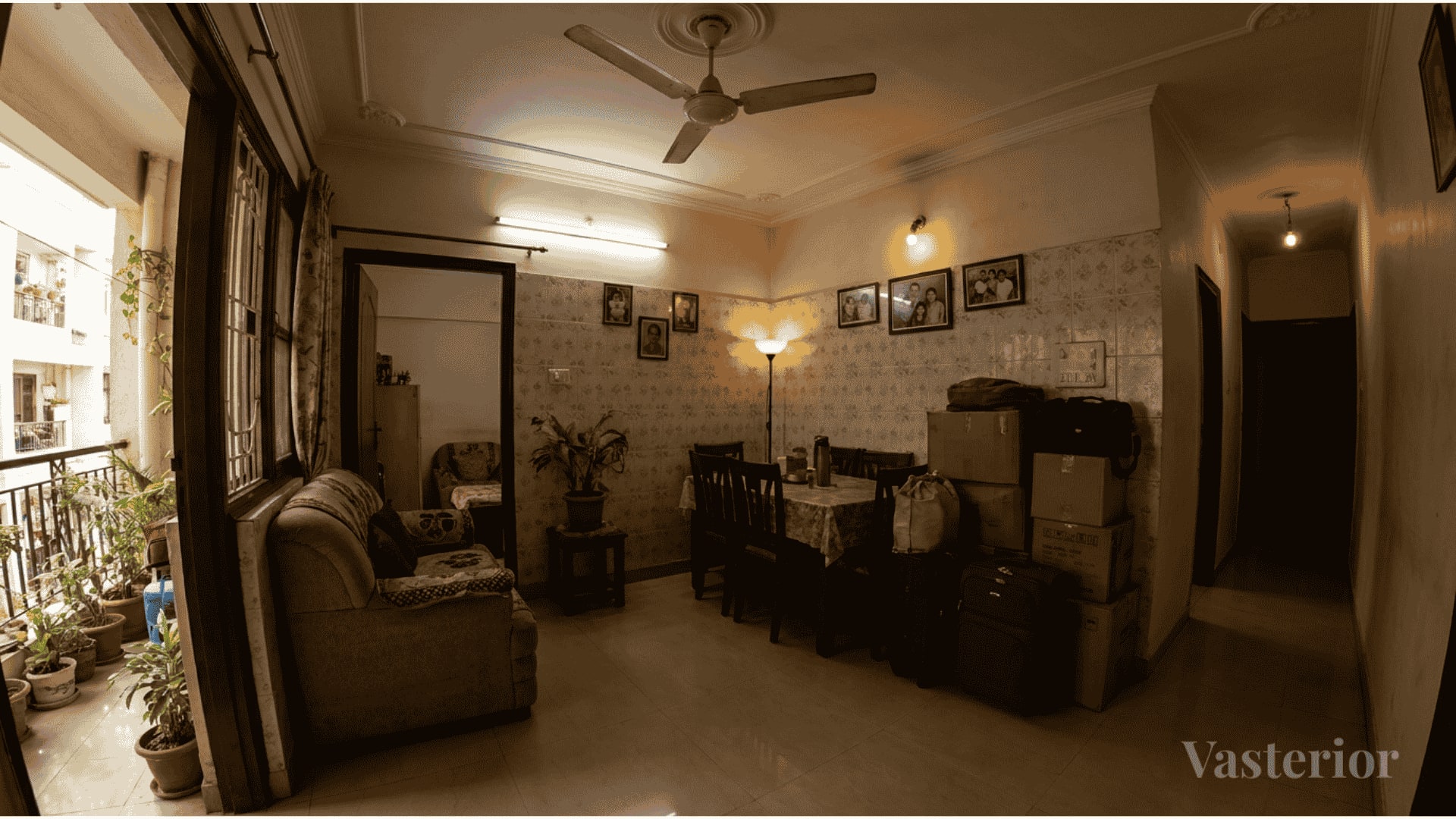
1. Rooms Feel Smaller Than They Should
Poor furniture positioning can make even large spaces feel cramped.
2. Furniture Blocks Movement
If people frequently walk around obstacles, circulation needs improvement.
3. Natural Light Feels Inadequate
Layout decisions may be preventing daylight from reaching important areas.
4. Certain Areas Are Rarely Used
Unused spaces often indicate planning inefficiencies.
5. Family Members Avoid Common Spaces
Discomfort frequently stems from poor spatial organisation.
6. Storage Always Feels Insufficient
The issue may not be quantity but placement.
7. The Home Feels Visually Cluttered
A cluttered appearance often originates from layout challenges rather than decorative choices.
Layout Planning Principles Professional Designers Use

Professional interior designers rely on several proven principles when creating functional interiors.
Spatial Hierarchy
Determining which areas deserve visual and functional prominence.
Visual Balance
Creating equilibrium throughout the space.
Functional Zoning
Ensuring each area supports its intended purpose.
Ergonomics
Designing around human comfort and movement.
Lighting Alignment
Integrating natural and artificial lighting strategically.
Future Adaptability
Planning for evolving lifestyle needs.
Vastu Integration
Aligning spatial functions with directional intelligence where appropriate.
These principles form the backbone of luxury home planning.
Why Layout Planning Is the First Step at Vasterior
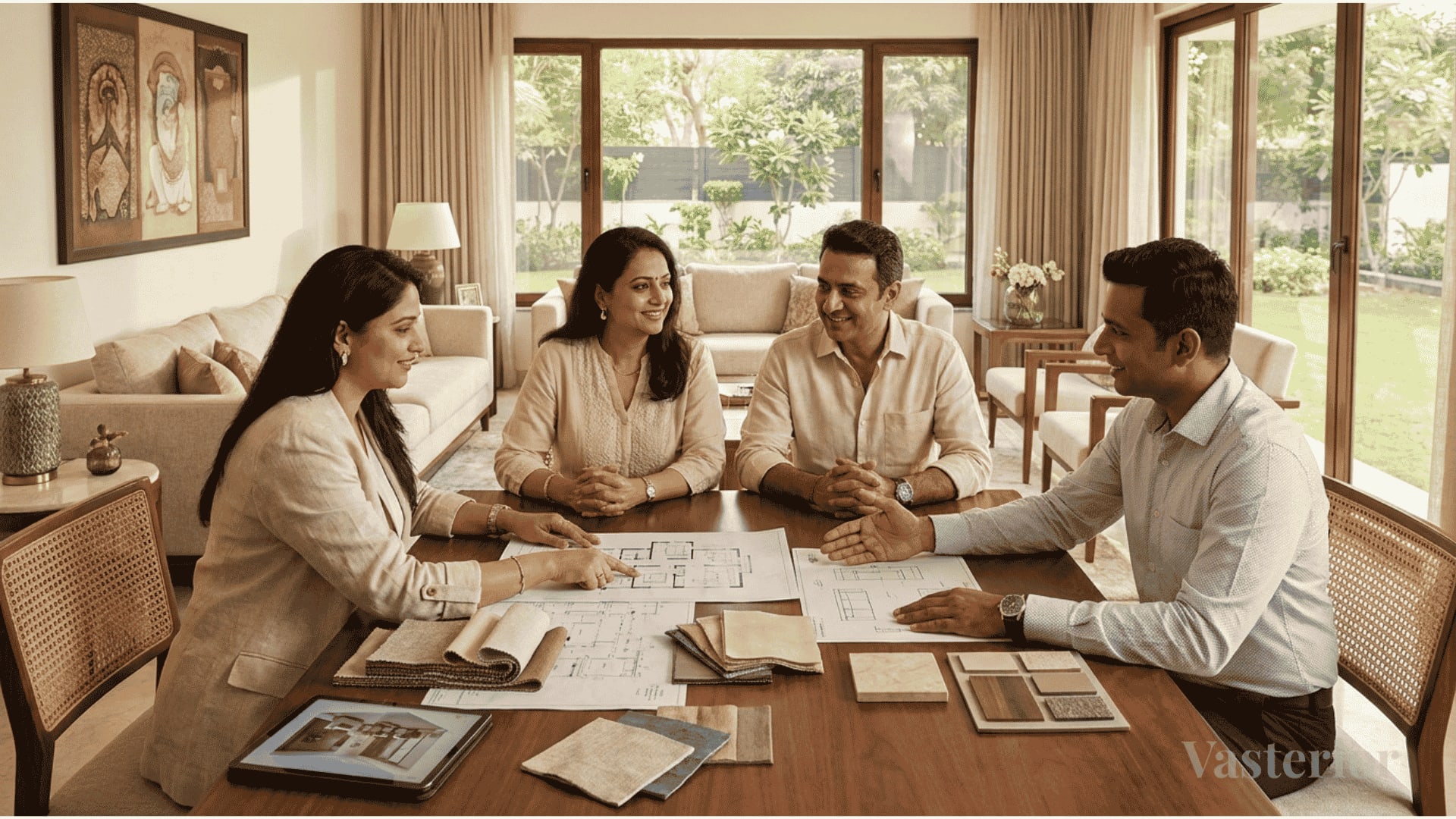
At Vasterior, every successful project begins with understanding how people live rather than simply how they want their home to look.
The design process starts by analysing:
- Family dynamics
- Daily routines
- Lifestyle goals
- Functional requirements
- Spatial challenges
- Energy flow patterns
- Vastu considerations
This comprehensive approach allows layouts to support both practical functionality and emotional wellbeing.
Instead of forcing homeowners to adapt to their environment, the environment is carefully designed to support them.
The result is a home that not only appears sophisticated but also feels comfortable, intuitive, and aligned with everyday living.
The Difference Between a Beautiful Home and a Well-Planned Home
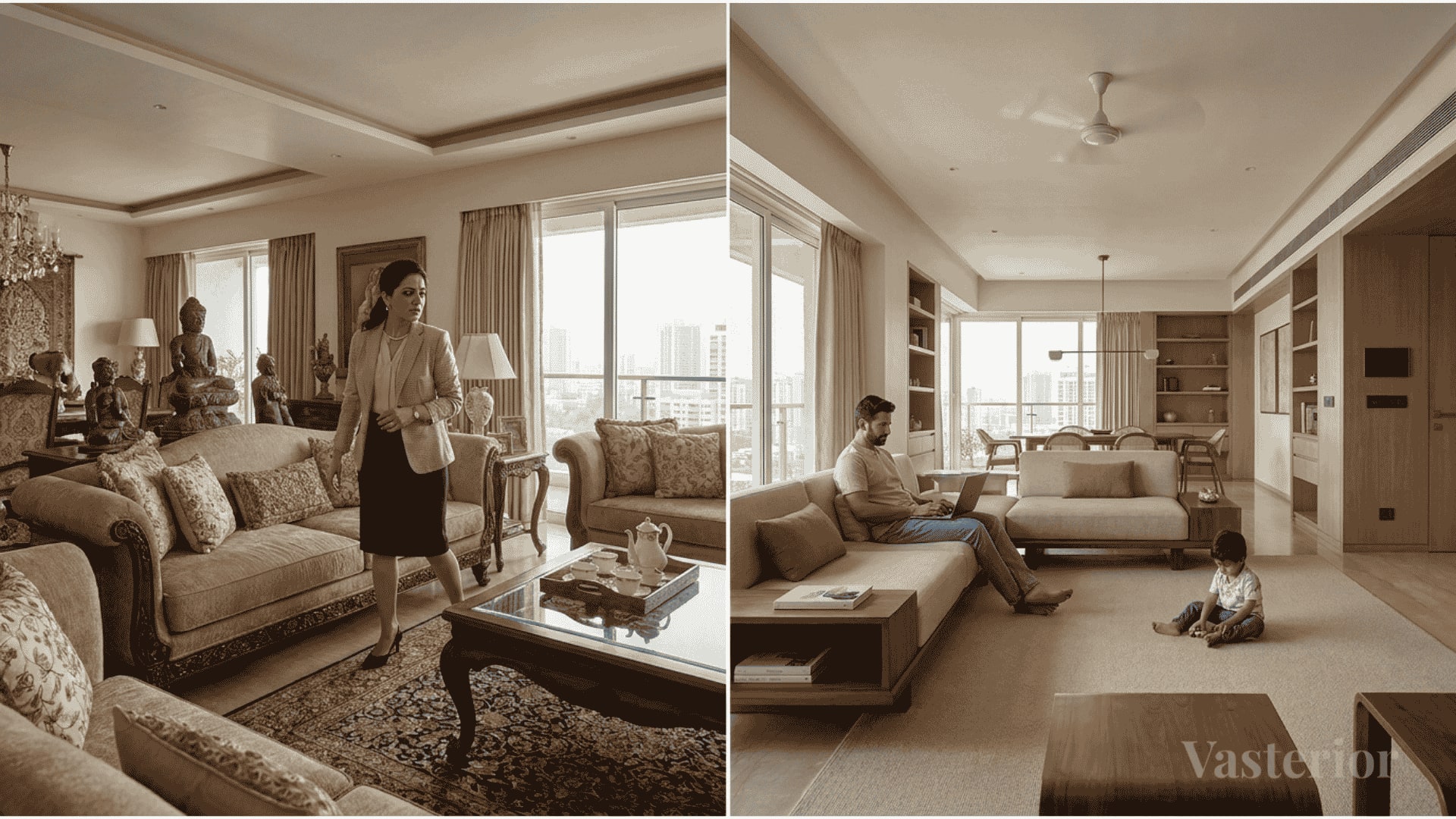
A beautiful home captures attention. A well-planned home improves life.
A beautiful home photographs well. A well-planned home functions well.
A beautiful home impresses visitors. A well-planned home supports its residents every day.
The most successful residential interior design projects achieve both.
They combine aesthetic excellence with intelligent layout planning.
When beauty and functionality work together, homeowners experience the full value of great design.
That is where lasting satisfaction comes from.
Final Thoughts
In the pursuit of dream homes, many people become focused on visible luxuries — premium finishes, designer furniture, statement lighting, and high-end décor.
While these elements certainly contribute to visual appeal, they cannot compensate for a layout that fails to support daily life.
The importance of space planning before interiors cannot be overstated.
A thoughtful layout influences comfort, productivity, relationships, wellbeing, and overall quality of life in ways that decorative elements never can.
The most successful homes are not necessarily the most expensive. They are the most intelligently planned.
People rarely remember the cost of a home's finishes. They remember how a space made them feel every single day.
If you are planning a new home, renovating an existing space, or simply wondering whether your layout is helping or hindering your lifestyle, a thoughtful conversation with an experienced design and Vastu specialist can often reveal opportunities you may never have considered.
At Vasterior, intelligent space planning forms the foundation of every project, ensuring that beauty, functionality, and energetic harmony work together seamlessly. To explore how your home can benefit from a more strategic approach to layout planning, you may connect with the team on +91 9100883355 or write to info@vasterior.com for a personalised discussion.
Frequently Asked Questions
1. Why is layout planning more important than expensive interiors?
Layout planning determines how a home functions every day. Expensive interiors enhance the appearance of a space, but they cannot resolve poor circulation, inadequate natural light, or inefficient spatial organisation. A well-planned home supports daily routines, relationships, and wellbeing in ways that costly finishes alone never can.
2. What does layout planning involve in interior design?
Layout planning involves the strategic arrangement of spaces, furniture, circulation pathways, and functional zones within a home. It considers how people move, interact, and use different areas throughout the day. It also integrates natural light, ventilation, storage, and lifestyle requirements into a cohesive spatial framework.
3. How does poor layout planning affect daily life?
Poor layout planning can create blocked pathways, underutilised spaces, insufficient storage, and visual clutter. Over time, these challenges contribute to daily frustration, reduced productivity, and lower residential satisfaction. Even small layout inefficiencies accumulate into meaningful disruptions to everyday living.
4. Can Vastu principles improve home layout planning?
Yes. Vastu principles offer a structured approach to spatial organisation that complements modern interior design. By considering directional energy, room placement, and movement pathways, Vastu-informed layout planning can contribute to environments that feel naturally balanced, functional, and supportive of occupant wellbeing.
5. What are the signs that my home needs better layout planning?
Common signs include rooms that feel smaller than expected, furniture that obstructs movement, inadequate natural light, rarely used areas, family members avoiding common spaces, persistent storage issues, and a generally cluttered visual environment. These challenges often indicate underlying layout inefficiencies.
6. How does layout planning affect relationships within the home?
Homes designed with thoughtful social zones and shared spaces encourage natural interaction and strengthen family connections. Conversely, layouts that isolate family members or create constant interruptions can reduce meaningful communication. Good layout planning creates opportunities for both connection and personal privacy.
7. Is it expensive to improve the layout of an existing home?
Not necessarily. While major structural changes involve significant investment, many layout improvements can be achieved through furniture repositioning, better storage planning, and thoughtful space reorganisation. Consulting an experienced interior design and Vastu specialist early can help identify cost-effective improvements.
8. What is spatial zoning in layout planning?
Spatial zoning involves dividing a home into distinct functional areas such as social zones, private zones, work zones, utility zones, and relaxation zones. Effective zoning ensures each area serves its intended purpose clearly while maintaining harmony and smooth transitions between different parts of the home.
9. Why do some homes feel effortless while others feel uncomfortable?
Homes that feel effortless have typically been planned with clear circulation pathways, balanced room proportions, abundant natural light, and well-defined activity zones. These qualities create an environment where movement feels natural and every space serves a meaningful purpose, producing an overall sense of ease and comfort.
10. How does Vasterior approach layout planning for residential projects?
At Vasterior, every project begins with a thorough understanding of how families live, including daily routines, lifestyle goals, functional requirements, and Vastu considerations. This foundation ensures that the resulting layout supports both practical needs and emotional wellbeing before any aesthetic decisions are made.