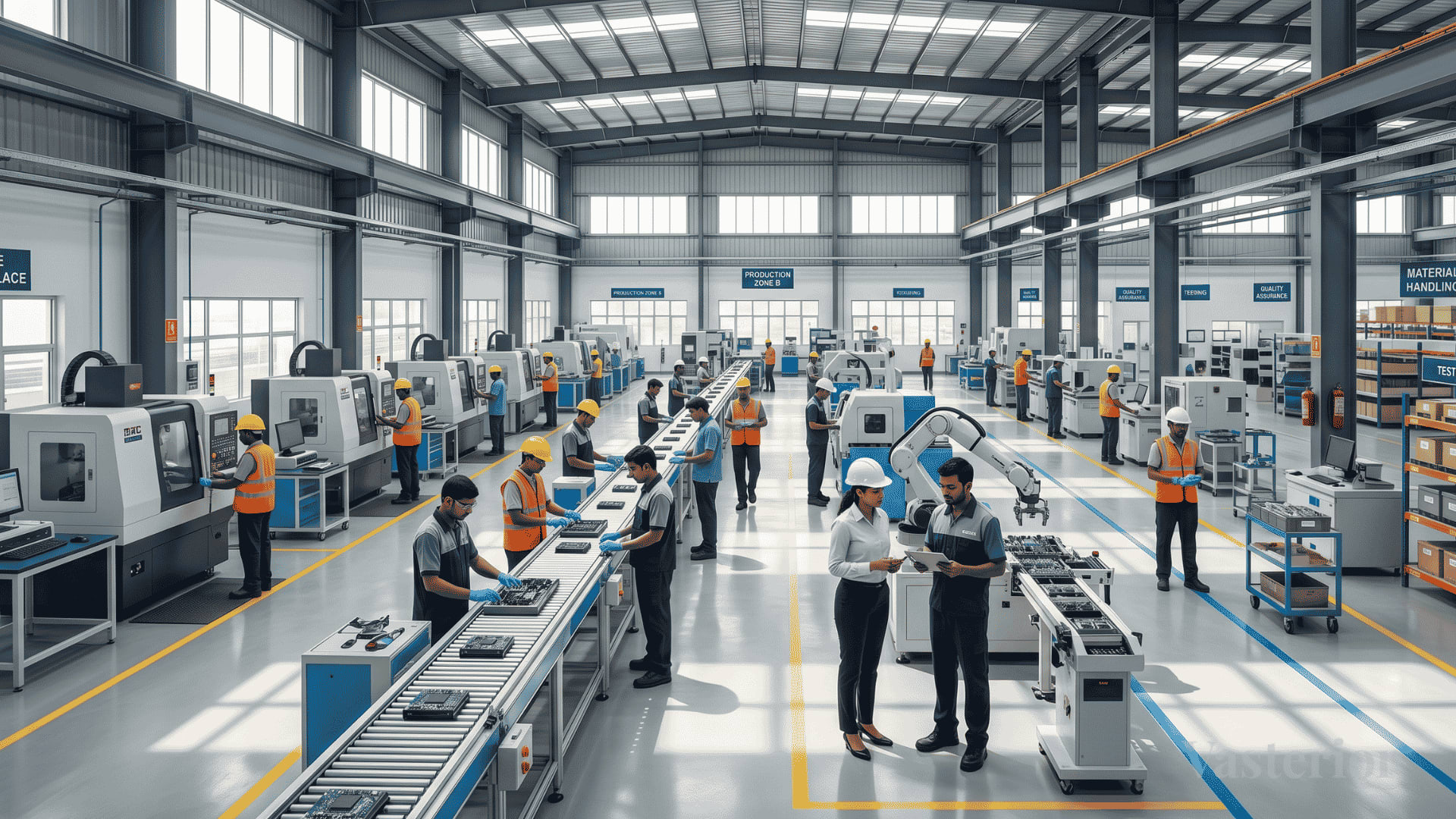
Factories are often viewed as engines of production where success depends on machinery, workforce, technology, and operational systems. While these elements undoubtedly play a critical role, there is another factor that many business owners overlook. The environment in which all these elements operate.
A factory is more than just a building filled with equipment. It is a living ecosystem where people, processes, decisions, materials, and energy interact every day. When this ecosystem is planned strategically, businesses often experience smoother operations, improved employee performance, stronger leadership decisions, and better financial outcomes.
This is where MahaVastu and intelligent spatial planning come into the picture.
At Vasterior, we believe that spaces influence human behavior, productivity, and prosperity. Just as we help couples create harmonious and prosperous homes by combining MahaVastu principles with thoughtful spatial planning, we apply the same philosophy to industrial environments. The result is a factory designed not only for functionality but also for long term growth and success.
Why Factory Design Directly Impacts Business Performance
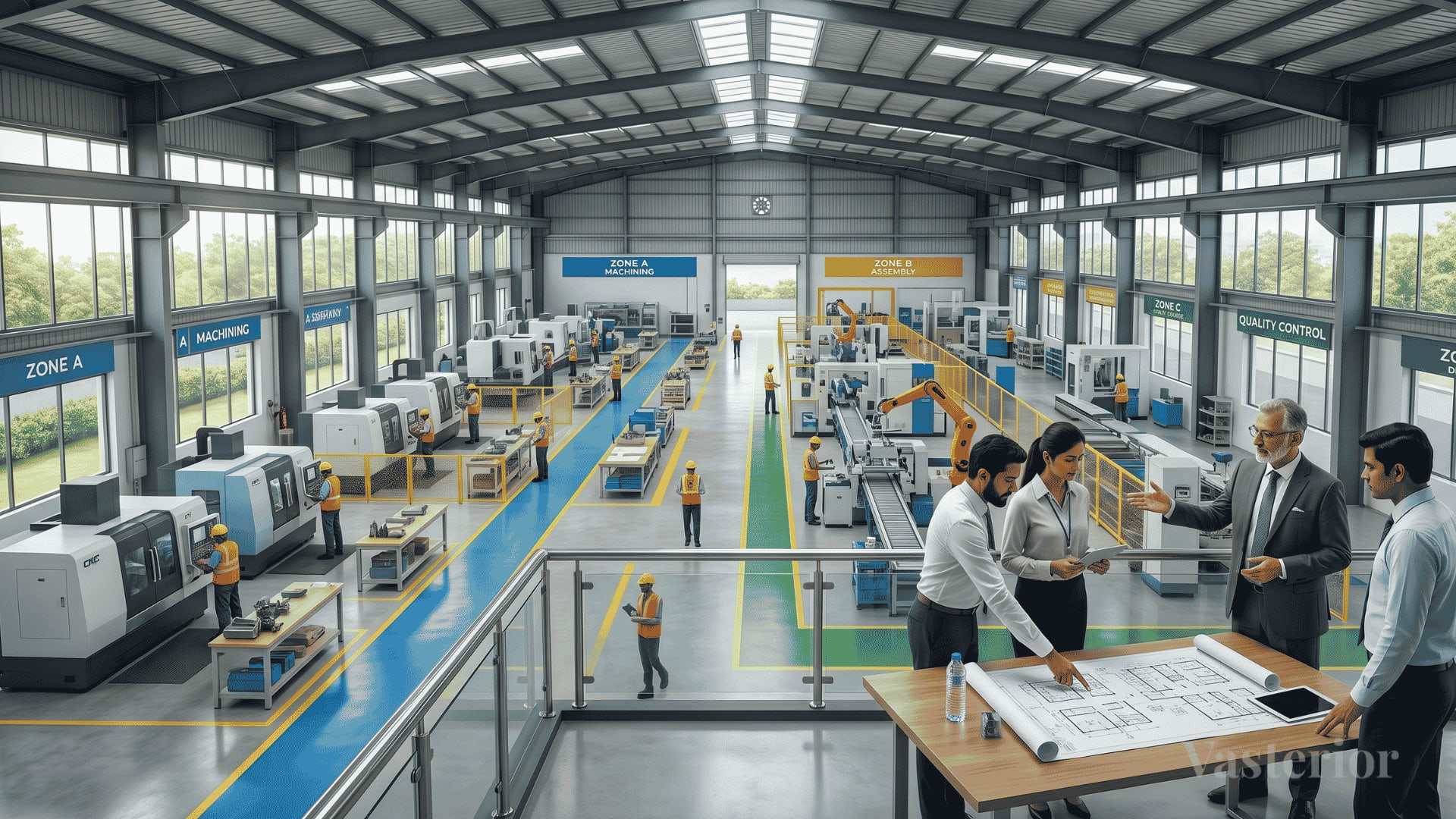
The design of a factory affects much more than aesthetics. Every corner of a manufacturing unit influences how efficiently people and systems function.
Poor planning often leads to:
- Workflow disruptions
- Material movement delays
- Employee fatigue
- Communication gaps
- Increased operational costs
- Reduced productivity
On the other hand, a strategically planned factory can create:
Why Factory Design — Benefits of Smart Planning
- Better movement of raw materials
- Faster production cycles
- Improved employee comfort
- Enhanced safety standards
- Stronger management oversight
- Higher operational efficiency
When people can move, communicate, and perform their tasks effortlessly, productivity naturally improves.
What Is MahaVastu and Why Is It Relevant for Factories?
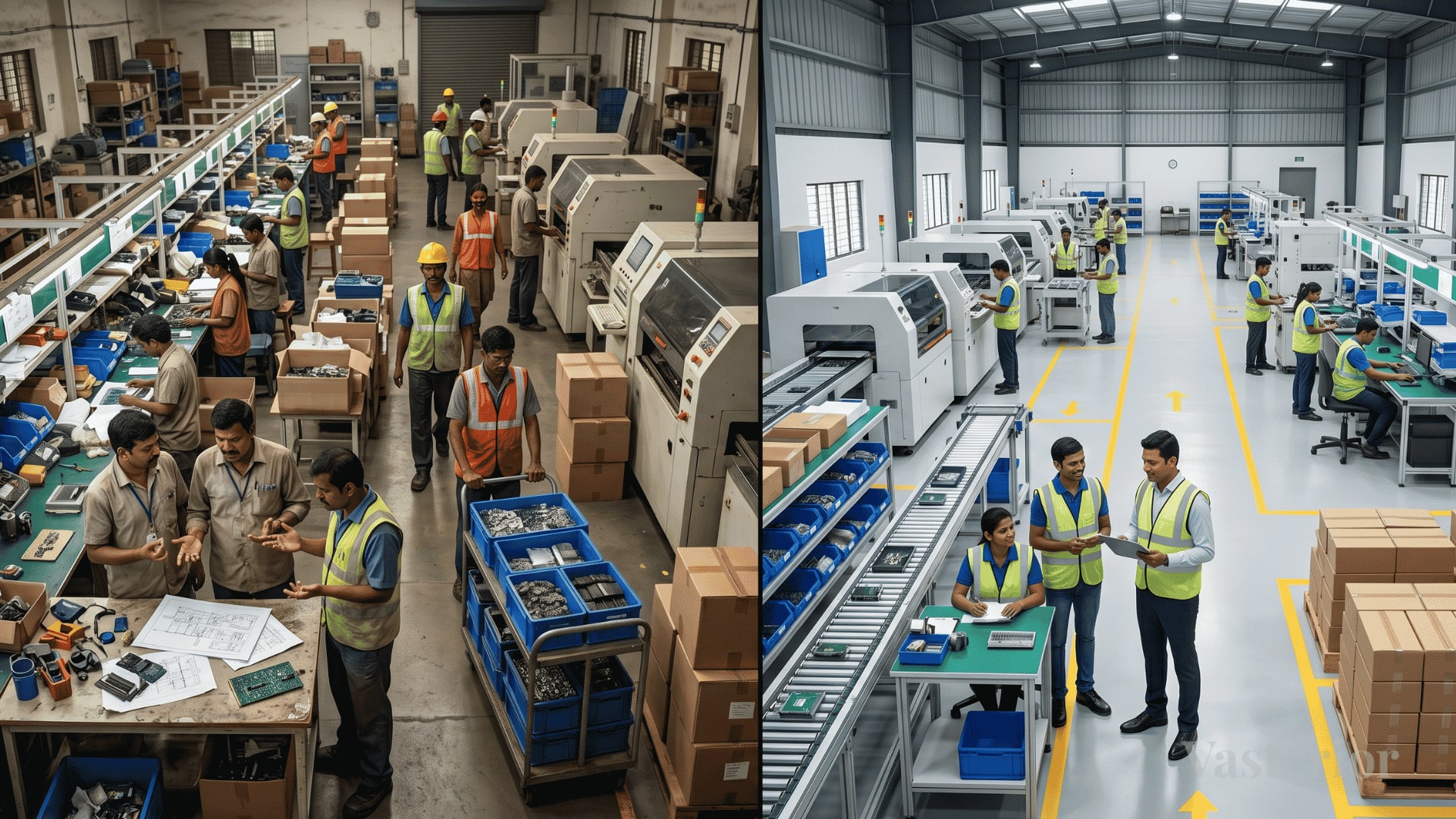
MahaVastu is a modern and structured approach to understanding how different directions and zones within a space influence activities and outcomes.
Unlike traditional interpretations that often focus solely on rituals, MahaVastu emphasizes the relationship between spatial alignment and human behavior.
In a factory setting, MahaVastu can help determine:
- Ideal placement of departments
- Appropriate positioning of leadership spaces
- Efficient allocation of production zones
- Better utilization of available space
- Enhanced flow of operations
The objective is not superstition. The objective is creating an environment that supports productivity, focus, stability, and growth.
When combined with strategic spatial planning, MahaVastu becomes a powerful framework for designing high performing industrial environments.
Common Factory Problems That May Be Linked to Spatial Imbalances
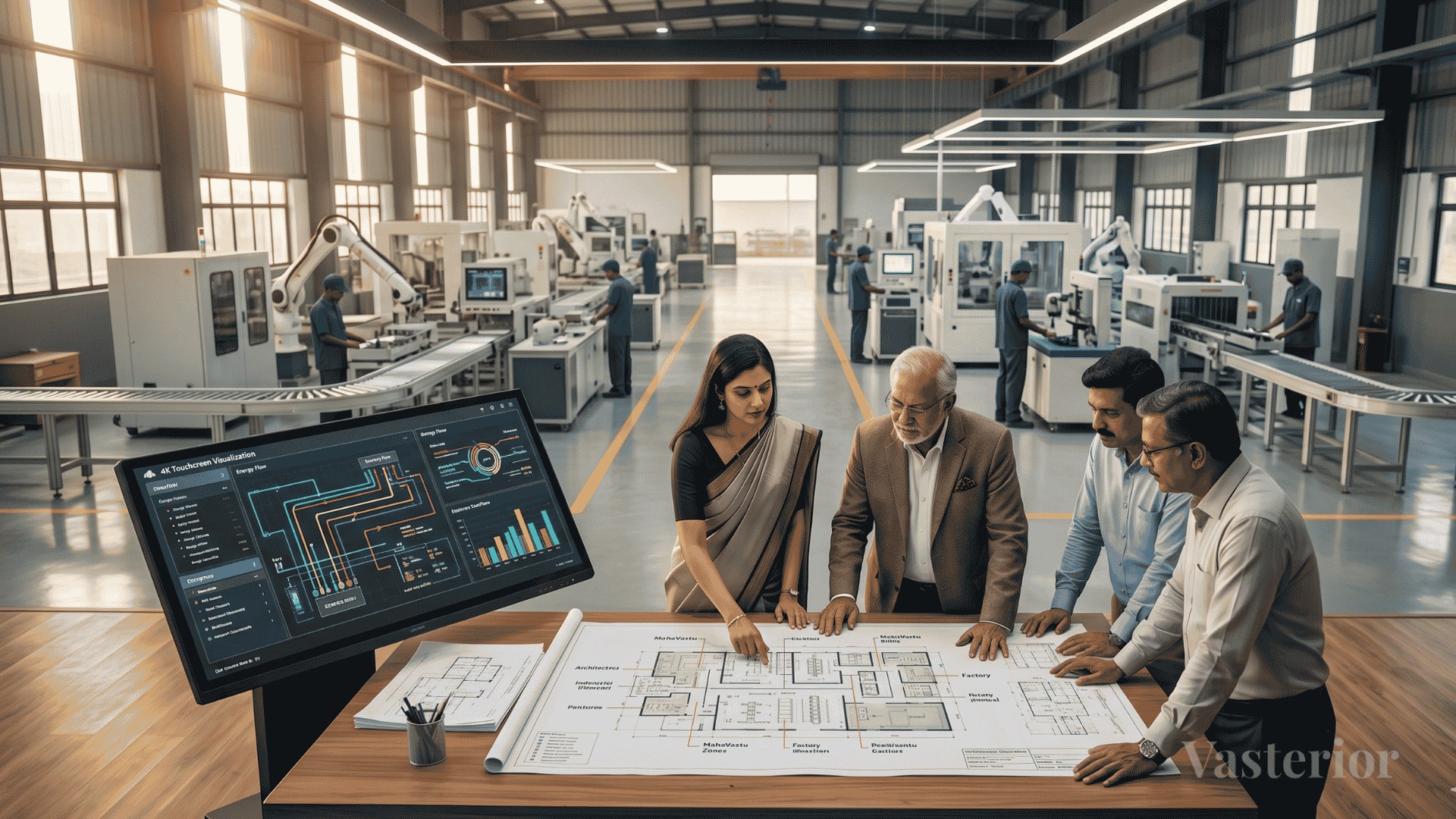
Many factory owners face recurring challenges despite investing heavily in operations.
Some of the most common issues include:
Frequent Machine Breakdowns
Equipment that constantly faces maintenance issues may indicate operational inefficiencies caused by poor placement, congestion, or inadequate planning around machinery zones.
High Employee Turnover
When employees experience stress, discomfort, or inefficient work environments, retention becomes difficult.
Production Delays
Poorly planned layouts often create bottlenecks that slow down manufacturing processes.
Workplace Conflicts
Spaces influence communication patterns. Ineffective departmental placement can increase friction between teams.
Financial Instability
When workflow inefficiencies accumulate, businesses often experience increased operational costs and reduced profitability.
Lack of Business Growth
Many factories reach a growth plateau because their physical infrastructure no longer supports expansion or optimized performance.
Identifying these challenges through the lens of MahaVastu and spatial planning can reveal opportunities for meaningful improvements.
How MahaVastu and Spatial Planning Work Together
One of the biggest misconceptions about Vastu is that it functions independently from modern design principles.
At Vasterior, we take a different approach.
Our methodology integrates:
- MahaVastu principles
- Industrial workflow analysis
- Human movement studies
- Space utilization optimization
- Departmental zoning
- Operational efficiency planning
- Employee wellbeing considerations
This creates a factory environment where every area serves a purpose while supporting both functional and energetic balance.
A factory can follow Vastu principles yet still perform poorly if workflows are inefficient.
Similarly, a highly efficient layout may not fully support leadership effectiveness, workforce harmony, or long term stability if spatial energies are ignored.
The most successful industrial environments balance both dimensions.
Key Factory Zones That Influence Productivity and Profitability
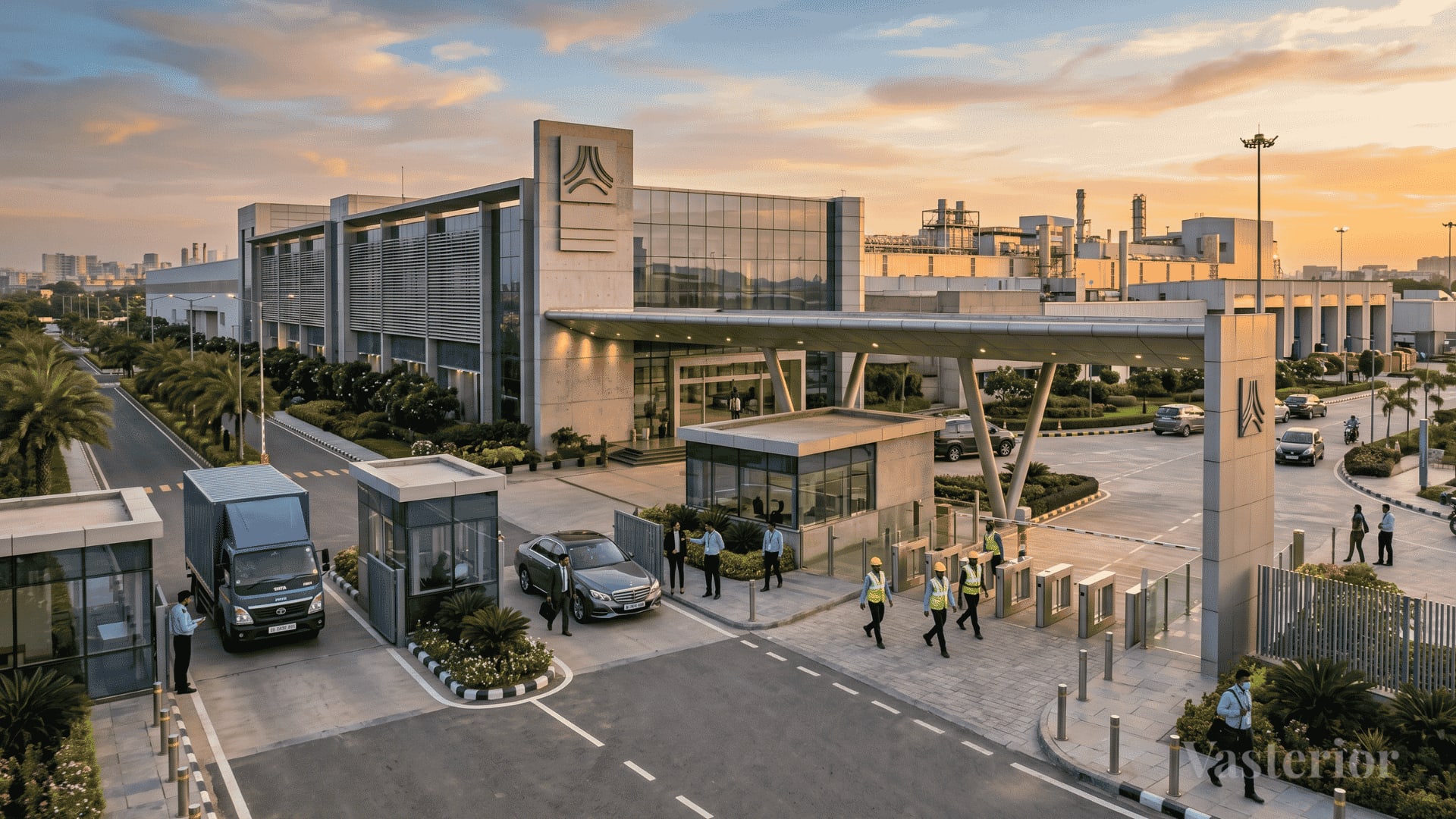
Every zone within a factory contributes uniquely to overall performance. Understanding the role of each area is essential for meaningful improvement.
Factory Entrance
The entrance serves as the first point of interaction between the business and the outside world.
A well planned entrance can contribute to:
- Smooth movement of people and materials
- Better operational flow
- Stronger organizational structure
Common mistakes include obstructed access points, cluttered surroundings, and poorly managed traffic flow.
Production Floor
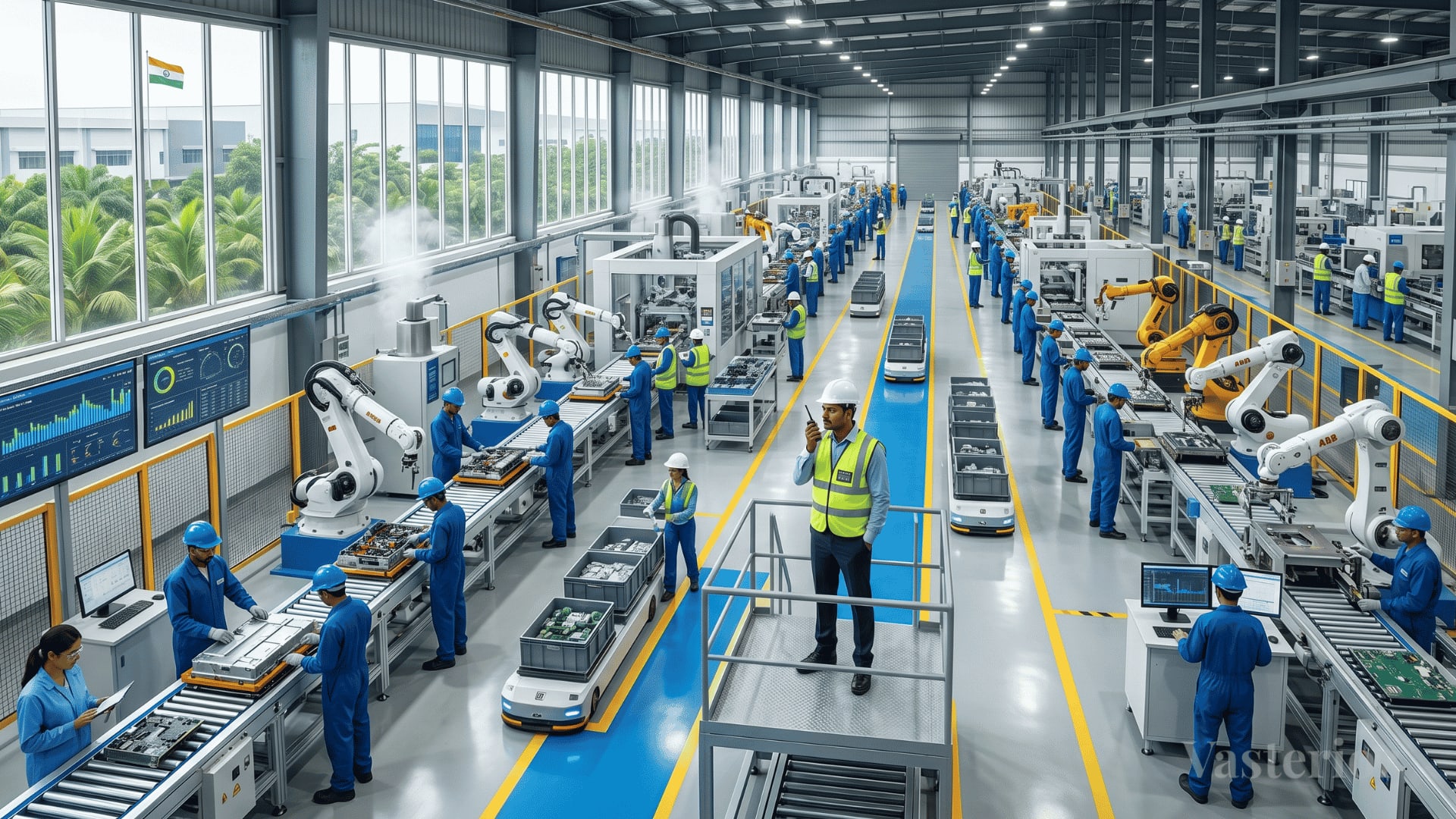
The production floor is the heart of any factory.
Factors that influence productivity include:
- Equipment positioning
- Worker accessibility
- Material movement pathways
- Safety clearances
- Visibility and supervision
A strategically organized production area can significantly reduce delays and increase output.
Raw Material Storage
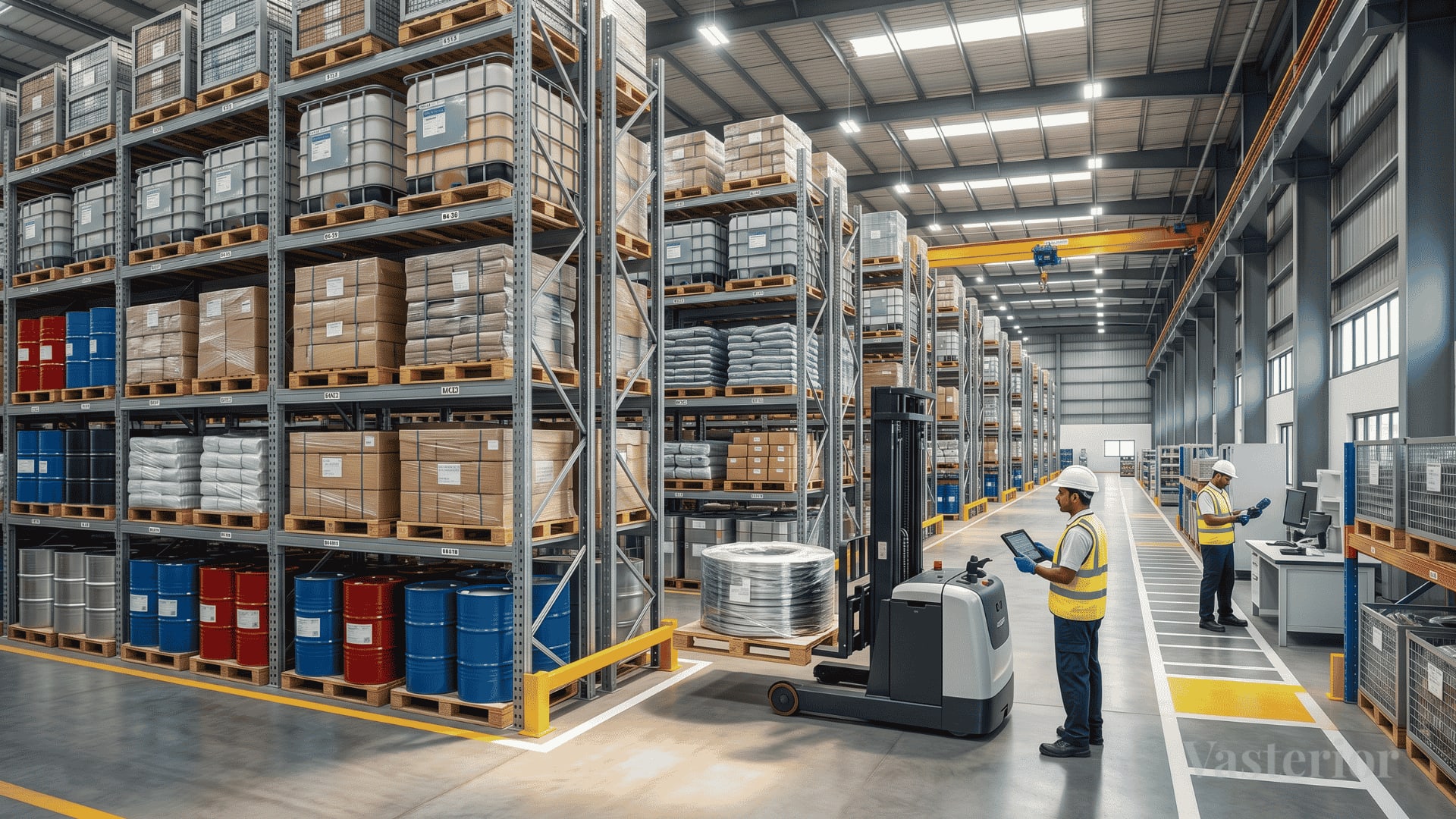
Efficient storage planning helps maintain uninterrupted production cycles.
Key considerations include:
- Easy accessibility
- Logical inventory movement
- Reduced handling time
- Better stock management
Poor storage planning often results in wasted effort and unnecessary operational delays.
Finished Goods Storage
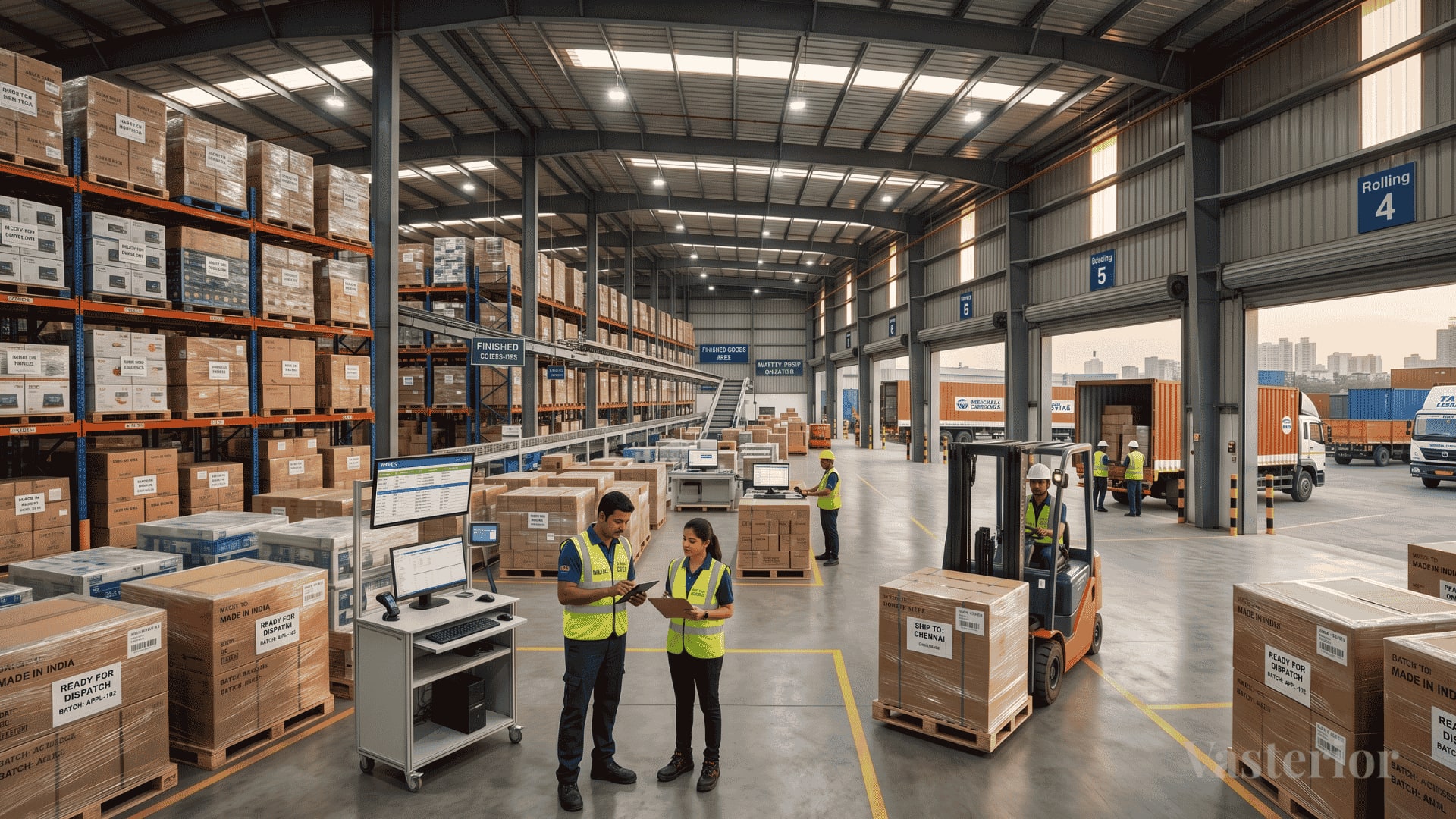
The placement of finished goods directly impacts dispatch efficiency.
An optimized layout can:
- Reduce loading delays
- Improve inventory management
- Accelerate order fulfillment
- Support smoother logistics operations
Administrative Offices
Administrative teams act as the communication bridge between operations, management, clients, vendors, and stakeholders.
The placement of administrative departments can significantly influence efficiency and decision making.
A well-positioned office environment can support:
- Faster communication
- Improved coordination
- Better document management
- Stronger managerial oversight
- Enhanced employee productivity
Poor office planning often creates disconnects between management and operations, leading to delays and misunderstandings.
Owner's Cabin
The factory owner's workspace plays an important role in leadership effectiveness.
As the primary decision maker, the owner's environment should support:
- Strategic thinking
- Clarity in decision making
- Financial planning
- Leadership confidence
- Business growth initiatives
At Vasterior, we carefully analyze the positioning of leadership zones to ensure they align with both MahaVastu principles and practical business functionality.
Quality Control Areas
Quality assurance is a critical function in every manufacturing facility.
An efficiently planned quality control zone helps:
- Detect issues faster
- Reduce production errors
- Improve product consistency
- Enhance customer satisfaction
- Lower rejection rates
When quality control departments are integrated thoughtfully into the overall layout, they become proactive contributors to operational excellence rather than reactive checkpoints.
Employee Facilities
Employee wellbeing directly impacts productivity.
Facilities such as:
- Break areas
- Restrooms
- Dining spaces
- Locker rooms
- Wellness zones
should never be treated as secondary considerations.
Comfortable employees tend to demonstrate:
Employee Facilities — Benefits
- Higher engagement
- Better focus
- Greater loyalty
- Improved performance
- Stronger teamwork
Modern businesses increasingly recognize that employee experience is closely linked to profitability.
Utilities and Machinery Zones
Utilities form the operational backbone of a factory.
This includes:
- Electrical systems
- Generators
- Compressors
- Boilers
- Maintenance areas
Strategic placement of these utilities improves:
Utilities and Machinery Zones — Benefits
- Operational reliability
- Safety standards
- Maintenance efficiency
- Resource utilization
- Production continuity
Both MahaVastu and industrial planning emphasize the importance of properly organizing these support systems to reduce disruptions and improve long term performance.
How Proper Spatial Planning Improves Operational Efficiency
Many factory owners focus on machinery upgrades while overlooking layout optimization. However, even the most advanced equipment can underperform within a poorly planned environment.
Strategic spatial planning helps businesses achieve:
Reduced Bottlenecks
Well-defined pathways allow materials, products, and employees to move efficiently throughout the facility.
Faster Production Cycles
Optimized layouts reduce unnecessary movement and improve workflow continuity.
Better Department Coordination
Logical placement of departments enhances communication and reduces delays.
Improved Safety Standards
Proper spacing minimizes workplace hazards and improves compliance.
Reduced Operational Waste
Efficient layouts lower time wastage, transportation costs, and resource consumption.
Enhanced Scalability
Factories designed with future growth in mind can expand more smoothly without disrupting existing operations.
At Vasterior, spatial planning is never limited to aesthetics. Every design decision is evaluated through the lens of productivity, functionality, and long term business success.
The Human Side of Productivity
Machines do not drive businesses. People do.
Every successful factory depends on workers, supervisors, managers, and leaders who contribute their expertise daily.
The physical environment influences how these individuals feel, think, and perform.
A thoughtfully designed workplace can improve:
Employee Morale
People perform better when they feel valued and comfortable within their environment.
Focus and Concentration
Clutter free and strategically organized spaces help employees remain attentive to their tasks.
Stress Reduction
Well-planned environments reduce confusion, congestion, and workplace frustration.
Employee Retention
A positive work environment encourages employees to stay longer and contribute more effectively.
Team Collaboration
Strategic departmental placement can strengthen communication and teamwork.
This is where MahaVastu becomes particularly valuable. Its principles focus on creating environments that support positive human experiences and harmonious interactions.
When combined with modern workplace psychology and spatial planning, businesses can create environments where both people and processes thrive.
Real Business Benefits of a MahaVastu Compliant Factory
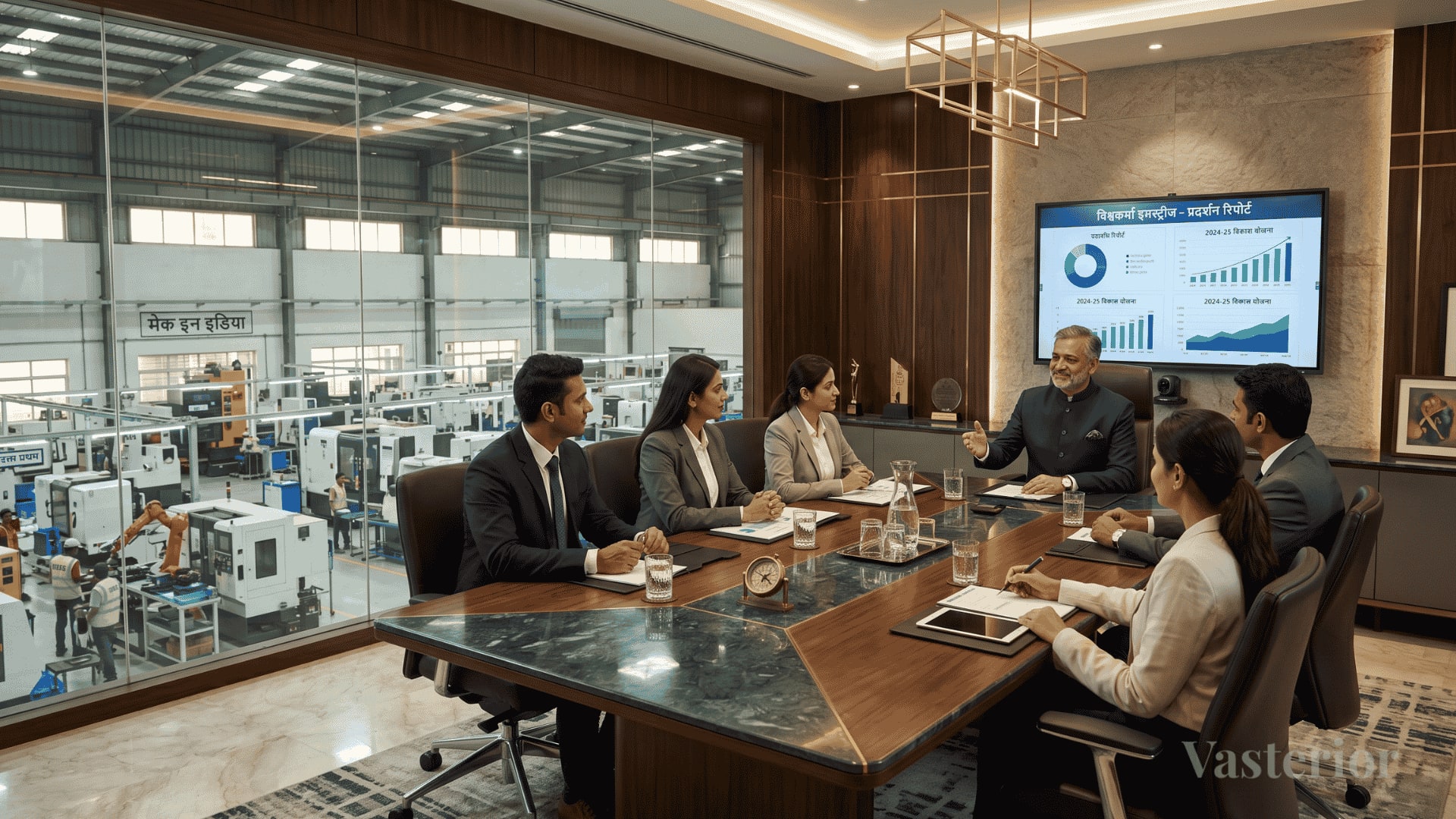
Factory owners often ask whether MahaVastu and spatial planning can deliver measurable outcomes. The answer lies in how environments influence operational performance.
Some of the most commonly reported benefits include:
- Higher employee productivity
- Improved workflow efficiency
- Better workforce stability
- Reduced operational friction
- Enhanced decision making
- Stronger leadership effectiveness
- Greater employee satisfaction
- Increased production output
- Improved customer fulfillment
- Long term business growth
While every business is unique, creating a supportive environment often allows existing resources to perform at their full potential.
Why Vasterior's Approach Is Different
Many Vastu consultants focus exclusively on directional recommendations. At Vasterior, we believe true transformation happens when energy alignment and functional design work together.
Our approach combines:
- MahaVastu principles
- Scientific spatial planning
- Human behavior insights
- Workflow optimization
- Business growth objectives
- Modern architectural thinking
- Practical implementation strategies
This integrated methodology helps businesses create environments that support productivity, profitability, and long term success.
The same philosophy that enables us to help couples build harmonious and prosperous homes also guides our work in commercial and industrial spaces.
Whether it is a residence or a factory, the objective remains the same. To create environments where people can perform at their highest potential and experience sustainable growth.
Factory Improvement Checklist
Factory owners can begin evaluating their spaces using the following checklist:
- Is the factory layout free from operational bottlenecks?
- Are raw materials easily accessible?
- Is finished goods storage optimized for dispatch efficiency?
- Does the owner's cabin support strategic oversight?
- Are employee facilities comfortable and accessible?
- Is machinery placement maximizing productivity?
- Are departments positioned for effective communication?
- Is there room for future expansion?
- Does the factory environment support employee wellbeing?
- Has the facility been evaluated using both MahaVastu and spatial planning principles?
Addressing even a few of these factors can lead to meaningful improvements in overall performance.
Conclusion
In today's competitive business landscape, profitability is no longer determined solely by machinery, technology, or manpower.
The environment in which people work plays an equally important role.
Factories that are designed with intention often experience smoother workflows, stronger leadership, better employee engagement, and improved operational outcomes.
MahaVastu offers valuable insights into how spaces influence human behavior and business performance. When these principles are combined with intelligent spatial planning, the result is an industrial environment that supports productivity, profitability, and sustainable growth.
At Vasterior, we help businesses unlock the full potential of their spaces by blending MahaVastu expertise with strategic design thinking. Our goal is not merely to create compliant layouts but to design environments that empower people, optimize operations, and drive long term success.
If you are looking to improve factory productivity and profits through a smarter approach to space planning, Vasterior can help you build an environment where growth happens naturally.
Discover how Vasterior can help you create a high-performance industrial environment through the powerful combination of MahaVastu and intelligent spatial planning. Connect with our team at +91 9100883355 or write to info@vasterior.com.
Frequently Asked Questions
1. Can Vastu really improve factory productivity?
Vastu alone is not a magic solution. However, when MahaVastu principles are combined with strategic spatial planning, factories can benefit from improved workflow, employee comfort, and operational efficiency.
2. What is the difference between traditional Vastu and MahaVastu?
MahaVastu is a more structured and practical approach that focuses on directional energies, functional zoning, and measurable outcomes rather than rituals.
3. How does spatial planning impact factory profits?
Efficient layouts reduce bottlenecks, improve workflow, minimize wastage, and increase productivity, all of which contribute to higher profitability.
4. Is MahaVastu suitable for existing factories?
Yes. Existing factories can often be improved through layout optimization, departmental restructuring, and strategic corrective measures.
5. Does Vasterior work with manufacturing units of all sizes?
Yes. Vasterior provides customized solutions for small, medium, and large industrial facilities.
6. Can employee wellbeing affect factory performance?
Absolutely. Comfortable and motivated employees tend to be more productive, engaged, and committed to organizational success.
7. What areas of a factory are most important from a MahaVastu perspective?
Entrances, production floors, storage areas, administrative offices, leadership spaces, and utility zones all play significant roles.
8. How long does a factory assessment typically take?
The duration depends on the size and complexity of the facility. Vasterior conducts detailed evaluations to ensure accurate recommendations.
9. Does Vasterior only provide Vastu consultation?
No. Vasterior combines MahaVastu with spatial planning, workflow optimization, and modern design strategies to create comprehensive solutions.
10. Why should factory owners consider MahaVastu today?
As businesses become increasingly competitive, every advantage matters. MahaVastu combined with strategic planning can help create environments that support efficiency, stability, and long term growth.