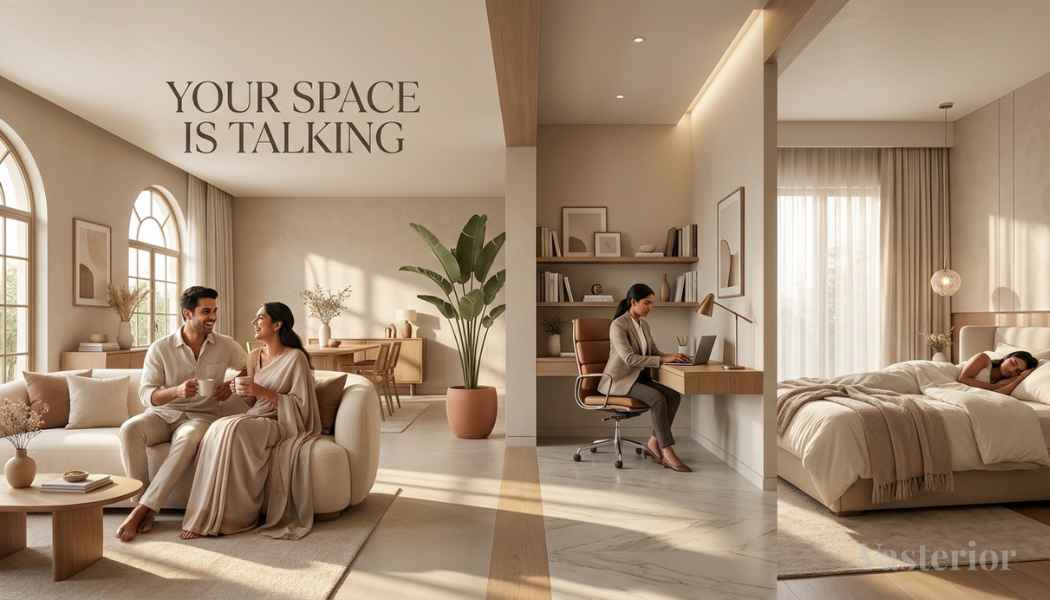
Most people can instantly tell when a space feels right.
You walk into a hotel lobby and immediately feel relaxed. You visit a friend's home and somehow the atmosphere feels heavy. You step into a thoughtfully designed office and find yourself thinking more clearly. You enter a bedroom and experience an unexpected sense of calm.
What is fascinating is that these reactions often happen before we consciously notice the colours, furniture, lighting, or layout around us.
The truth is that our surroundings are constantly communicating with us.
Every room sends subtle signals to the brain. The placement of furniture influences movement. Light affects mood. Spatial organisation impacts mental clarity. Even the way a room is proportioned can alter how connected, safe, focused, or comfortable we feel.
Modern environmental psychology has spent decades studying how built environments influence human behaviour. At the same time, traditional spatial sciences such as Vastu have long recognised that the arrangement and energy of a space can affect various aspects of life.
While these disciplines emerge from different origins, they often point towards a similar conclusion.
Space is never neutral.
It quietly shapes relationships, influences sleep patterns, affects emotional wellbeing, and even impacts the decisions we make every day.
In a world where stress levels are rising and attention spans are shrinking, understanding this relationship between people and spaces has never been more relevant.
At Vasterior, we believe that exceptional design goes beyond aesthetics. A truly successful space supports the people who live, work, and grow within it.
The Silent Conversation Between People and Spaces
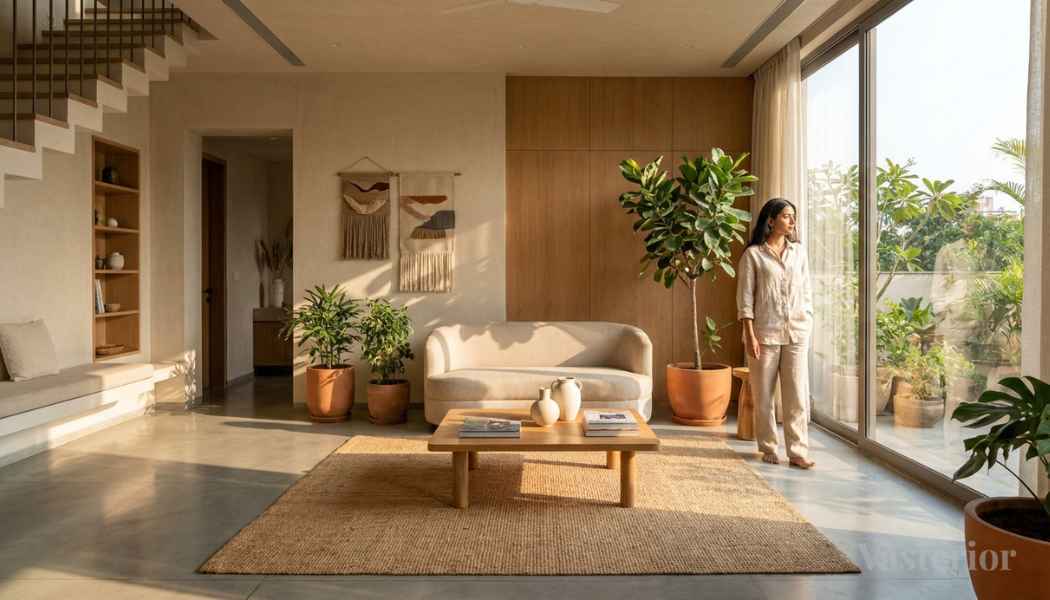
Every space creates an emotional response. This process occurs so naturally that most people rarely notice it. Environmental psychology refers to this phenomenon as the interaction between human behaviour and physical surroundings. Our brains continuously analyse environmental cues and adjust emotional responses accordingly.
Consider a room filled with natural sunlight, balanced proportions, and organised furniture. Most people report feeling calmer and more comfortable in such environments.
Now imagine a cluttered room with poor lighting, cramped pathways, and visual chaos. The experience is often very different.
The physical characteristics of a space influence:
- Stress levels
- Attention span
- Emotional regulation
- Social behaviour
- Sense of safety
- Overall wellbeing
Researchers have discovered that humans develop strong emotional associations with environments. This concept, often called spatial memory, explains why certain places instantly evoke feelings of comfort, nostalgia, or anxiety.
The brain remembers experiences attached to locations.
If a dining room consistently hosts meaningful family conversations, it begins to represent connection and belonging. If a workspace is associated with pressure and overwhelm, simply entering that environment can trigger stress responses.
This silent dialogue between people and spaces occurs every day, shaping experiences beneath conscious awareness.
How Space Quietly Shapes Relationships
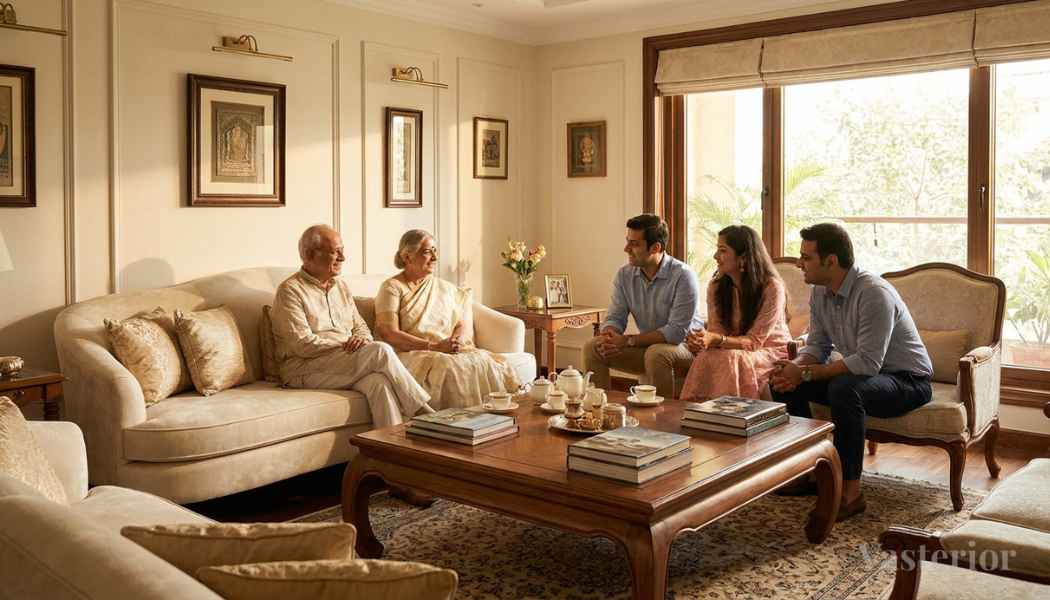
Relationships are often viewed as emotional or psychological connections. However, physical environments play a surprisingly important role in determining how people interact. The design of a home can either encourage meaningful connection or unintentionally create distance.
Think about the modern living room.
When furniture is arranged to facilitate conversation, people naturally engage with one another. Eye contact becomes easier. Communication feels more organic.
Conversely, when a room is dominated entirely by screens or disconnected seating arrangements, interactions often become more passive.
Spatial design influences relationships through several subtle mechanisms.
Shared Spaces Encourage Bonding
Families thrive when homes contain intentional gathering zones. These spaces may include:
- Dining areas
- Family lounges
- Reading corners
- Outdoor seating zones
- Informal conversation areas
Such environments create opportunities for spontaneous interaction throughout the day.
Interestingly, some of the strongest family memories are not formed during major events. They emerge from everyday moments that occur within thoughtfully designed shared spaces.
Privacy Matters Too
Connection is important, but so is personal space. Homes that lack boundaries often contribute to emotional fatigue. Every individual requires opportunities for solitude, reflection, and personal recharge.
Balanced design creates both community and privacy. When people feel their personal needs are respected, relationships tend to become healthier and more resilient.
The Bedroom and Emotional Intimacy
Bedrooms influence far more than sleep. They affect relaxation, emotional vulnerability, and interpersonal connection.
A bedroom filled with clutter, excessive electronics, harsh lighting, or visual distractions can unintentionally create tension and restlessness.
By contrast, a well-designed bedroom supports comfort, trust, and emotional security. This is one reason why both interior designers and Vastu consultants often prioritise bedroom planning when creating harmonious homes.
The Relationship Between Design and Sleep Quality
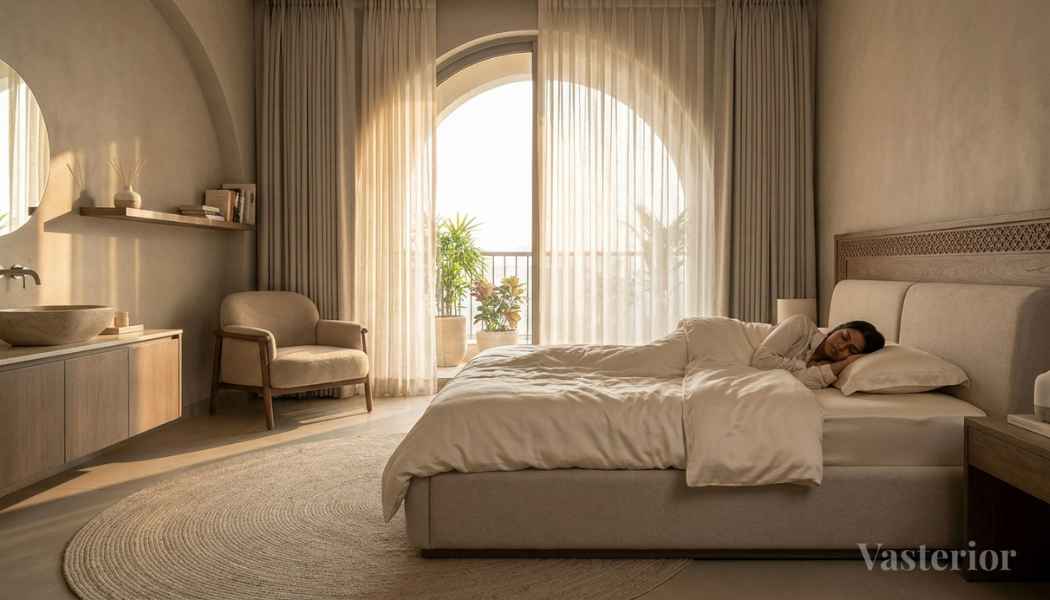
Sleep is one of the most essential pillars of health. Yet many people unknowingly sleep in environments that actively work against quality rest. The design of a bedroom affects the nervous system long before a person closes their eyes. Light exposure, colour choices, room organisation, and furniture placement all contribute to sleep quality.
Light and Circadian Rhythm
Natural light helps regulate the body's internal clock. Bedrooms that receive appropriate daylight exposure often support healthier sleep cycles. During the evening, reducing harsh artificial lighting signals the brain to prepare for rest. This transition is critical for melatonin production and overall sleep quality.
Clutter Creates Cognitive Noise
Many people view clutter as purely visual. However, the brain processes clutter as unfinished information. Each visible item competes for attention. As a result, highly cluttered bedrooms can contribute to mental overstimulation, making it more difficult to relax and fall asleep. A calmer visual environment often translates into a calmer mental state.
Colour Psychology and Restfulness
Colours influence emotional responses. Soft neutrals, muted earth tones, and gentle natural palettes tend to support relaxation. Overly stimulating colours may increase alertness and energy levels, which are not always ideal within sleeping environments. The objective is not simply aesthetic beauty. The objective is creating a space that signals safety, comfort, and restoration.
Vastu Perspectives on Sleep
Traditional Vastu principles emphasise spatial orientation, room placement, and energy flow within sleeping areas. While interpretations may vary, the underlying objective remains consistent with many modern design principles. Create an environment that promotes stability, relaxation, and uninterrupted rest. The growing interest in wellness-focused interiors demonstrates that people increasingly recognise the connection between surroundings and sleep quality.
How Your Environment Influences Everyday Decisions
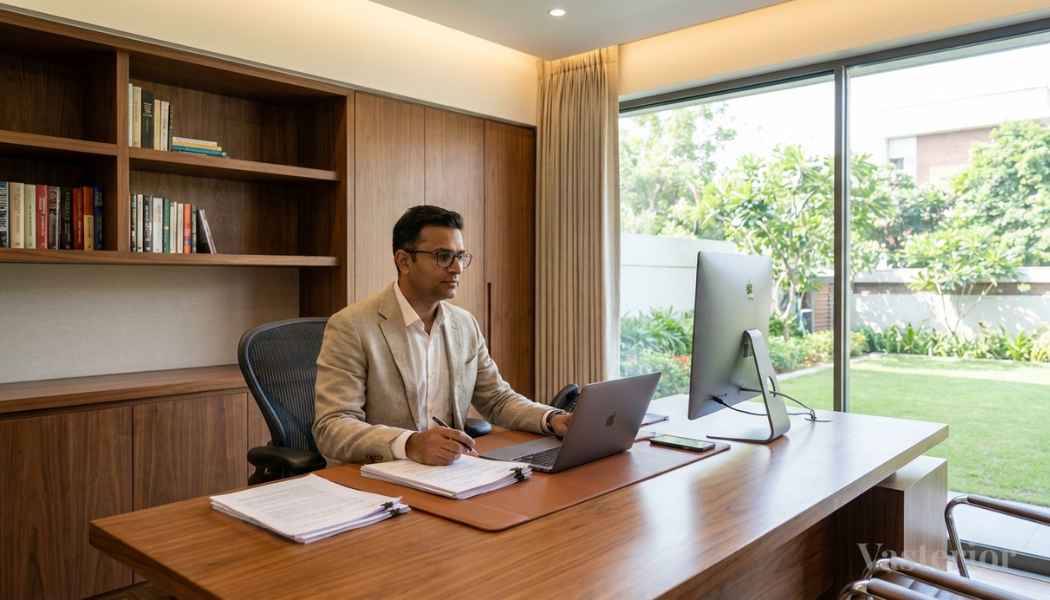
Many decisions appear entirely rational. Yet the environment surrounding us often influences our choices more than we realise. Psychologists frequently discuss the concept of cognitive load. Cognitive load refers to the amount of mental effort required to process information. When spaces are chaotic, disorganised, or visually overwhelming, the brain must work harder to filter distractions. This additional effort contributes to decision fatigue.
Decision fatigue can affect:
- Productivity
- Focus
- Financial choices
- Time management
- Emotional regulation
- Professional performance
Imagine starting your day in a cluttered home office.
Documents are scattered. Storage systems are unclear. Lighting is inadequate.
Before meaningful work even begins, mental energy is already being consumed.
Now compare that experience with an organised workspace designed around efficiency, clarity, and comfort.
The difference often becomes immediately noticeable.
Good design removes friction. It allows attention to be directed towards priorities rather than environmental distractions.
This is why thoughtful space planning has become increasingly important in both residential and professional environments.
Why Some Homes Feel Instantly Peaceful
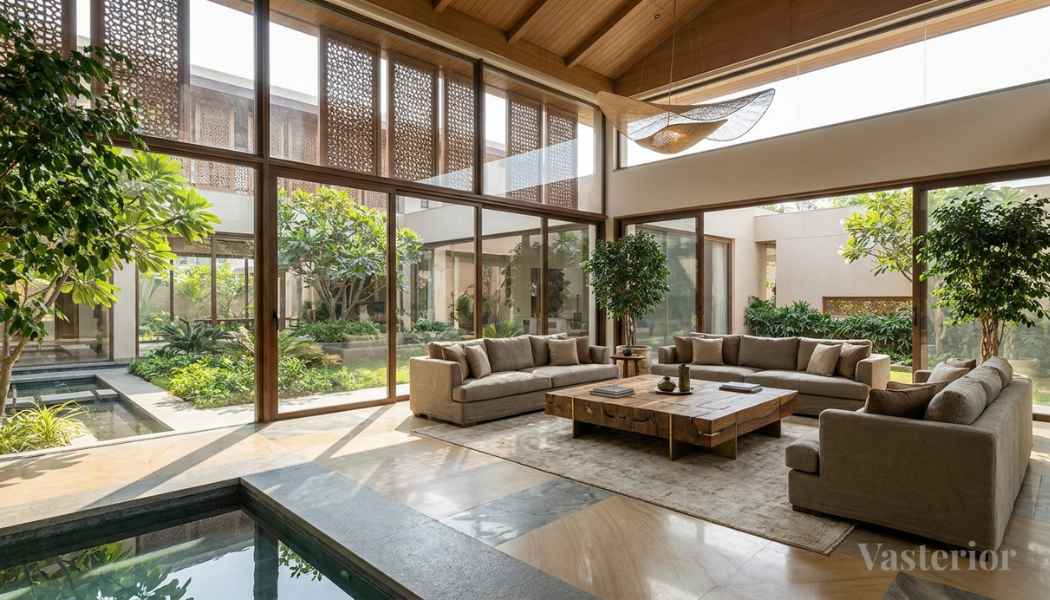
Have you ever entered a home and felt an immediate sense of calm, even before speaking to anyone? That feeling is rarely accidental. Peaceful spaces tend to share several common characteristics. They are designed with intention, balance, and awareness of how people naturally interact with their surroundings.
One of the most influential factors is flow.
Flow refers to the ease with which people move through a space. When pathways are obstructed, furniture feels oversized, or layouts create confusion, the environment can subconsciously generate tension.
Conversely, when movement feels effortless, the mind often experiences greater ease as well.
The Role of Natural Light
Natural light remains one of the most powerful yet underutilised design elements. Studies consistently show that exposure to daylight positively influences mood, productivity, energy levels, and overall wellbeing. Spaces filled with natural light tend to feel more expansive, uplifting, and welcoming. Luxury interiors often prioritise large openings, thoughtful window placements, and reflective surfaces not simply for aesthetics but for the emotional benefits they create.
Balance and Proportion
The human brain naturally seeks balance. When a room feels visually overcrowded on one side or lacks harmony in scale and proportion, occupants may experience subtle discomfort without understanding why. Balanced interiors create a sense of order. This does not mean perfect symmetry. Rather, it involves thoughtful distribution of visual weight, functionality, and spatial purpose.
The Psychology of Spatial Harmony
People often describe certain spaces as having "good energy." While this phrase may sound subjective, it often reflects genuine psychological responses to environmental conditions. When lighting, organisation, movement, acoustics, and functionality work together seamlessly, the resulting experience feels harmonious. This harmony reduces stress and supports emotional wellbeing.
Many Vastu principles are rooted in this pursuit of balance and harmony. When interpreted through a modern lens, these principles encourage spaces that support natural movement, clarity, comfort, and human flourishing.
The Overlooked Cost of Ignoring Spatial Alignment
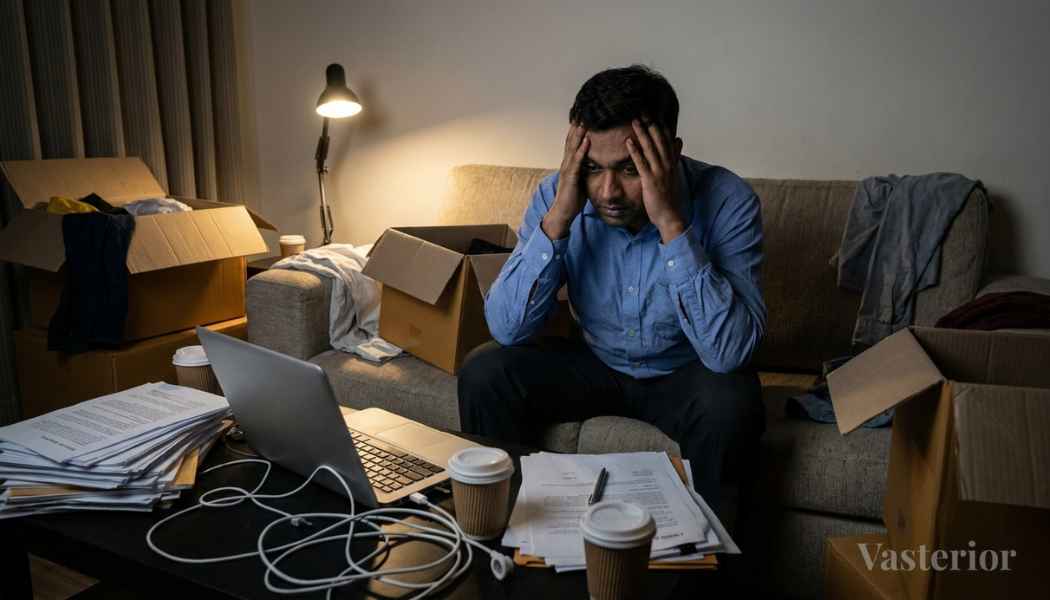
Most people only notice their environment when something feels wrong. Unfortunately, poorly designed spaces can create gradual challenges that accumulate over time. The effects are often subtle rather than dramatic.
A stressful layout may not cause immediate problems, but it can contribute to ongoing frustration.
An improperly designed bedroom may not eliminate sleep entirely, but it may reduce its quality.
A disconnected living environment may not destroy relationships, but it can limit opportunities for meaningful connection.
Over time, these small influences add up.
Stress Accumulates Quietly
The brain is constantly responding to environmental stimuli. Visual clutter, poor lighting, excessive noise, and inefficient layouts can keep the nervous system in a heightened state of alertness. Even low levels of continuous stress can affect mood, energy, and resilience.
Reduced Focus and Productivity
Many people assume concentration is purely a matter of discipline. However, environment plays a major role. Distractions embedded within the physical space often compete for mental attention, reducing efficiency and increasing cognitive fatigue.
Relationship Friction
When homes lack functional organisation, family members may experience repeated frustrations. These frustrations may seem unrelated to design at first glance. However, crowded layouts, insufficient storage, lack of privacy, and poorly planned common areas often contribute to unnecessary tension. The environment becomes a silent participant in daily interactions.
Emotional Exhaustion
Spaces that constantly demand attention can drain emotional energy. The result is a feeling that many people struggle to describe. They know something feels "off," yet they cannot identify the source. Often, the issue lies not within the individual but within the environment itself. Recognising this connection is the first step towards meaningful improvement.
Designing Spaces That Support Better Living
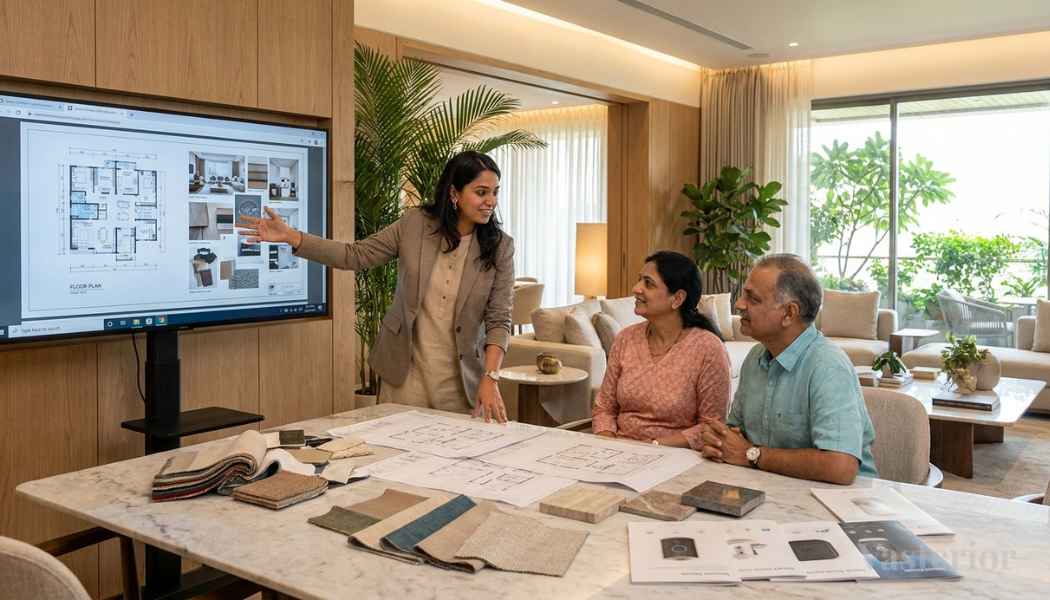
The good news is that creating a more supportive environment does not always require a complete renovation. Small intentional changes can produce noticeable results. Here are several practical strategies that homeowners can implement immediately.
Create a Restorative Bedroom
- Reduce visual clutter around the bed
- Minimise electronic distractions
- Choose calming colours and textures
- Prioritise quality lighting
- Maintain clear pathways around furniture
- Introduce natural materials where possible
Reimagine the Living Room
Optimise Your Workspace
Reimagine the Living Room
- Arrange seating to encourage conversation
- Create balanced focal points
- Avoid overcrowding with excessive decor
- Ensure comfortable circulation throughout the space
- Introduce layered lighting for different moods
Optimise Your Workspace
Optimise Your Workspace
- Position the desk in a way that feels empowering and comfortable
- Reduce unnecessary visual distractions
- Incorporate natural light whenever possible
- Use organised storage systems
- Keep frequently used items easily accessible
Embrace Thoughtful Decluttering
Decluttering is not about owning less. It is about ensuring every element within a space serves a meaningful purpose. Ask yourself:
Embrace Thoughtful Decluttering & Enhance Natural Light
- Does this item add value?
- Does it contribute to functionality?
- Does it support the atmosphere I want to create?
When the answer is no, it may be time to reconsider its place within the environment.
Enhance Natural Light
Simple improvements can make a significant difference:
Apply Vastu-Inspired Improvements
Modern Vastu is not about superstition. It is about understanding how spatial arrangement influences human experience. Some practical considerations include:
- Maintaining balance within key zones of the home
- Encouraging smooth movement throughout spaces
- Supporting clarity and organisation
- Aligning functions with appropriate locations
- Reducing energetic and visual congestion
When combined with excellent interior design, these principles can create environments that feel both luxurious and deeply supportive.
A Quick Home Harmony Checklist
Before making major design decisions, ask yourself:
The Future of Interior Design Is Human-Centred
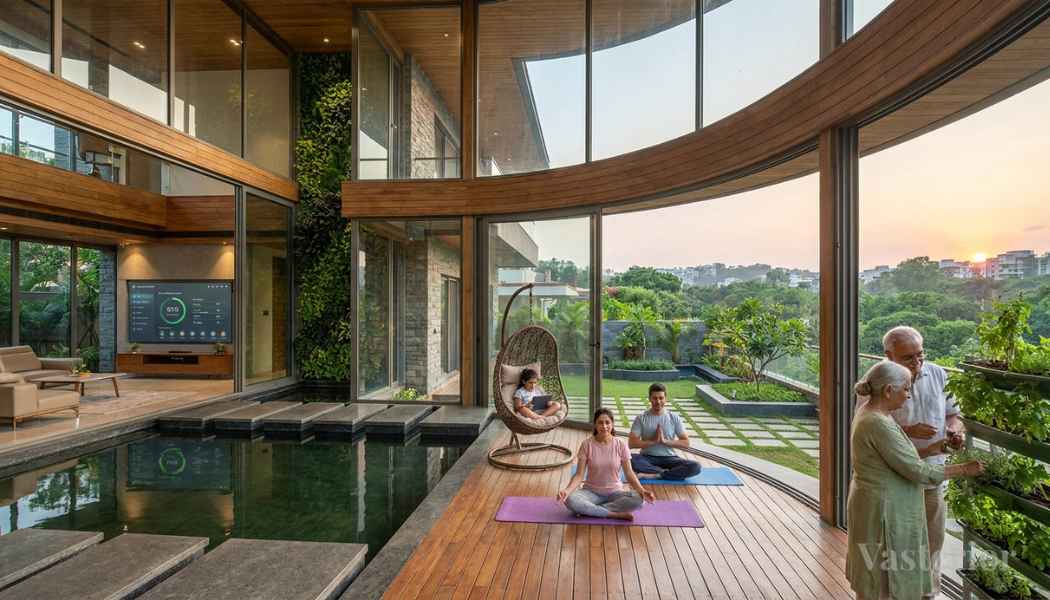
For decades, interior design was largely evaluated through the lens of aesthetics. Today, a new perspective is emerging. People are no longer asking only how a space looks. They are asking how it feels. They want homes that support wellness, productivity, emotional balance, and meaningful living.
This shift is redefining the future of luxury interiors.
True luxury is no longer measured solely by expensive materials or impressive square footage.
Instead, it is increasingly defined by how effectively a space supports the people within it.
Human-centred design focuses on:
- Emotional wellbeing
- Mental clarity
- Physical comfort
- Relationship enhancement
- Personal growth
- Long-term quality of life
This philosophy aligns closely with the vision behind Vasterior.
We believe exceptional spaces should do more than impress visitors.
They should enrich everyday experiences.
By combining thoughtful interior design with spatial intelligence and Vastu-informed insights, it becomes possible to create homes that feel beautiful, purposeful, and profoundly supportive.
Conclusion
The spaces we inhabit influence us far more than we often realise.
They quietly shape how we communicate, how we rest, how we think, and how we make decisions.
A well-designed home can nurture stronger relationships, support restorative sleep, encourage mental clarity, and create an environment where life feels more balanced and intentional.
Conversely, spaces that lack harmony, organisation, or thoughtful planning can gradually contribute to stress, fatigue, and disconnection.
The most remarkable aspect of this relationship is that it unfolds silently.
Every room is constantly communicating with its occupants.
Every layout sends signals.
Every design choice influences experience.
When we begin to view our homes as active participants in our wellbeing rather than passive backdrops, we unlock entirely new possibilities for living.
A Thoughtful Next Step
If you've ever wondered why certain spaces energise you while others leave you feeling drained, the answer may lie in the hidden dynamics of your environment.
At Vasterior, we explore the powerful relationship between design, spatial planning, human behaviour, and Vastu principles to create homes that support both luxury and wellbeing.
For those seeking a deeper understanding of how their spaces may be influencing everyday experiences, relationships, sleep quality, and personal growth, a conversation with our team could offer valuable insights. Connect with us at +91 9100883355 or write to info@vasterior.com to begin exploring what your space may be quietly telling you.
Frequently Asked Questions
1. Can the design of a home really affect relationships?
Yes. The design and layout of a home can significantly influence how people interact. Spaces that encourage face-to-face communication, shared activities, and comfortable social engagement often strengthen relationships. Conversely, layouts that isolate family members or create constant interruptions can reduce meaningful interaction. Thoughtful design helps create an environment where communication, trust, and connection can naturally flourish.
2. How does interior design impact mental health?
Interior design affects mental health through factors such as lighting, organisation, colour, acoustics, and spatial flow. Well-designed environments can reduce stress, improve focus, enhance mood, and support emotional wellbeing. Poorly planned spaces may contribute to anxiety, overstimulation, and mental fatigue. The environment continuously interacts with the brain, influencing emotional and psychological responses throughout the day.
3. What is environmental psychology in interior design?
Environmental psychology is the study of how physical environments influence human behaviour and emotions. In interior design, it examines how elements such as lighting, layouts, colours, and spatial organisation affect wellbeing, productivity, decision-making, and social interactions. It provides scientific insight into why certain spaces feel comfortable, energising, or stressful.
4. Why do some homes feel peaceful while others feel stressful?
Peaceful homes often have balanced layouts, adequate natural light, organised spaces, and harmonious design elements. Stressful homes may contain clutter, poor circulation, visual chaos, or insufficient lighting. The human brain constantly processes environmental cues, and these factors influence emotional responses, often without conscious awareness.
5. Can Vastu improve sleep quality?
Vastu principles aim to create balance and harmony within living spaces. Many recommendations related to bedroom placement, orientation, and organisation align with modern wellness-focused design practices. While individual experiences vary, applying Vastu-informed design strategies may contribute to a more calming and restorative sleeping environment.
6. How does clutter affect decision-making?
Clutter increases cognitive load by forcing the brain to process more visual information. This additional mental effort can contribute to decision fatigue, reduced focus, and decreased productivity. Organised spaces help simplify information processing, allowing individuals to think more clearly and make decisions more efficiently.
7. Is luxury interior design compatible with Vastu principles?
Absolutely. Modern luxury design and Vastu principles can work together seamlessly. Contemporary Vastu focuses on spatial balance, functionality, and positive energy flow, which complement sophisticated aesthetics and personalised design solutions. The result is a home that feels both elegant and supportive.
8. How can bedroom design influence emotional wellbeing?
Bedrooms are deeply connected to relaxation, recovery, and emotional restoration. Factors such as colour palettes, lighting, furniture arrangement, and clutter levels all influence how secure and comfortable occupants feel. A thoughtfully designed bedroom can support emotional balance and improve overall quality of life.
9. What role does natural light play in home design?
Natural light affects mood, energy levels, productivity, and sleep cycles. It helps regulate circadian rhythms and supports overall wellbeing. Homes designed to maximise natural light often feel more welcoming, spacious, and uplifting, making it one of the most valuable design elements available.
10. How can I make my home feel more balanced and harmonious?
Start by decluttering, improving natural light, creating clear movement pathways, and ensuring each room serves a clear purpose. Thoughtful furniture placement, calming colour palettes, and Vastu-informed spatial planning can further enhance harmony. Even small changes can have a noticeable impact on how a space feels and functions.