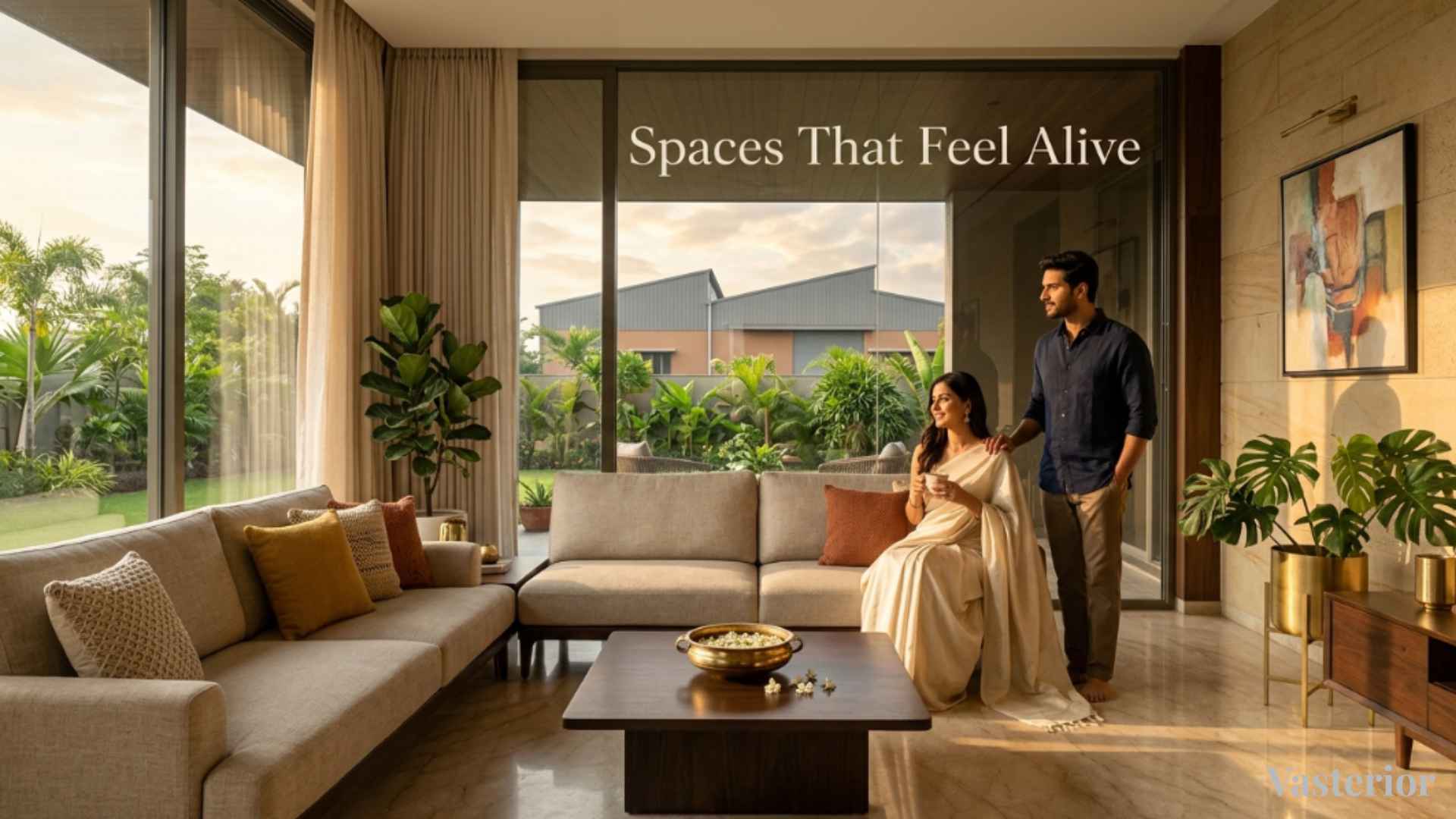
In today's fiercely competitive design landscape, interior spaces are being judged by far more than their visual appeal alone. A room can feature marble finishes, statement chandeliers, imported furniture, and luxury labels—yet still leave people feeling emotionally exhausted. An office with world-class design may struggle with low productivity, constant tension, and creative burnout. A restaurant designed for pure aesthetics often fails to create genuine emotional warmth.
This revelation has sparked a fundamental shift in how we approach interior design.
People are beginning to realise something profound: A space can look beautiful and still feel wrong.
This awareness has given rise to energy-conscious interior design, a movement that transcends decoration. It is about creating environments that actively support emotional clarity, mental peace, abundance, productivity, harmony, and genuine human well-being through intentional spatial alignment.
And this change was inevitable.
Gen Z and younger millennials are no longer impressed by hollow luxury. They want spaces that feel authentically aligned with who they are. Homes that calm anxiety rather than trigger it. Offices that inspire clarity instead of exhaustion. Studios that energise creativity. Restaurants that feel alive. Factories that operate in synchronised harmony rather than chaotic discord.
People want interiors with soul.
This is where brands like Vasterior are reshaping the conversation around modern design by seamlessly merging luxury aesthetics with the deeper science of MahaVastu and spatial energy alignment.
Because the future of interiors is no longer just visual.
It is vibrational.
What Is Energy-Conscious Interior Design?
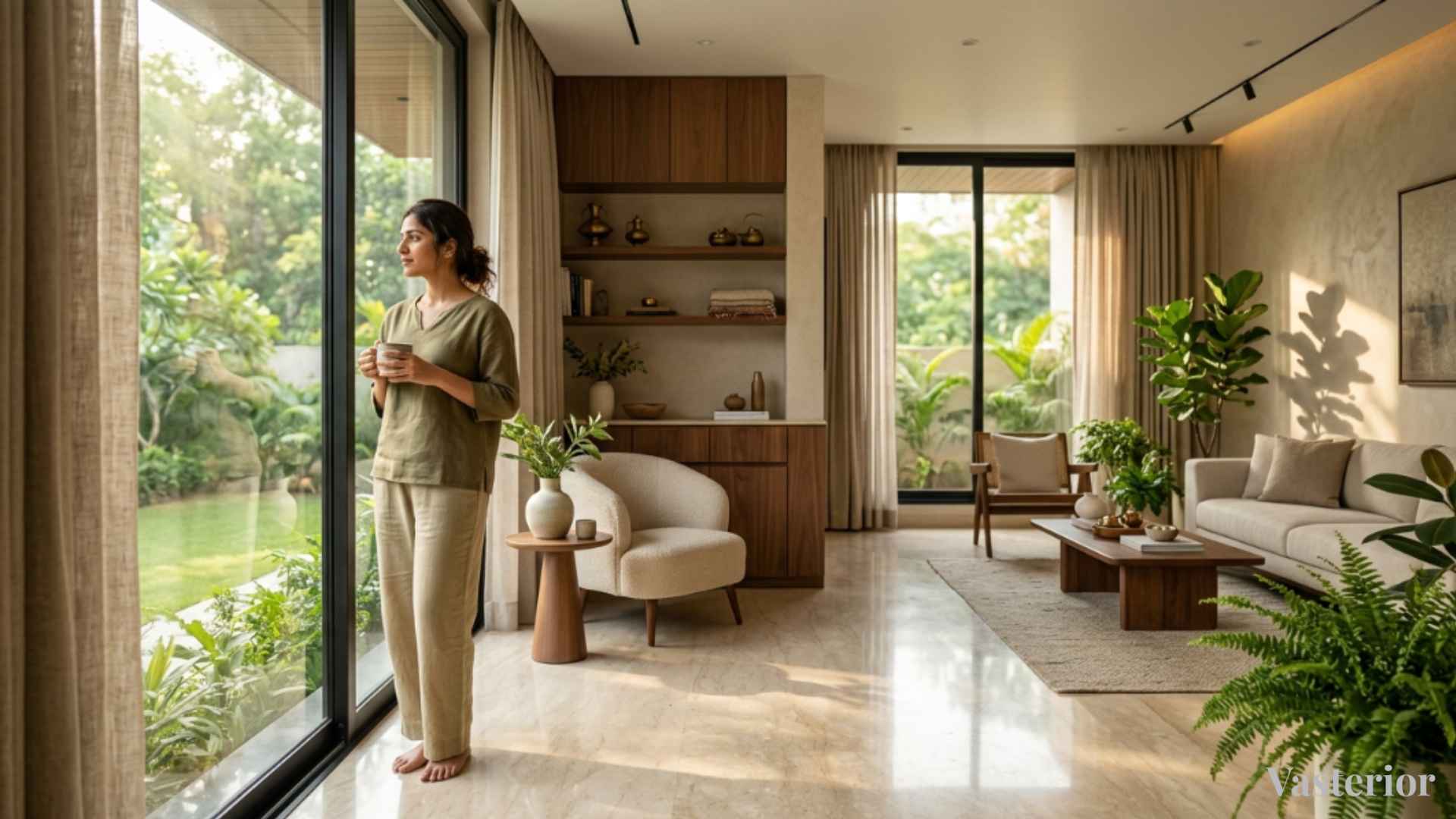
Energy-conscious interior design is the intentional creation of spaces that positively influence the emotional, psychological, spiritual, and energetic state of the people using them.
It considers how architecture, layout, colour frequencies, directional energy, lighting, textures, materials, movement flow, and spatial orientation affect human experience. Unlike traditional interior styling, this philosophy asks much deeper questions:
- How does this room make someone feel after spending three hours in it?
- Does this office support focus and decision-making?
- Does this bedroom calm the nervous system?
- Does this factory encourage operational flow or energetic friction?
- Can the layout support prosperity and emotional stability simultaneously?
Energy-conscious design treats a space like a living ecosystem rather than a decorative shell.
And surprisingly, science is beginning to support what ancient spatial systems understood centuries ago. Environmental psychology has repeatedly shown that lighting, colour temperature, clutter density, spatial openness, and directional exposure affect human mood, productivity, emotional regulation, and cognitive performance.
MahaVastu takes this understanding even deeper by analysing the energetic intelligence of directional zones and their influence on different aspects of life. When combined thoughtfully, modern luxury interiors and MahaVastu principles create spaces that are not only visually extraordinary but emotionally transformative.
Why Younger Generations Are Drawn Towards Conscious Spaces
The obsession with intentional living is not random. Younger generations have grown up in environments overloaded with digital noise, overstimulation, and emotional fatigue.
Constant screen exposure, social pressure, urban congestion, and hyper-productivity culture have made emotional exhaustion feel normal. Naturally, people are craving spaces that restore and rejuvenate them.
This explains why concepts like mindful living, wellness interiors, biophilic design, meditation corners, natural textures, grounding colours, and energy alignment are becoming central to luxury design conversations. Aesthetic minimalism alone is no longer enough.
- People want emotional functionality in their spaces
- A luxurious living room balances Italian furniture with meaningful conversations and emotional warmth
- A successful workspace combines sleek design with enhanced focus, confidence, and momentum
- Luxury is becoming less performative and more experiential
This emotional shift is fundamentally redefining the meaning of luxury itself. Luxury is becoming less about impressing others and more about creating genuine, restorative experiences that support well-being.
The Psychology Of Spatial Energy
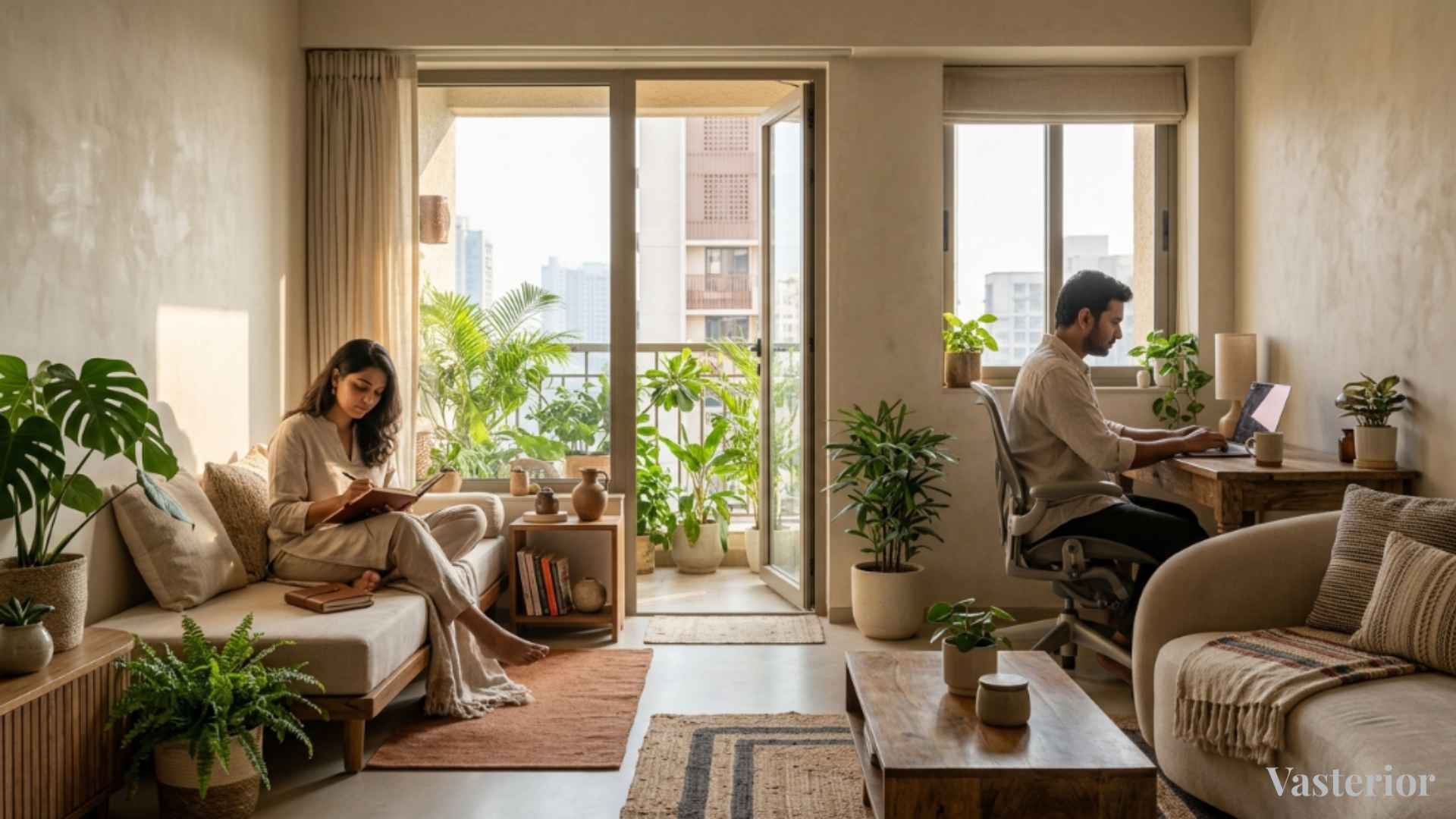
Every space carries a frequency. Even before someone consciously observes a room, their nervous system reacts to it.
Humans intuitively absorb environmental cues through lighting, geometry, colour balance, air circulation, sound behaviour, and spatial openness. That is why certain places instantly feel calming while others feel draining without obvious explanation.
- A cluttered room often creates mental agitation
- Harsh artificial lighting can elevate stress levels
- Poor directional balance may subtly affect emotional stability
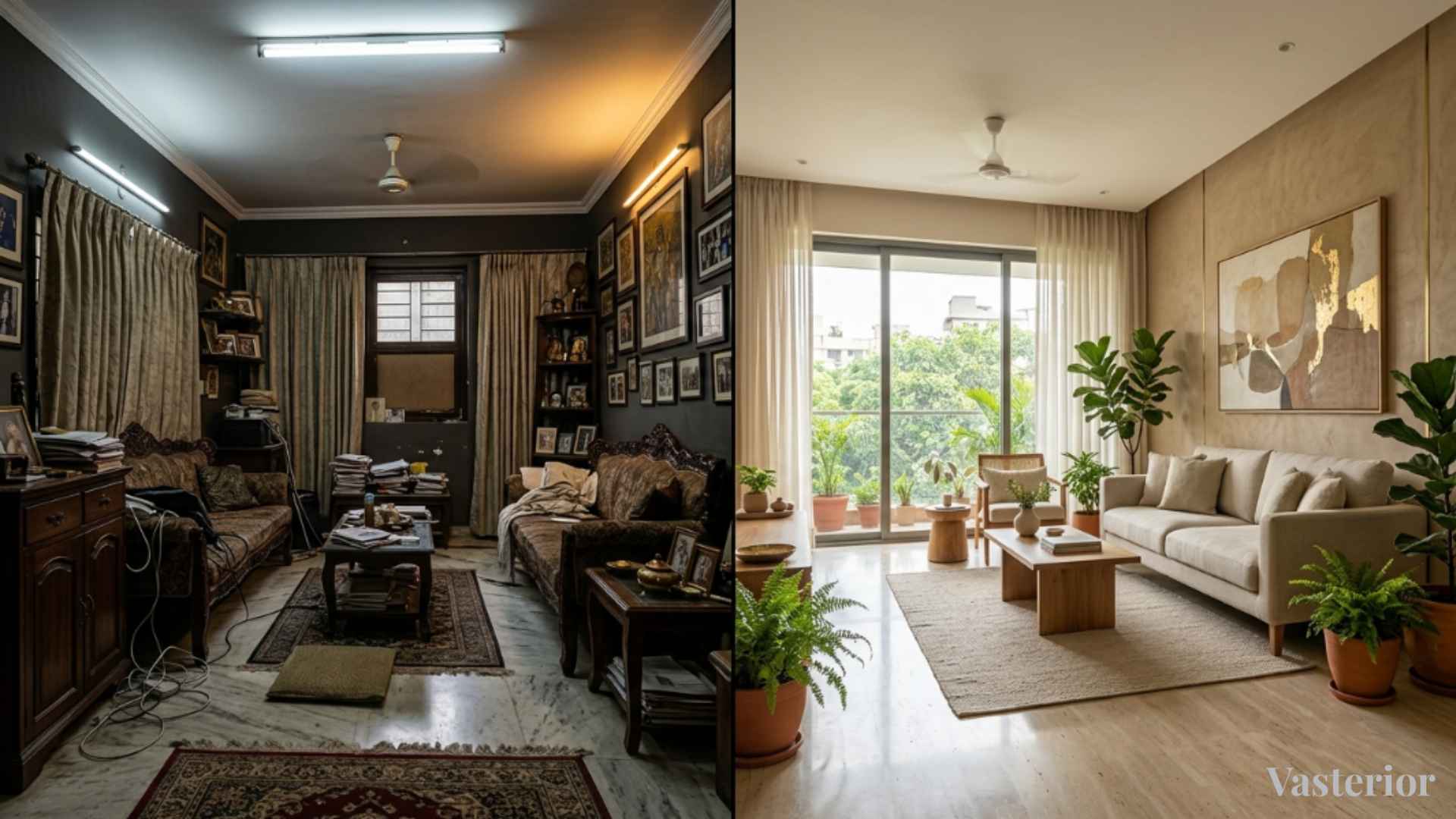
- Dark congested layouts can suppress motivation and clarity
Meanwhile, thoughtfully aligned interiors can create remarkable shifts in behaviour and mood:
Natural light increases serotonin activity and supports mood regulation. Balanced proportions improve cognitive comfort and spatial ease. Grounded textures create emotional safety and instinctive calm. Directional harmony enhances mental clarity and decision-making capacity.
When energy-conscious design is executed properly, the effects are often deeply noticeable yet difficult to explain logically. People simply say: 'This space feels good.' And that feeling matters more than most realise.
The Role Of MahaVastu In Modern Interior Design
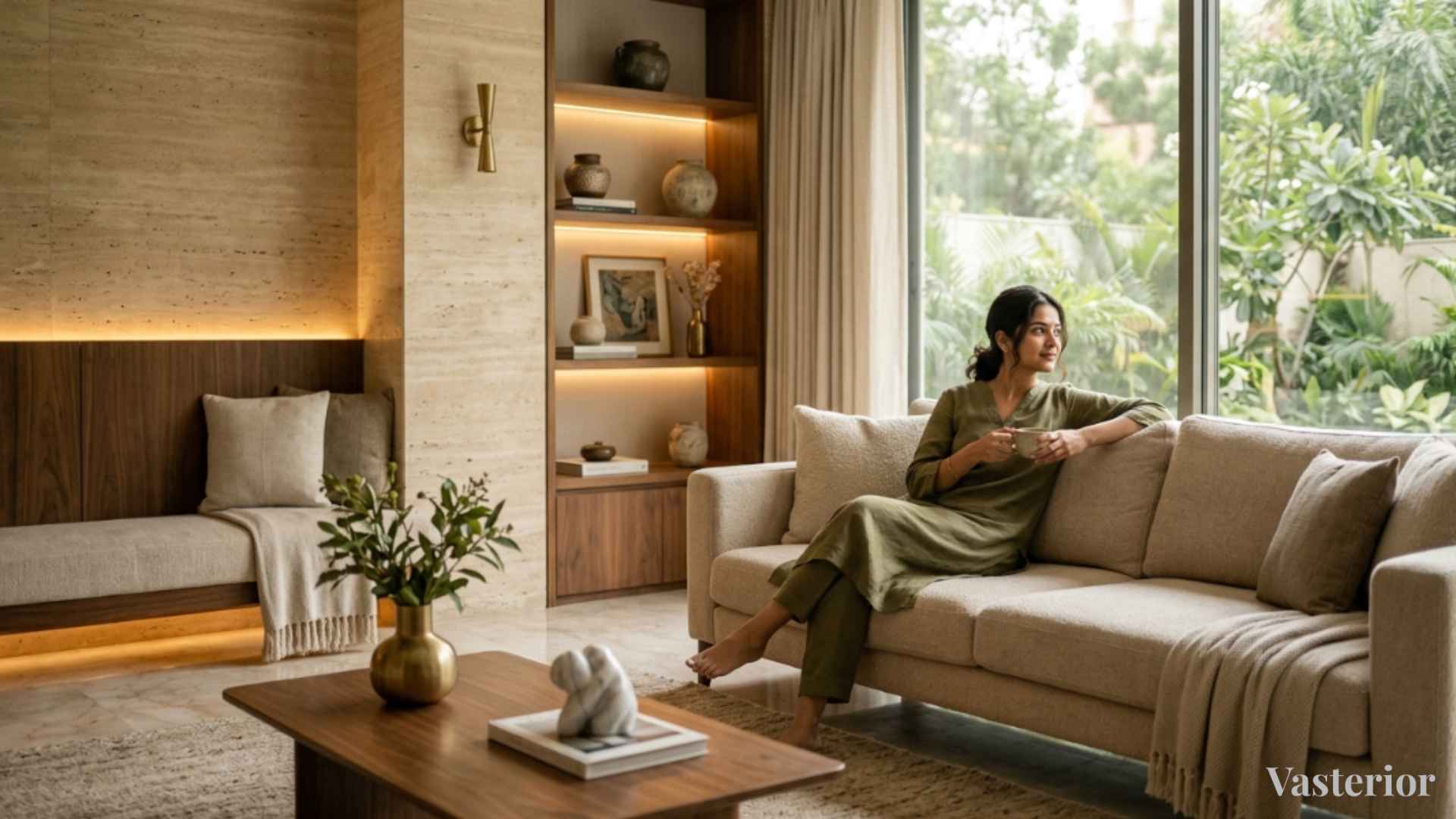
MahaVastu is not superstition wrapped in aesthetics. It is a sophisticated spatial science rooted in directional energies and environmental alignment.
Each direction within a structure corresponds to specific energetic influences. Understanding these directional properties allows designers to intentionally shape spaces that support human goals and well-being.
- North is associated with opportunities, financial flow, and professional advancement
- South-West relates to stability, relationships, grounding, and long-term foundation
- East governs social connectivity, growth, fresh energy, and positive momentum
- North-East is linked to clarity, wisdom, learning, and spiritual harmony
When these zones are balanced intentionally through design, placement, colour, function allocation, and structural orientation, spaces begin supporting human goals more naturally.
Modern luxury brands like Vasterior are pioneering a more evolved application of these principles by integrating MahaVastu seamlessly into contemporary interiors without compromising sophistication or modern aesthetics. This matters because many people hesitate around Vastu due to outdated stereotypes involving overly traditional aesthetics.
That perception is changing rapidly. Today, energy-aligned interiors can still feel modern, luxurious, minimal, artistic, and globally inspired while maintaining powerful energetic intelligence beneath the surface. That balance is where true design mastery exists.
Colours Are Frequencies, Not Just Decoration
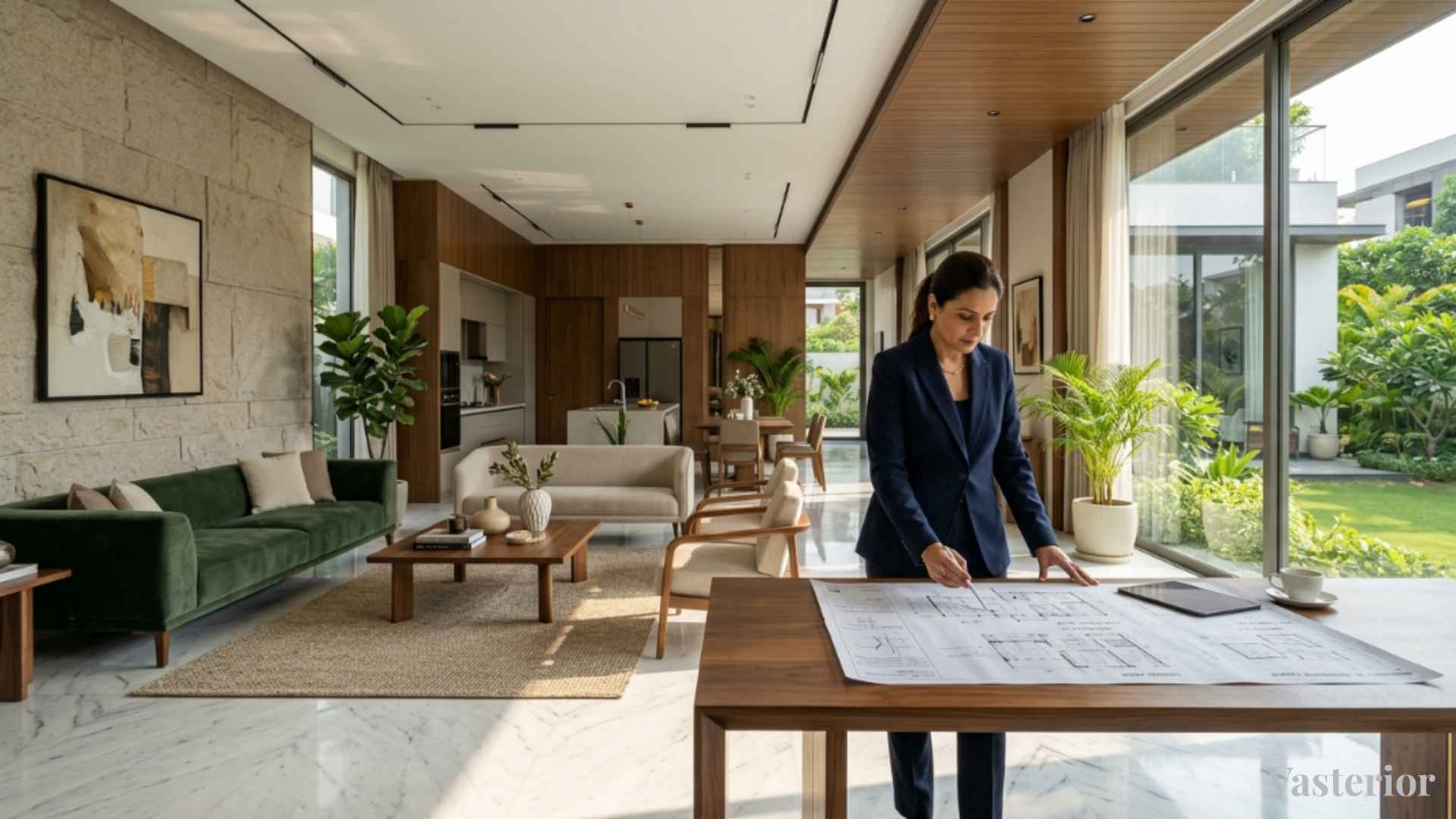
Most people choose colours emotionally. Energy-conscious design chooses them strategically and with deep intentionality.
Every colour carries a psychological and energetic frequency that affects behaviour, mood, perception, spatial experience, and emotional response. In energy-conscious interiors, colours are selected not only for visual beauty but also for directional compatibility and energetic resonance.
- Soft earthy tones create grounding and natural stability
- Deep blues encourage reflection, calm, and emotional stability
- Muted greens support balance, healing, and growth energy
- Warm neutrals create emotional comfort and welcoming environments
- Gold accents stimulate abundance consciousness when used strategically
Meanwhile, excessive use of harsh reds or chaotic contrasts may increase agitation and emotional overstimulation.
This becomes especially important in large commercial and industrial spaces where environmental energy directly affects operational flow, employee well-being, and overall business performance. The colour palette of a factory shed or warehouse influences worker mood, safety awareness, and productivity in measurable ways.
Energy Alignment In Factory Sheds And Industrial Spaces
One of the most overlooked conversations in modern design is industrial energy alignment. Factories are often treated purely as functional structures with minimal attention given to energetic architecture.
Yet these spaces carry enormous operational intensity. The movement of labour, machinery, raw materials, financial transactions, and decision-making creates a powerful energetic ecosystem that significantly influences how efficiently the facility operates.
- Misaligned industrial spaces experience repeated operational friction
- Workforce instability and communication breakdowns become frequent
- Workflow inefficiencies compound over time
- Decision-making becomes slower and less intuitive
- Overall operational stagnation becomes noticeable
This is where energy-conscious industrial design becomes deeply significant. When factory sheds, manufacturing units, and logistics hubs are designed with proper directional alignment, weight distribution, shed slope orientation, and colour strategy, the operational results are measurable.
Businesses report improved workflow coordination, reduced employee friction, enhanced productivity, and better decision-making environments. What was once attributed to management alone becomes supported by the physical space itself.
Luxury Is No Longer Loud
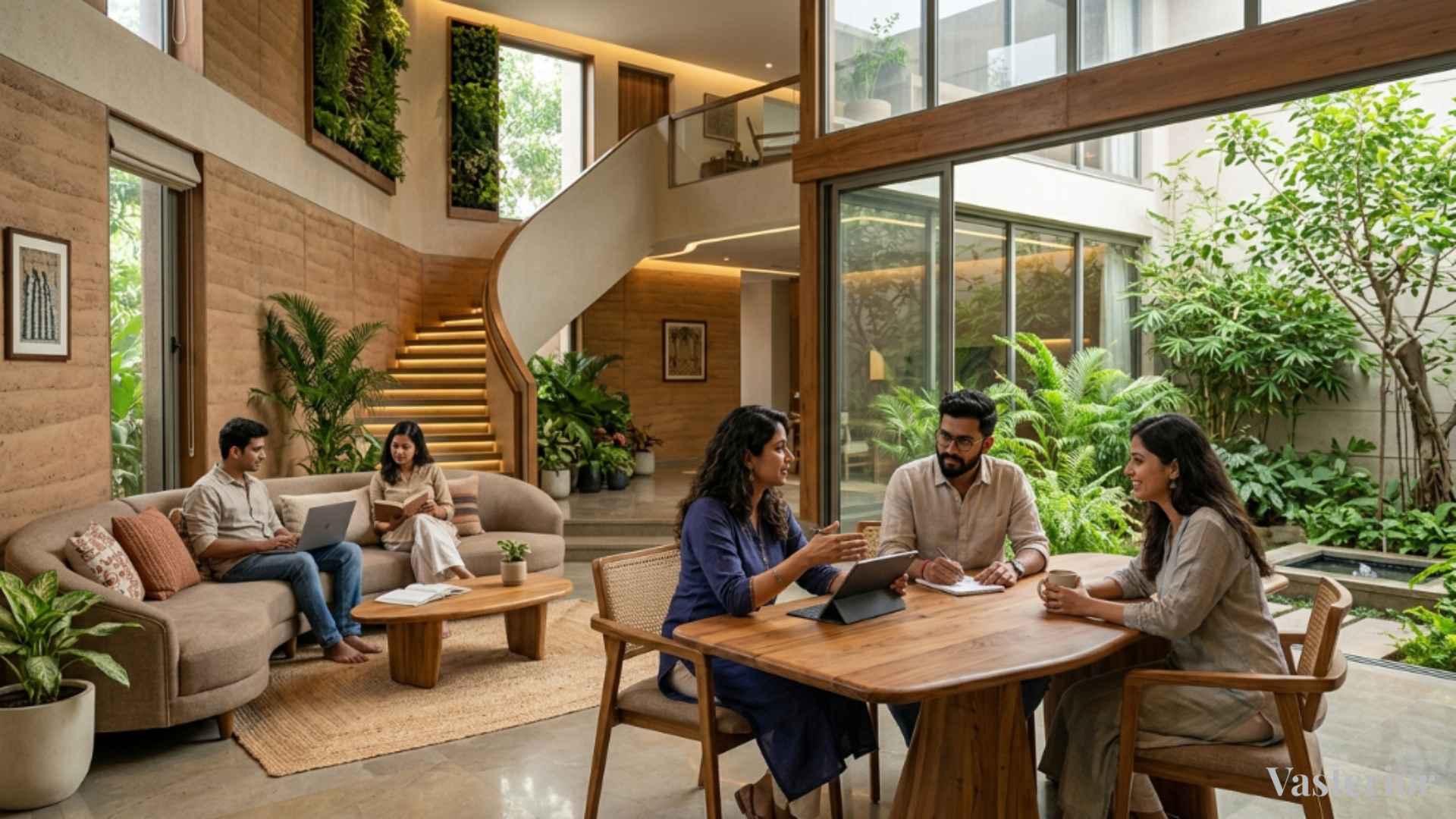
A fascinating shift happening across luxury design is the movement away from excess and overwhelming ornamentation.
People are becoming more emotionally sensitive to their environments. Overly cluttered grandeur is beginning to feel emotionally exhausting rather than aspirational. Energy-conscious luxury focuses on restraint, intentionality, emotional flow, and sensory harmony.
- The most powerful luxury interiors feel calm rather than overwhelming
- Natural light replaces excessive ornamentation and decoration
- Texture becomes more important than visual noise and clutter
- Breathing space becomes part of the design language
- Even silence becomes intentional and purposeful
This evolution reflects a deeper cultural truth. People no longer want homes that merely impress guests. They want spaces that heal them, support their goals, and create genuine emotional comfort. This shift from external validation to internal well-being is reshaping what luxury truly means.
The Future Of Interior Design Is Human-Centric
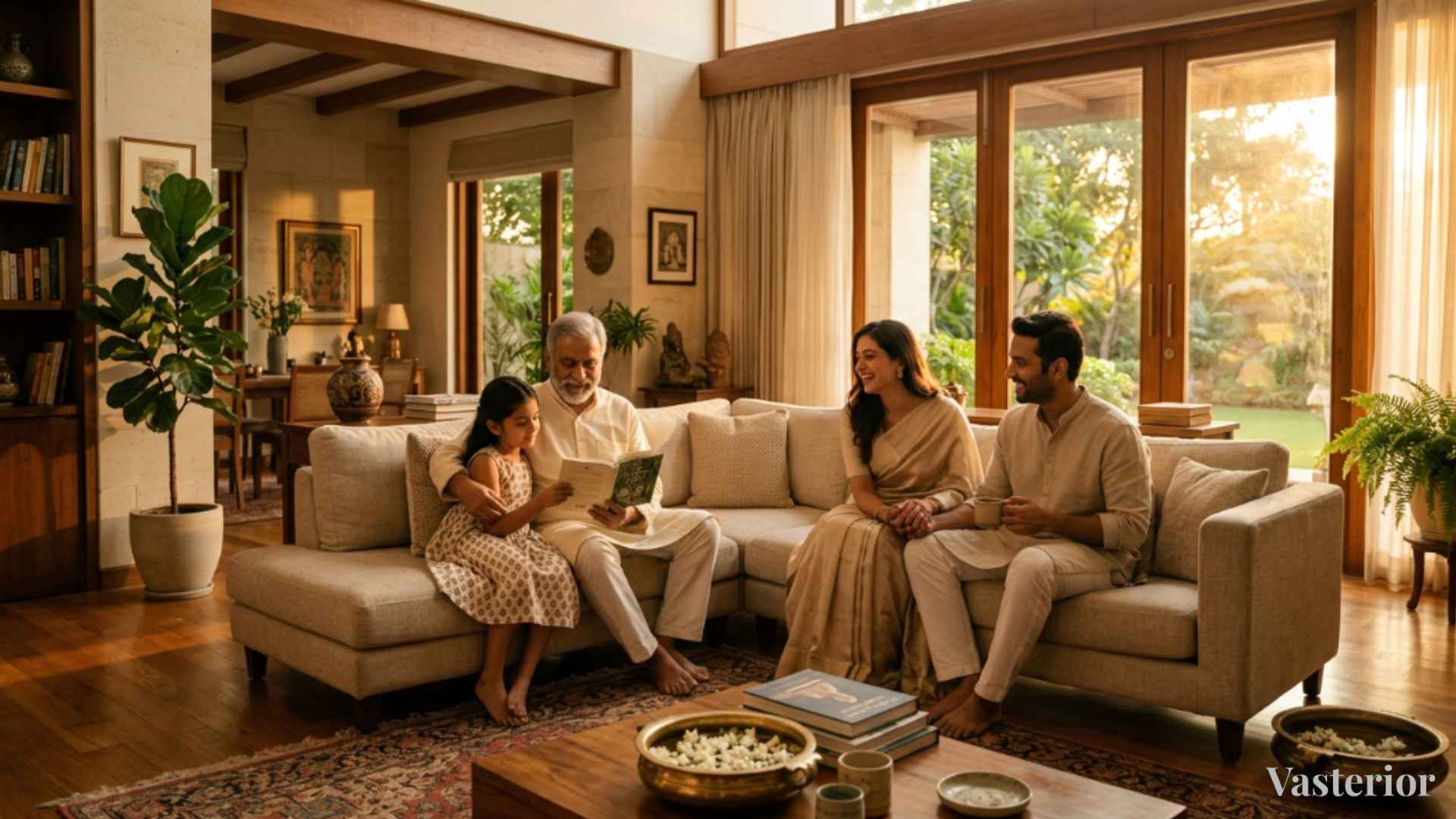
Design is becoming increasingly psychological, wellness-focused, and emotionally intelligent. The future of interiors will not be led only by aesthetics but by emotional intelligence, wellness integration, energetic balance, and conscious functionality.
We are entering an era where people will ask: 'How does this space support my life?' rather than 'How expensive does this look?'
This shift is already visible across luxury residences, wellness resorts, mindful offices, creative studios, boutique hospitality spaces, and industrial infrastructure. Spatial alignment is no longer a niche conversation. It is becoming a defining characteristic of future-ready environments.
- Residential spaces prioritise emotional well-being alongside luxury finishes
- Commercial offices integrate wellness and focus-enhancing design
- Industrial facilities consider worker experience and operational harmony
- Hospitality spaces balance aesthetics with genuine warmth and energy
- Creative studios support inspiration through intentional spatial design
Brands like Vasterior are helping lead this transformation by creating spaces that merge timeless elegance with energetic awareness and modern design sophistication. Because ultimately, truly exceptional interiors do more than decorate a structure. They influence how people think, feel, connect, create, rest, and grow within it.
Why Energy-Conscious Design Is Here To Stay
Trends fade when they are superficial. This movement is different because it responds to something deeply human.
People are emotionally tired of disconnected spaces. They want environments that support peace without sacrificing ambition. They want beauty with purpose. Luxury with emotional depth. Interiors that feel alive rather than staged.
- Energy-conscious design acknowledges that spaces shape human experience profoundly
- A well-aligned room can shift emotional energy and improve mood
- A balanced workspace can improve clarity and decision-making
- An intentionally designed factory can influence operational rhythm
- A conscious home can quietly support relationships, focus, health, and abundance
Energy-conscious design answers the human need for authentic, supportive environments beautifully. That is not merely design. That is spatial transformation.
And perhaps that is the future we were always moving towards. A world where spaces are not designed simply to be seen. But designed to be deeply felt.