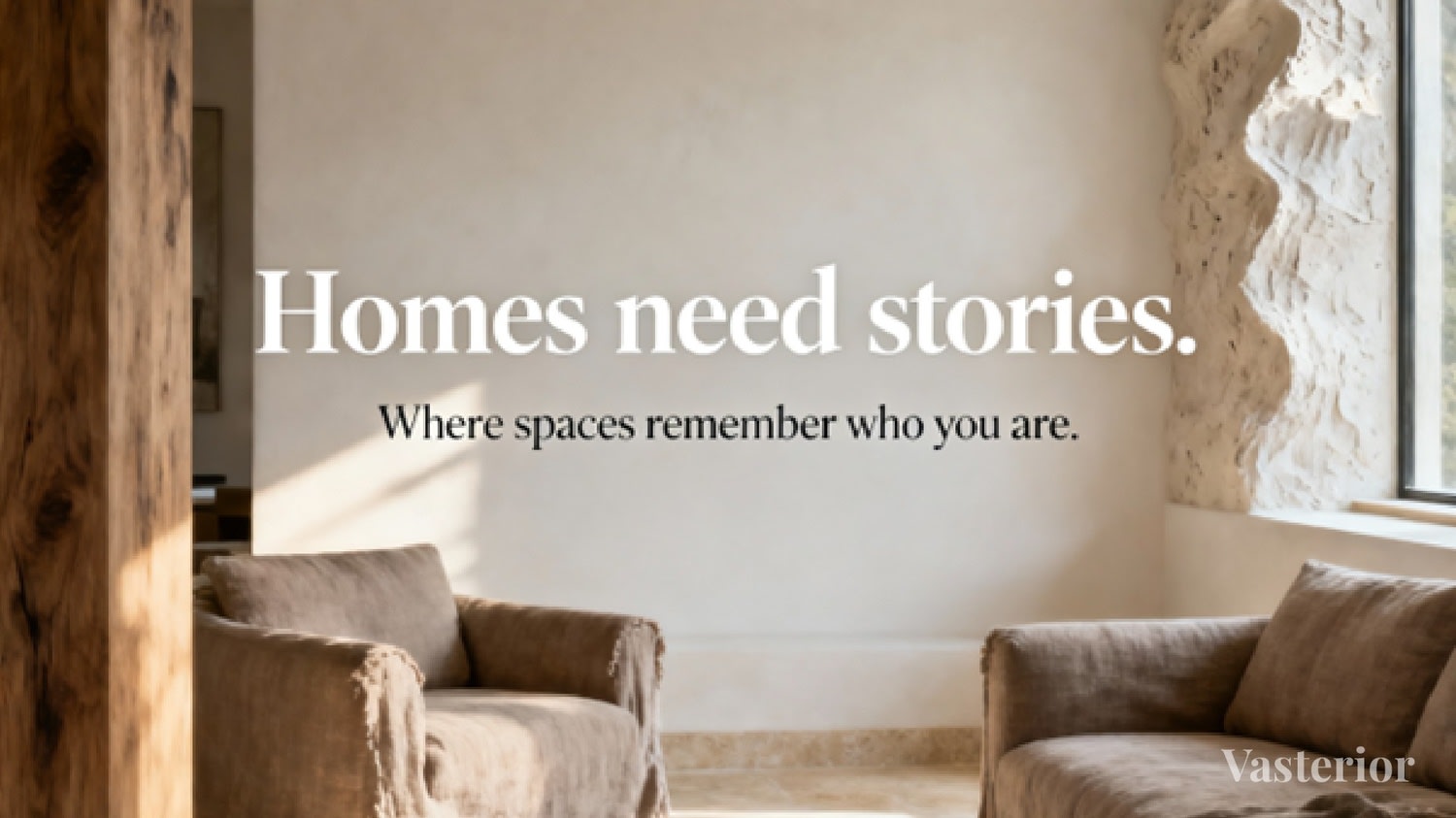
Most homes today are designed to impress strangers.
They are planned for resale value, visual approval, and momentary admiration. Clean lines. Neutral palettes. Trend-forward finishes. Everything looks correct, sometimes even beautiful, yet something remains missing.
What's often absent is recognition.
Recognition of the people who live there. Recognition of the lives unfolding within those walls. Recognition of memory, transition, and identity.
At Vasterior, we believe homes are not meant to be anonymous containers. They are meant to be living narratives quietly holding who you are, where you've been, and how you are evolving.
This is why homes need stories. And why design, at its highest level, is never just about how a space looks, but about what it remembers.
When Homes Stop Being Personal
If you look closely, many modern homes look uncannily similar.
The same layouts. The same materials. The same borrowed ideas from Pinterest boards and real estate brochures.
There is nothing inherently wrong with this. Trends exist for a reason. They reflect a collective aesthetic moment. But when trends become the starting point instead of the reference, homes begin to lose their voice.
They stop responding to the people who live inside them.
A home designed purely for visual consumption often feels strangely hollow. It photographs well. It hosts well. Yet it does not always hold well.
People sense this intuitively. They describe it in simple language:
- "Something feels off."
- "It doesn't feel like me yet."
- "I like it, but I don't feel settled."
What they are responding to is not a design flaw. It is a lack of personal narrative.
Homes as Living Archives
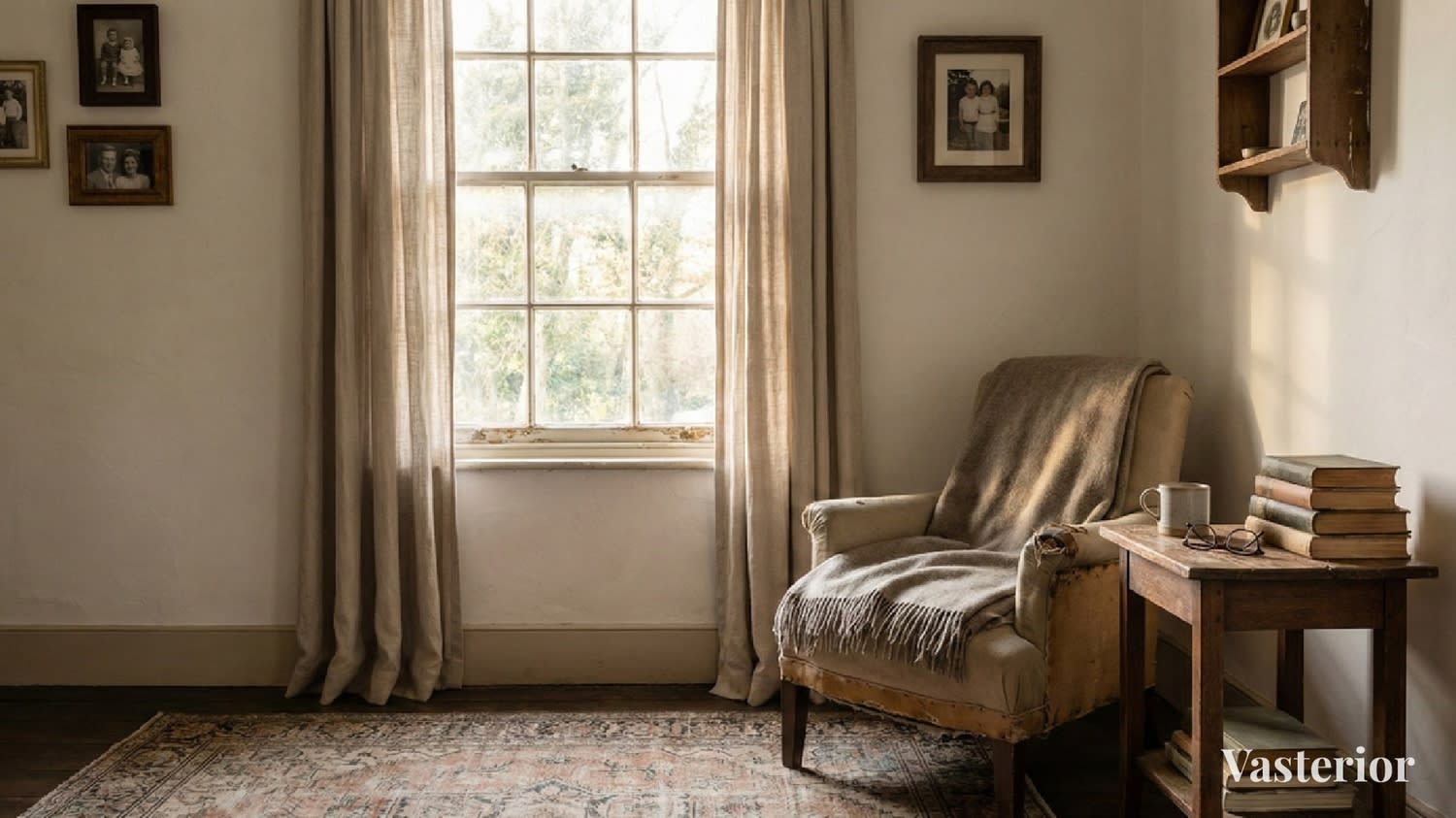
Every meaningful space functions like an archive.
Not in an obvious way. Not through display or decoration alone. But through subtle cues, light, proportion, movement, and material.
Think about the homes you remember most vividly.
Often, they were not perfect. Some were old. Some were modest. Some were even impractical. And yet, they stayed with you.
Why?
Because they held memory.
A corner where conversations happened repeatedly. A window associated with a certain time of day. A dining table that witnessed more than just meals.
Homes absorb routines, emotional patterns, and transitions. Over time, these layers create a quiet familiarity, a sense of belonging that cannot be manufactured through surface aesthetics alone.
When design ignores this, homes may look new but feel emotionally vacant.
Why Trend-Driven Design Ages Quickly
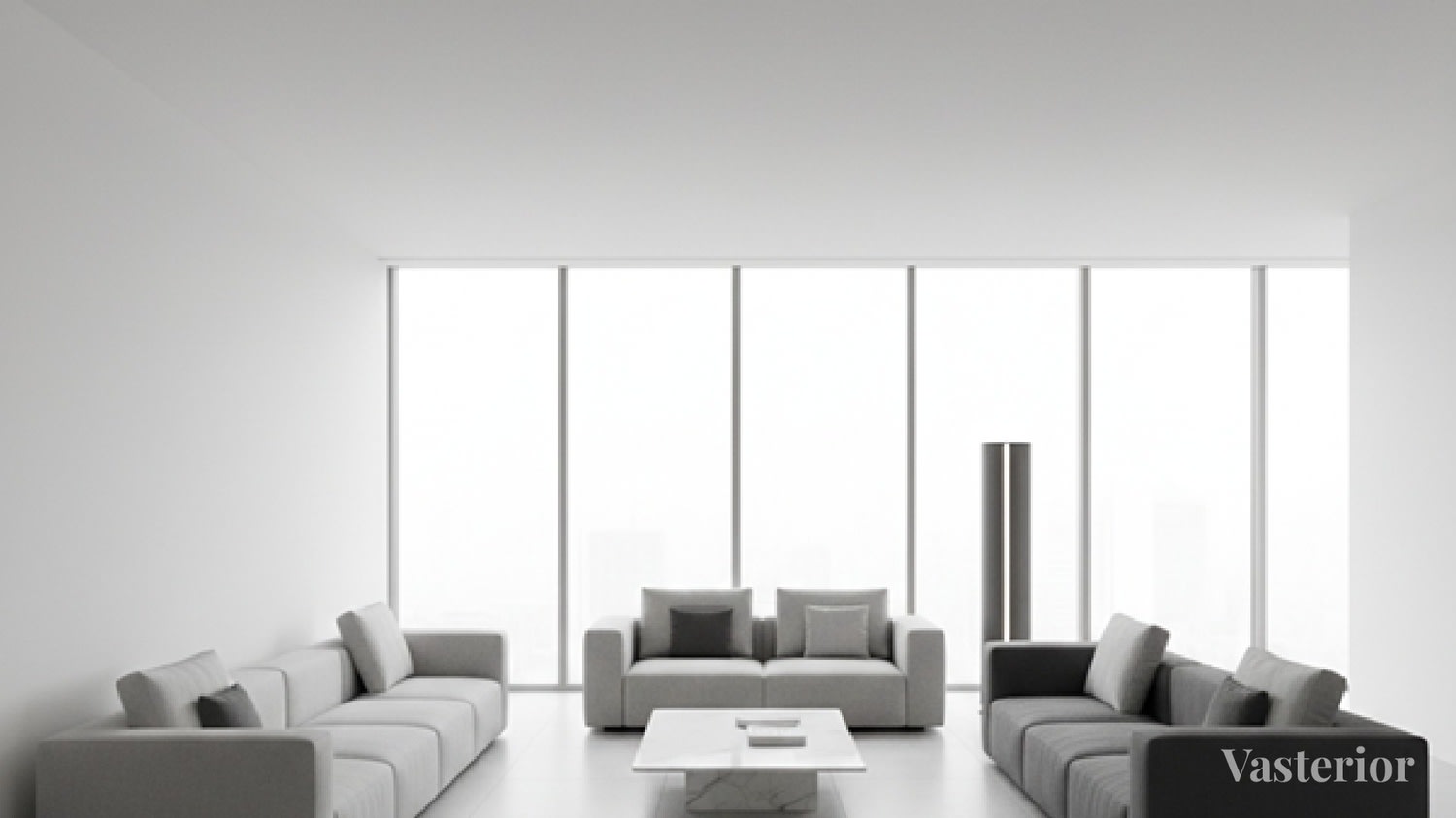
Trends are visually exciting. They signal modernity and relevance. But they are inherently external, borrowed from elsewhere, shaped by mass consumption, and designed to move on.
When homes are built entirely around trends:
- They age emotionally faster than they age physically.
- They stop resonating as the occupants evolve.
- They require constant updating to feel current.
This creates a subtle but persistent dissonance: the home remains static while the people inside change.
Story-led homes, on the other hand, age differently. They deepen. They settle. They gain character over time.
Not because they resist change, but because they were designed with identity as the anchor, not novelty.
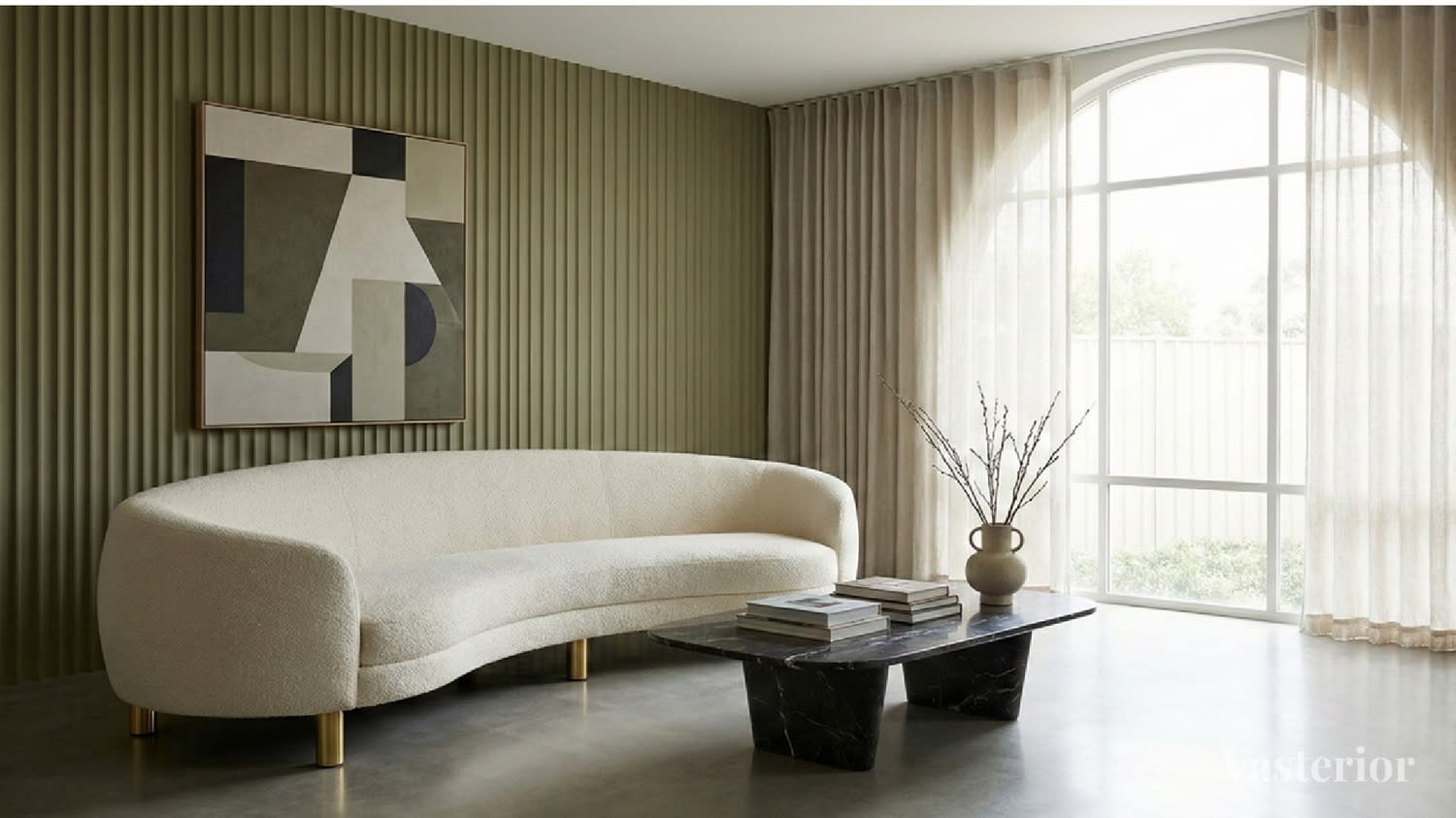
Designing for Identity, Not Just Function
Identity-based design begins with listening.
Not just to functional requirements, but to life patterns:
- How do you begin your day?
- Where do you naturally pause?
- Which parts of the home do you avoid, and why?
- What does comfort look like to you?
- What does growth look like at this stage of your life?
A home designed around identity understands that:
• A founder's home may need different spatial cues than a retiree's.
• A family in transition requires different emotional anchors than a newly built household.
• Luxury means different things to different people.
Good design does not impose a personality. It reveals one.
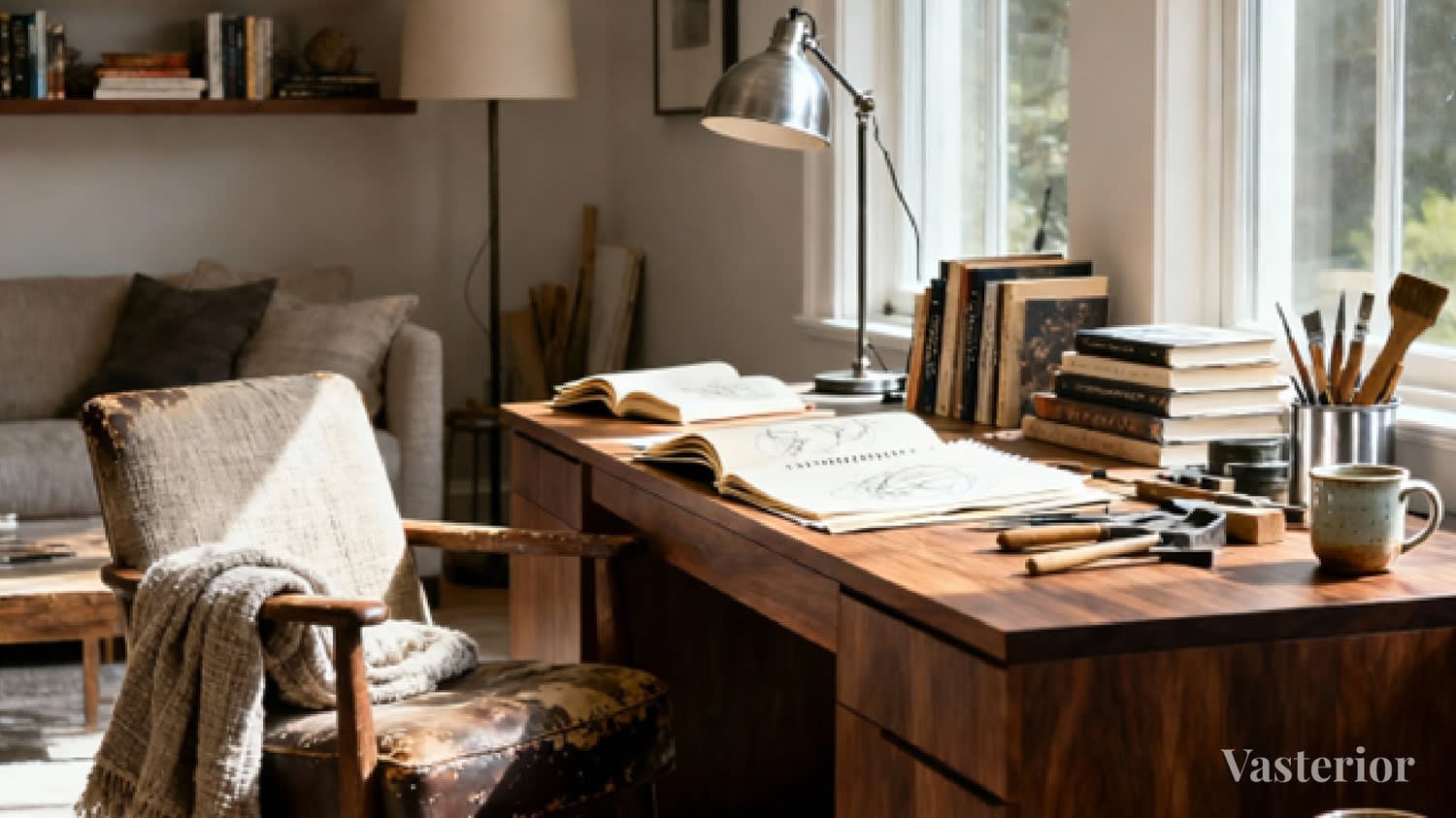
Memory, Meaning & Spatial Psychology
Certain spaces feel supportive without explanation. Others feel heavy without reason.
This is not coincidence.
Spatial psychology explains how light, scale, circulation, and materiality affect how we feel and remember. Our bodies register space long before our minds interpret it.
- Narrow passages can create urgency or discomfort.
- Poorly oriented light can drain energy.
- Imbalanced proportions can subconsciously induce restlessness.
- Overdesigned rooms can feel performative rather than restful.
Meaningful homes pay attention to these subtleties. They allow space to breathe. They create pauses. They support clarity rather than stimulation overload.
This is where spatial logic and alignment play a crucial role, not as belief systems, but as design intelligence rooted in observation and human behavior.
How Vasterior Approaches Story-Led Design
At Vasterior, we do not begin with materials or styles.
We begin with understanding.
Understanding the people. Understanding the rhythms of their life. Understanding what the space must support, not just today, but over time.
Our process is intentionally quiet. It involves:
- Observation before intervention
- Mapping daily movement and emotional zones
- Identifying where friction exists and where flow naturally occurs
- Translating intangible needs into tangible design decisions
This is not about imposing a signature style. It is about crafting a space that feels inevitable, as though it could not have been designed any other way.
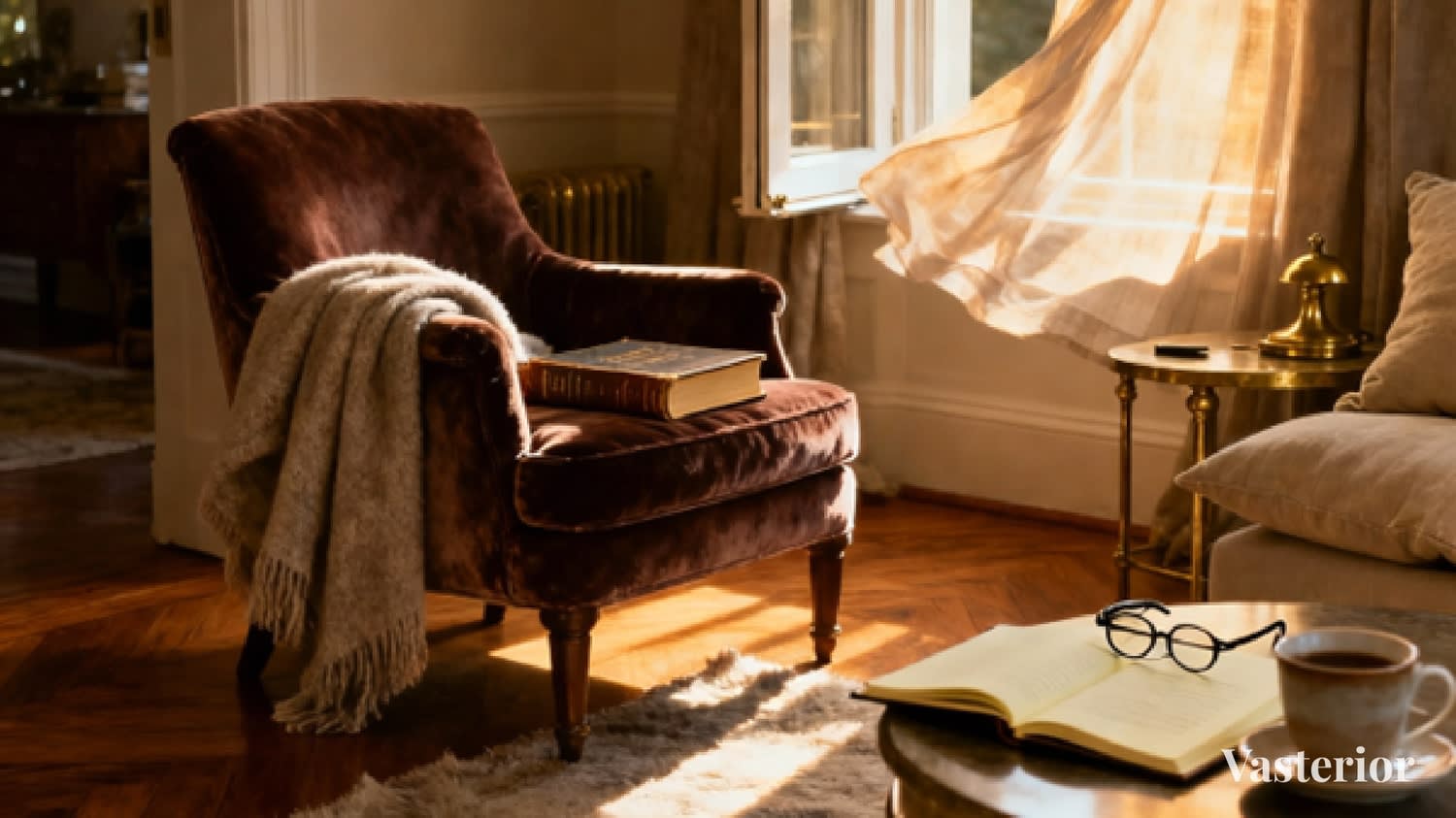
The Difference Between a House and a Home
A house is assembled.
A home is composed.
A house satisfies regulations, budgets, and layouts. A home responds to memory, intention, and life context.
This difference is subtle, but profound.
Homes designed with meaning:
- Support emotional regulation
- Encourage clarity and calm
- Feel grounded rather than performative
- Remain relevant across life phases
They do not demand constant attention. They quietly hold you, allowing life to unfold without resistance.
Designing for Life, Not for Applause
In an era of constant visual comparison, it is easy to design for approval.
But homes are not meant to compete. They are meant to contain.
Contain conversations. Contain silence. Contain growth.
When identity becomes the foundation of design, homes stop trying to impress and start to support.
They become places where people feel recognised, not just accommodated.
A Final Reflection
Years from now, when the furniture has shifted and the walls carry new marks, what will your space remember about you?
Will it reflect borrowed aesthetics, or lived intention?
Because long after trends fade, what remains is the story a home continues to tell.
And the most meaningful homes are the ones that tell it honestly.