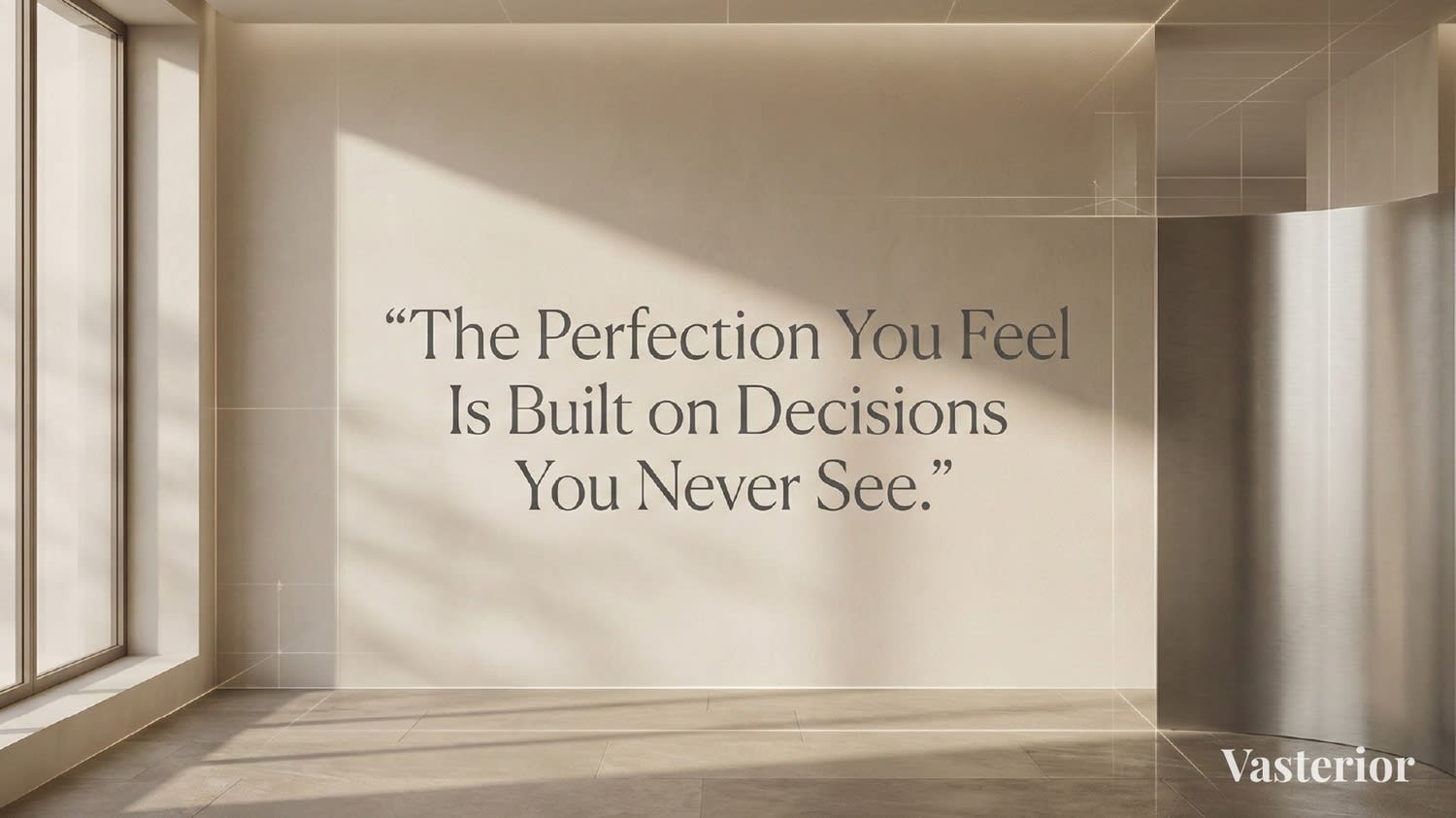
Walk into a truly refined space and you'll hear the same reactions again and again. "It feels calm." "Everything just works." "I don't know why, but this space feels right."
What clients often don't realise is that this sense of ease is not accidental. A perfect space is never the result of a single bold move, a hero material, or an expensive piece of furniture. It is the outcome of hundreds of micro-decisions, made quietly, methodically, and with intention long before the space is ever occupied.
At Vasterior, we often say that good design is visible, but great design is felt. And what is felt is almost always shaped by what remains unseen.
This is a look into those invisible layers, the decisions clients rarely witness, but experience every single day.
What Clients Notice vs. What Truly Matters
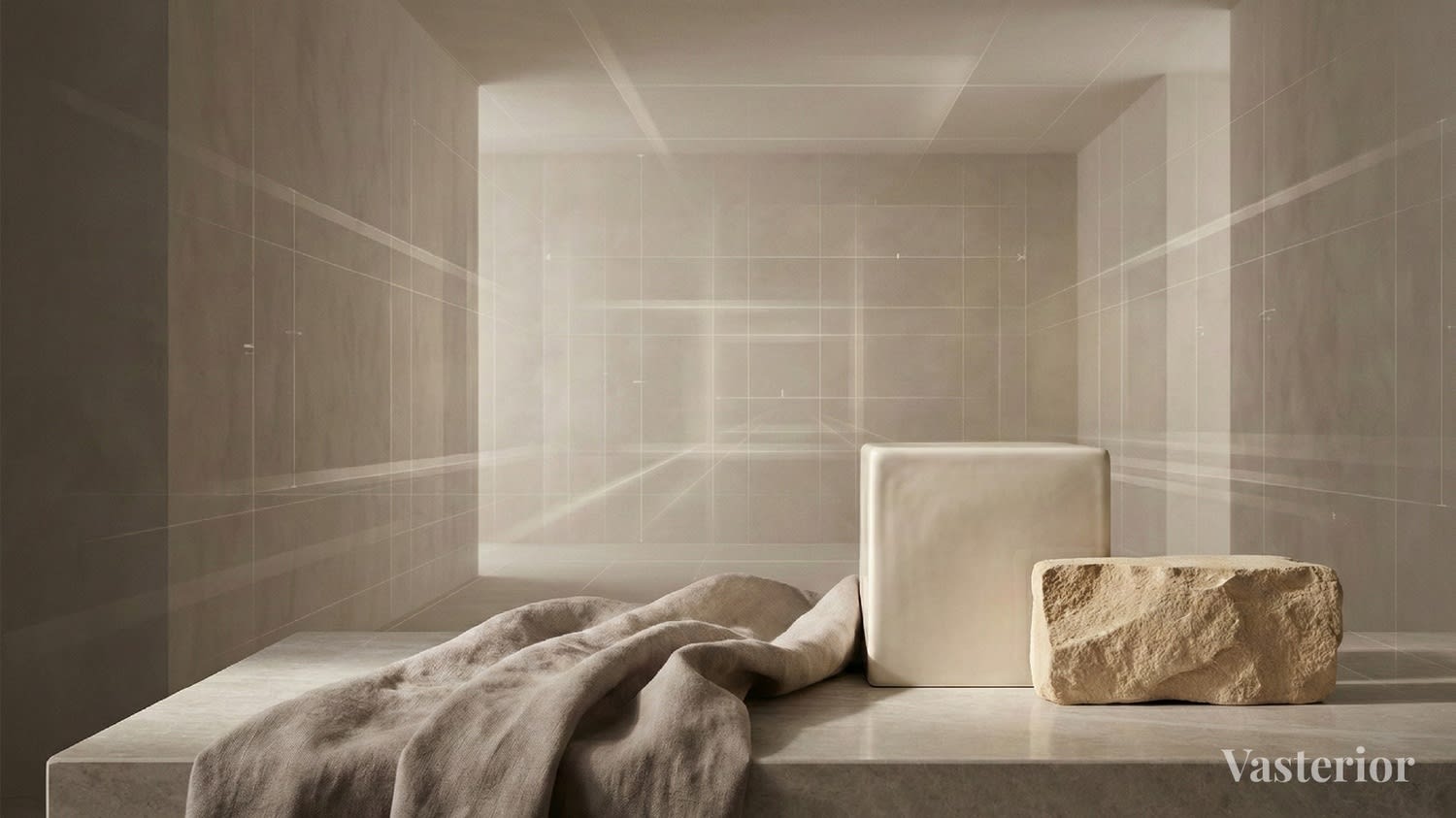
Clients usually notice the obvious: finishes, colours, furniture, lighting fixtures, décor. These are important, but they sit at the surface.
What truly determines whether a space supports clarity, comfort, and longevity happens much earlier and much deeper. It happens in moments like:
- How many millimetres a chair is pulled away from a wall
- Whether light hits a surface directly or grazes it
- If circulation flows naturally or forces detours
- Whether storage dissolves into the architecture or visually crowds it
These decisions don't announce themselves. But collectively, they decide whether a space feels expansive or restrictive, calm or noisy, supportive or draining.
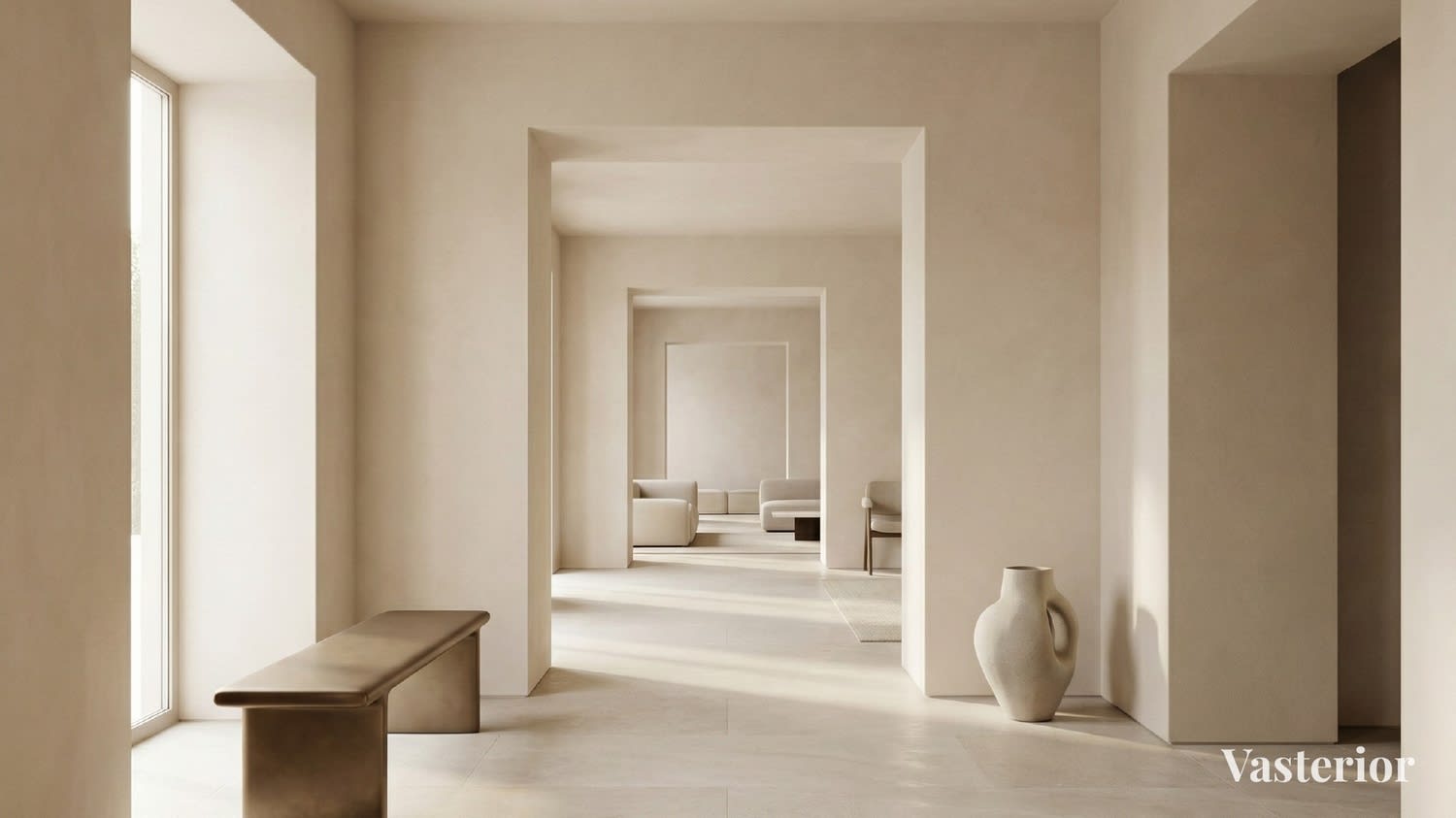
Layout Planning: The Geometry of Ease
Before materials, before colours, before styling, there is layout.
Layout planning is not about fitting furniture into a floor plan. It is about understanding movement, pause, and proportion. A few centimeters too tight and a room feels anxious. A circulation path that cuts across a seating zone disrupts comfort without anyone consciously noticing why.
Micro-decisions at this stage include:
- Maintaining clear sightlines from entry points
- Aligning major furniture with architectural axes
- Creating intuitive paths that don't interrupt activity zones
- Ensuring breathing space around functional areas
When done well, the space doesn't demand navigation. It guides you gently.
Light Is Not a Fixture. It Is a Material.
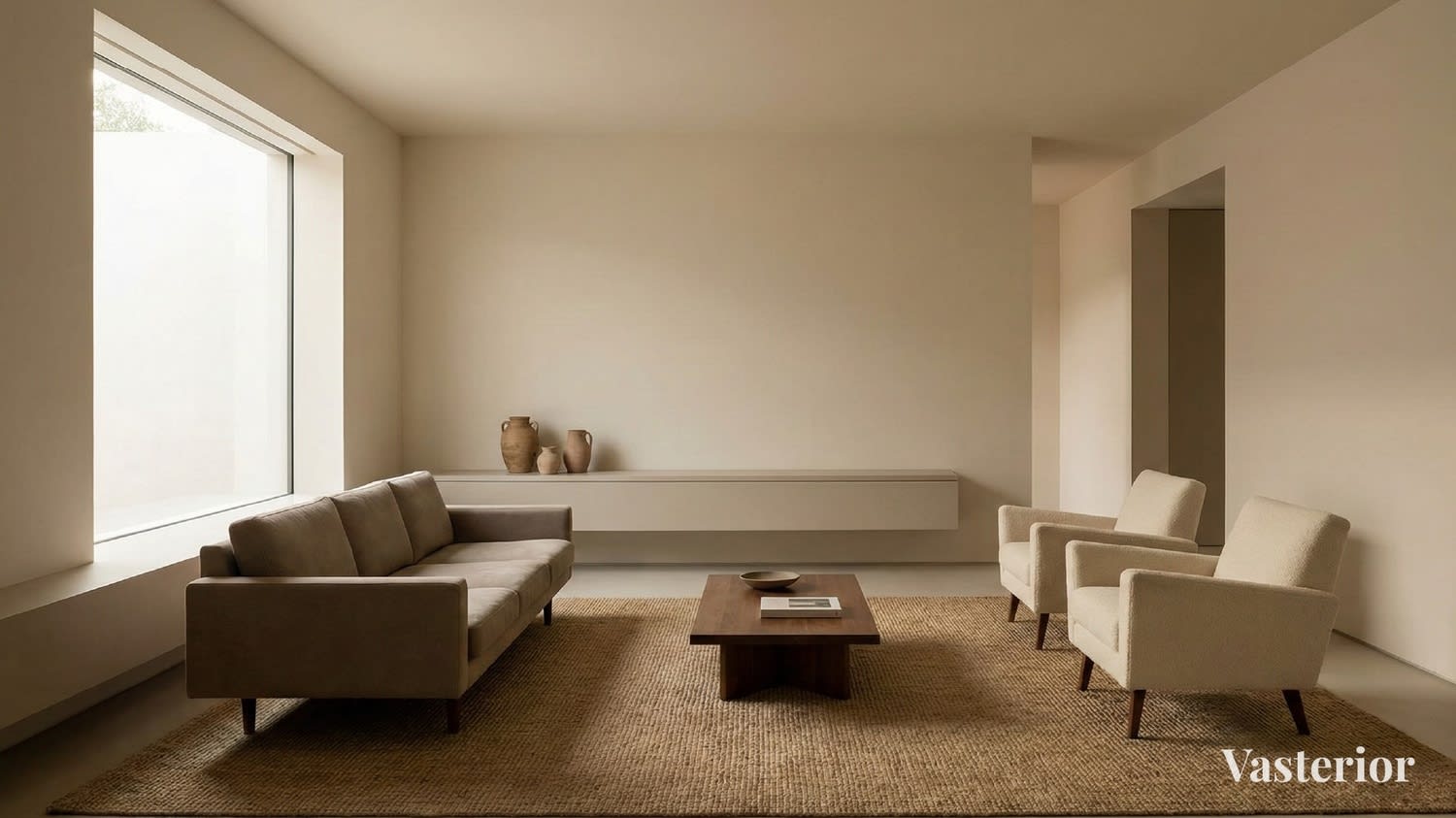
Most people think of lighting in terms of fixtures. Designers think of it as behavior.
Light changes through the day. It reflects, absorbs, softens, sharpens. A single decision, placing a surface at a slightly different angle, can change how a room feels at 8 a.m. versus 8 p.m.
Behind the scenes, this involves decisions such as:
- How daylight enters and exits the space
- Which surfaces receive direct vs. indirect light
- Layering ambient, task, and accent lighting for flexibility
- Avoiding harsh contrasts that fatigue the eyes
A well-lit space does not feel bright. It feels balanced.
Material Choices Beyond Aesthetics
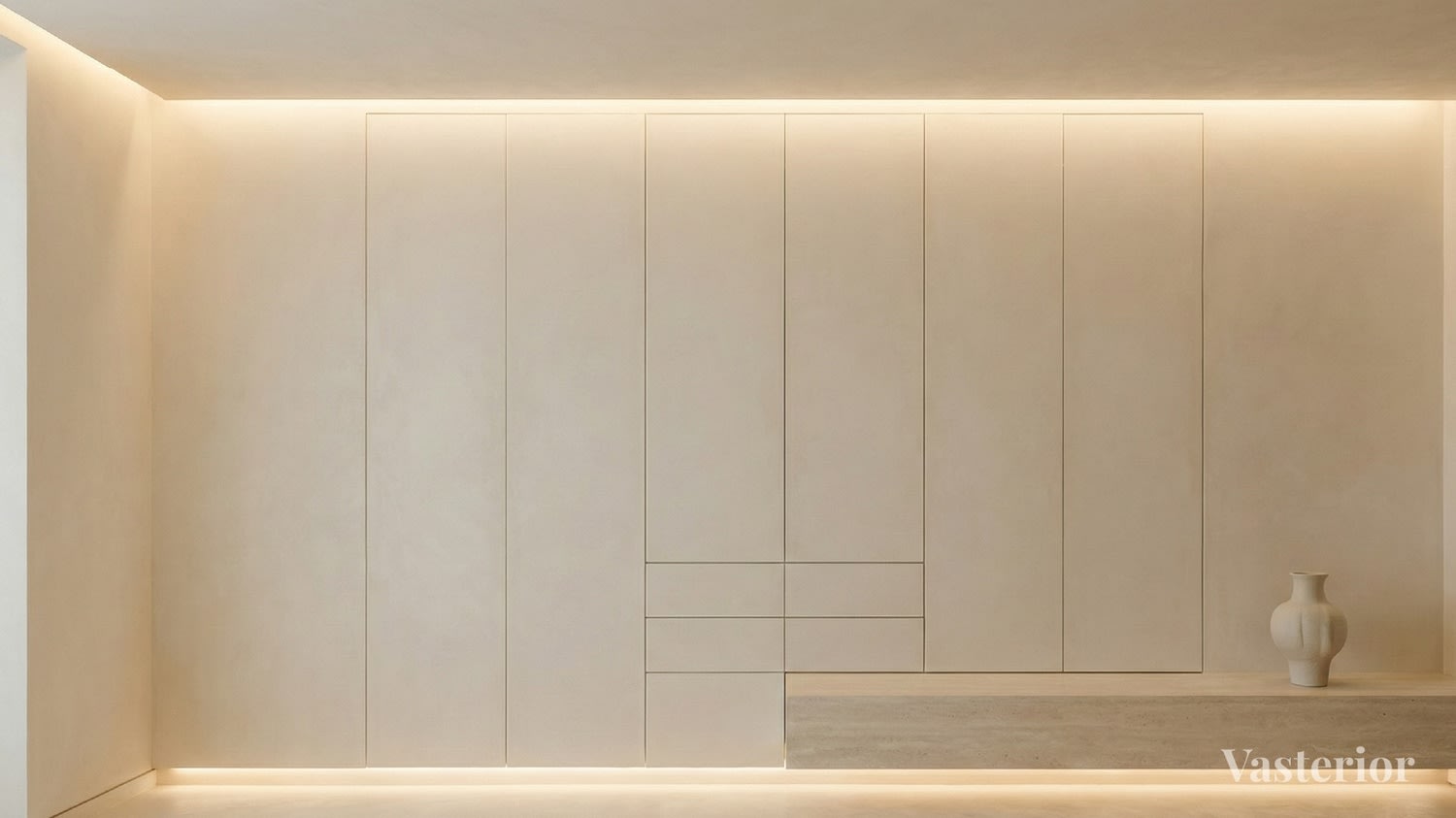
Materials are not chosen only for how they look in a photograph. They are chosen for how they behave over time.
Every material has temperature, sound absorption, reflectivity, aging patterns, and tactile psychology. A glossy surface may look luxurious but amplify noise. A stone surface may feel powerful but emotionally cold if overused. Soft materials calm acoustics but require precise placement to avoid visual heaviness.
Micro-decisions here include:
- Where a material should dominate and where it should retreat
- How textures interact with light and shadow
- How materials age and patina rather than deteriorate
- Balancing sensory richness with visual restraint
Luxury is not excess. It is control.
Furniture Placement as Spatial Choreography
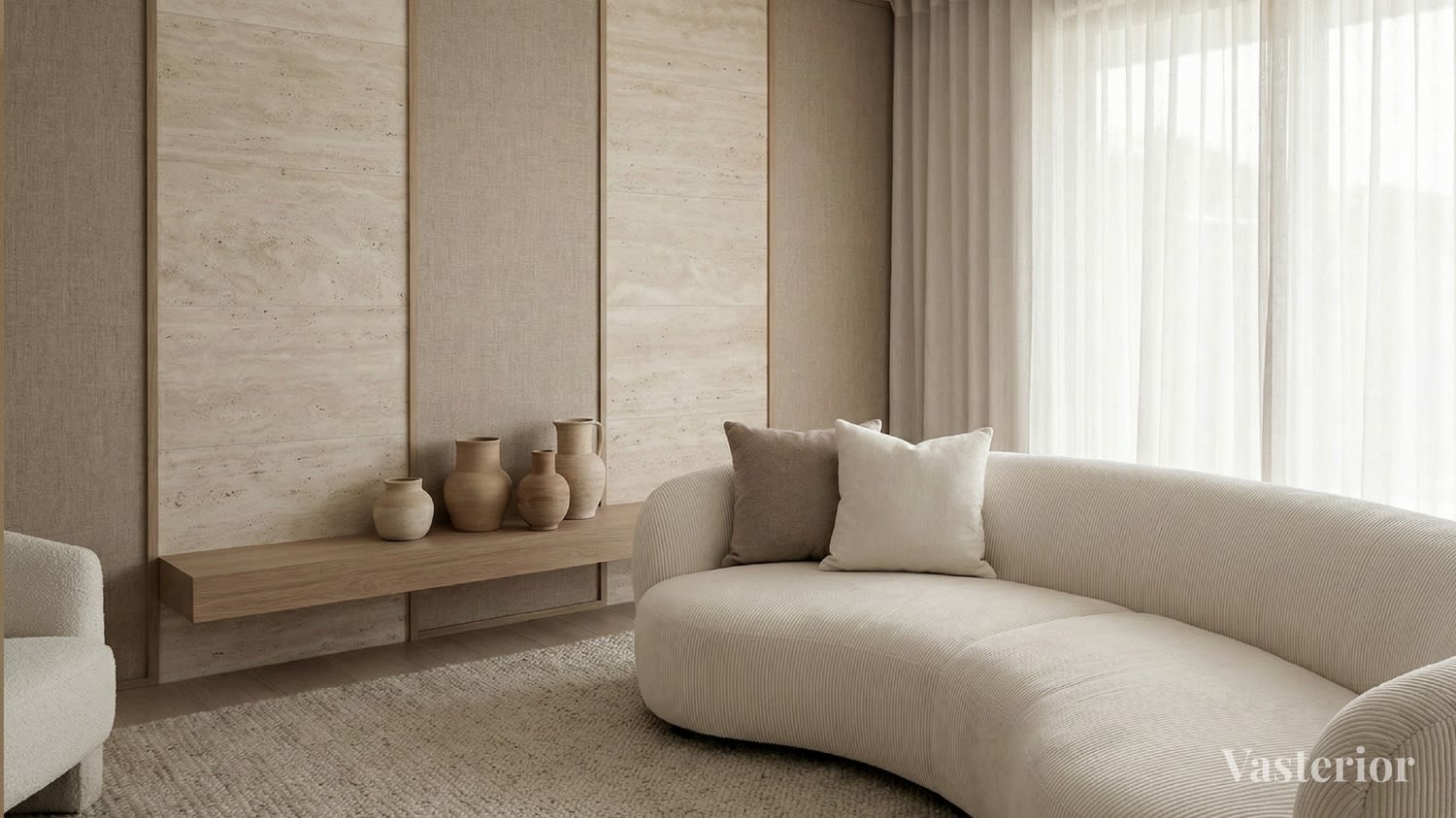
Furniture is often treated as movable. In reality, its placement is architectural.
A sofa placed a few inches too far forward can disrupt circulation. A desk positioned slightly off-axis can affect posture, focus, and authority. Chairs aligned incorrectly can subconsciously discourage conversation.
Designers consider:
- The relationship between furniture and human scale
- How seating encourages or discourages interaction
- Whether furniture anchors the space or fragments it
- How movement flows around and between objects
When furniture placement is resolved properly, a space feels intuitive without explanation.
Storage, Concealment, and Visual Calm
One of the most invisible forms of luxury is what you don't see.
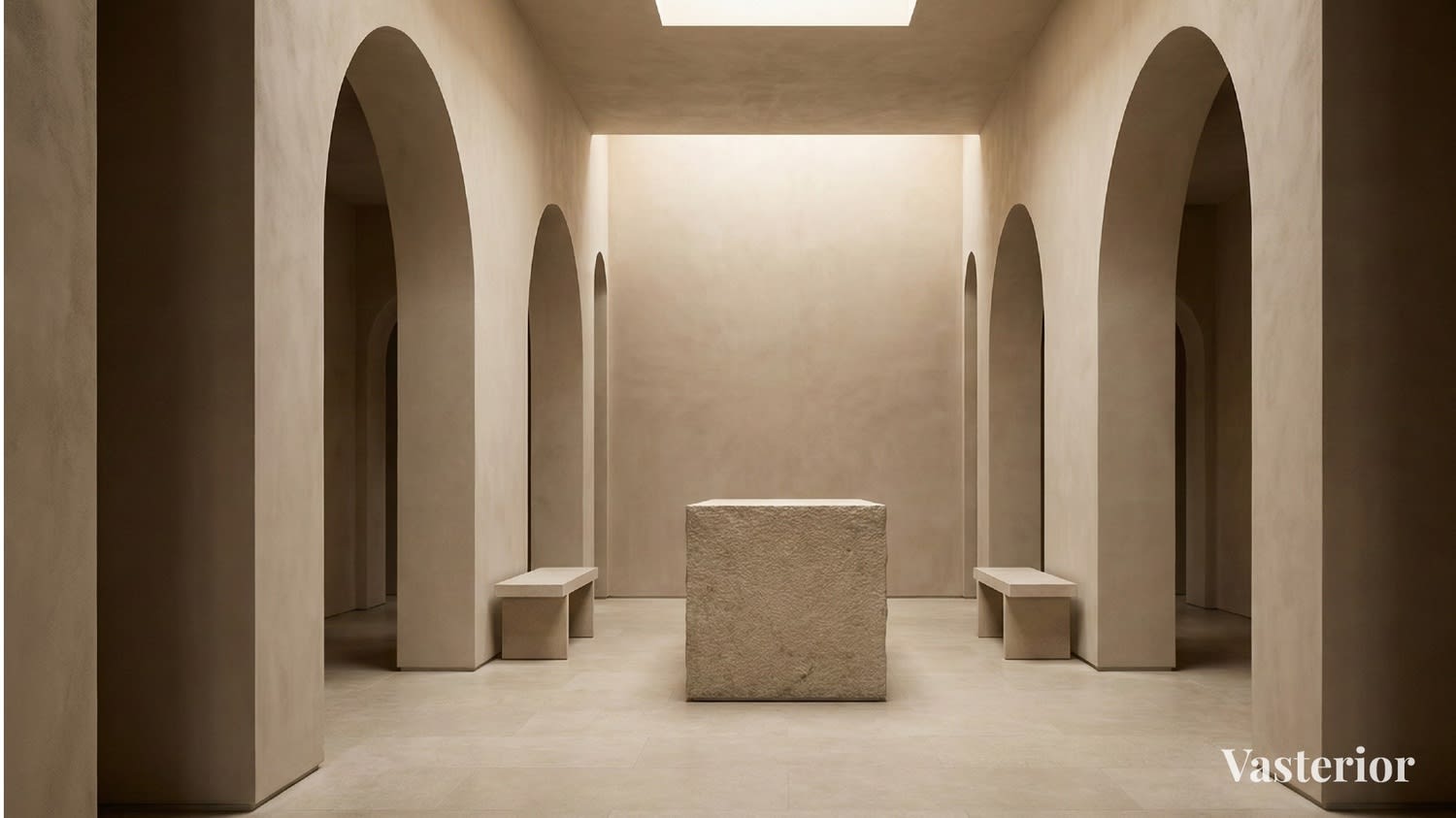
Clutter is not always about mess. Often, it's about unresolved storage. When storage is treated as an afterthought, it competes visually with the space. When it is integrated, it disappears.
Micro-decisions include:
- Depth and proportion of storage units
- Handle-less or recessed detailing
- Aligning storage with architectural lines
- Concealing utilities without making access difficult
Visual calm is not emptiness. It is clarity.
Colour, Texture, and the Psychology of Repetition
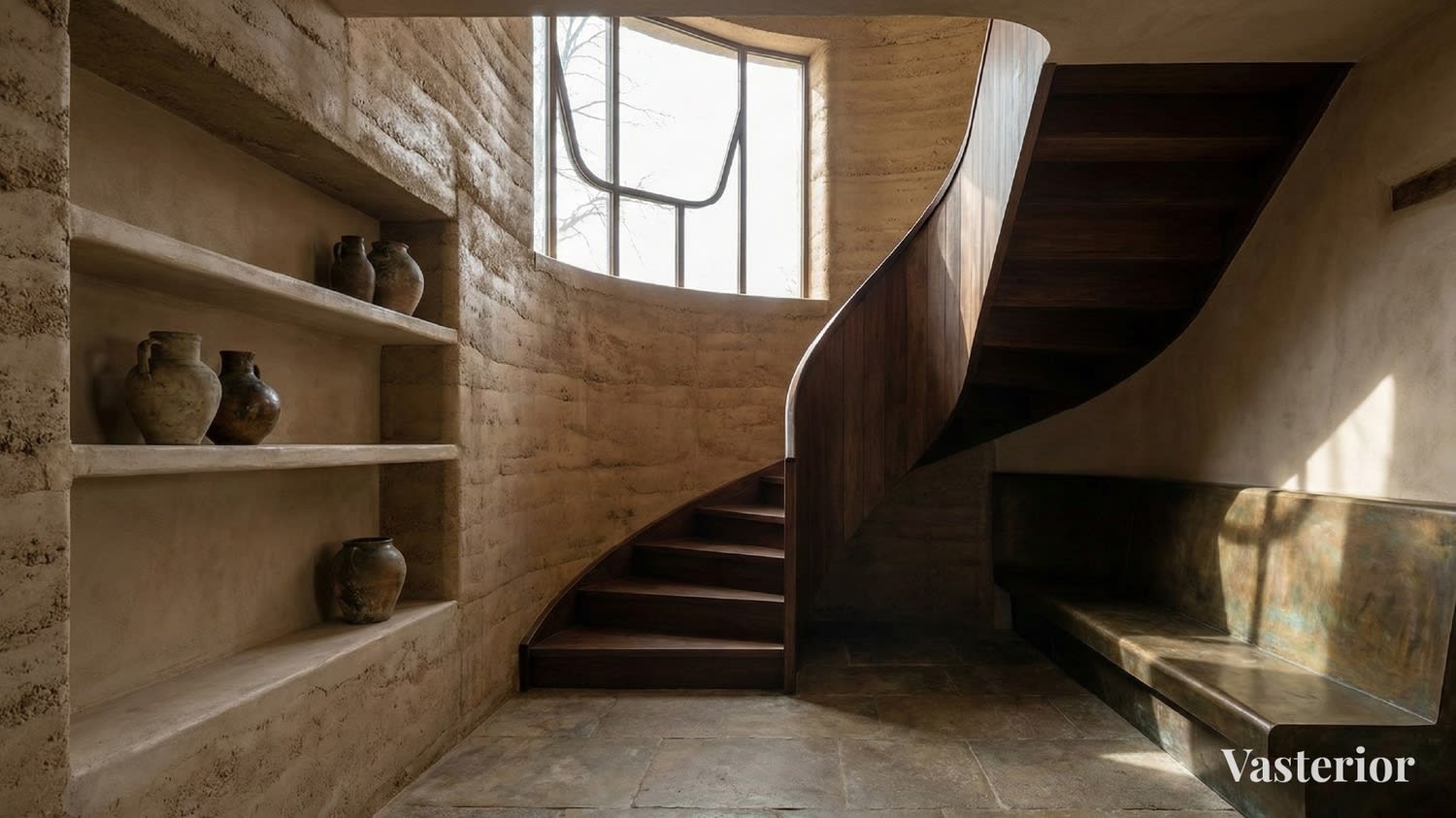
Colour is rarely used in isolation. It is repeated, diluted, echoed, and softened across surfaces to create coherence.
Too much contrast introduces tension. Too little creates monotony. The difference lies in micro-adjustments, slight tonal shifts, controlled repetition, and intentional restraint.
Behind the scenes, designers evaluate:
- How colours behave under different lighting conditions
- How textures balance smoothness and depth
- Where repetition creates rhythm and where it overwhelms
- How the palette supports mood rather than dominates it
A refined palette doesn't seek attention. It supports the experience.
Alignment, Balance, and Spatial Intelligence
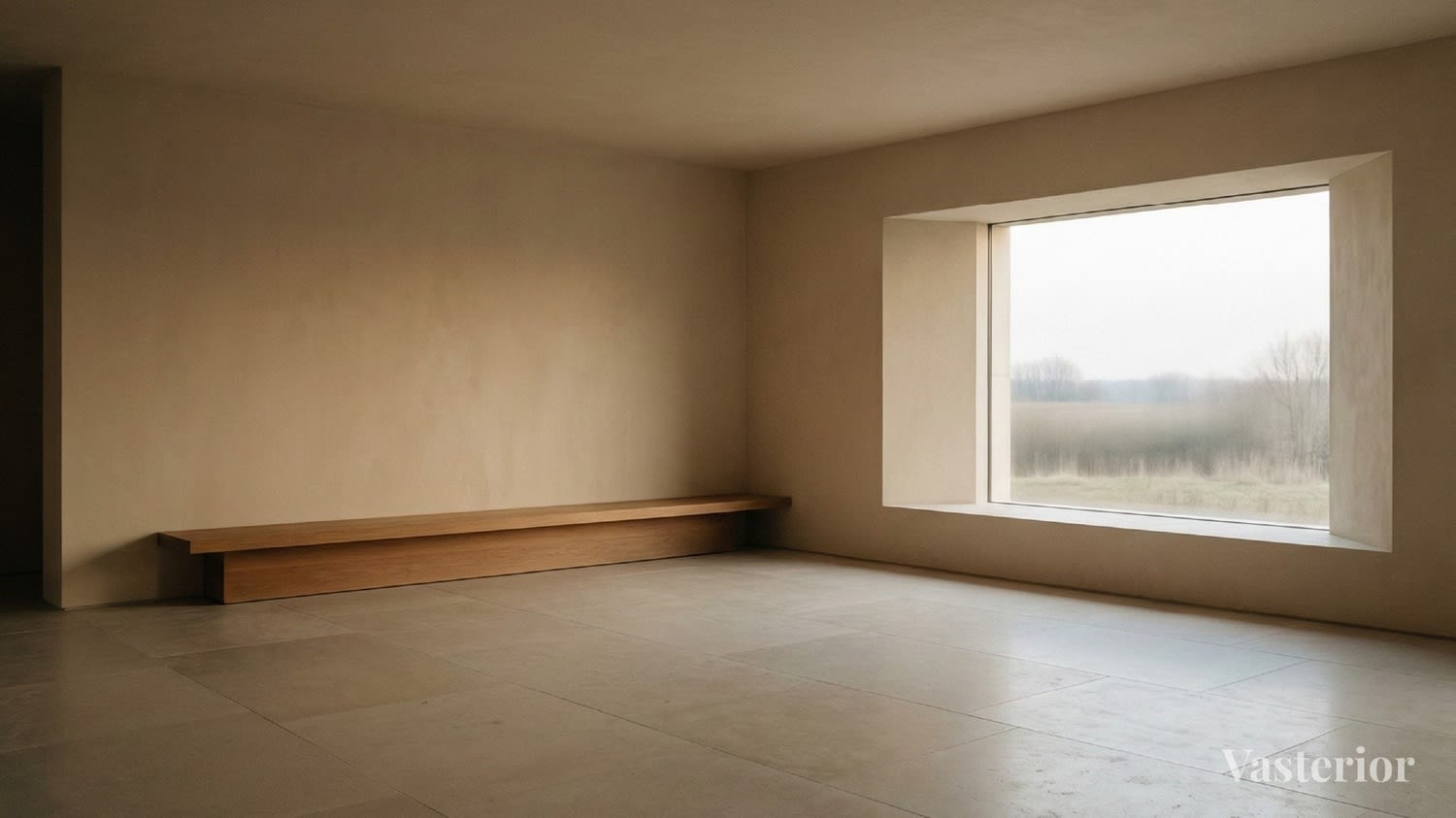
Beyond physical comfort lies another layer, alignment.
Not alignment as belief, but as observation. Certain placements feel supportive. Others subtly resist. This is where spatial intelligence intersects with human psychology and time-tested principles of orientation and balance.
At Vasterior, this layer is approached pragmatically. It informs decisions like:
- Placement of key activities within a space
- Orientation of work zones and rest zones
- Balancing heaviness and openness
- Ensuring the space supports focus, rest, or interaction as intended
The goal is not symbolism. The goal is harmony.
Why These Decisions Cannot Be Rushed, or Copied
Pinterest can show you how a space looks. It cannot tell you why it works.
Micro-decisions are contextual. They respond to site conditions, client habits, climate, light, acoustics, and lifestyle. Copying outcomes without understanding process often results in spaces that photograph well but fail to age gracefully.
True refinement requires time. Observation. Iteration. And restraint.
Design as Spatial Authorship, Not Styling
At its highest level, interior design is not decoration. It is authorship.
It is the ability to read a space, understand the people who will inhabit it, and compose an environment that supports them quietly and consistently over time.
The most successful projects are not the loudest ones. They are the ones where nothing feels accidental.
A Closing Thought
A perfect space does not impress you every day. It supports you every day.
It allows you to think clearly, move easily, rest deeply, and live without resistance. And that experience is built not on grand gestures, but on hundreds of small, thoughtful decisions made long before you ever step inside.
The next time you enter a space that feels effortless, remember, effort didn't go into how it looks. Call us today at +91 9100883355 or info@vasterior.com,
It went into everything you don't see.