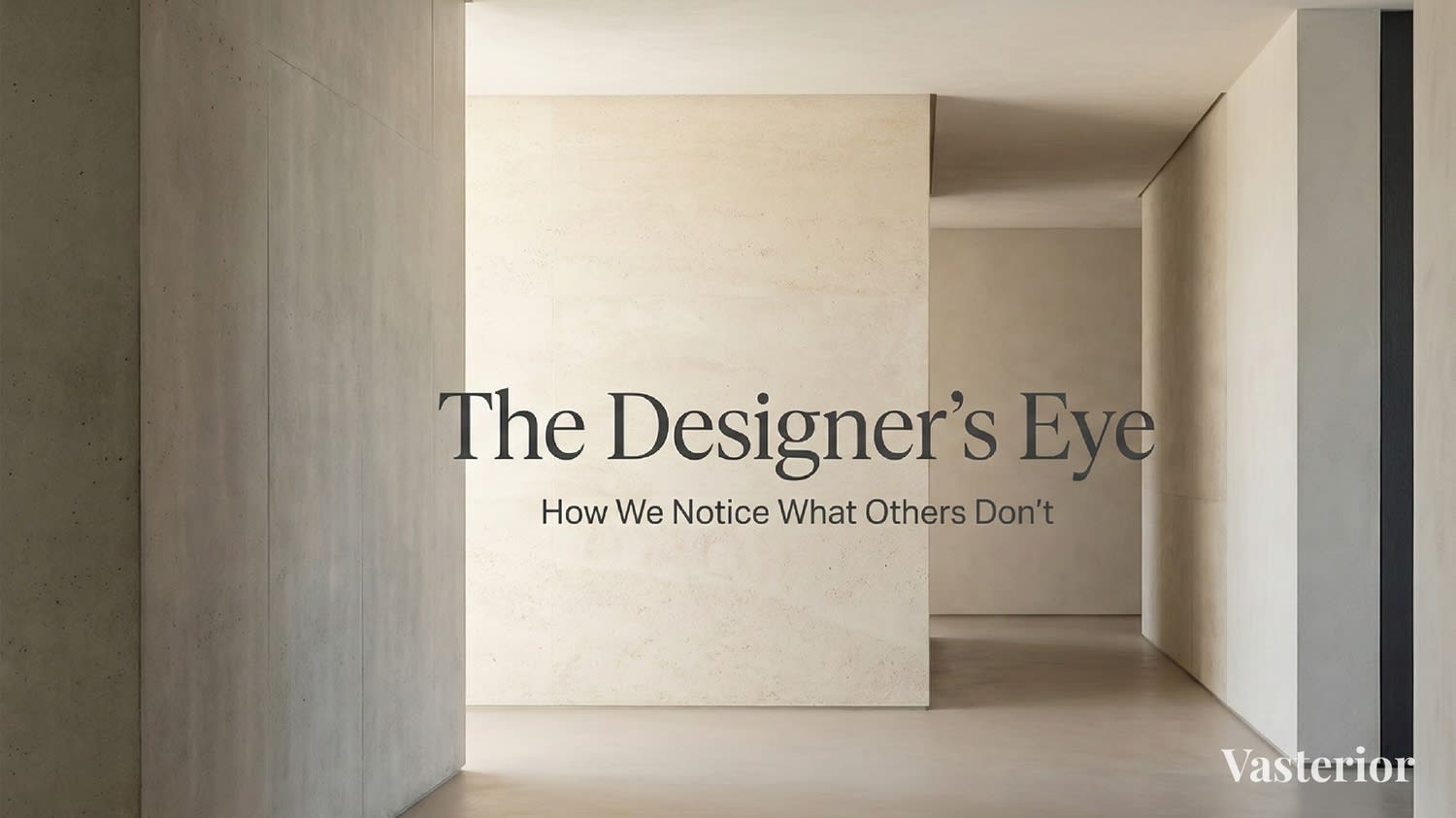
Most people walk into a space and register what is immediately visible. The colour of the walls. The furniture. The light fixtures. Perhaps whether it feels modern, traditional, minimal, or luxurious. Designers do something else entirely. We don't simply see a space, we observe it.
Observation is quieter. Slower. More demanding. It asks not just what is here? but why does it feel this way? Why does one room invite calm while another creates restlessness? Why does a beautifully finished office still feel heavy, or a modest home feel effortlessly supportive?
At its core, the designer's eye is not about taste. It is about perception.
Seeing Is Not the Same as Observing
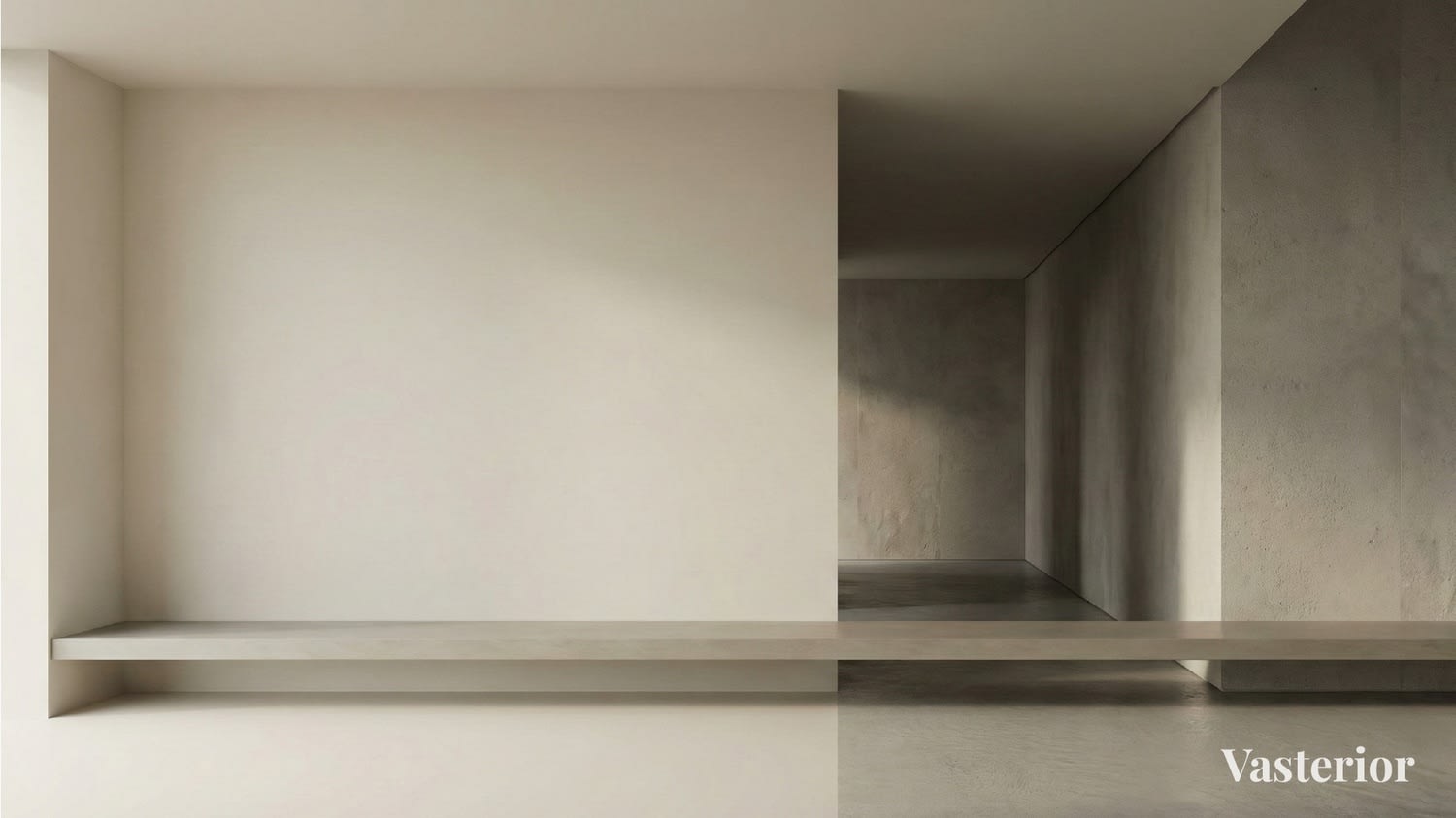
To see is automatic. To observe is trained.
Most people scan a space the way they scroll through images, quickly, intuitively, often influenced by trends or references they have seen elsewhere. Designers pause. We notice proportions before finishes. We register how the body wants to move through a room before deciding where to place furniture. We sense where light settles, where it escapes, and where it strains.
Observation requires presence. It requires letting the space speak before imposing ideas onto it.
This is why two people can stand in the same room and come away with entirely different impressions. One might say, "It looks fine." The other might feel something is subtly off, not broken, not wrong, but misaligned.
That difference is the designer's eye at work.
What the Designer's Eye Reads in a Space
A trained eye reads spaces the way a musician reads rhythm or a doctor reads vital signs. Much of what we notice never makes it into words, yet it informs every decision that follows.
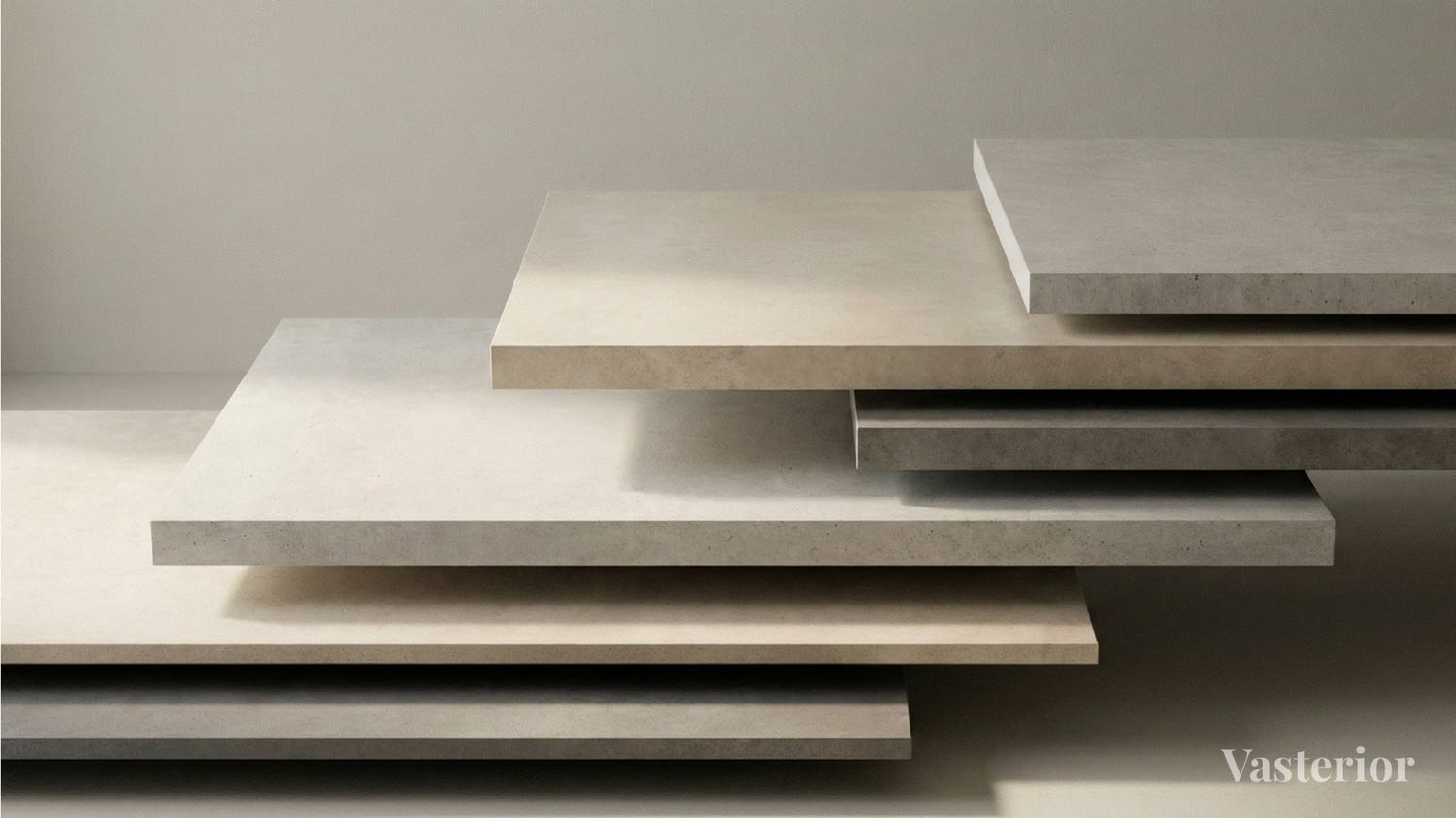
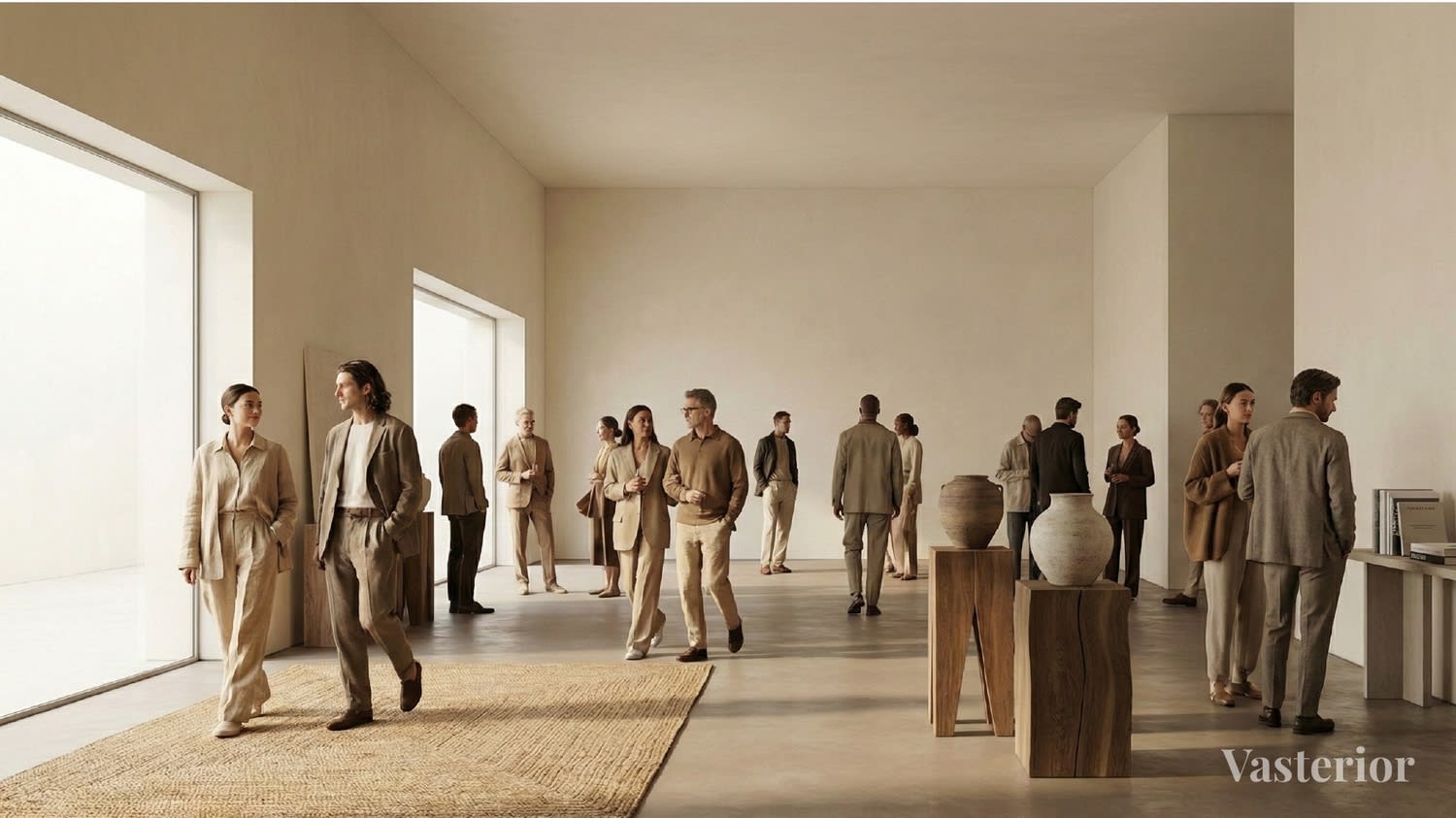
We notice proportion, how elements relate to one another in scale and hierarchy. A ceiling that is slightly too low for the furniture it carries. A wall that visually overpowers the room instead of grounding it.
We observe movement, the natural path the body wants to take. Where people pause, where they hesitate, where circulation feels forced instead of intuitive. Movement reveals more about a layout than any floor plan ever could.
We study light behaviour, not just where windows are, but how light travels across the day. Morning light that energises. Afternoon light that softens. Artificial lighting that either supports or disrupts these rhythms.
Understanding Emotional Temperature
We feel the emotional temperature of a space. Some rooms feel alert. Others feel restorative. Some carry authority. Others invite conversation. These qualities are rarely accidental, even when they are unintentional.
And perhaps most importantly, we sense tension. Invisible points where activities clash, where objects fight for dominance, where the space quietly resists the life being lived within it.
These are not aesthetic judgments. They are spatial readings.
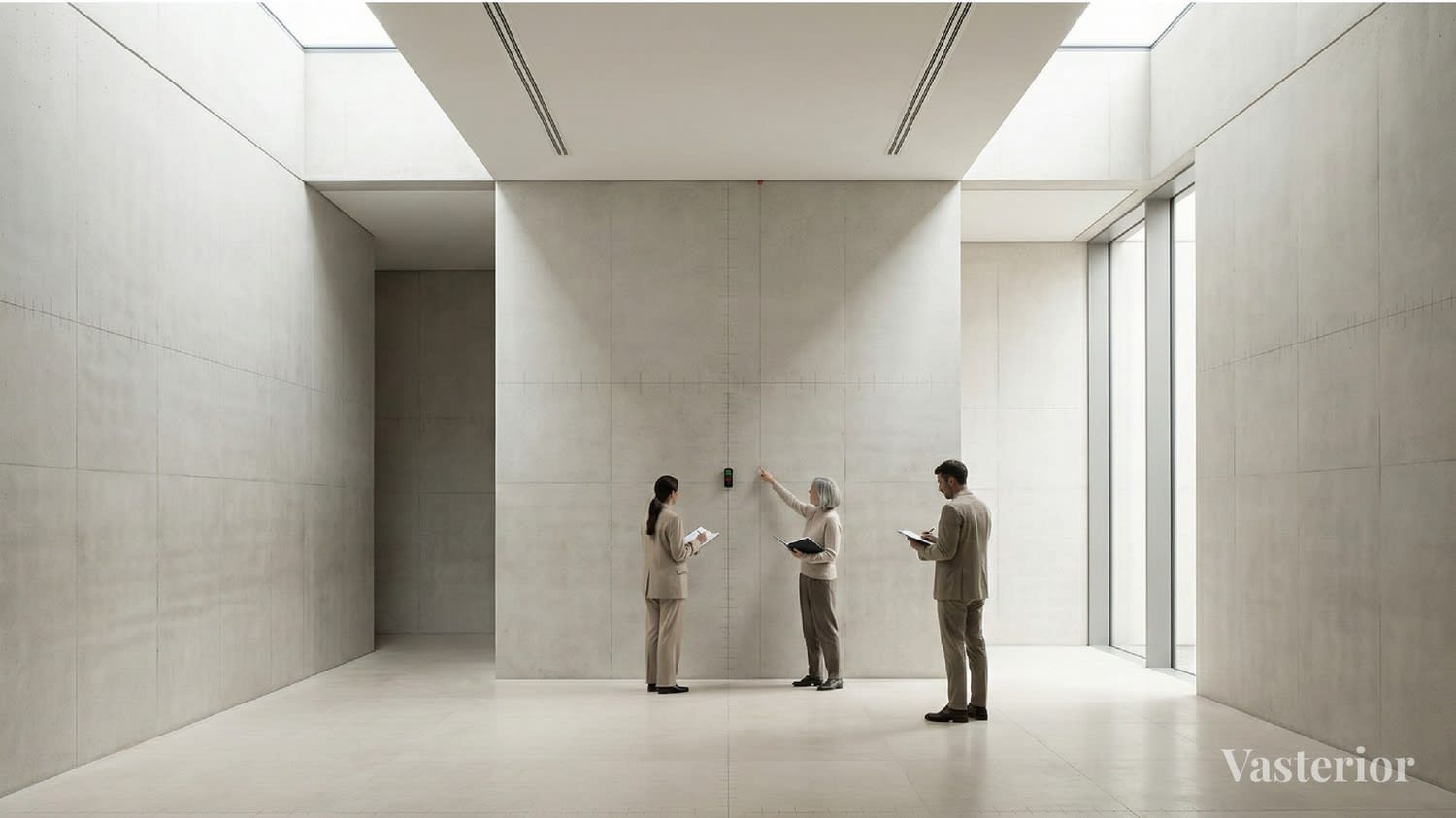
Beyond Beauty: Understanding Spatial Intelligence
Design is often misunderstood as decoration, the act of making spaces visually appealing. But beauty alone does not sustain a space. It does not support decision-making, productivity, rest, or emotional clarity.
Spatial intelligence goes deeper. It recognises that environments influence human behaviour continuously, whether we acknowledge it or not.
A well-aligned space reduces friction. Thoughts flow more easily. Conversations feel less strained. Work feels focused rather than draining. Rest feels genuine rather than forced.
This is not belief. It is observation refined over time.
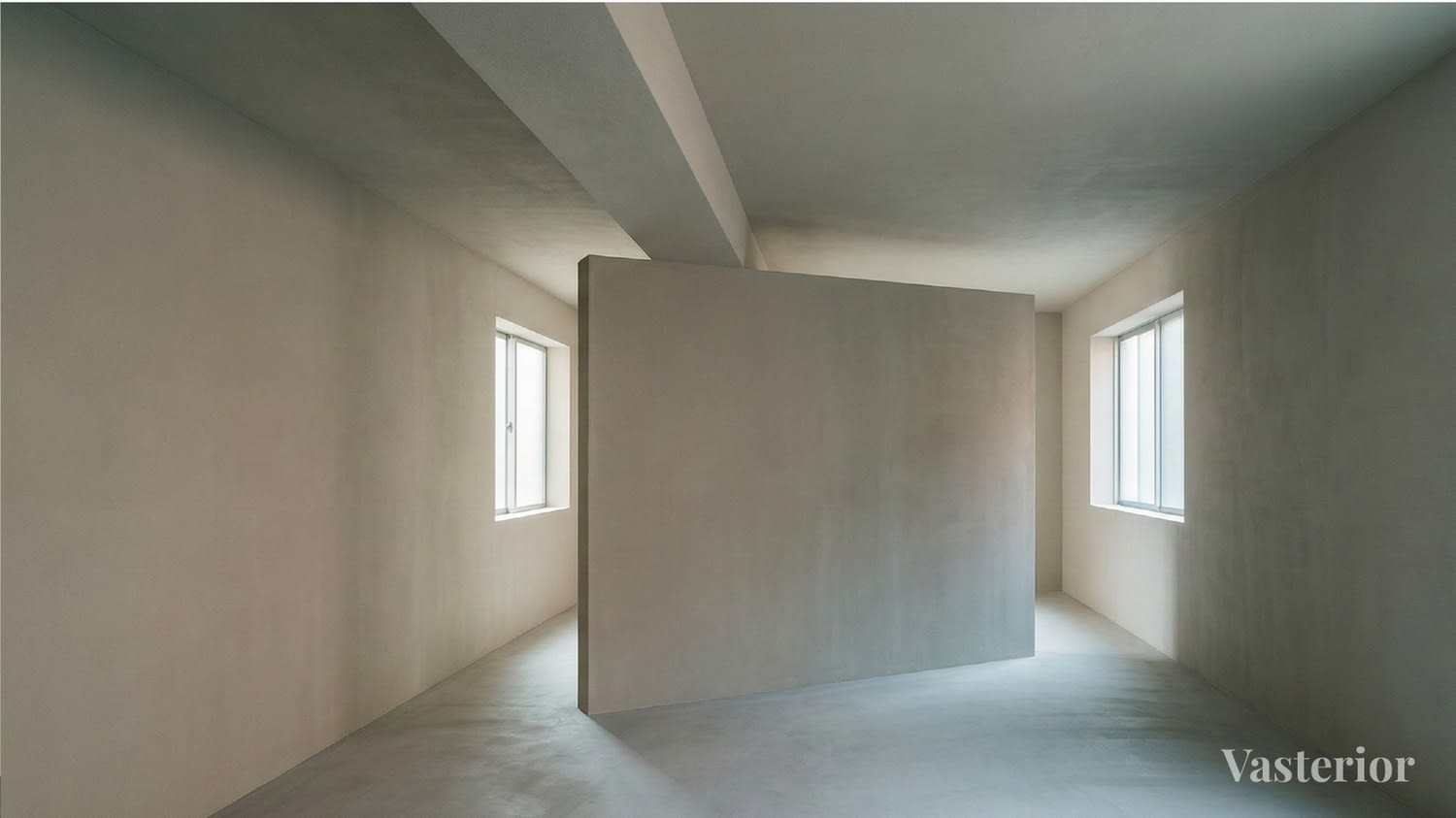
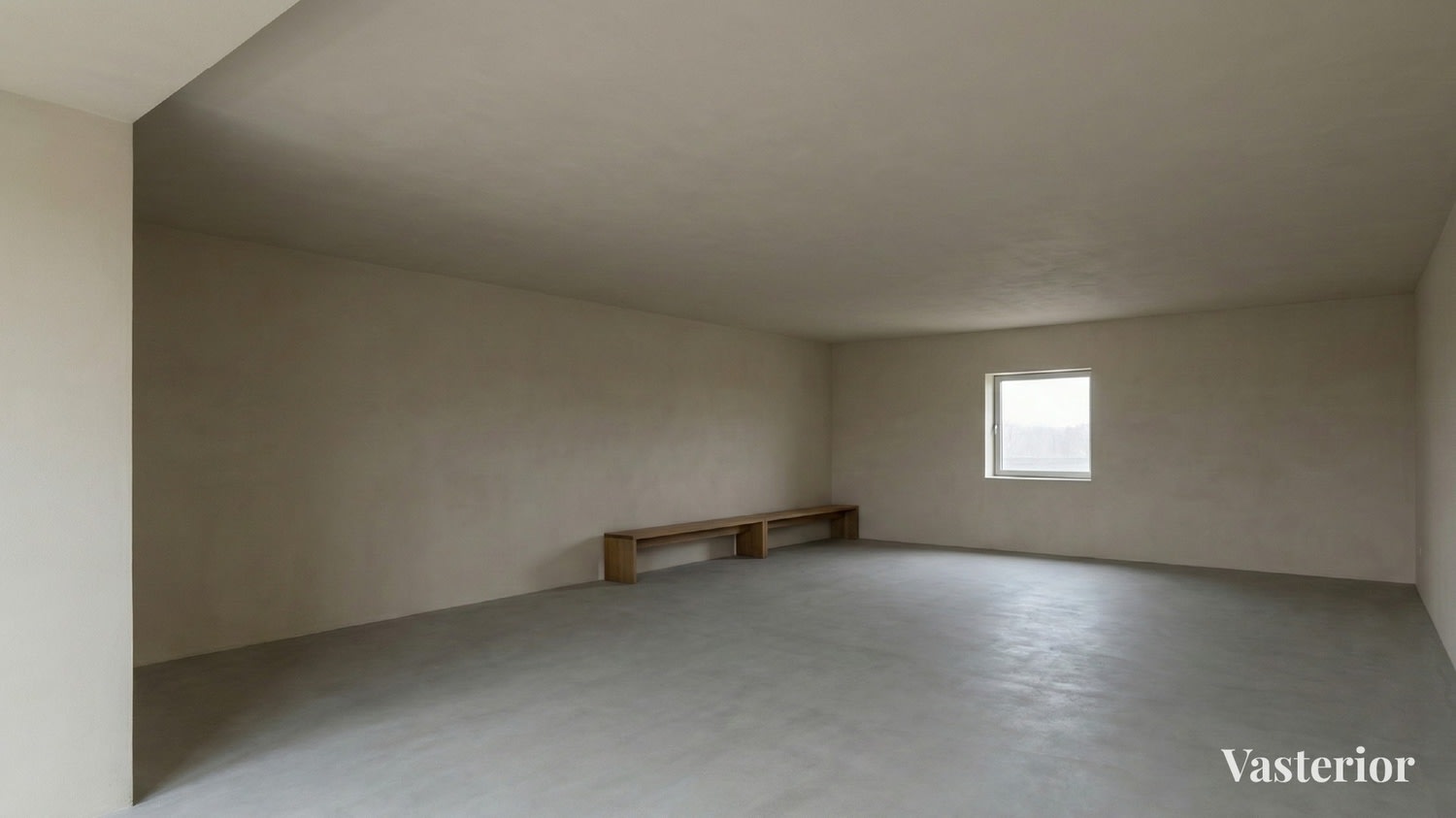
Traditional sciences like Vastu were born from this same attentiveness, long before modern terminology existed. They studied how direction, light, elements, and activity interact, documenting patterns that repeated themselves across generations. When approached intelligently, these principles are not rigid rules, but tools for understanding cause and effect within space.
When spatial intelligence is respected, design stops being cosmetic and becomes supportive.
The Vasterior Lens
At Vasterior, the designer's eye is trained deliberately. Before colours are chosen or materials discussed, we begin by understanding how a space functions, and how it should function.
We start with gridding, layout intelligence, and observation. Not to complicate the process, but to simplify decisions later. When the underlying structure is clear, design becomes quieter and more precise.
We pay attention to what already exists. Existing walls. Existing constraints. Existing energy patterns. Instead of fighting them, we work with them.
This approach demands restraint. It means resisting the temptation to impress early. It means choosing longevity over trends, clarity over excess, intention over ornamentation.
Design, for us, is not about making a statement. It is about removing resistance.
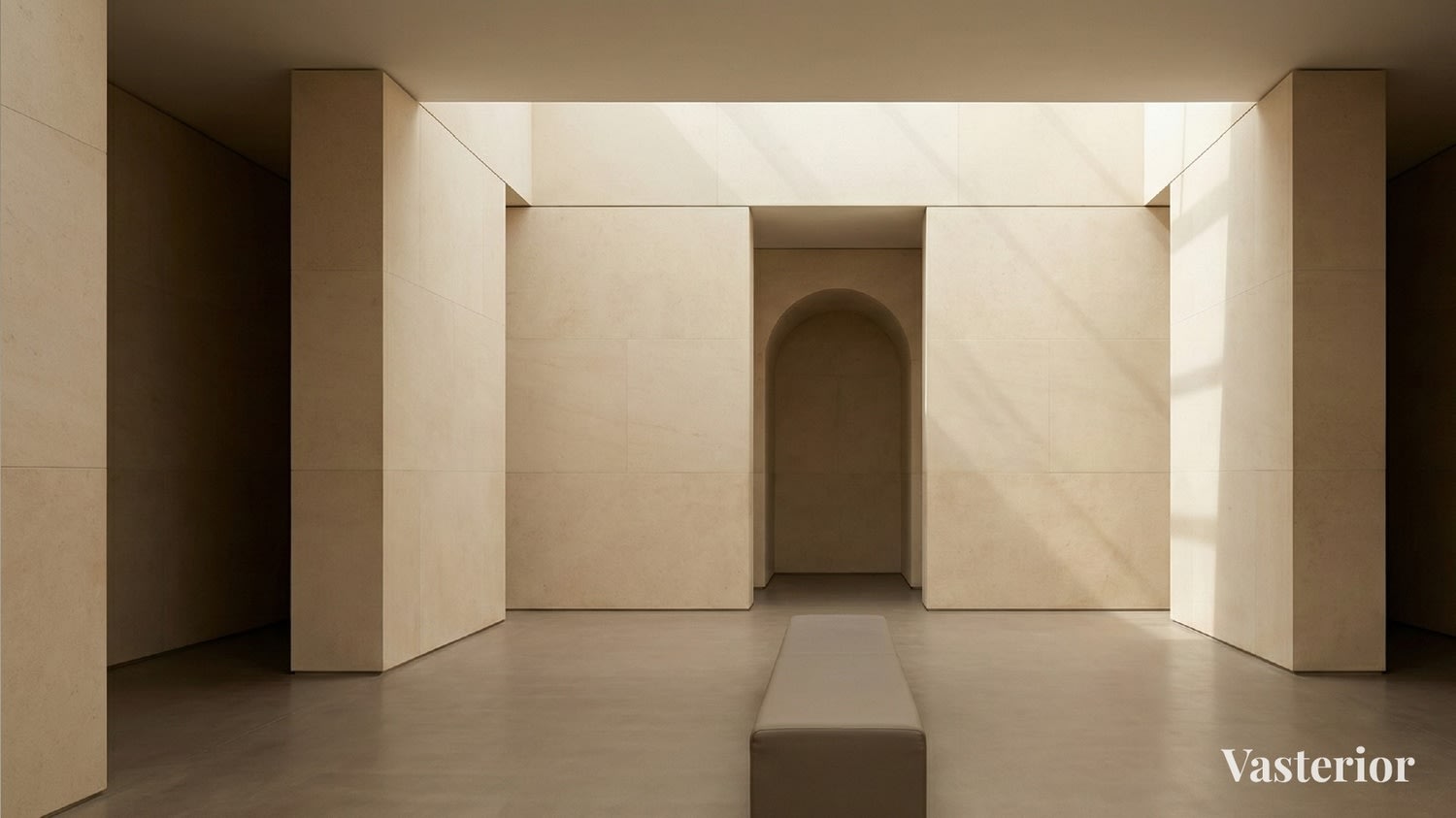
Why Many Spaces Fail Before They Are Used
Most spaces don't fail because of poor craftsmanship or insufficient budgets. They fail much earlier, at the stage of observation.
When furniture is selected before understanding function, the space is already compromised. When inspiration images are copied without context, proportion and flow are ignored. When each decision is made in isolation, the overall rhythm collapses.
Often, spaces are assembled rather than designed.
The result is a room that looks complete but never feels settled. An office that photographs well but drains authority. A home that appears luxurious but does not support rest.
These failures are subtle, which is why they are tolerated for so long. People adjust themselves instead of adjusting the space.
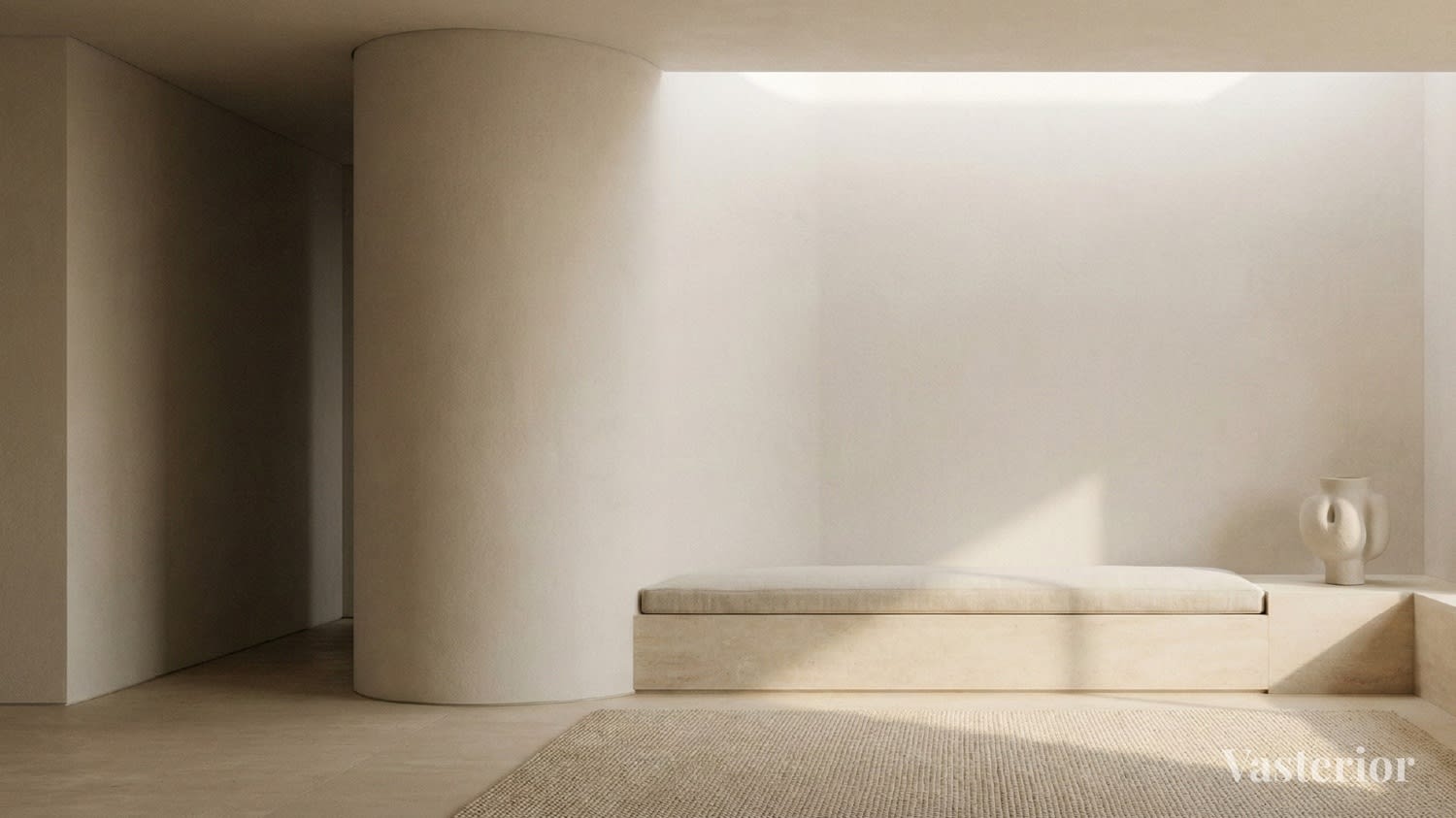
The Hidden Cost of Not Seeing
Misaligned spaces rarely announce themselves loudly. They reveal their cost slowly.
Decision fatigue creeps in. Restlessness becomes normal. Focus requires effort. Conversations feel hurried or strained. At home, people struggle to truly switch off. At work, clarity feels just out of reach.
The space is not "bad." It is simply not helping.
When environments do not support the lives unfolding within them, people compensate with willpower. Over time, that effort becomes exhausting.
This is why thoughtful design is not indulgent. It is preventive.
Design as a Discipline, Not Decoration
Seeing like a designer is not an instinct one is born with. It is a discipline developed over years of observation, correction, and humility.
It requires unlearning the urge to decorate first. It demands patience, the willingness to sit with a space long enough to understand it. It asks designers to listen before acting.
True luxury lies here. Not in abundance, but in precision. Not in spectacle, but in thoughtfulness.
A well-designed space does not demand attention. It quietly supports life, work, and rest, day after day, year after year.
Once You See It, You Can't Unsee It
There is a moment every client experiences when observation shifts. Suddenly, they begin noticing why certain rooms feel calming and others don't. Why one café invites lingering while another encourages quick exits. Why some offices command respect without trying.
Once awareness develops, it cannot be switched off.
The designer's eye is not about exclusivity. It is about responsibility. When we understand how space influences us, we become accountable for the environments we create and inhabit.
Design, then, becomes an act of care.
And when spaces are created with clarity, alignment, and intention, they do something remarkable: they stop asking for effort, and start offering support. Call us today at +91 7599208222 or pradeepshukladecor@gmail.com.
That is what it means to truly notice what others don't.