At Vasterior, we often encounter a quiet but telling sentence from clients: "The space looks beautiful, but something still feels off." That "something" is rarely about taste or budget. More often, it is about energy, not in the mystical sense, but in the deeply human way a space makes you feel, think, and function every single day.
Long before we consciously notice it, our interiors shape our mood, influence our focus, and affect how much mental and emotional effort it takes to live or work within them. A well-designed space can support clarity and calm without demanding attention. A poorly designed one can exhaust us, even if it photographs well.
This is where designing for energy becomes essential, and where interior design moves beyond decoration into spatial intelligence.
What Does "Energy" Really Mean in Interior Design?
In design conversations, the word energy is often misunderstood. It is sometimes reduced to trends, aesthetics, or belief systems. In reality, energy in interiors is far more grounded and observable.
Energy is how a space responds to human presence.
It is the cumulative effect of light, proportion, materiality, acoustics, movement, and visual clarity on the human nervous system. It is how easily your body settles into a room. How quickly your mind focuses. How supported or strained you feel without knowing why.
From a design perspective, energy can be understood as:
- Sensory input - what your eyes, skin, and ears continuously process
- Psychological comfort - whether a space feels safe, balanced, and intuitive
- Cognitive load - how much effort your brain expends navigating the environment
- Emotional resonance - whether a space aligns with how you live and work
When these elements are aligned, a space feels effortless. When they are not, the space begins to demand energy instead of giving it back.
The Science Behind Space, Mood & Productivity
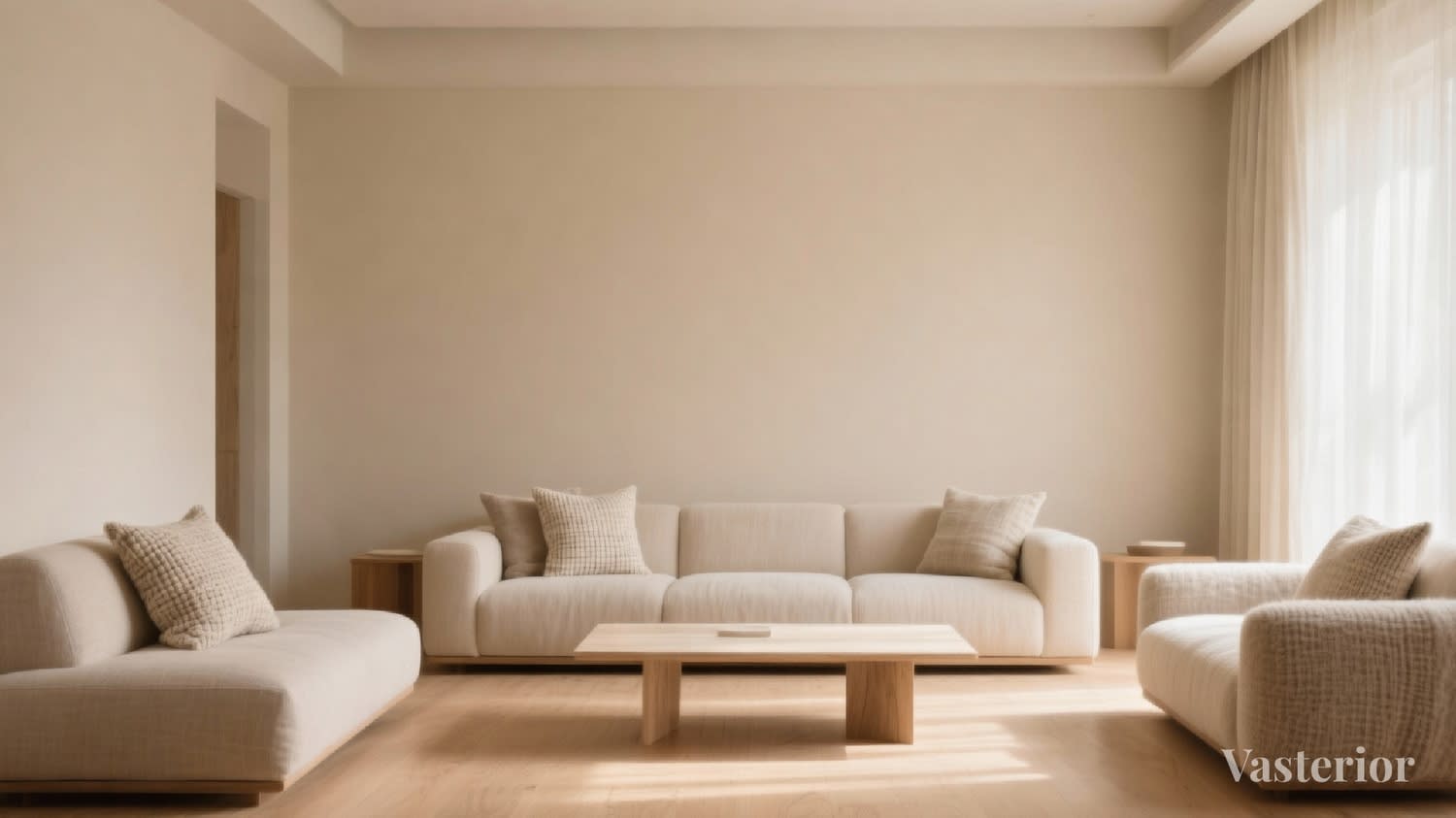
Environmental psychology and neuroscience have long established that our surroundings directly influence mental states and performance. Interiors are not passive backdrops, they actively shape behavior.
Light, for instance, affects circadian rhythm, alertness, and sleep quality. Insufficient daylight or harsh artificial lighting can lead to fatigue, irritability, and reduced concentration.
Visual noise, excessive patterns, clutter, or competing focal points, increases cognitive load. The brain must work harder to process the environment, leaving fewer resources for focus and creativity.
Proportion and scale influence emotional response. Spaces that feel too compressed can induce stress, while overly large, undefined spaces may feel isolating or unanchored.
Acoustics play a crucial role in productivity. Poor sound absorption increases stress hormones, even when the noise is subtle and constant.
The takeaway is simple: productivity is not just about discipline or motivation. It is deeply tied to the quality of the environment supporting the mind.
Interior Elements That Shape Energy (A Deeper Look)
Light & Orientation
Natural light is one of the most powerful regulators of mood and focus. Beyond brightness, its direction, softness, and timing matter. Morning light stimulates alertness, while warmer evening light supports relaxation. Poorly oriented layouts that block or misuse daylight often create spaces that feel dull or restless, regardless of décor.
Artificial lighting, when layered thoughtfully, ambient, task, and accent, allows a space to adapt to different activities without strain.
Color Psychology
Color is not about preference alone; it is about response. Muted, earthy tones tend to calm the nervous system, while high-contrast or overly saturated palettes can overstimulate if used indiscriminately. The key is not avoiding color, but using it with intent and restraint, aligned with the function of the space.
Materiality & Texture
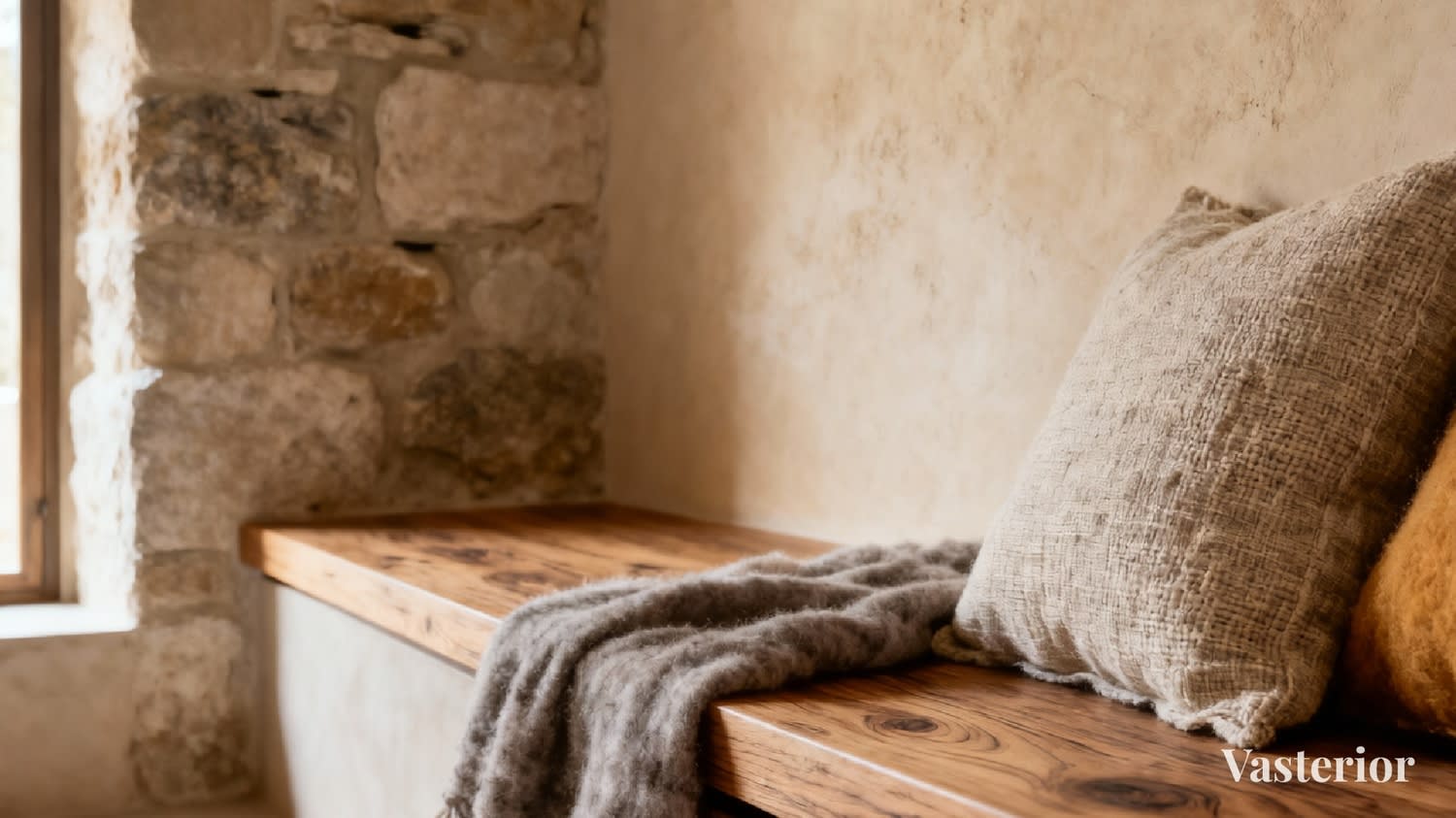
Materials communicate temperature, weight, and permanence. Natural materials such as wood, stone, leather, and textured fabrics often feel grounding because they offer tactile feedback and visual depth. Flat, synthetic, or overly glossy finishes can feel visually cold or mentally fatiguing when overused.
A balanced material palette creates sensory comfort, something we feel instinctively, not intellectually.
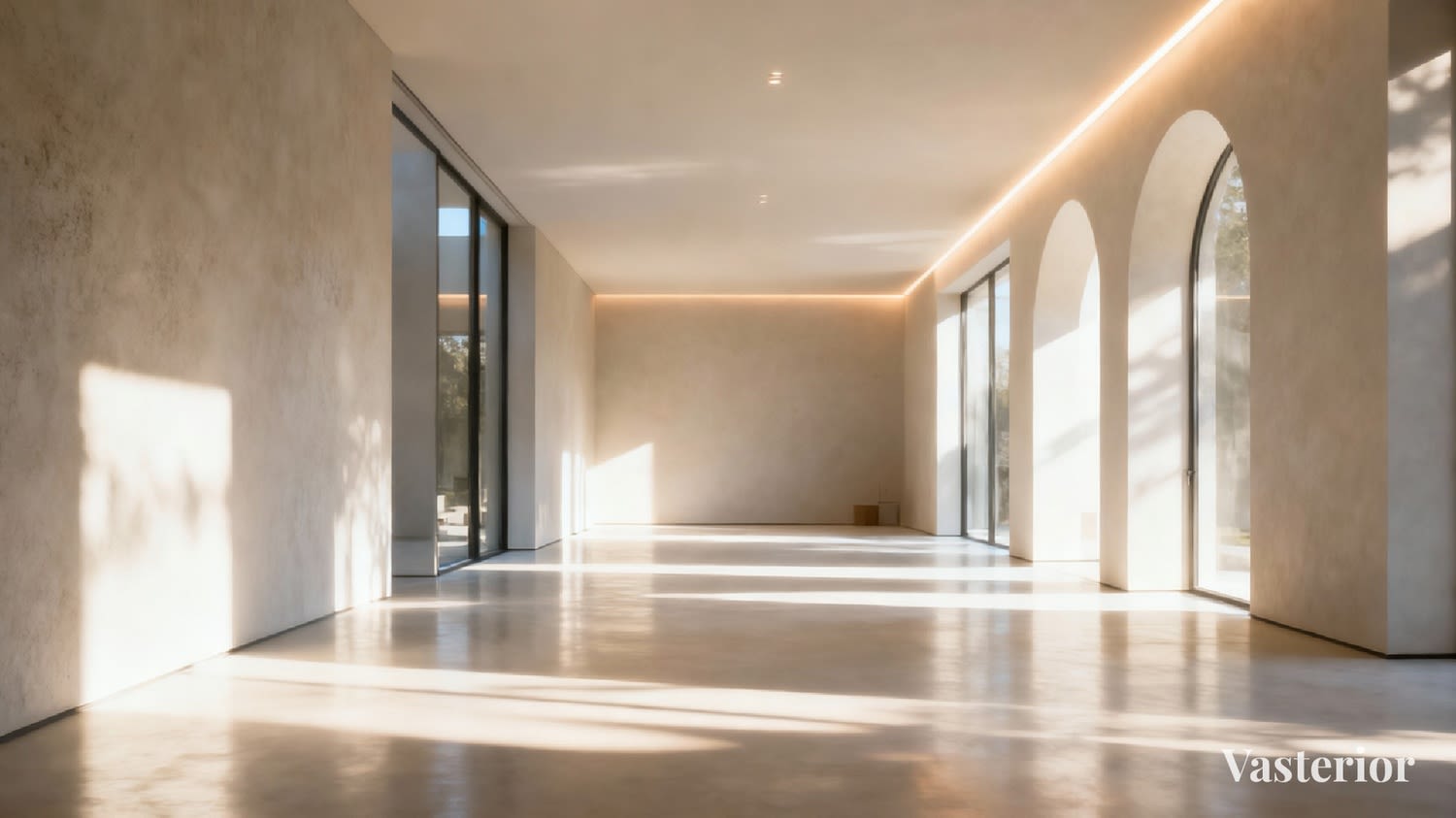
Layout & Spatial Flow
Good layouts respect movement. They allow the body to navigate without hesitation and the eye to rest without obstruction. Spaces that force awkward circulation or ignore natural pathways subtly increase stress and mental friction.
Flow is not about openness alone. It is about rhythm, moments of expansion, pause, and transition.
Clutter vs Visual Rest
Clutter is not merely about storage; it is about unresolved visual information. Even minimal homes can feel cluttered if lines, objects, or patterns compete for attention. Designing visual rest, clear surfaces, defined focal points, and breathing space, gives the mind permission to slow down.
Furniture Ergonomics & Posture
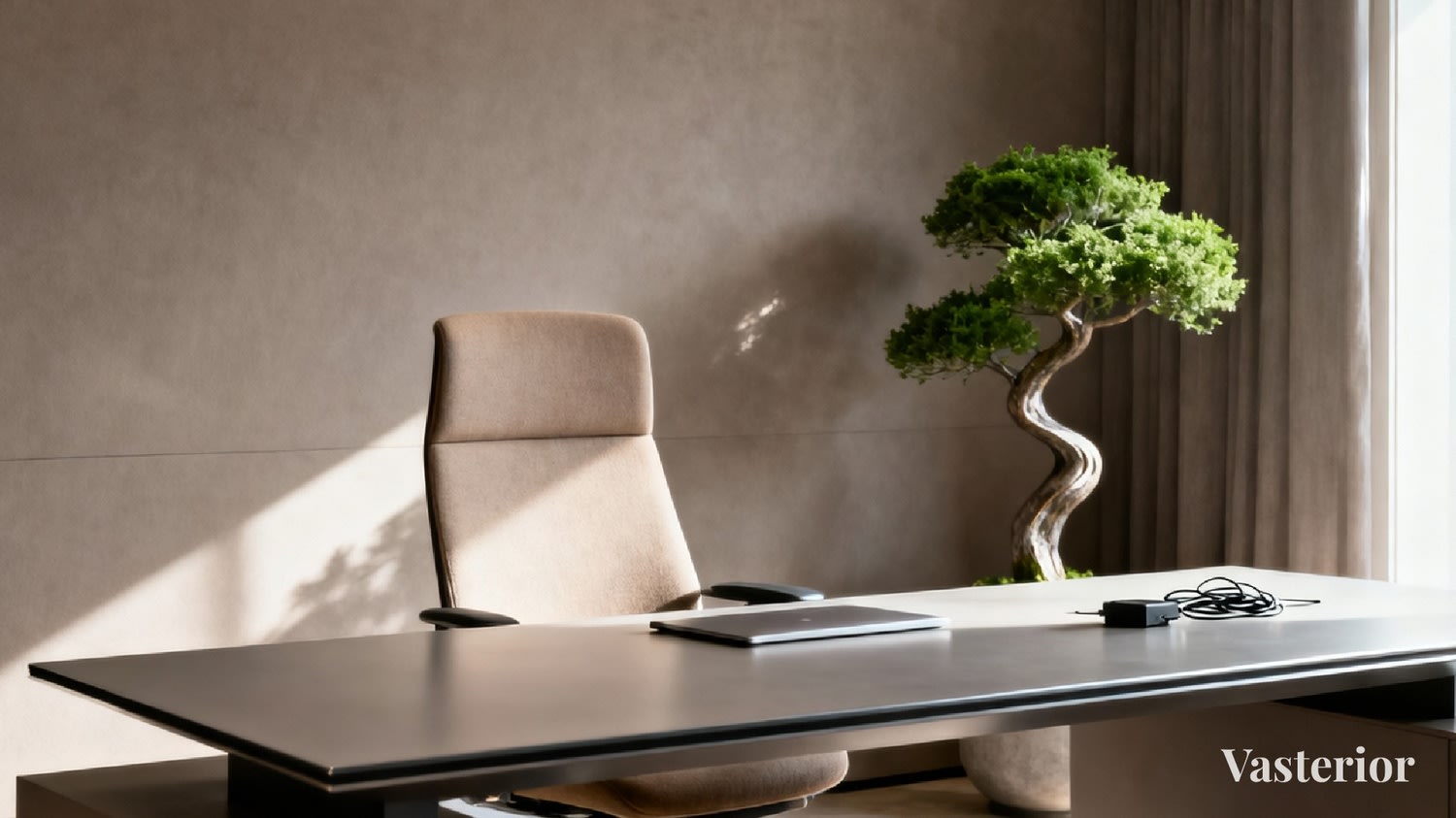
Furniture directly affects how long we can remain focused or relaxed. Poor ergonomics lead to physical discomfort, which quickly becomes mental distraction. Comfort, posture, and proportion are essential components of energy-aware design, particularly in workspaces.
Acoustics & Silence
Silence is not the absence of sound; it is the presence of acoustic balance. Soft furnishings, rugs, wall treatments, and spatial zoning all help manage sound. When acoustics are ignored, even beautiful spaces can feel overwhelming or tense.
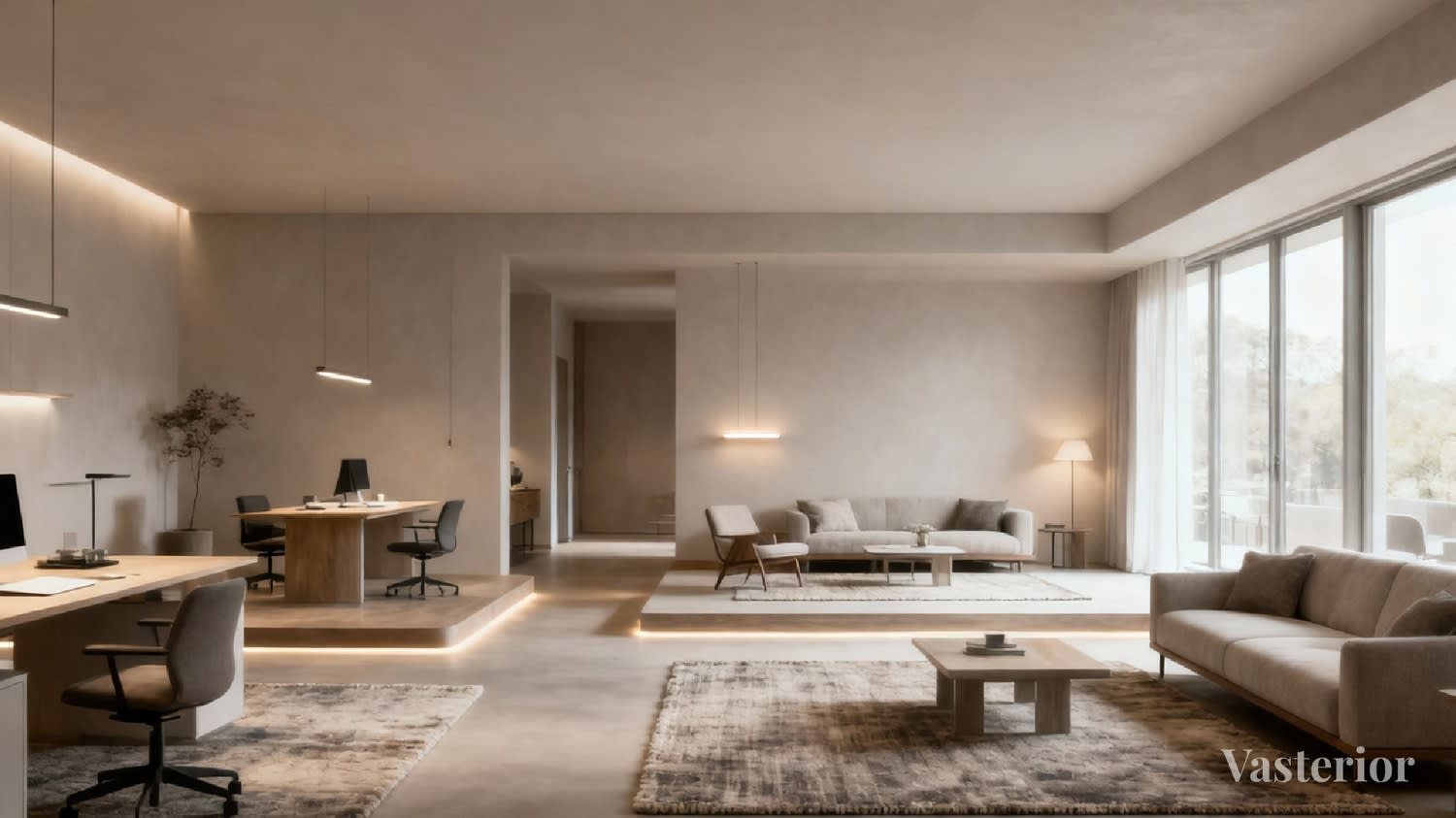
Homes vs Workspaces: Different Energies, Different Needs
One of the most common mistakes in contemporary design is treating homes and offices as interchangeable aesthetics.
Homes require emotional energy, spaces that restore, nurture, and ground. Overly sharp, corporate, or trend-driven interiors can exhaust residents over time.
Workspaces, on the other hand, require directed energy, clarity, focus, and momentum. Excessive softness, visual distractions, or purely decorative elements can dilute productivity.
The solution lies in zoning and transition. A home office, for example, must support focus without bleeding work stress into personal life. Similarly, workplaces need areas for intensity as well as pause.
Designing for energy means understanding that every space serves a psychological purpose.
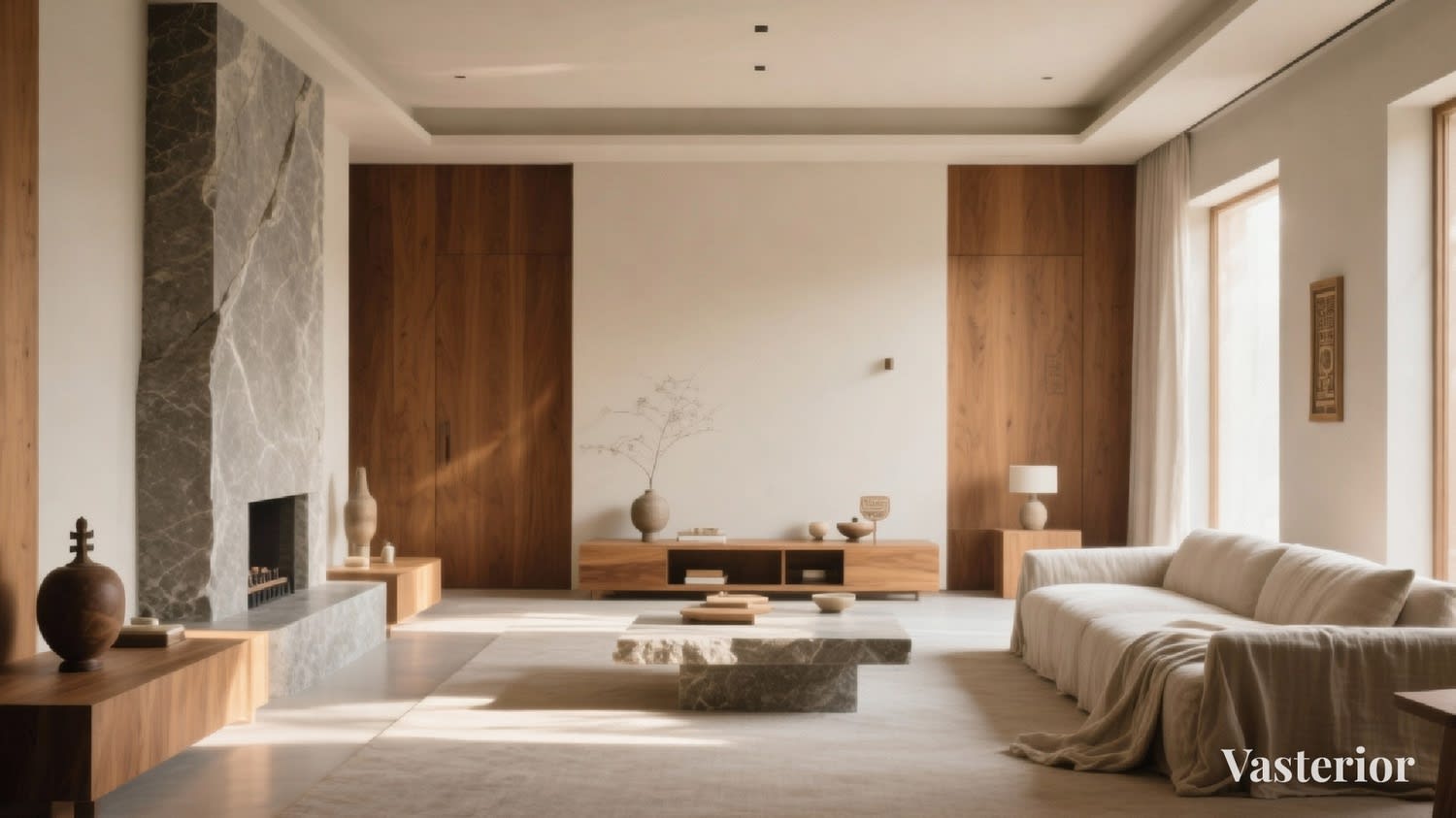
Where Spatial Science and Vastu Intersect
When approached thoughtfully, spatial sciences such as Vastu are not about rituals or superstition. They are about relationship, between activity, object, direction, and human behavior.
In practice, this means aligning key functions with supportive zones, respecting orientation, and ensuring that spaces work with natural human tendencies rather than against them. When integrated subtly, these principles add another layer of spatial intelligence without dictating aesthetics.
At their best, they enhance clarity and ease, not belief, but experience.
Common Energy Mistakes People Make
Many energy issues arise not from lack of budget, but from lack of intention. Some of the most frequent missteps include:
- Designing for appearance rather than lifestyle
- Overdecorating without hierarchy
- Ignoring natural light and ventilation
- Copying visual trends without contextual understanding
- Treating energy as an afterthought rather than a foundation
These choices may look impressive initially but often lead to spaces that feel heavy, distracting, or emotionally draining over time.
How Vasterior Designs for Energy
At Vasterior, energy is not a styling layer added at the end, it is the starting point.
Our process begins with observation and listening. We study how clients live, work, move, and pause. We map daily rhythms, identify pressure points, and understand emotional needs before drawing a single line.
Design decisions, from layout planning to material selection, are made through the lens of flow, balance, and long-term wellbeing. Whether designing luxury residences or professional workspaces, the goal remains consistent: spaces that support people quietly and effectively.
True luxury, in our experience, is not visual drama. It is effortlessness.
Designing Spaces That Work With You
A well-designed space does not demand attention. It does not constantly remind you of itself. Instead, it allows you to think clearly, work deeply, and rest fully.
When interiors are aligned with human energy, they become invisible allies, shaping better days without asking for recognition.
If your space feels beautiful yet leaves you tired, distracted, or unsettled, it may not need more décor. It may need deeper alignment.
Designing for energy is not about adding more. It is about designing with intention, so your space works with you, not against you.