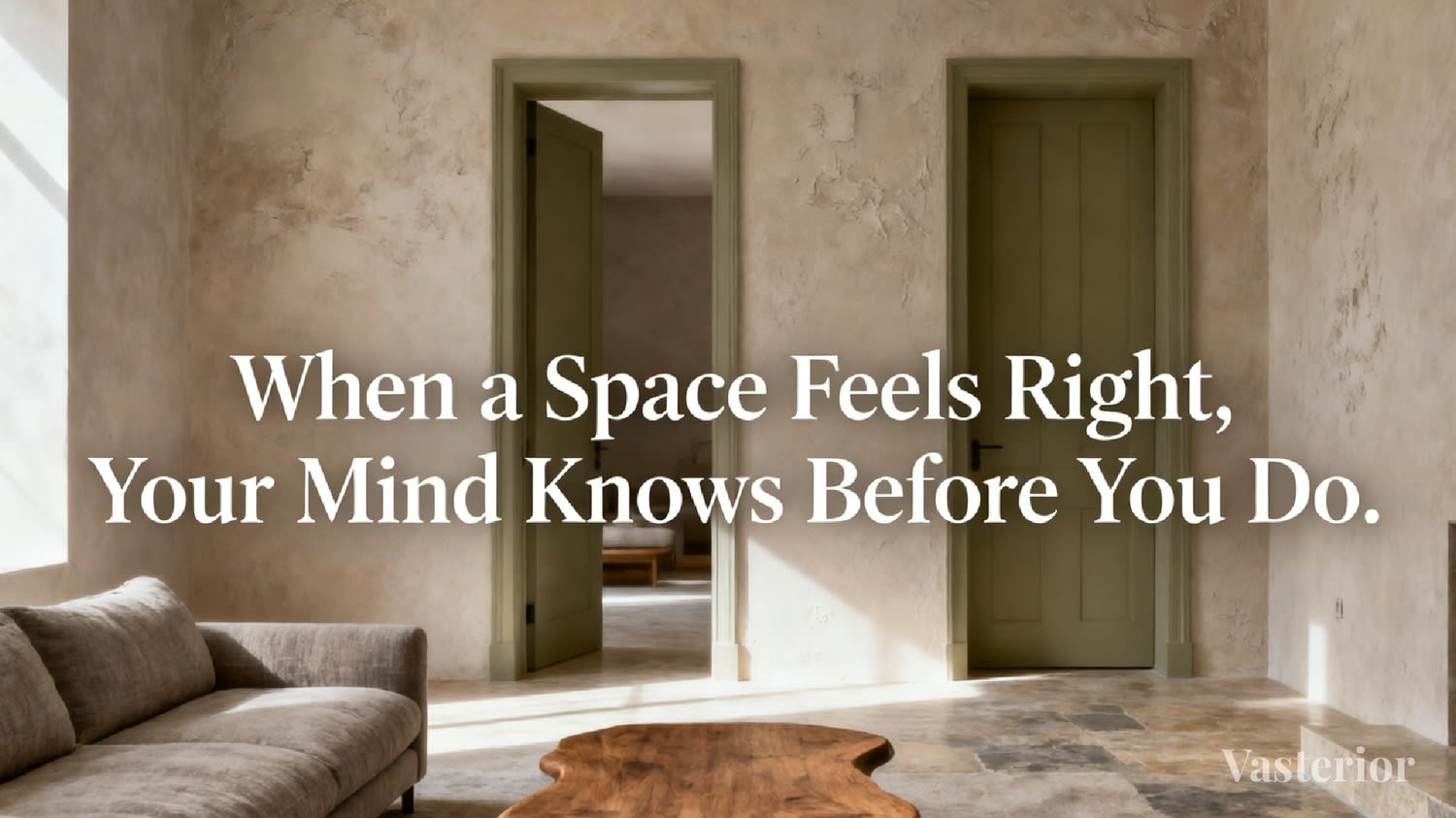
Vasterior understands something that most people sense but struggle to articulate: some spaces feel right the moment you step into them. There is no conscious analysis, no checklist being ticked in the mind. You simply feel calmer. More settled. More present. Your shoulders drop. Your breathing softens. Before aesthetics register, before opinions form, your body already knows.
This instinctive response is not accidental, nor is it mystical. It is psychological. It is biological. And it is deeply human.
Interior design, at its highest level, is not about styling a room, it is about shaping how people feel, think, and function within a space. The reason certain homes, offices, or environments instantly feel aligned is because they quietly support the human nervous system. They respect proportion, movement, light, and orientation in ways the brain recognises as safe, coherent, and balanced.
Understanding why this happens is where design moves beyond appearance, and enters the realm of psychology.
The Invisible Language of Space
Every space speaks. Not verbally, but neurologically.
Within seconds of entering a room, the human brain begins scanning its surroundings. It looks for cues of safety, order, clarity, and predictability. This process happens below conscious awareness. We do not think, Is this space proportionate? Is the light comfortable? Can I move freely here? yet our nervous system answers all these questions instantly.
When a space offers visual clarity, balanced proportions, and intuitive movement, the brain relaxes. When it doesn't, subtle stress responses are activated, restlessness, irritation, fatigue, or discomfort, even if we cannot explain why.
This is why two rooms of similar size and budget can feel entirely different. One feels welcoming and grounding. The other feels heavy, noisy, or oddly unsettling. The difference lies not in décor, but in how the space communicates with the mind.
The Psychology Behind "This Feels Right"
That elusive feeling of "rightness" is the result of multiple design decisions working together harmoniously. None of them scream for attention, yet each one matters.
Proportion, Scale & Human Comfort
Human beings are acutely sensitive to scale. Our bodies instinctively compare themselves to the space around them.
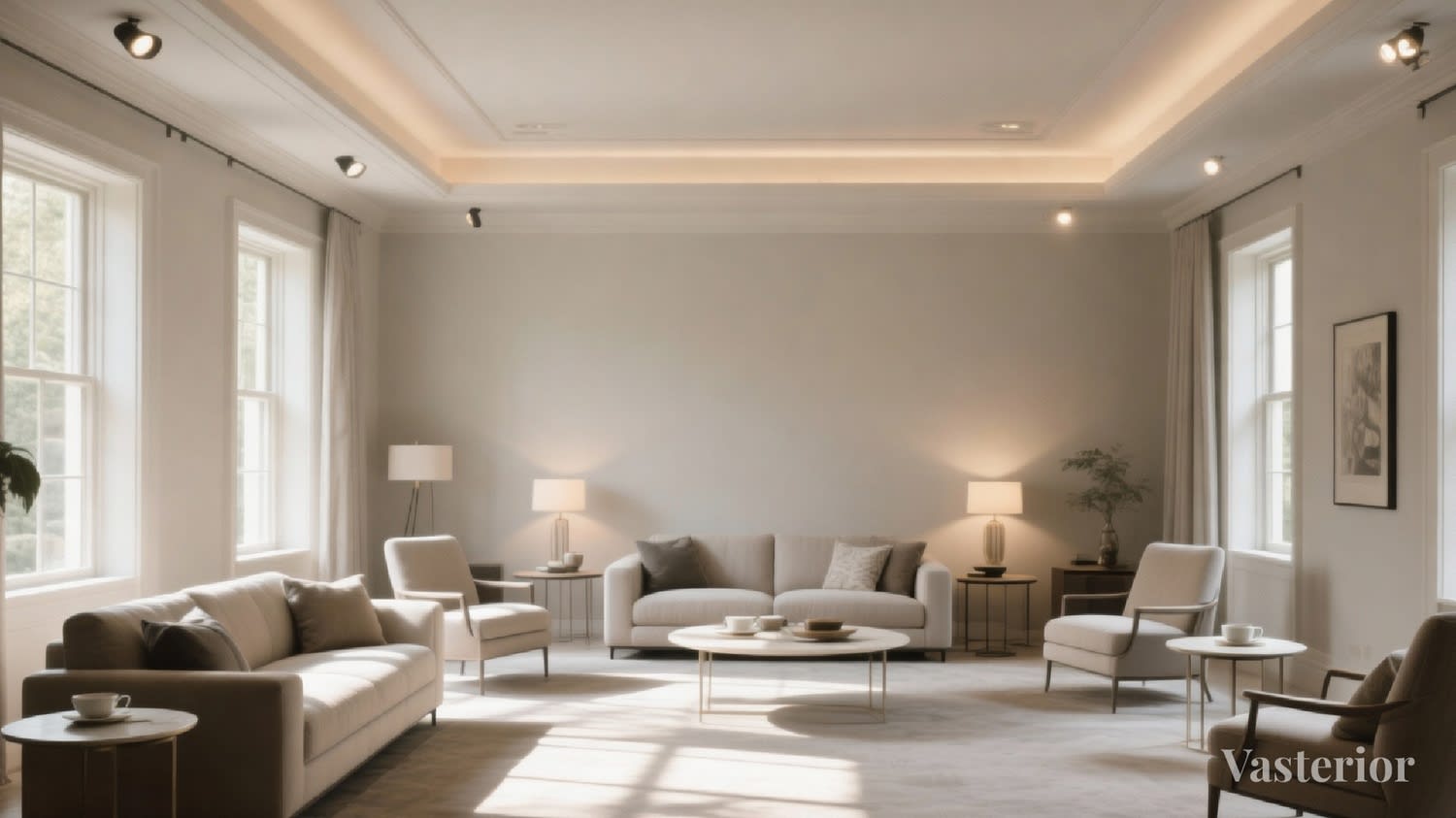
Rooms that are too cramped trigger subconscious tension. Rooms that are excessively oversized without visual anchoring can feel cold or disorienting. When furniture is too bulky, ceilings feel lower. When seating is underscaled, rooms feel unfinished or unstable.
Spaces that feel right respect human proportions. Furniture relates naturally to the body. Ceilings feel neither oppressive nor cavernous. Negative space is allowed to exist, giving the eyes, and the mind, room to rest.
This is why well-designed spaces rarely feel crowded, even when richly layered. They understand restraint as a form of comfort.
Natural Light & Circadian Trust
Light is not decorative. It is biological.
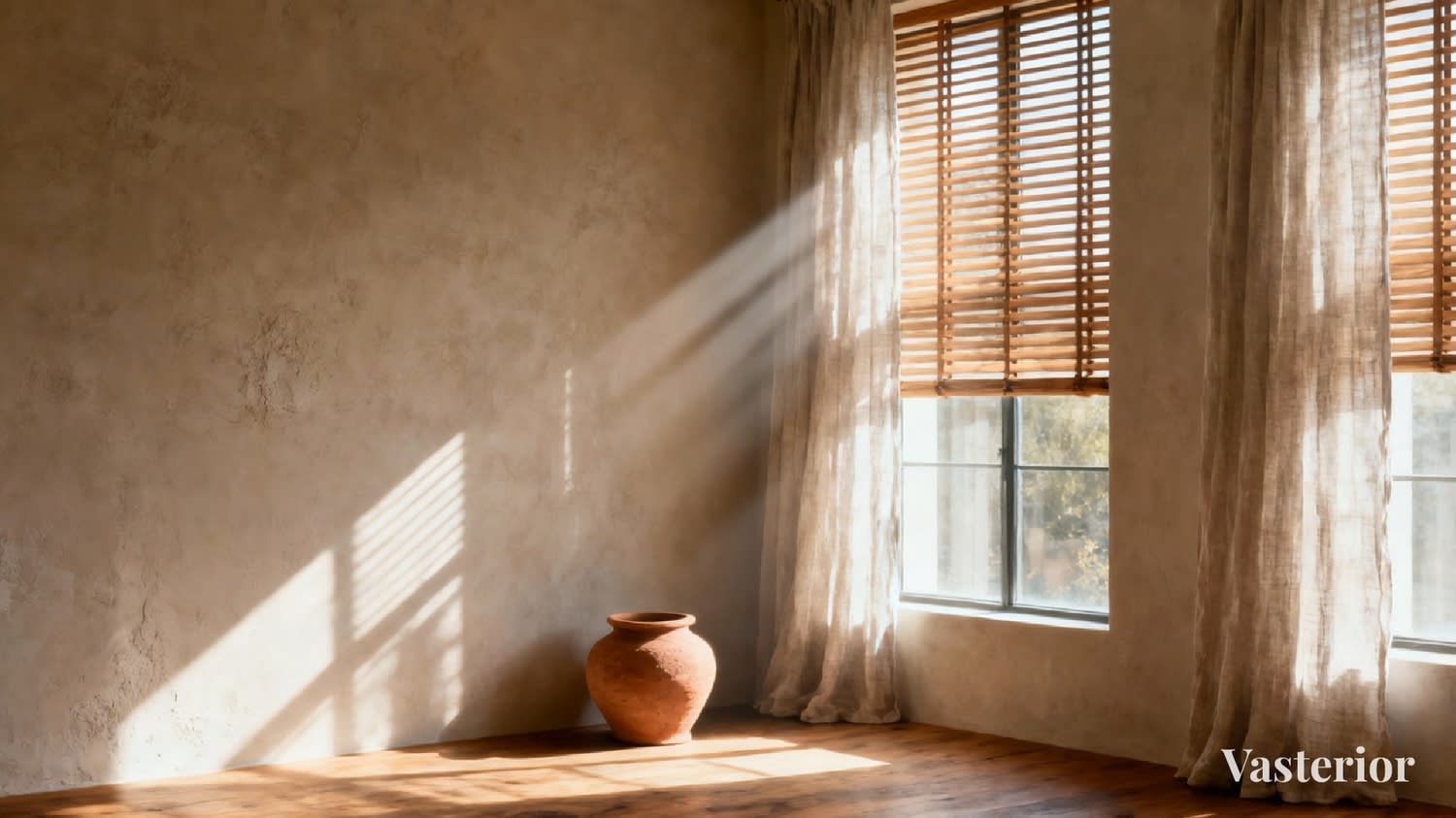
Natural daylight regulates circadian rhythms, mood, focus, and emotional stability. Spaces that receive balanced daylight tend to feel more alive, breathable, and psychologically nourishing. Poorly lit interiors, on the other hand, often induce lethargy, irritation, or restlessness, regardless of how expensive the furnishings may be.
Equally important is how light enters a space. Harsh glare creates anxiety. Flat, shadowless lighting feels lifeless. Layered lighting, a thoughtful balance of ambient, task, and accent illumination, creates depth and visual ease.
When light behaves naturally within a room, the mind trusts the space.
Material Memory
Materials carry memory.
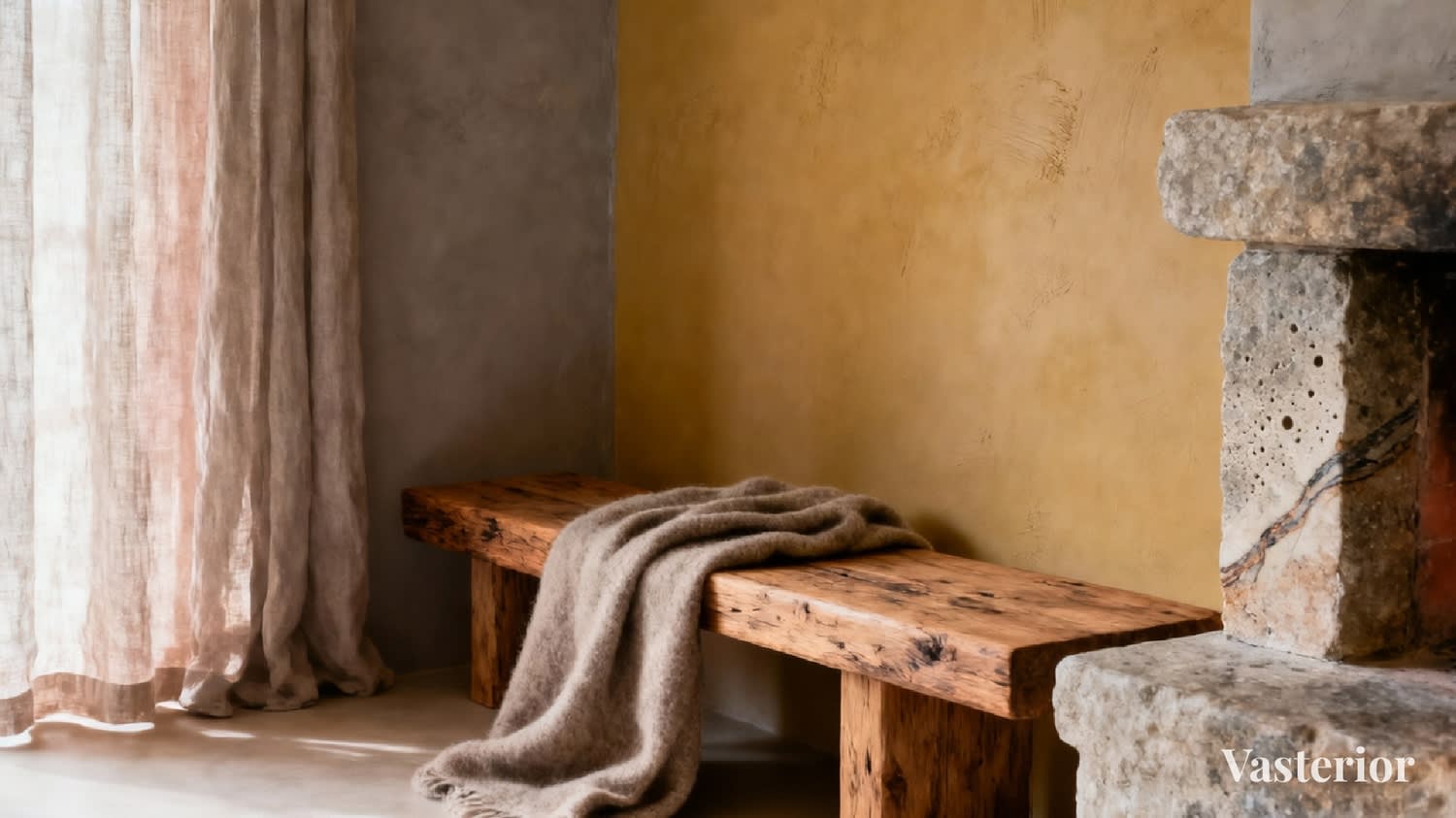
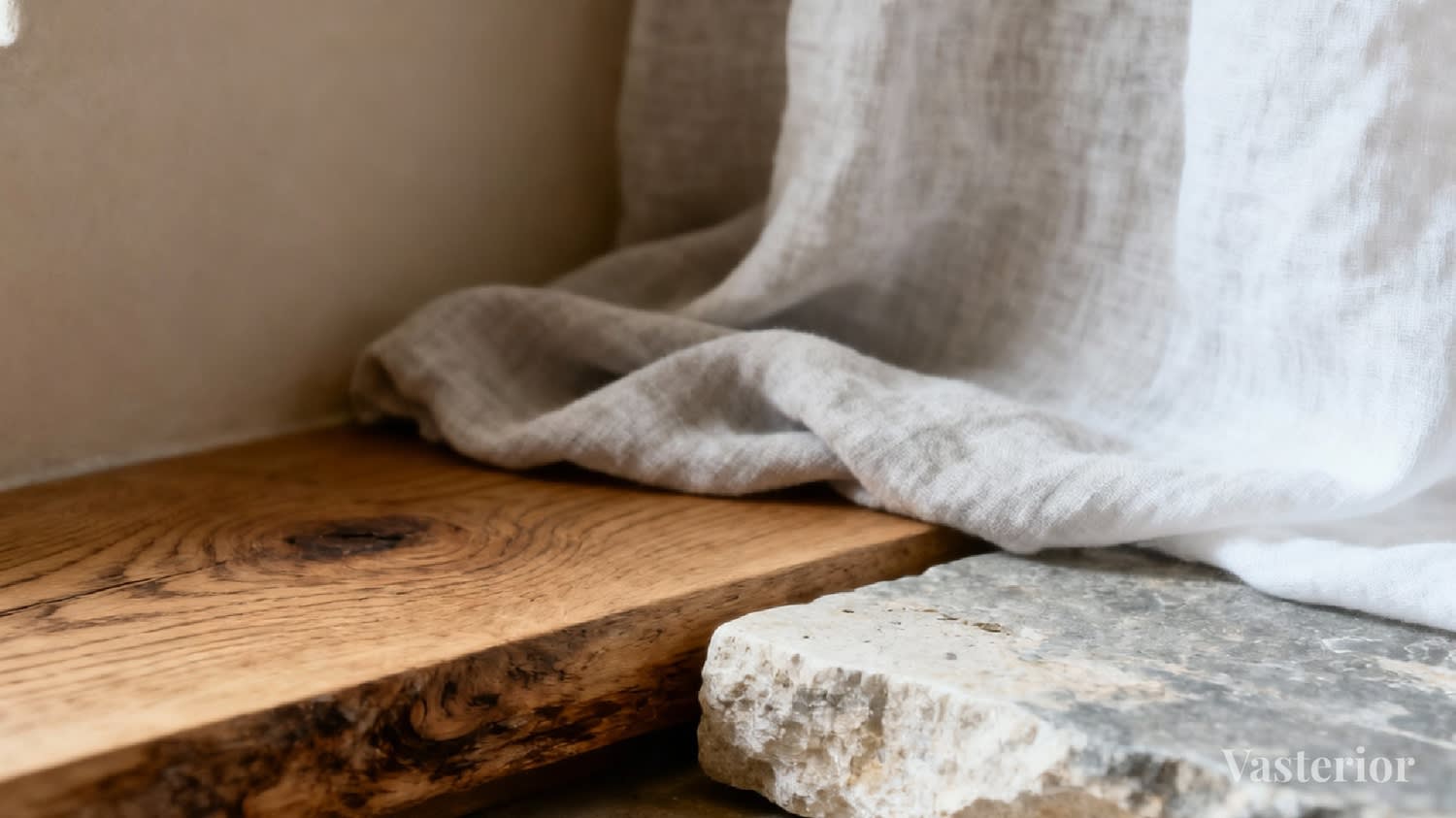
Humans evolved in tactile environments, stone, wood, clay, fabric, leather. Natural materials have irregularities, warmth, and texture that the brain associates with longevity and stability. They age gracefully, developing character rather than decay.
Overly synthetic environments, though sleek, can feel temporary or emotionally distant. Smooth surfaces without texture reflect sound and light harshly, increasing sensory fatigue.
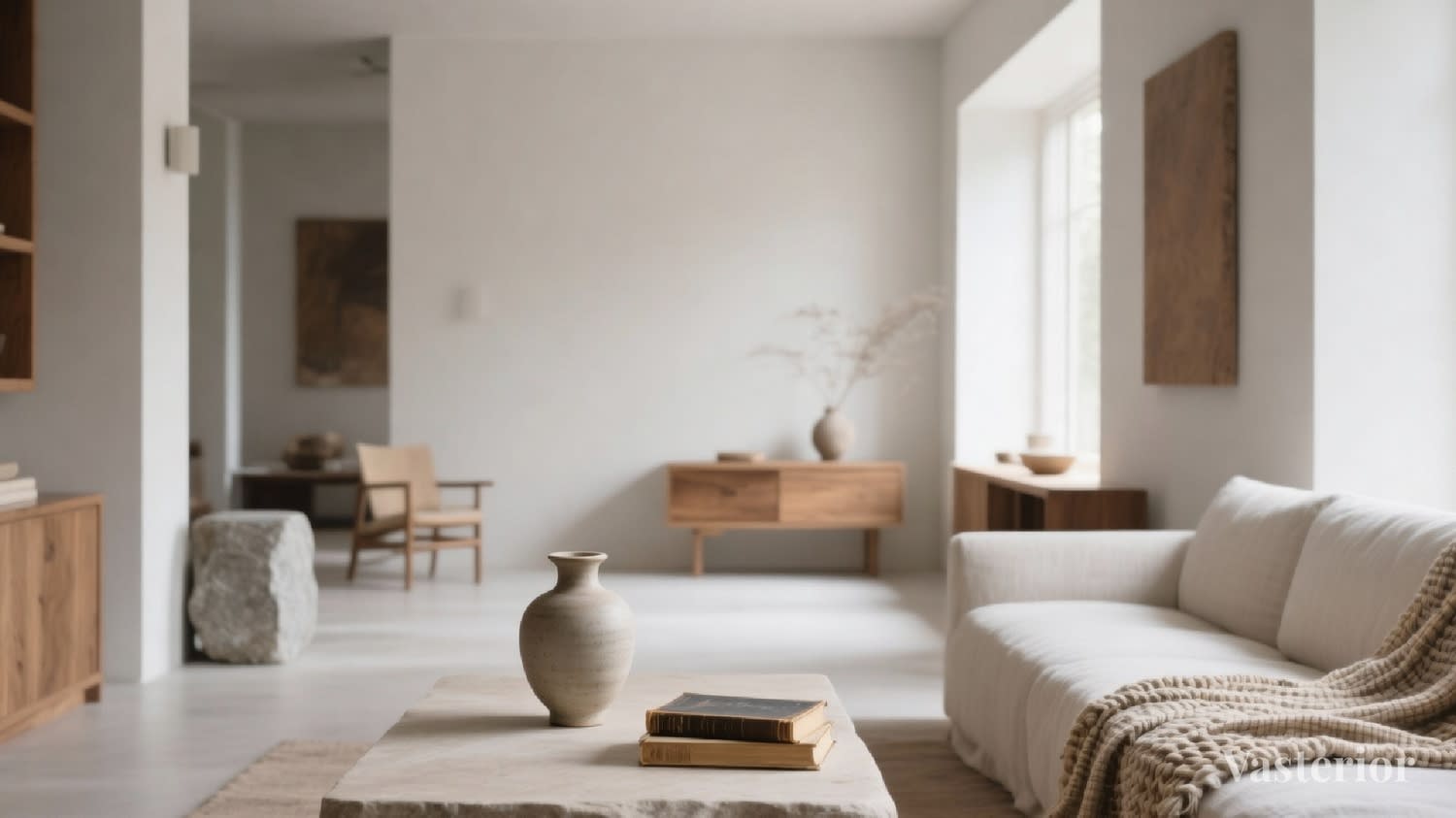
Spaces that feel right often feature a quiet dialogue between materials, a balance of softness and solidity. Texture absorbs noise. Natural finishes ground the eye. The result is an environment that feels safe to inhabit, not just impressive to observe.
Spatial Flow: How Movement Affects the Mind
One of the most underestimated aspects of interior psychology is movement.
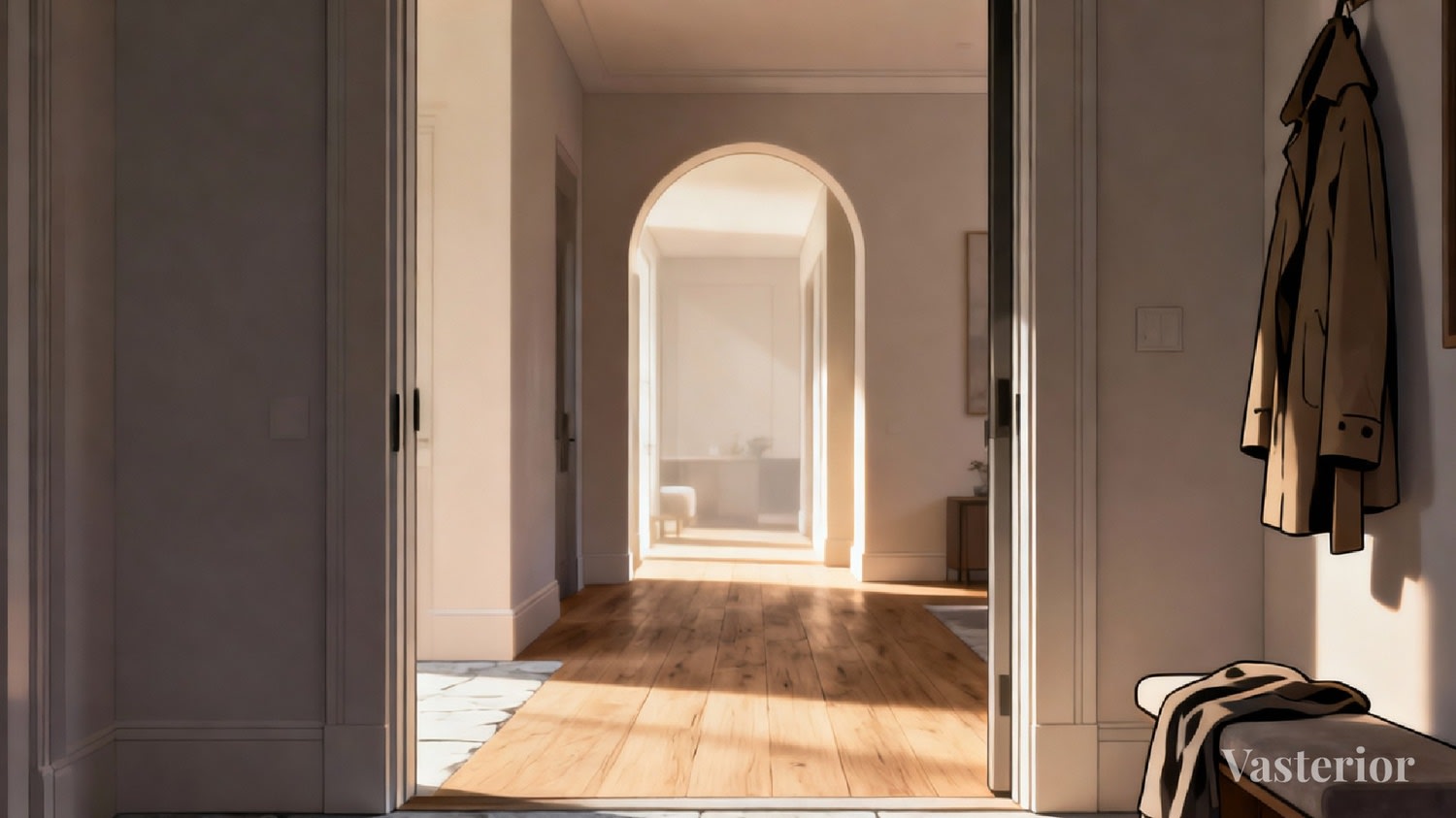
A well-designed space allows the body to move intuitively. Paths are clear. Transitions feel natural. There is no constant adjustment, sidestepping, or navigating around obstacles. When circulation is smooth, mental energy is conserved.
Conversely, awkward layouts create friction. Blocked pathways, sharp turns, misplaced furniture, or unclear zoning subtly irritate the nervous system. Over time, this translates into mental fatigue --- even in one's own home.
Spatial flow is not about openness alone. It is about coherence. Spaces that guide movement without effort feel supportive. They reduce decision-making and cognitive load, allowing the mind to rest.
Emotional Anchors in Design
Spaces that feel right almost always contain emotional anchors.
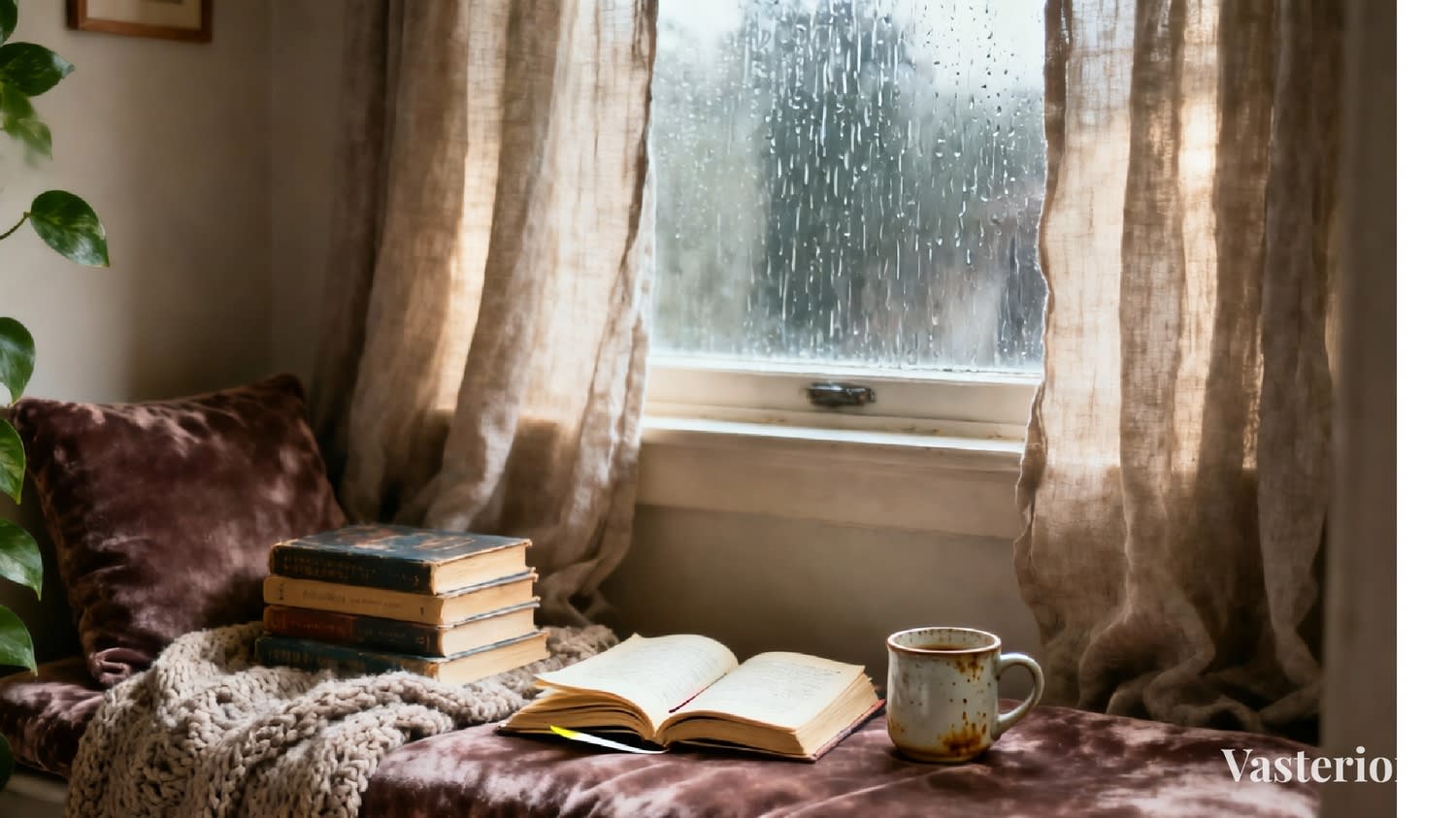
These are not decorative statements, but moments of psychological comfort, a window seat that invites pause, a reading corner that feels protected, a dining area that encourages conversation, an entryway that gently transitions from outside chaos to inner calm.
Such anchors create rhythm within a home. They provide zones of retreat and engagement. Without them, spaces can feel visually complete yet emotionally hollow.
Design that understands emotion does not just fill rooms, it creates places to belong.
Why Clutter Feels Loud (Even When You're Used to It)
The human brain processes visual information constantly. Every object, surface, and contrast competes for attention.
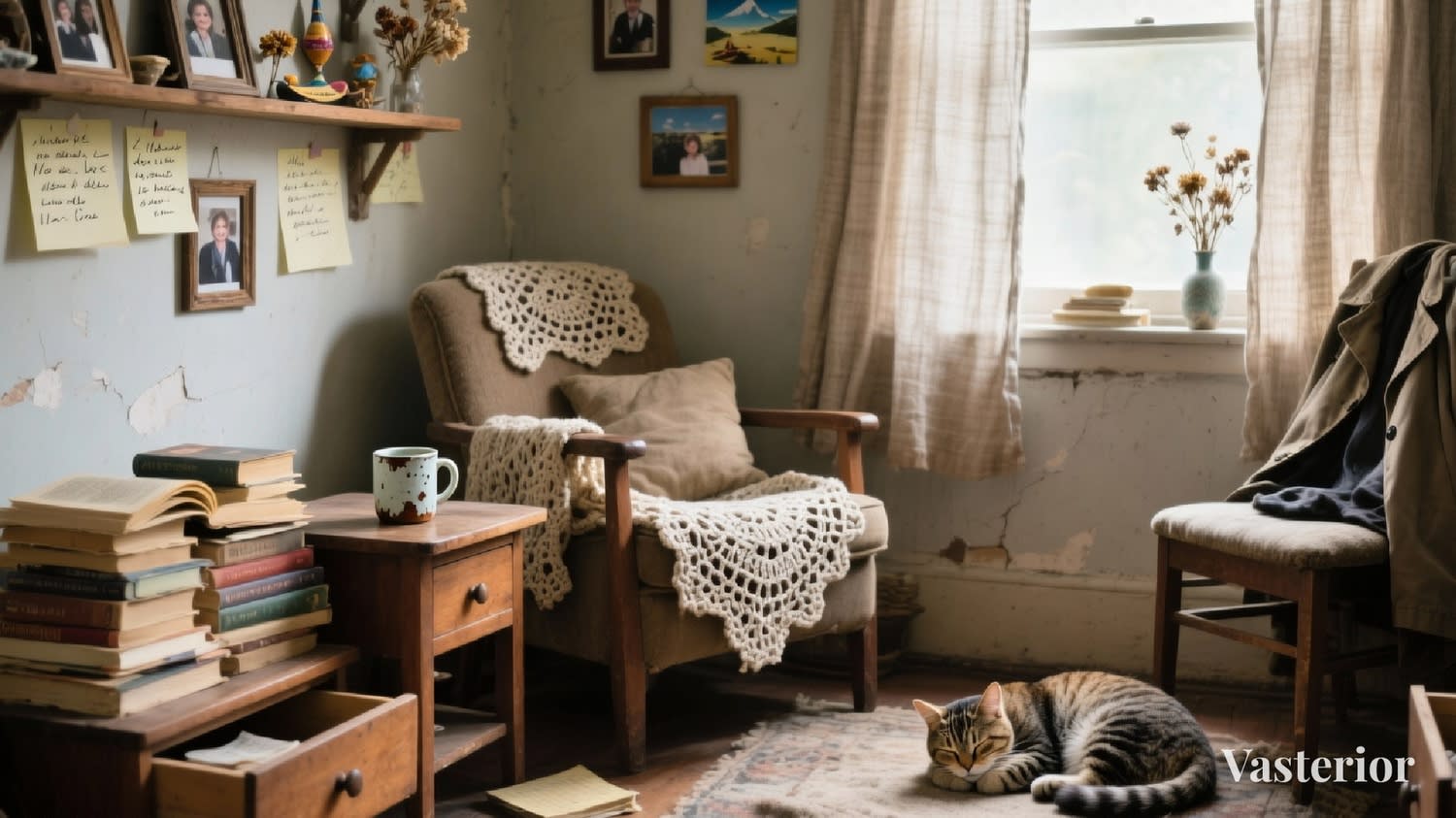
Clutter increases cognitive load. Even when familiar, it demands subconscious processing. Over time, this visual noise contributes to mental exhaustion, reduced focus, and emotional irritability.
This does not mean minimalism is the answer. Rich, layered interiors can feel deeply comforting when designed intentionally. The difference lies in coherence. When objects relate to each other, in scale, color, and purpose, the mind perceives harmony rather than chaos.
Spaces that feel right are edited. They respect the mind's need for clarity.
The Role of Direction & Alignment (Scientific, Not Superstitious)
Orientation matters.
Long before modern psychology, civilizations observed how direction, light, airflow, and activity placement affected human comfort. What is often misunderstood today as belief-based practice is, at its core, environmental logic.
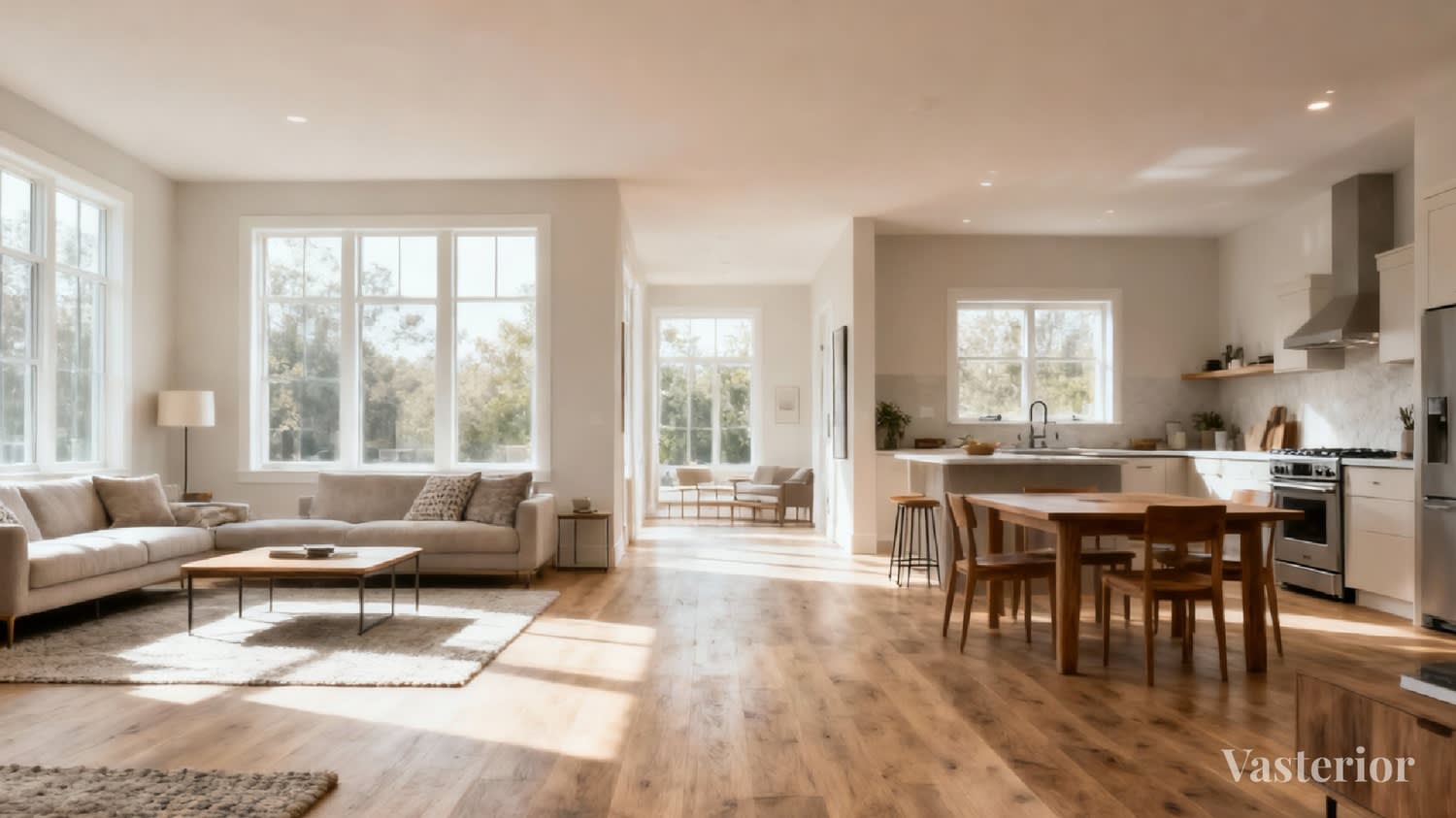
When key activities are aligned with natural light patterns, when rest zones are protected from excessive stimulation, when entrances feel welcoming rather than abrupt, spaces begin to support life rather than resist it.
Scientific Vastu, when applied thoughtfully, operates as a framework for spatial alignment, not superstition. It examines how orientation, movement, and activity placement influence mental ease and physical wellbeing.
Spaces that feel right often follow these principles intuitively, even when occupants are unaware of them.
Why Copy-Paste Pinterest Homes Often Feel Wrong
Trend-driven interiors photograph well, but they do not always live well.
Design that prioritises visual impact over personal rhythm often feels impressive at first, then exhausting over time. This is because identity, routine, culture, and emotional needs vary deeply from one person to another.
A home that truly feels right reflects its inhabitants, not a moodboard. It accommodates habits, supports rest, encourages connection, and evolves gracefully with time.
Psychologically aligned design lasts longer than trends because it is rooted in human experience, not applause.
Designing for Alignment, Not Applause
At its essence, good design is quiet.
It does not shout for validation. It does not overwhelm. It supports life subtly, allowing people to feel more like themselves within a space. When a home or workplace feels aligned, it fades into the background, not because it lacks presence, but because it does its job so well.
Design that feels right does not demand attention. It gives peace.
At Vasterior, the approach begins not with how a space should look, but with how it should support the life unfolding within it. By understanding psychology, flow, materiality, and alignment, design becomes a tool for clarity rather than confusion.
Because when a space truly feels right, you stop noticing it, and start living better within it.