
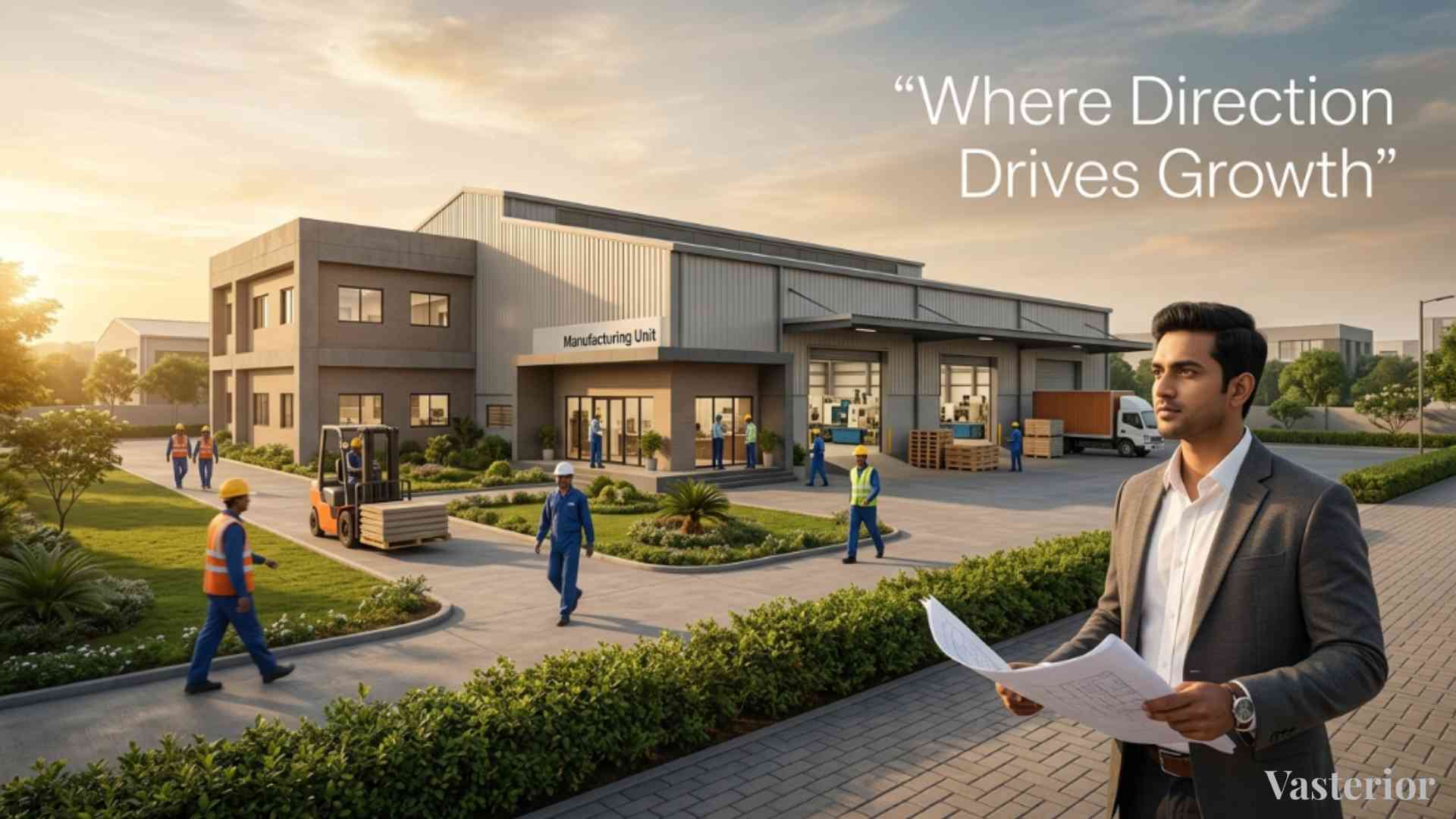
Most factory owners obsess over machinery, manpower, and production targets.
Very few stop to question whether the space itself is supporting growth or silently resisting it.
A factory is not merely a production unit filled with equipment. It is an energy-driven operational organism where movement, heat generation, material circulation, human coordination, and financial activity continuously interact with each other.
When the spatial arrangement aligns with natural directional forces, the business often experiences smoother functioning, better coordination, reduced friction, and a more stable growth pattern.
When ignored, the same space can begin to feel heavy, chaotic, unproductive, and constantly resistant despite strong business potential.
For small factory owners especially, where every operational decision matters, proper Vastu alignment can become an underrated competitive advantage.
Modern industrial planning is no longer looking only at square footage and machinery placement. Business owners are beginning to recognise how directional planning impacts workflow efficiency, operational smoothness, financial consistency, and even the emotional climate inside the workplace.
This is exactly where Vastu for factory setup becomes powerful.
Why Vastu Matters in Small Factory Planning
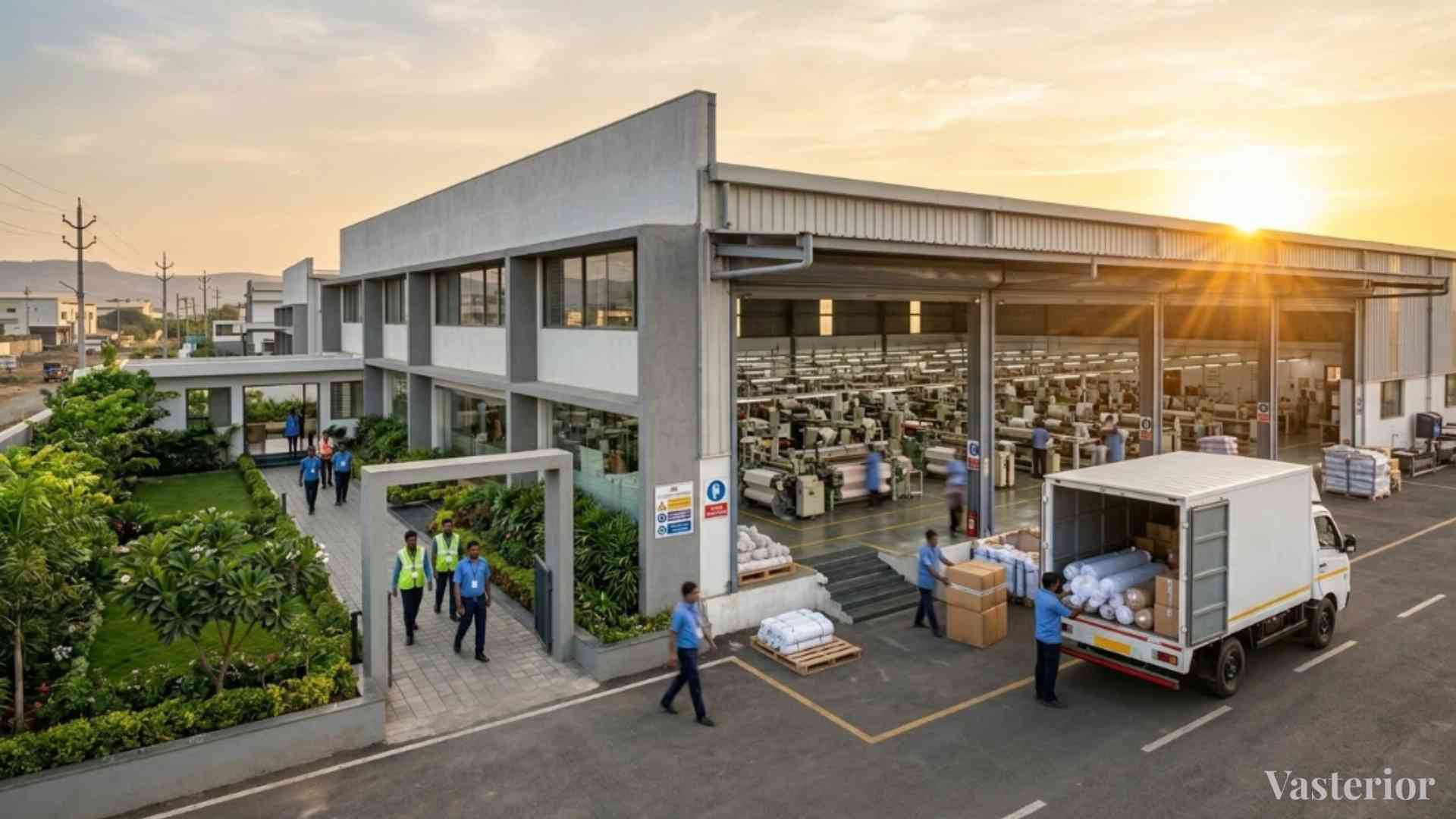
Unlike residential spaces, factories function under constant movement, heat generation, material circulation, human coordination, and financial activity. This makes directional balance even more important.
- Better production flow
- Reduced operational stress
- Improved workforce discipline
- Lower chances of repeated breakdowns
- Faster inventory movement
- Greater clarity in leadership decisions
- Enhanced financial consistency
Many industrial owners notice that despite investing heavily in machinery and staffing, their units still experience recurring instability. Often, the issue lies not in effort but in environmental resistance created by improper planning.
Spatial alignment affects behaviour more than most people realise. A factory with blocked north zones, heavy clutter in the north-east, incorrect slope directions, or disturbed fire zones can unintentionally create operational stagnation.
Modern architecture focuses on functionality. Vastu adds directional intelligence to that functionality, creating industrial ecosystems that feel aligned, stable, productive, and energetically intelligent.
Best Plot Direction for Factory Setup
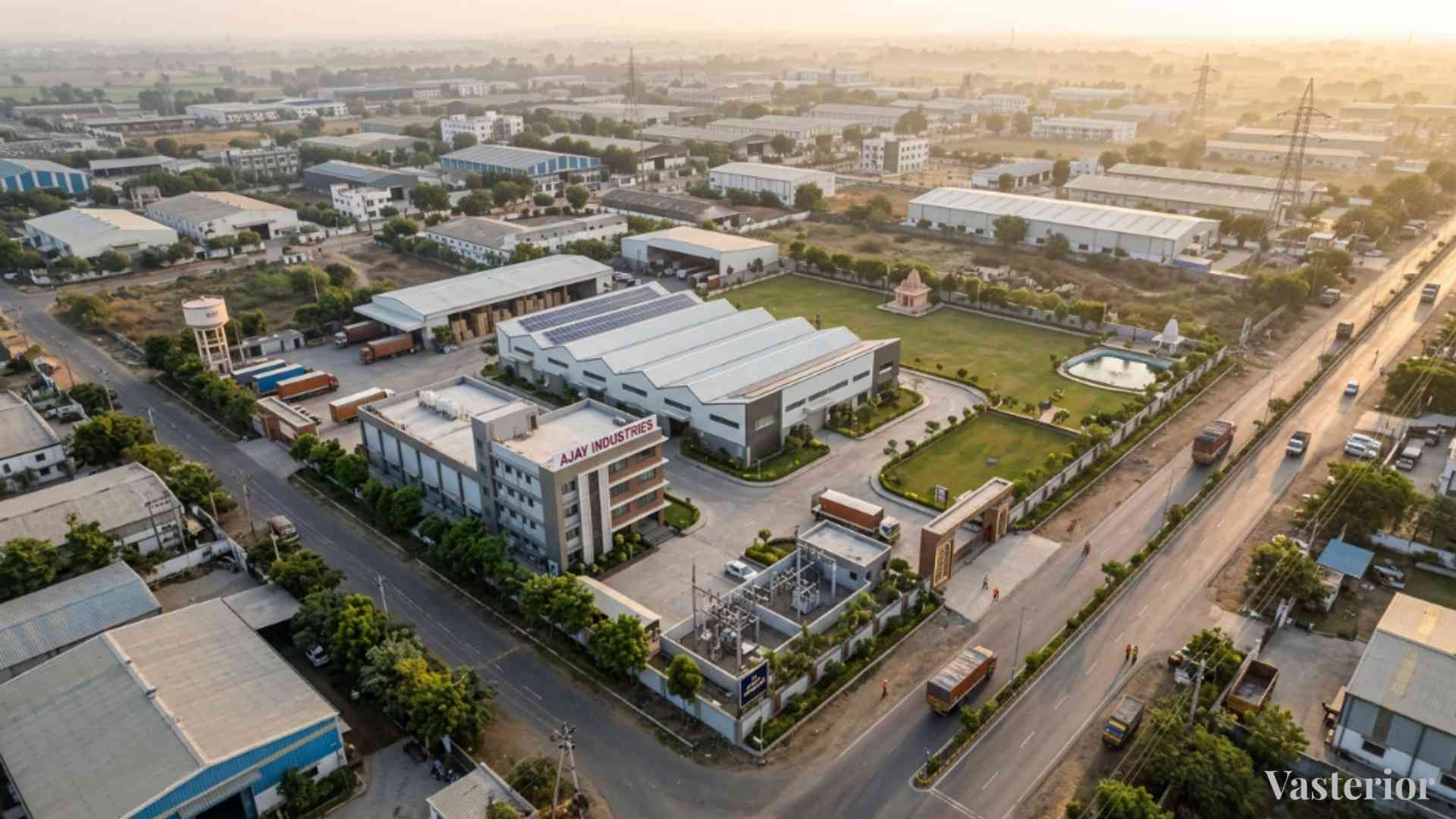
The orientation of the industrial plot plays a major role in determining the overall energetic behaviour of the manufacturing unit.
North Facing Factory
North-facing factory plots are often considered highly beneficial for financial movement, business networking, and commercial expansion. These plots support smoother cash flow and business opportunities.
- Trading units
- Packaging industries
- Textile businesses
- FMCG manufacturing
North-facing factories naturally align with financial circulation and business expansion patterns, making them ideal for enterprises requiring consistent market movement.
East Facing Factory
East-facing plots support growth, innovation, visibility, and workforce vitality. They are often suitable for businesses requiring creativity and market expansion.
- Design-based manufacturing
- Electronics
- Start-up production units
- Premium product industries
East orientation brings vitality and clarity, making these spaces ideal for innovative manufacturing and rapid scaling.
West Facing Factory
West-facing plots can perform well when properly balanced. They often support stability and long-term consistency.
- Heavy production industries
- Metal works
- Warehousing units
With strategic design, west-facing factories can achieve operational grounding and financial stability.
South Facing Factory
South-facing factories require careful planning. When aligned correctly, they can support authority, discipline, and strong operational control.
- Machinery-intensive industries
- Technical production units
- Engineering workshops
South-facing orientation demands expert spatial planning but can create powerful operational discipline and technical excellence when properly aligned.
Ideal Entrance Direction for Manufacturing Units
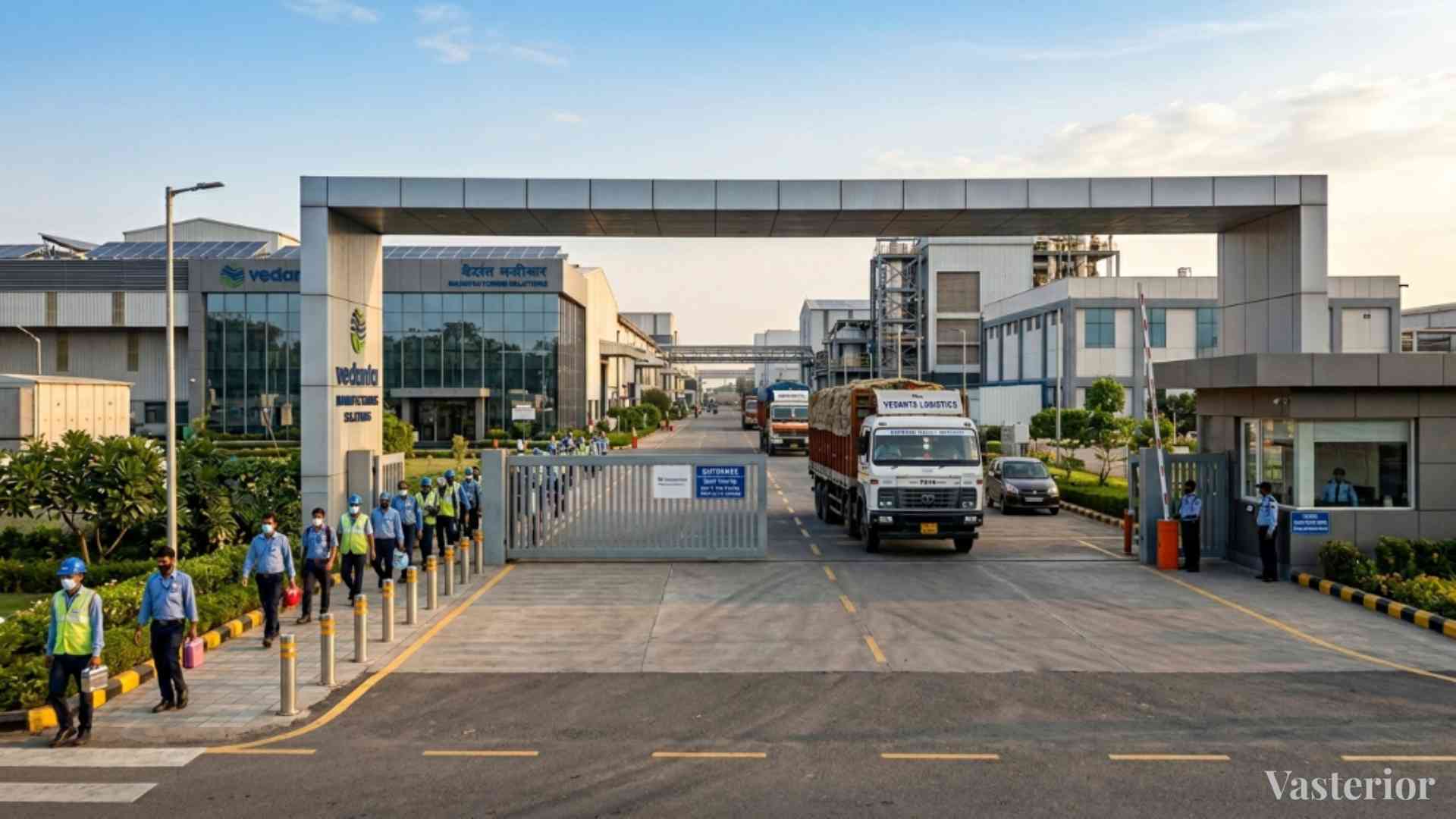
The entrance determines how movement, opportunities, and operational momentum enter the factory. It is the energetic mouth of the manufacturing unit.
- North-east entrances
- East entrances
- North entrances
- East of north-east openings
These entrance zones support smooth inflow of opportunities, client interactions, and operational momentum.
Avoid south-west entrances, south-south-west openings, and heavy obstruction near entry gates. A cluttered entrance creates psychological and operational friction. Employees unconsciously respond to spatial compression, darkness, and blocked movement.
An open, clean, well-lit entrance improves movement quality inside the unit and psychologically signals confidence and clarity to visitors and clients.
Vastu Positioning of Heavy Machinery
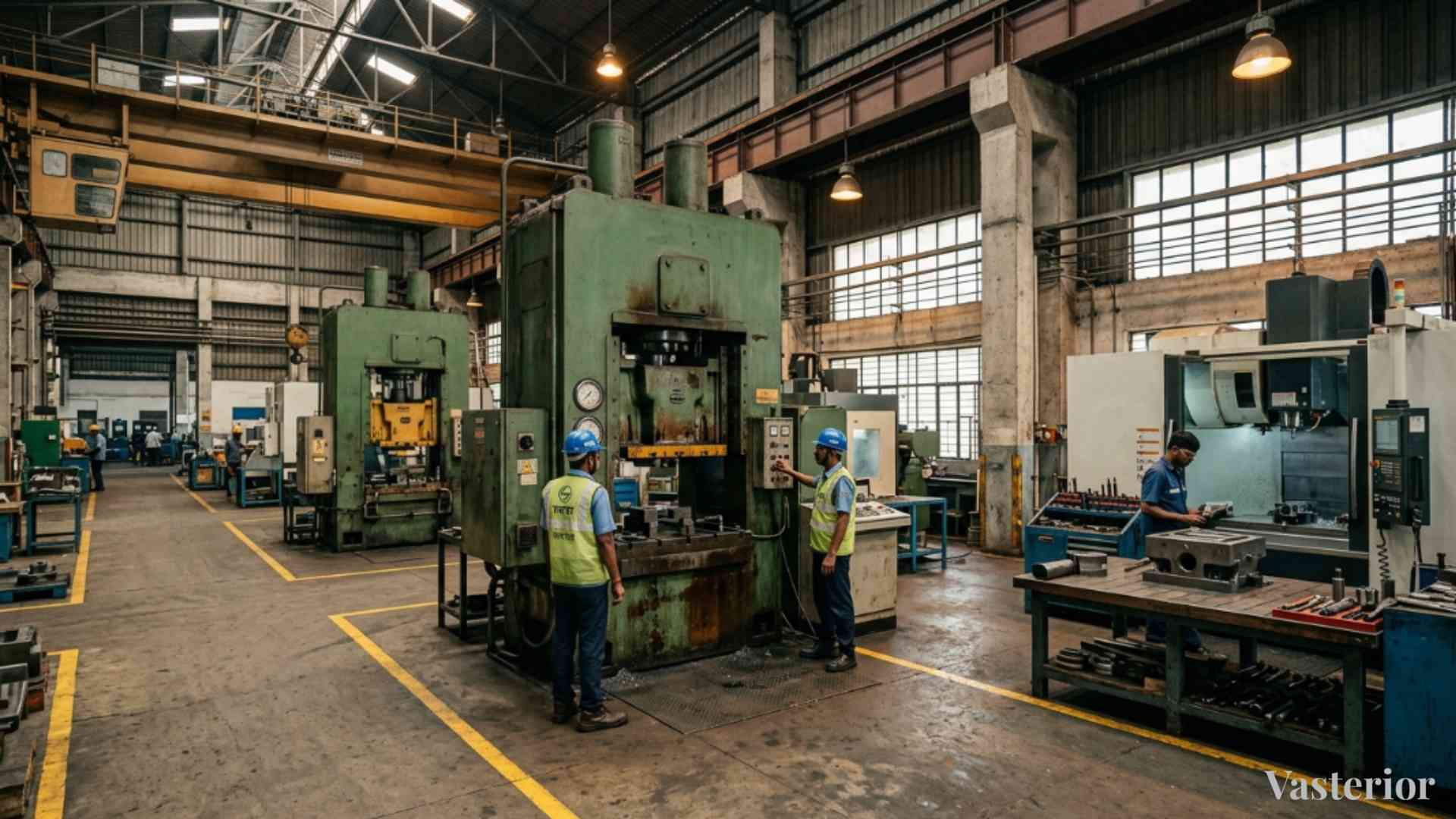
Heavy machinery should ideally be placed in specific directional zones to maintain operational balance and stability.
- South-west zones
- South zones
- West zones
These directions symbolically hold weight and stability, supporting the energetic grounding required by heavy industrial operations.
Avoid placing heavy equipment in north-east or centre zones. This often creates imbalance in movement flow and operational pressure. The north-east should remain comparatively lighter, cleaner, and more open to support expansion energy.
Proper machinery placement ensures both physical stability and energetic harmony within the manufacturing space.
Ideal Placement of Raw Materials
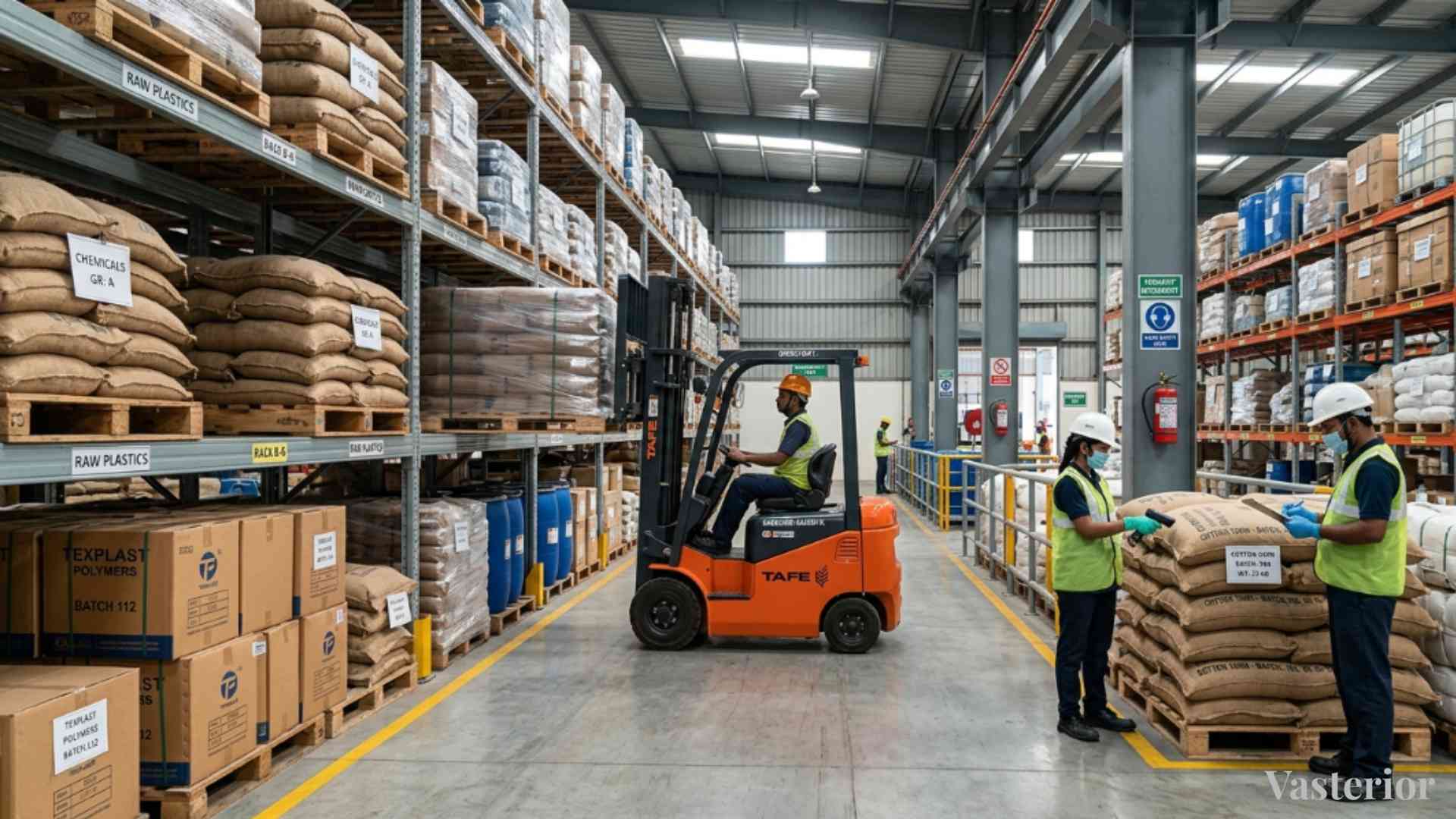
Raw materials represent incoming operational energy and production potential.
- South-west storage zones
- South zones
- West zones
This placement creates grounding and inventory stability, supporting consistent material flow and production readiness.
Avoid storing excessive raw materials in north-east or east zones. These zones should support movement and expansion rather than blockage. Raw material accumulation in sensitive zones creates energetic congestion and can slow production cycles.
Strategic raw material placement aligns inventory management with directional energy flow.
Finished Goods Storage Directions
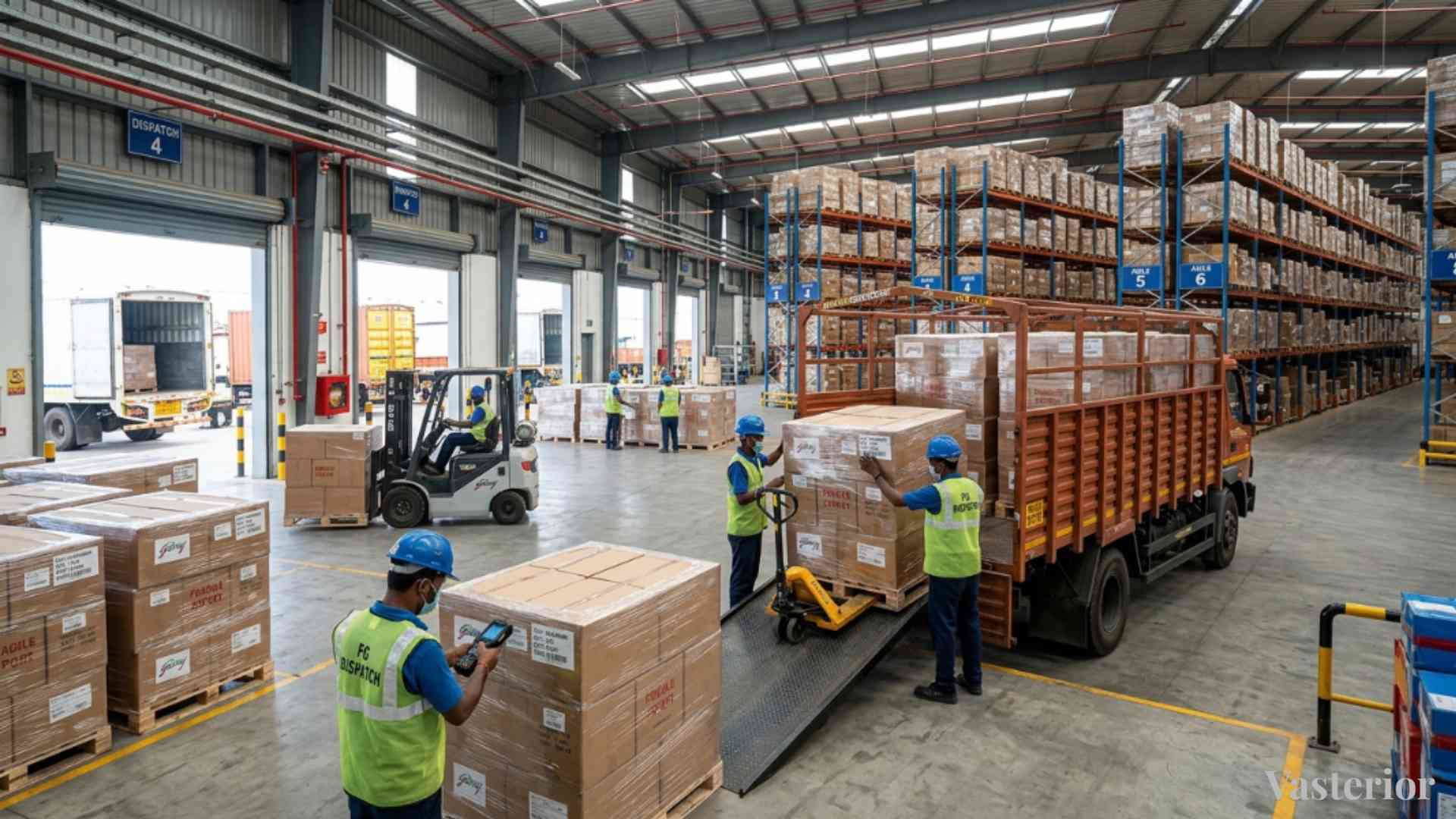
Finished products represent completed output and outward movement.
- North-west storage zones
- West zones
These areas support dispatch cycles and smoother product movement, facilitating faster turnover and customer delivery.
Businesses struggling with delayed dispatches often unknowingly create stagnation by storing finished goods in south-west zones for long durations. Proper positioning accelerates outward movement and cash flow.
Office Cabin Placement Within Factory
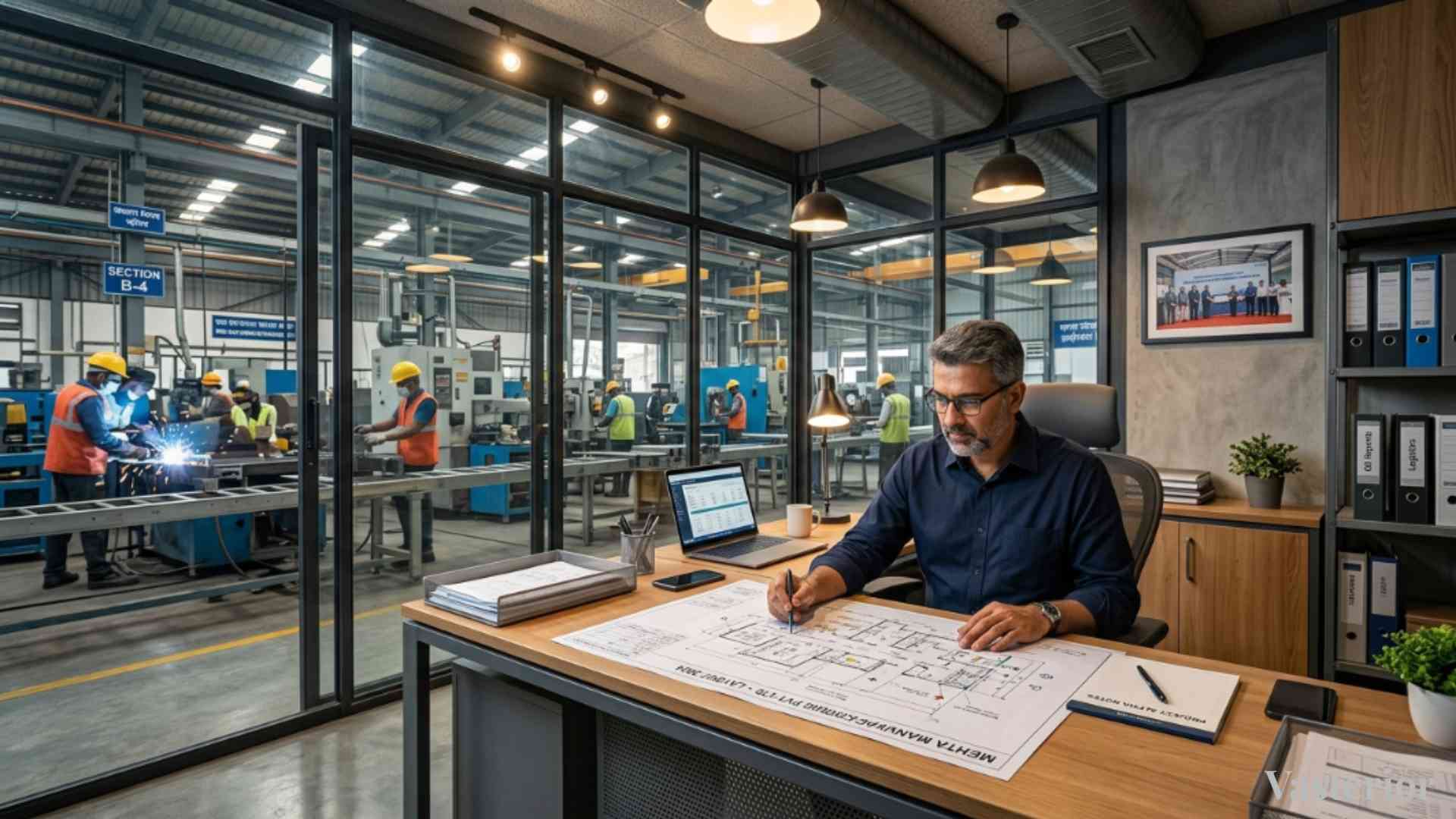
The owner's cabin strongly influences strategic clarity and leadership stability. Its placement and orientation directly affect decision-making quality.
- South-west placements
- West placements
- South placements
The owner should ideally face north or east while making decisions, supporting mental clarity and strategic vision.
Avoid placing leadership cabins in north-east or exact centre positions. Decision-making quality is deeply influenced by environmental pressure and spatial orientation. An improperly positioned cabin can create persistent indecision and leadership instability.
Strategic cabin placement creates the psychological foundation for strong operational leadership.
Worker Seating and Operational Zones
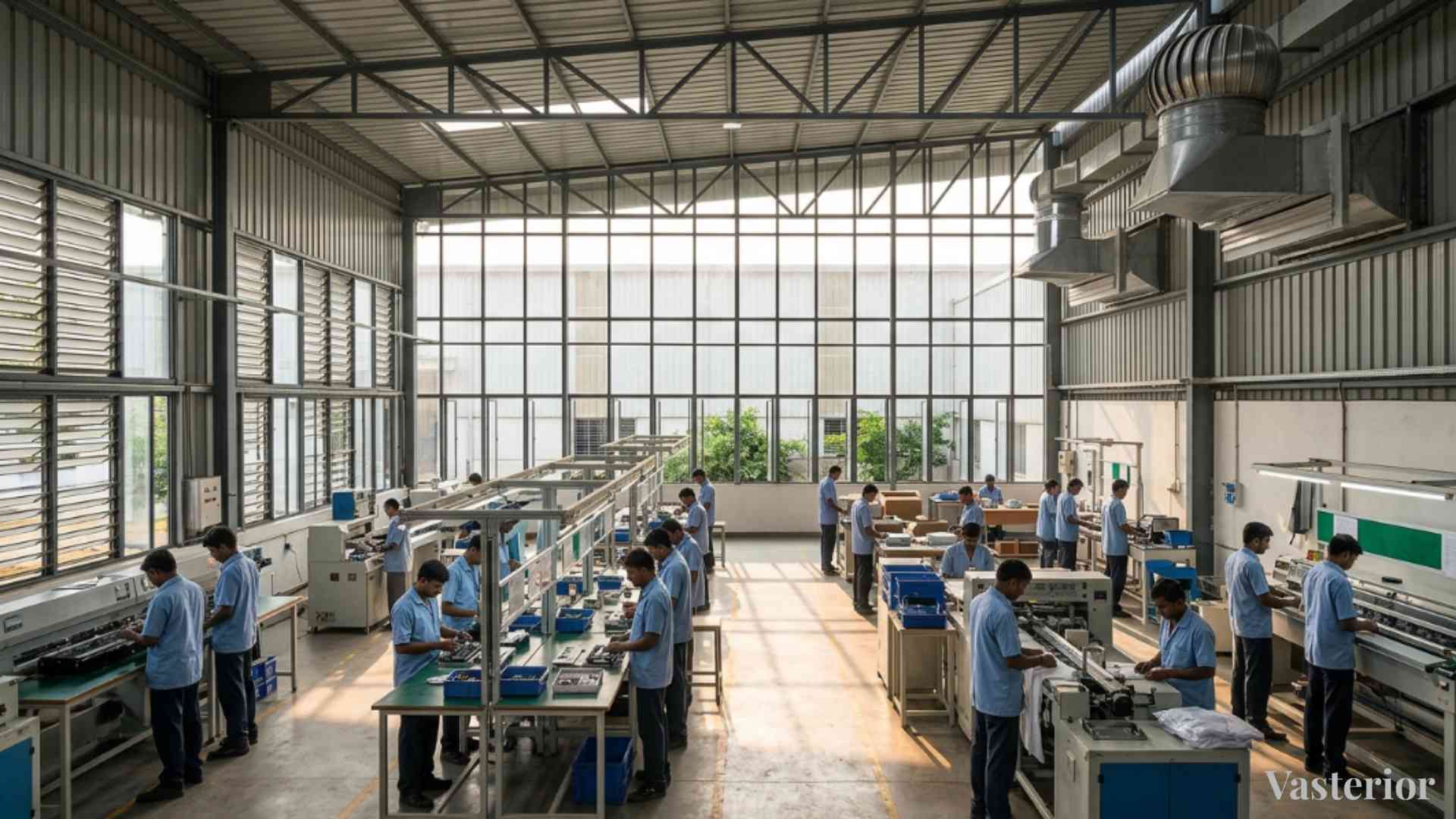
Workers perform best in environments with proper ventilation, natural light, clear movement pathways, and reduced visual clutter.
- East operational zones
- North operational zones
- North-west zones
These zones support alertness, collaboration, and mental clarity among workforce teams.
Congested layouts often increase fatigue and communication breakdowns. A factory should feel operationally fluid rather than visually suffocating.
Environmental psychology shows that workers in bright, ventilated, organized spaces demonstrate higher productivity and better morale.
Fire Element Zones in Factories
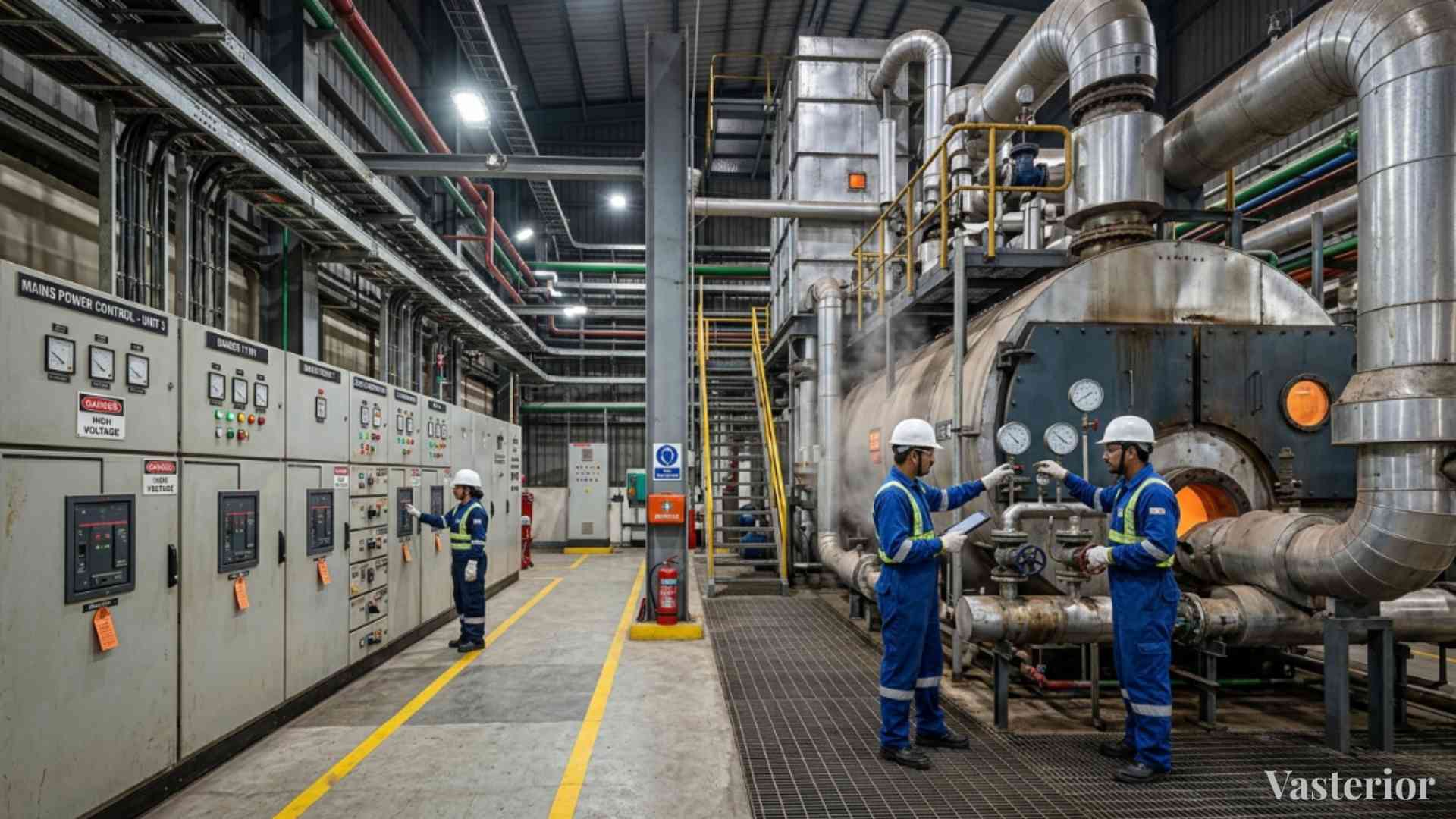
Every factory contains active fire energy through furnaces, boilers, electrical systems, and heat-generating equipment.
- South-east zone placement
The south-east zone naturally supports controlled heat energy and is ideal for fire-related activities.
Avoid placing major fire equipment in north-east or centre positions. This often creates instability and operational tension. South-east placement ensures that intense heat energy is contained and controlled rather than disrupting the broader operational environment.
Electrical Room Direction
Electrical panels, transformers, and power systems should ideally be positioned in energy-supporting zones.
- South-east zones (primary)
- South zones (secondary)
Avoid north-east electrical rooms, as this often creates instability and operational unpredictability.
Electrical imbalance often manifests as repeated system failures, power disruptions, and operational inconsistency. Proper electrical zoning supports reliable infrastructure.
Boiler and Heat Equipment Placement
Boilers and thermal equipment generate intense energy concentration.
- South-east zones
- South zones
These zones support controlled industrial fire energy and reduce energetic conflict within the space.
Strategic placement of thermal equipment prevents heat stress from disturbing operational balance in sensitive manufacturing zones.
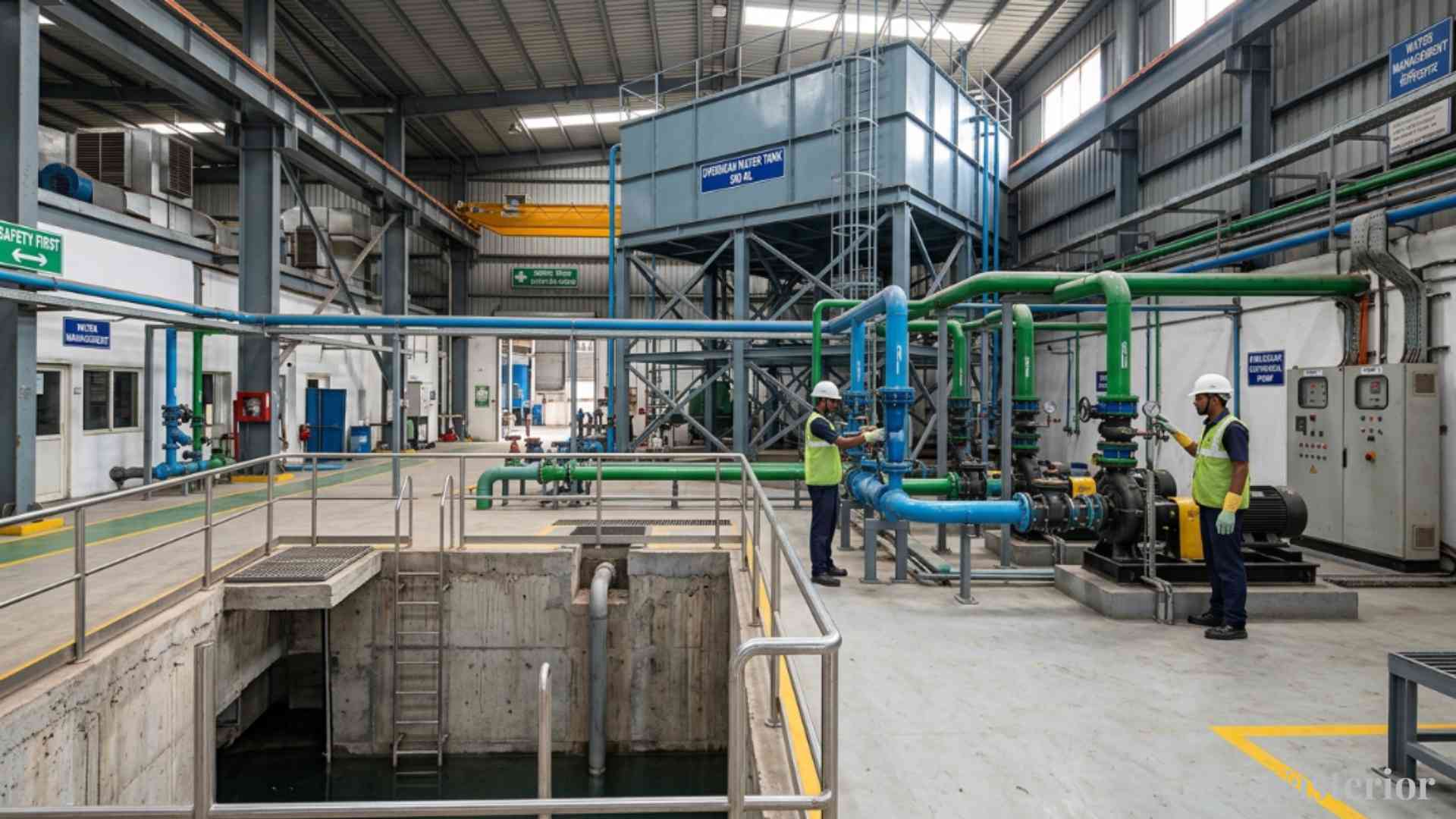
Underground Water Tank Placement
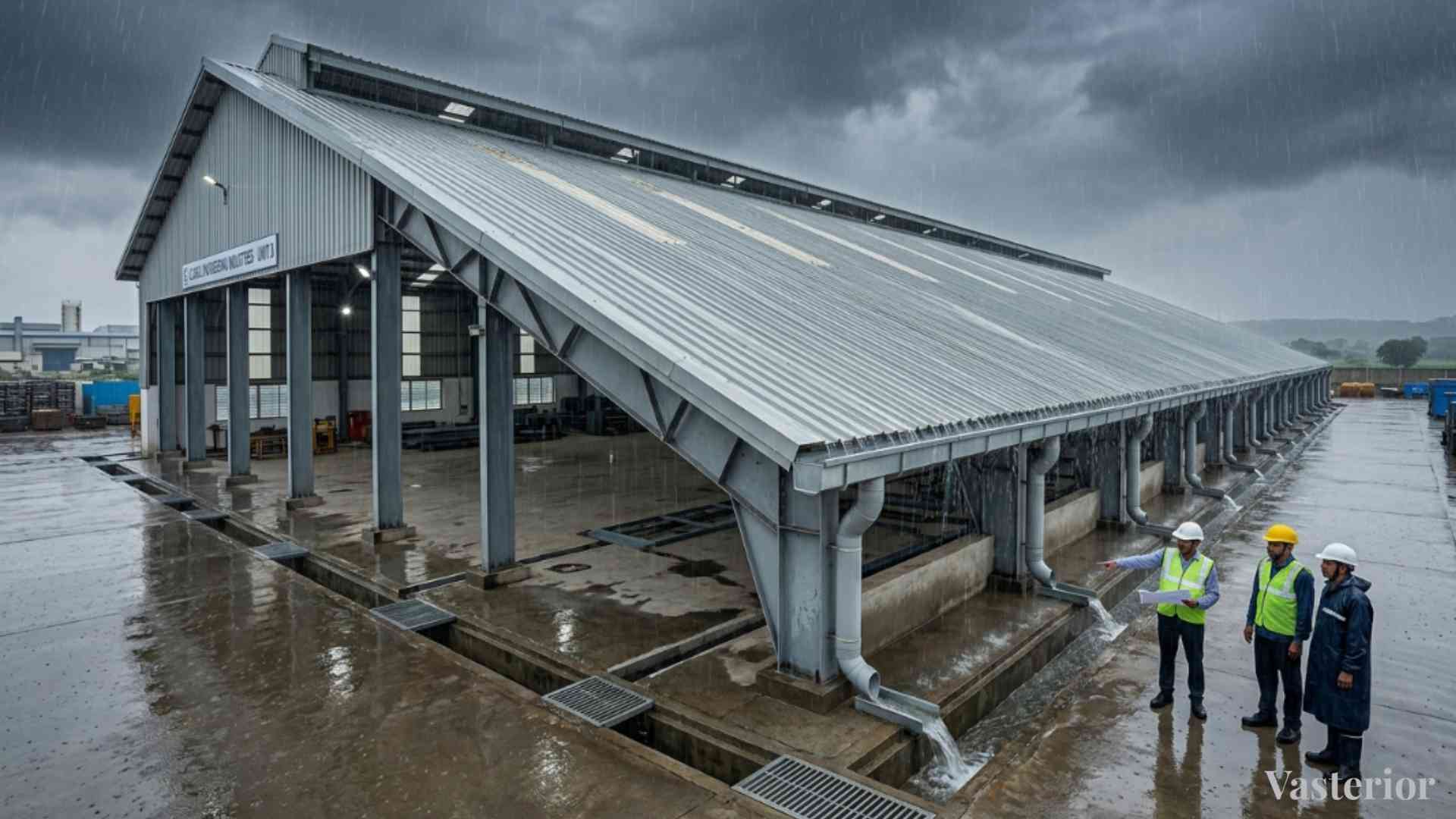
Water bodies symbolically represent flow, opportunities, and clarity.
- North-east placement (ideal)
- North placement
These zones support water movement, financial flow, and business opportunities.
Avoid underground tanks in south-west positions, as this may create instability and financial pressure patterns. Proper water placement supports business cash flow and operational smoothness.
Overhead Tank Positioning
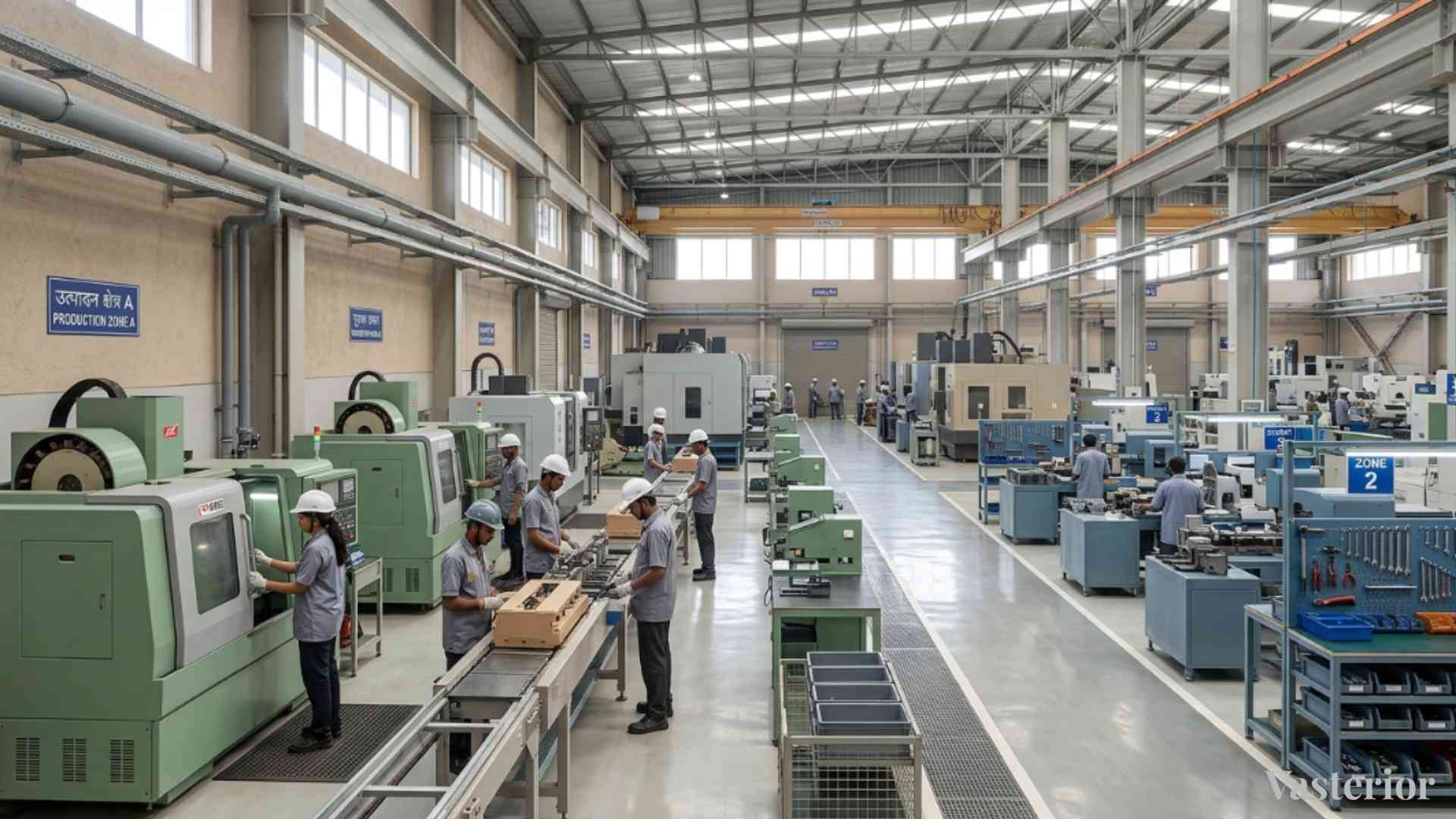
Overhead tanks should be strategically positioned to support operational stability.
- South-west positioning
- West positioning
Avoid north-east overhead tanks. Heavy overhead structures in north-east zones often create energetic suppression and can limit expansion capacity.
Proper tank positioning maintains structural balance and supports operational continuity.
Toilets and Waste Disposal Zones
Improper toilet placement is one of the most common industrial Vastu errors with significant operational consequences.
- North-west zones (ideal)
- West zones
- South of south-west positioning
Avoid north-east and centre positions, as these create energetic disruption in sensitive manufacturing areas.
Waste disposal should remain organised and away from entry zones. Proper waste management placement supports cleanliness and operational discipline throughout the facility.
Strategic waste placement is often overlooked but significantly influences overall factory energy and hygiene culture.
Ventilation and Natural Light Importance
Factories with poor airflow develop systematic problems that compound over time.
- Worker fatigue
- Mental dullness
- Increased irritation
- Lower productivity
Natural light from east and north directions improves alertness, employee morale, and energy circulation throughout the facility.
Even modern industrial psychology supports the direct relationship between daylight exposure and workforce efficiency. Dark, congested spaces suppress both productivity and morale.
Factories designed with optimal ventilation and natural light create fresher operational environments that support both worker wellbeing and production output.
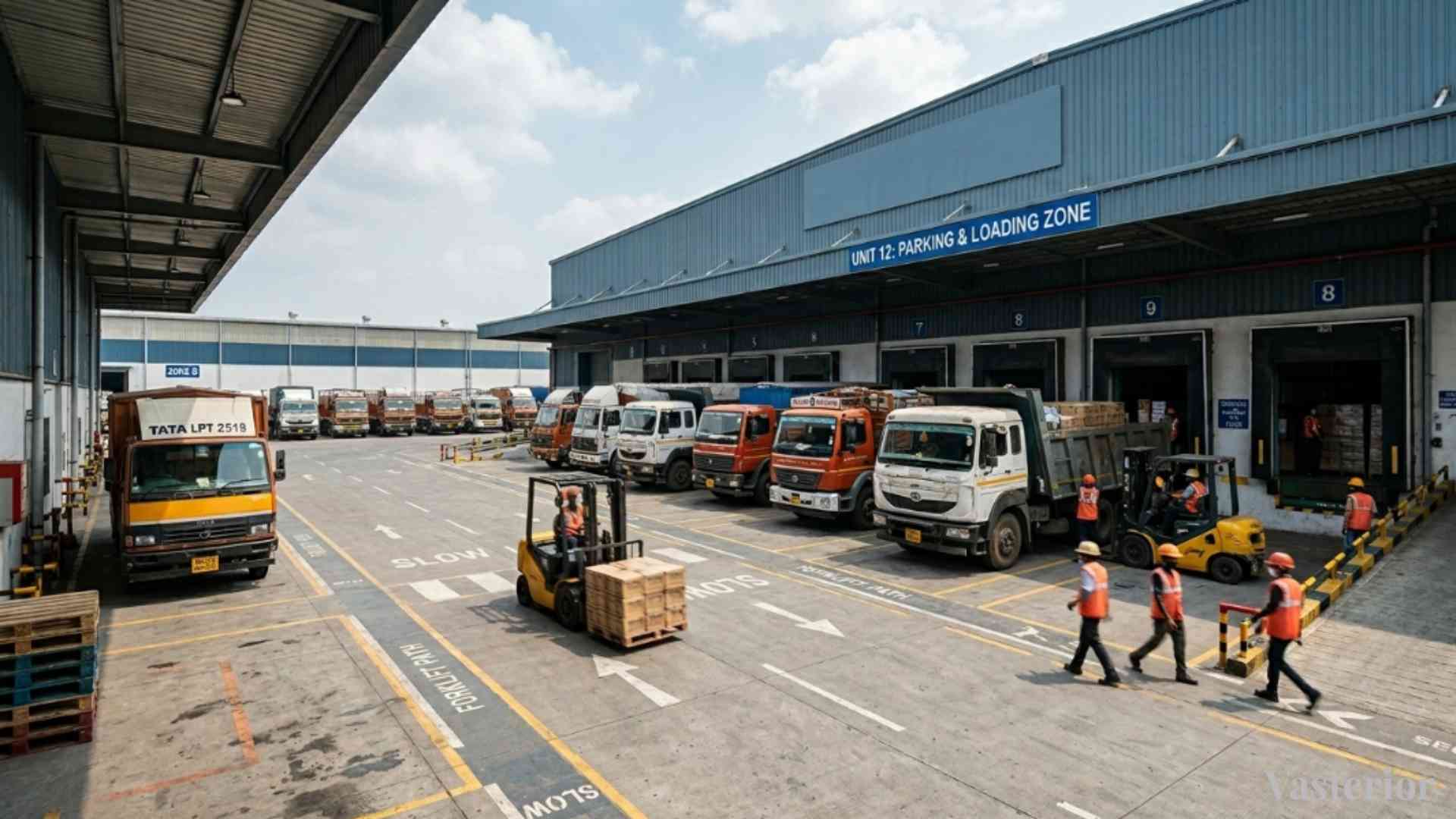
Parking and Loading Zone Directions
Loading and movement zones should support smooth circulation of goods and vehicles.
- North-west zones
- North zones
- East zones
These zones naturally support outward movement and smooth logistics operations.
Avoid congesting north-east zones with parking or loading activities. The movement of goods should feel unobstructed both physically and directionally, supporting efficient dispatch cycles and faster inventory turnover.
Importance of Factory Shed Slopes in Vastu
One of the most overlooked yet critical aspects of industrial Vastu is the slope direction of factory sheds. This is not merely symbolic.
- Water drainage impact
- Structural stress distribution
- Heat retention patterns
- Maintenance cost implications
- Movement efficiency
- Psychological perception of space
In Vastu, slopes influence how energy circulates across the industrial plot. The ideal slope pattern has higher elevation in south and west zones, with lower elevation in north and east zones. This supports healthy directional flow.
A downward slope towards north-east supports better movement flow, expansion energy, mental clarity, and financial circulation. It also practically assists natural drainage, better light movement, and reduced structural heaviness.
Conversely, a downward slope in south-west is considered highly unstable, potentially contributing to financial inconsistency, leadership instability, frequent operational disruptions, water stagnation, and structural maintenance issues.
East and West Slope Effects
Different slope directions create distinct energy patterns within industrial spaces.
Eastward slopes support morning light exposure, workforce activation, and better environmental freshness. This can psychologically improve alertness within production areas.
Excessive westward downward slopes may create heat accumulation, delayed workflow rhythm, and heavy visual perception. Balanced west elevation is generally preferable.
Modern industrial architects increasingly recognise the importance of water flow direction, structural weight hierarchy, environmental comfort, and thermal movement—principles that often align with traditional Vastu recommendations.
Best Factory Colours as per Vastu for Better Energy Alignment
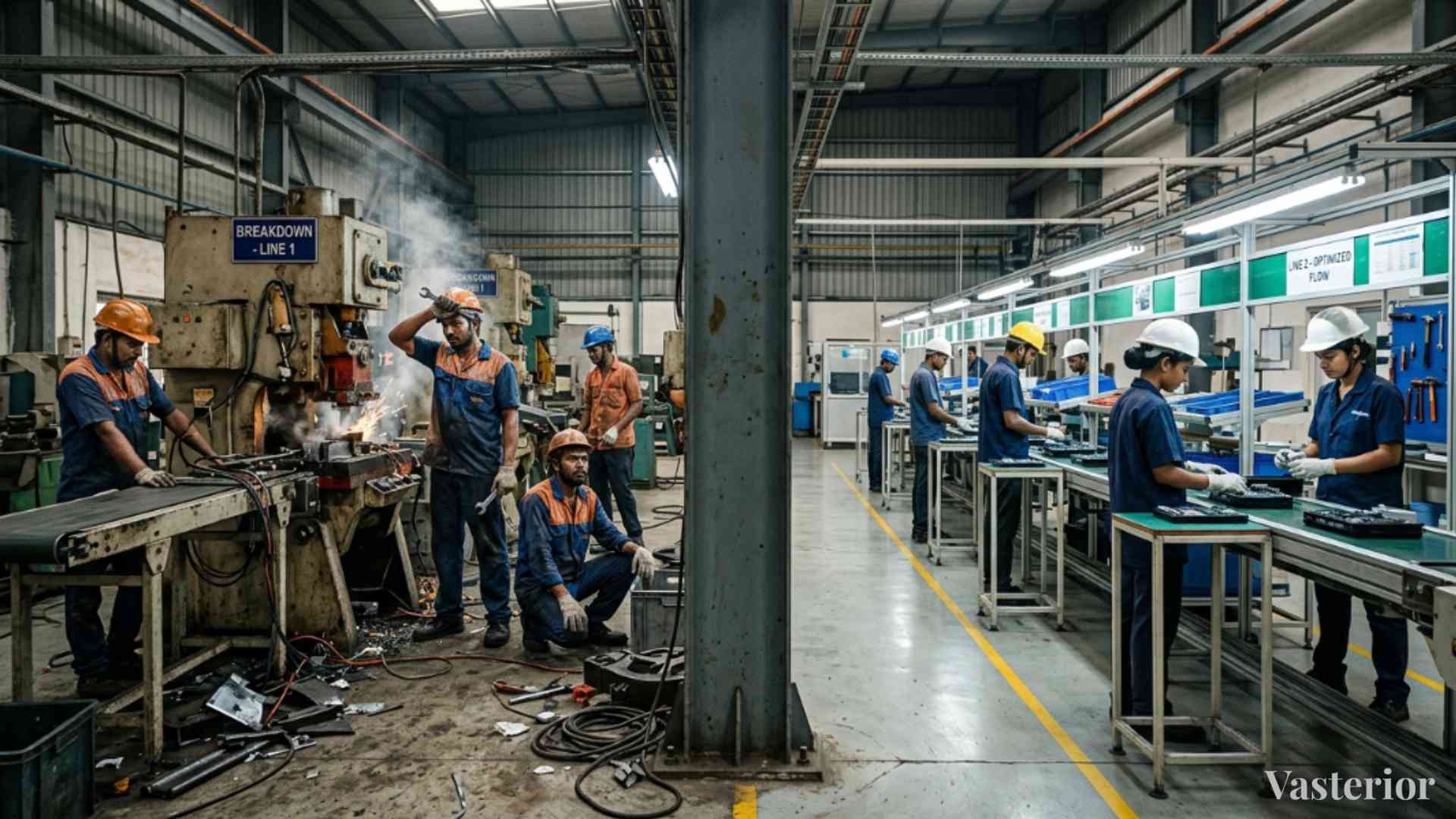
Colours influence psychology faster than language. Inside industrial spaces, colours directly impact mental sharpness, worker mood, stress levels, visual fatigue, perception of cleanliness, and productivity.
Factory colours should not be selected randomly. Strategic colour selection based on directional positioning creates psychological harmony and supports operational efficiency.
Best Colours for North-Facing Factories
Recommended shades for north-facing facilities:
- Light green
- Pistachio
- Mint tones
- Soft blue
These shades support movement, freshness, and commercial growth. Light colours in north-facing zones enhance the natural energy flow and create mentally sharp environments.
Best Colours for East-Facing Factories
Recommended shades for east-facing facilities:
- Off-white
- Cream
- Light yellow
- Warm beige
These colours enhance clarity and vitality. East-facing spaces benefit from warm, luminous tones that complement natural morning light and support workforce alertness.
Best Colours for South-Facing Factories
Recommended shades for south-facing facilities:
- Terracotta accents
- Muted red tones
- Dusty peach
- Earthy neutrals
These shades help regulate strong southern energy. Overly aggressive reds should be avoided because they amplify pressure and emotional intensity in operational spaces.
Best Colours for West-Facing Factories
Recommended shades for west-facing facilities:
- Grey
- Metallic tones
- Ivory
- Soft earthy shades
These colours create grounding and operational stability. West-facing spaces benefit from neutral, calming palettes that support long-term consistency.
Ideal Colours for Machinery Zones
Machinery areas should feel clean, focused, and controlled.
- Industrial grey
- Steel tones
- Neutral whites
- Soft graphite
Avoid excessively bright distracting colours around operational machinery. Clean, focused colour palettes support precision work and operational discipline.
Best Colours for Factory Offices
Office cabins inside factories should encourage decision clarity, stability, and strategic thinking.
- Beige
- Ivory
- Soft olive
- Warm neutrals
Avoid overly dark cabins with poor lighting. Well-lit, neutral office spaces support clearer decision-making and leadership confidence.
Shades to Avoid
Certain colour choices can negatively impact factory performance.
- Jet black
- Neon red
- Harsh fluorescent colours
These may increase stress perception and visual fatigue. Industrial spaces should feel disciplined, breathable, and mentally organised through strategic colour selection.
Modern Factory Problems That Vastu Quietly Solves
Many factory owners experience recurring issues that appear operational on the surface but are deeply environmental underneath.
Employee conflicts often arise from poor spatial circulation, which increases irritation, communication friction, and fatigue-driven aggression.
Production delays emerge when blocked movement zones create operational inefficiency both physically and psychologically.
Frequent machinery breakdowns multiply when improper heat zoning and electrical imbalance increase maintenance pressure.
Financial instability often results from incorrect north and north-east planning that unintentionally suppresses business movement patterns.
Stress-heavy work environments develop in dark, compressed, clutter-heavy factories that increase nervous system fatigue among teams.
Decision fatigue among owners often stems from leadership cabins placed in unstable zones that affect mental clarity and strategic confidence.
A factory's environment quietly shapes the mindset of everyone working inside it, influencing both performance and culture.
Practical Vastu Tips for Small Factory Owners
Strategic actions that create immediate positive impact:
- Keep the north-east uncluttered and lighter
- Avoid storing scrap near entrances
- Ensure proper daylight entry from east directions
- Use organised zoning rather than random machinery placement
- Maintain slope balance across the plot
- Avoid water leakage and drainage stagnation
- Use calming industrial colours instead of visually aggressive palettes
- Prioritise airflow and movement pathways
- Regularly declutter unused inventory
- Design the factory for operational rhythm, not just capacity
These practical adjustments often create noticeable shifts in operational efficiency, employee morale, and overall business performance within weeks.
Final Thoughts
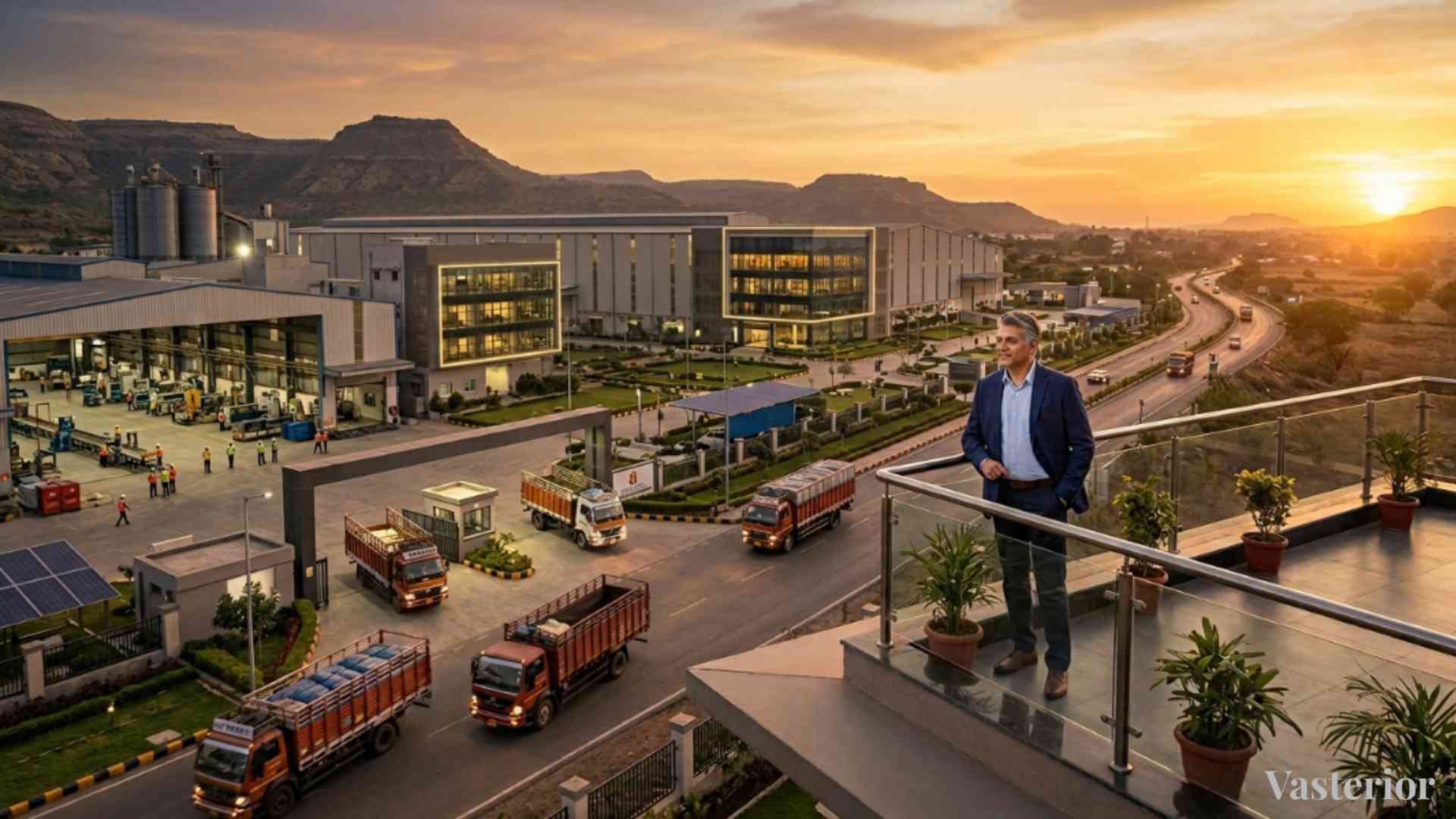
Factories are built with concrete, steel, wiring, and machinery. But successful factories are built with flow.
The most efficient industrial spaces are rarely chaotic. They feel intentional. Structured. Clear. Operationally alive.
Vastu, when understood correctly, is not about superstition. It is about designing industrial environments that support movement, stability, clarity, and sustainable business growth.
For small factory owners especially, every directional decision matters because smaller operational inefficiencies tend to magnify faster over time.
A strategically aligned factory does not merely look organised. It performs differently.
Businesses seeking modern industrial planning blended with intelligent Vastu alignment can explore tailored consultation through Vasterior. For discreet guidance regarding factory layouts, industrial energy planning, or manufacturing space optimisation, the team can be reached on WhatsApp at +91 9100883355 or via email at info@vasterior.com.
Because sometimes, the biggest business breakthrough is not changing the strategy. It is changing the space from which the strategy operates.
FAQs
Frequently asked questions about Vastu directions for small factory setup:
1. What is the best direction for a factory plot?
North and east-facing factory plots are generally considered most beneficial for smooth financial flow, business expansion, and workforce vitality. However, south and west-facing plots can also perform well with proper strategic planning.
2. Which direction should the factory entrance face?
North, east, north-east, and east of north-east directions are ideal for factory entrances. These support smooth inflow of opportunities, client interactions, and operational momentum.
3. Where should heavy machinery be placed according to Vastu?
Heavy machinery should ideally be positioned in south-west, south, and west zones. These directions symbolically hold weight and stability, supporting proper energetic grounding for industrial operations.
4. How important is the factory shed slope direction?
Shed slope direction is critical. Slopes towards north and east support healthy energy circulation, while south-west downward slopes are considered highly unstable and may create financial and operational inconsistency.
5. What colours are best for factories according to Vastu?
Colour selection depends on directional placement. North-facing factories benefit from light greens and soft blues; east-facing from warm neutrals and creams; south-facing from terracotta and earthy tones; west-facing from greys and metallic shades.
6. Can existing factories be corrected without major reconstruction?
Yes. Many Vastu corrections involve colour rebalancing, machinery repositioning, decluttering, entrance redesign, storage reorganisation, and zoning adjustments rather than structural demolition.
7. Why is north-east zone so important in factory Vastu?
The north-east represents expansion, clarity, and opportunity. Keeping this zone uncluttered and lighter supports business growth, financial movement, and operational progress.
8. Does Factory Vastu conflict with modern industrial design?
No. Modern Industrial Vastu integrates seamlessly with contemporary industrial design, smart architectural planning, and efficient manufacturing systems.
9. How does factory direction affect employee productivity?
Directional alignment influences environmental psychology, worker comfort, mental clarity, and operational rhythm. Properly aligned spaces naturally support higher productivity and better morale.
10. What is the first step for a new factory setup according to Vastu?
Start with plot orientation, entrance positioning, and overall zoning strategy. These foundational decisions determine how effectively all subsequent machinery, storage, and operational areas can function together.