Renovation is often seen as a fresh start. New finishes. Better storage. Improved lighting. A home that finally feels "right."
Yet, in our experience, renovation is also the phase where the maximum Vastu imbalance accidentally enters a home, not because people don't care, but because Vastu is usually considered too late, too lightly, or too literally.
Most homeowners approach renovation with a checklist: materials, layouts, timelines, and budgets. What often gets missed is spatial intelligence, how energy, movement, weight, light, and activity already exist in the home, and how renovation alters that balance.
Vastu is not about fear or rigid rules. It is about awareness. And during renovation, awareness matters more than belief.
This article explores the most common Vastu mistakes people make during renovation, why they happen, and how they can be avoided, without demolition, panic, or compromise on design.
Why Renovation Is a Sensitive Phase in Vastu
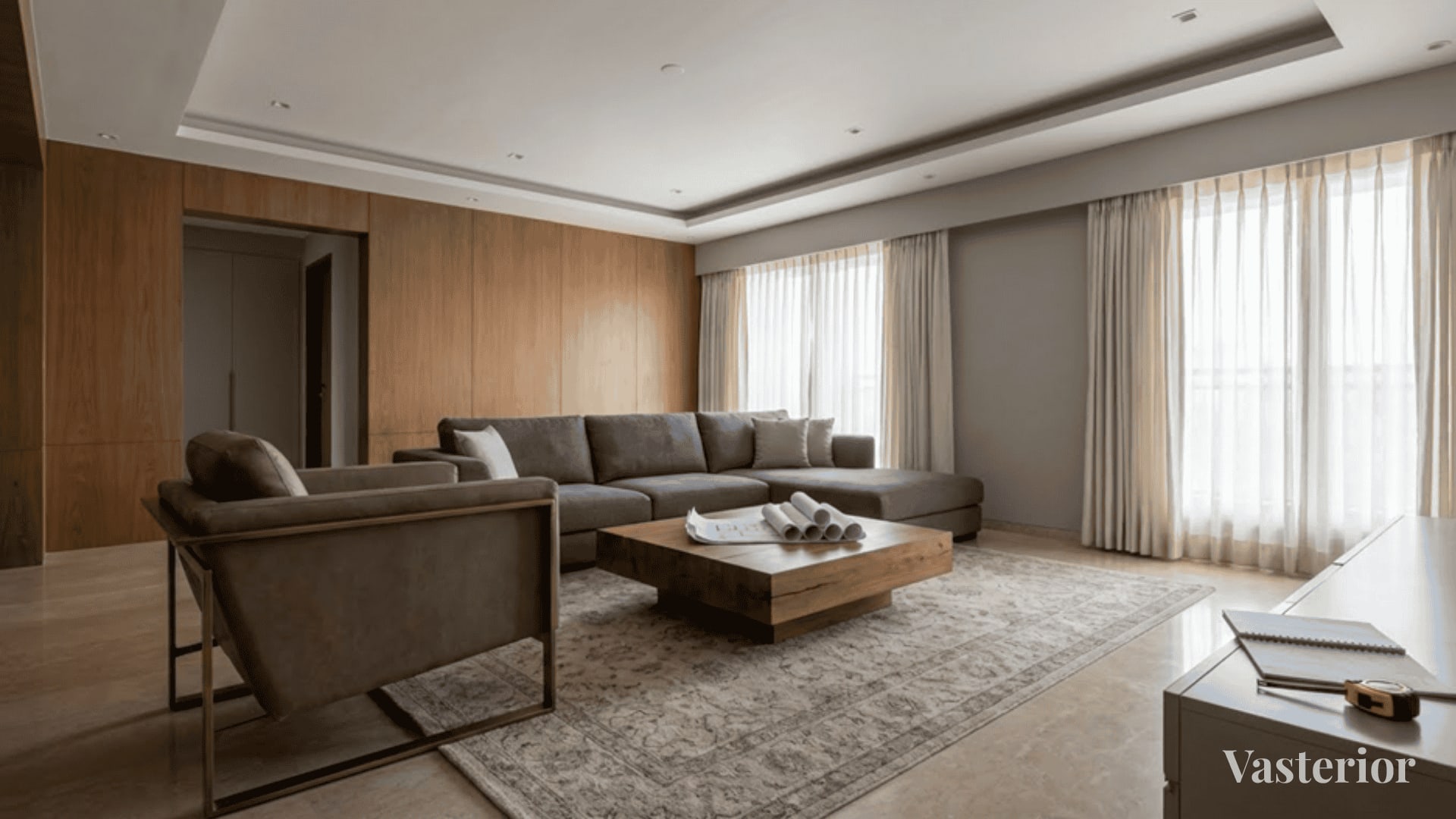
Unlike new construction, renovation works on a space that already has:
- Established energy patterns
- Habitual movement of people
- Emotional memory
- Functional zoning
Even small changes, like shifting a door, lowering a ceiling, or relocating storage, can create disproportionate impact if done without spatial understanding.
Renovation doesn't just change how a home looks. It changes how a home responds.
This is why Vastu mistakes during renovation are rarely dramatic, but often cumulative. The house doesn't "break"; it slowly feels heavier, noisier, restless, or stagnant.
Let's understand where things usually go wrong.
1. Treating Vastu as an Afterthought
One of the most common mistakes is calling a Vastu consultant after the design is finalised or execution has begun.
By then:
• Layouts are locked
• Budgets are committed
• Walls are already marked
This leads to rushed remedies or cosmetic fixes, which rarely address the root spatial issue.
What works better: Vastu should be integrated at the planning stage, alongside layout and circulation, not layered on top of finished design.
2. Ignoring the Brahmasthan During Renovation
The Brahmasthan, the energetic centre of the home, is often unintentionally blocked during renovation.
Common mistakes include:
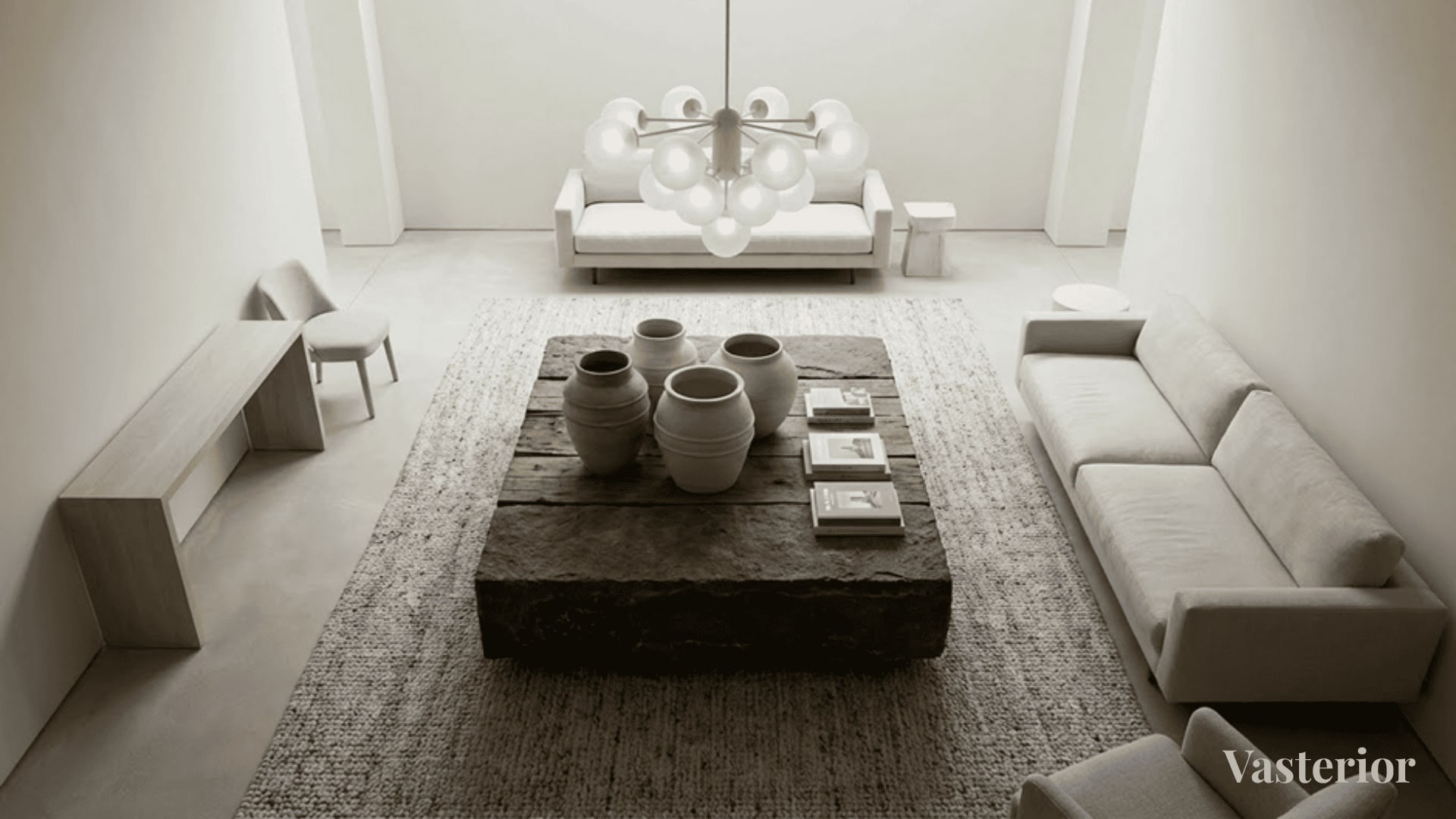
• Placing heavy furniture or storage at the centre
• Creating raised platforms
• Installing false ceilings or beams
• Using dark finishes that visually compress the space
The result is a home that feels stuck or restless, even if everything else looks beautiful.
Graceful correction: Keep the central zone as open, light, and breathable as possible---both visually and physically.
3. Blindly Shifting Kitchens or Toilets
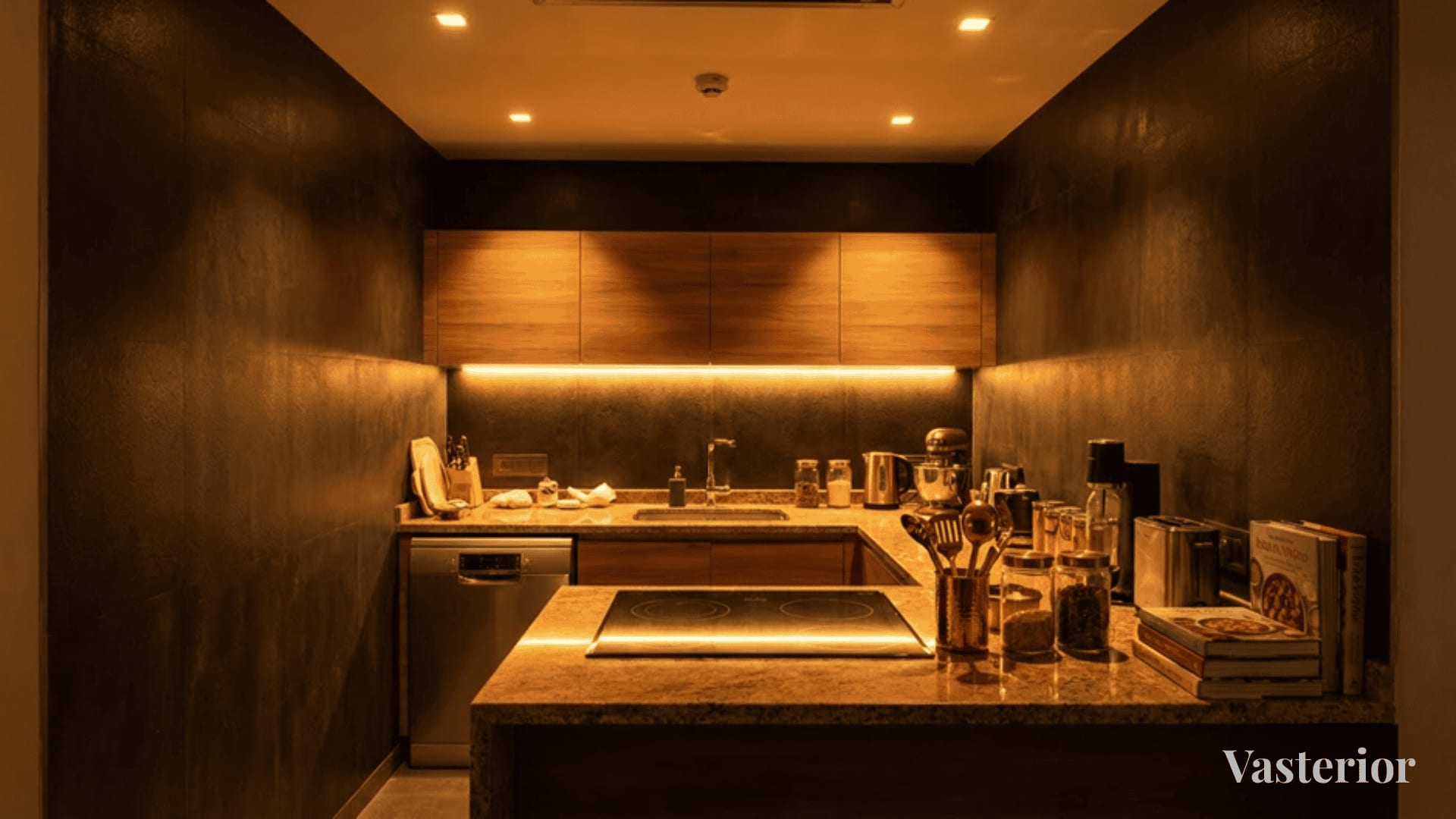
Renovation often involves relocating kitchens or bathrooms for convenience or aesthetics.
The mistake lies in shifting these spaces without understanding the zones they fall into.
A kitchen placed in an unsuitable zone can lead to:
• Increased stress
• Digestive issues
• Conflict or restlessness
Similarly, toilets placed in sensitive zones often impact stability and peace.
Key insight: Not every layout convenience is a spatial convenience.
4. Confusing Direction with Zones
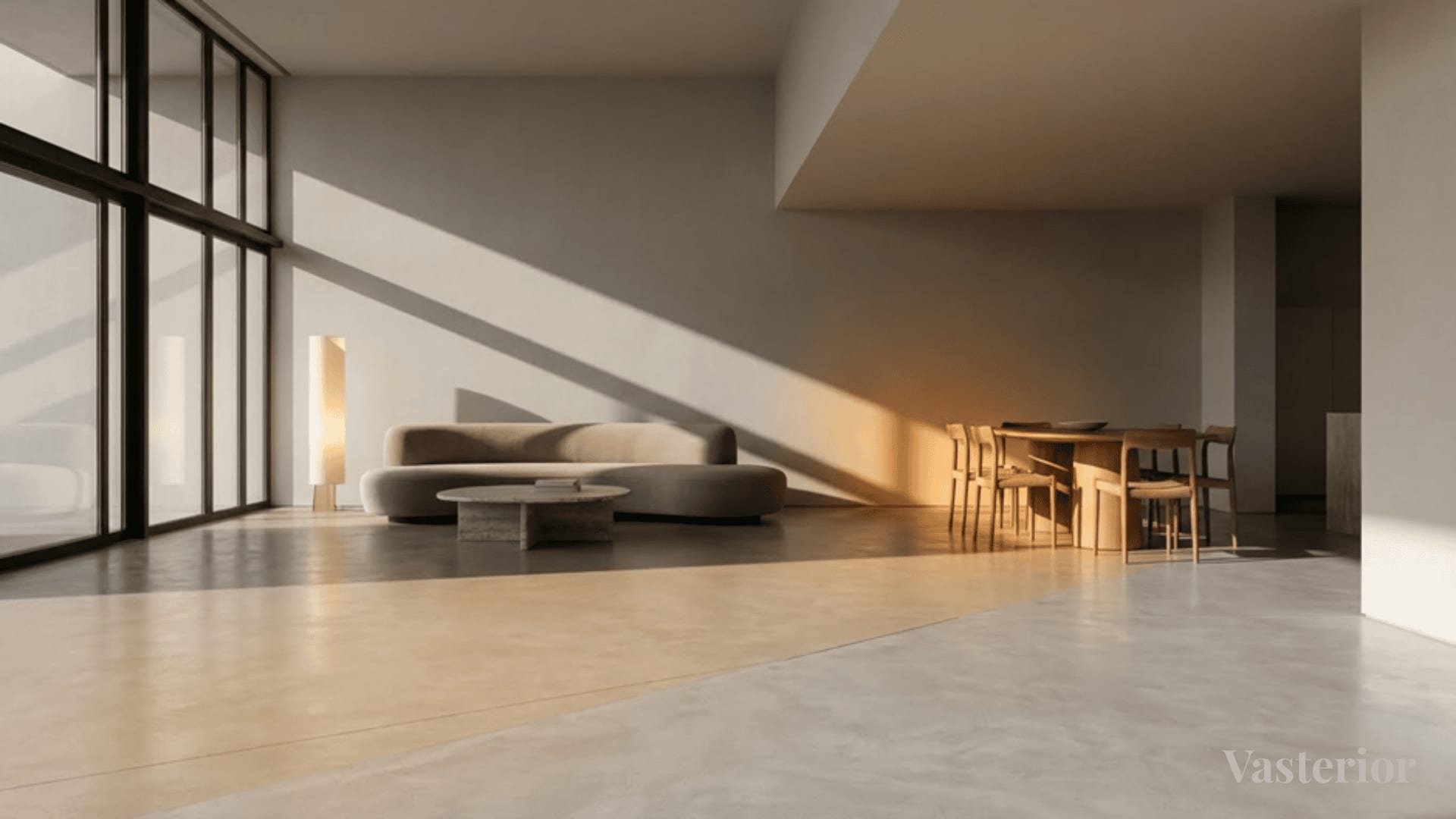
Many homeowners believe knowing the facing direction of the house is enough.
In reality:
• Directions are broad
• Zones are precise
Modern Vastu works with 16 angular zones, not just 8 directions. A single room often spans multiple zones, and specific objects within that room carry more impact than the room itself.
This is why placing a bed, stove, or work desk incorrectly---even within a "good" direction---can create imbalance.
5. Blocking Natural Light and Airflow
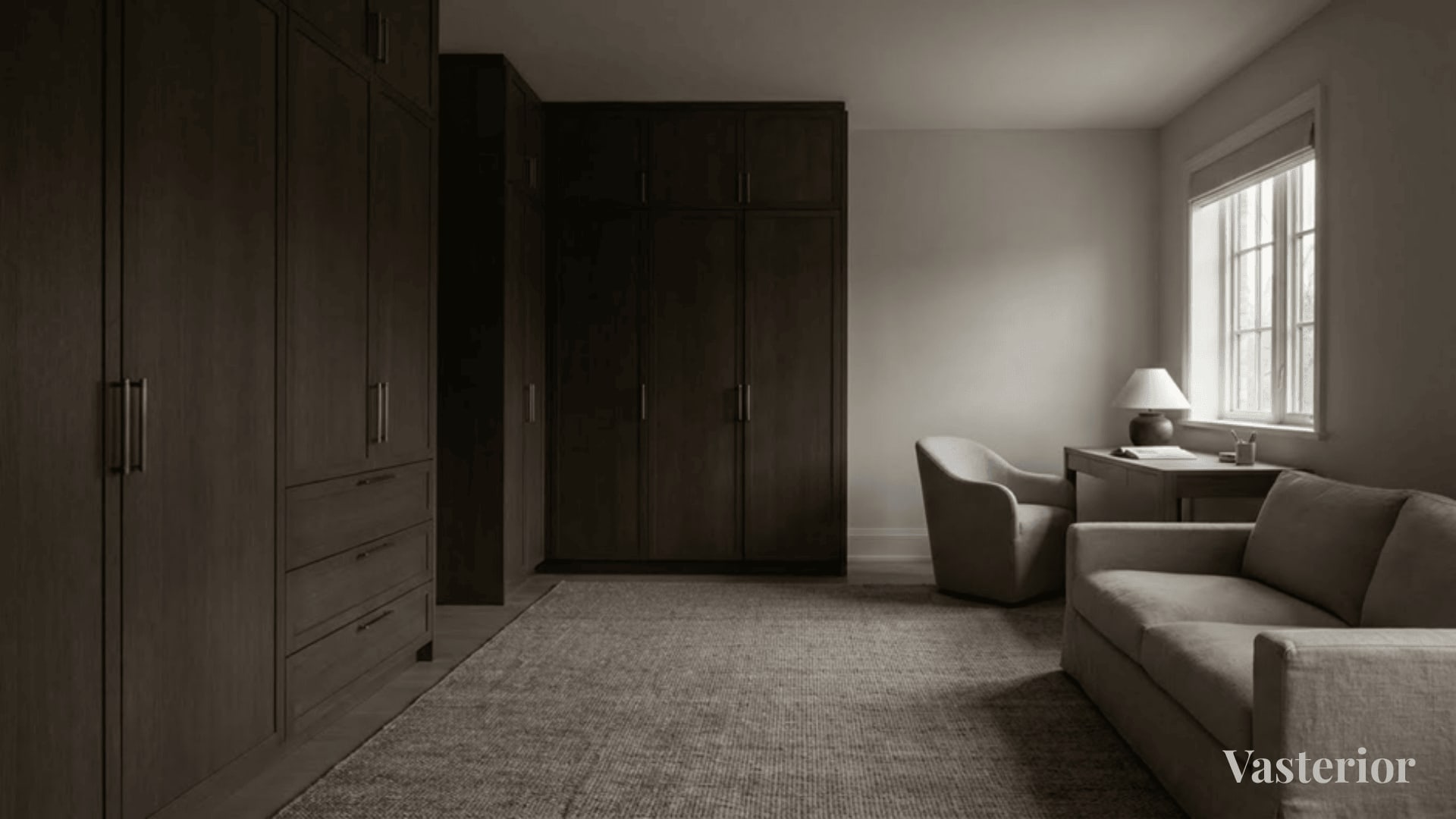
In the pursuit of storage, soundproofing, or aesthetic uniformity, renovation often blocks:
- Windows
- Ventilation paths
- Cross-breeze
What gets lost is not just light, but movement of energy.
Homes that lack natural flow tend to feel:
• Heavy
• Noisy
• Claustrophobic
• Emotionally draining over time
Vastu-friendly design doesn't fight light, it choreographs it.
6. Overloading Heavy Storage in Sensitive Zones
Custom cabinetry is one of the biggest renovation upgrades, and also one of the biggest Vastu mistakes.
Placing:
• Full-height storage
• Heavy safes
• Dense wardrobes
in sensitive or active zones can disrupt balance.
Design wisdom: Not every wall needs to be filled. Strategic emptiness is also a design decision.
7. Changing Floor Levels Without Awareness
Split levels, raised platforms, or sunken seating areas are often introduced for visual drama.
However, altering floor levels can:
• Interrupt energy continuity
• Create imbalance in movement
• Affect comfort subconsciously
This doesn't mean levels are forbidden, but they must be intentional, not decorative.
8. Overcorrecting Based on Online Advice
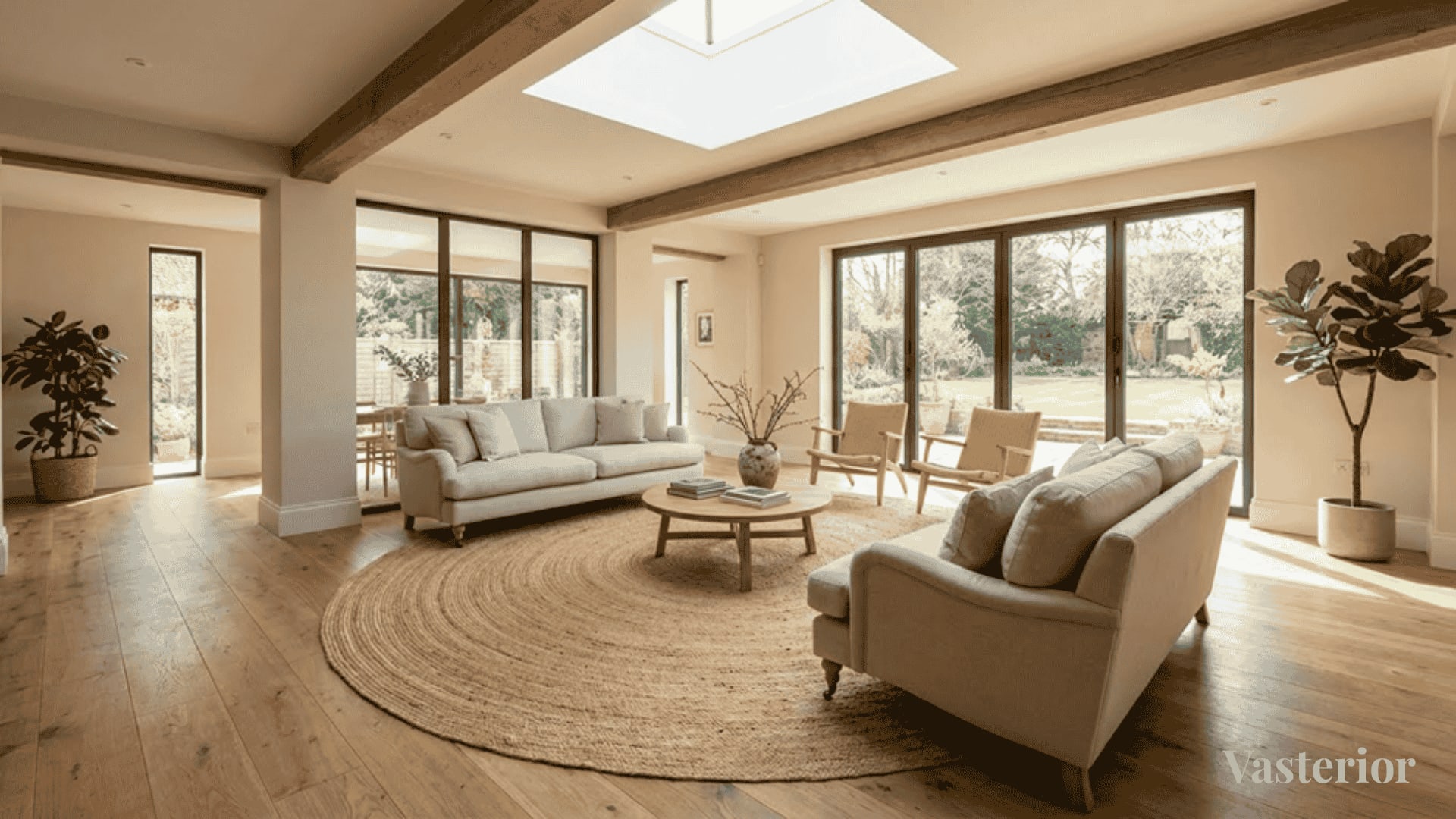
The internet is full of quick-fix Vastu tips:
- Mirrors everywhere
- Metal objects in corners
- Random pyramids and crystals
Applying these without context often creates overcorrection, which is just as problematic as neglect.
Vastu is not a checklist. It is contextual design intelligence.
9. Ignoring Activity Mapping
A major renovation mistake is focusing only on rooms, not activities.
For example:
• Work-from-home areas introduced without zoning awareness
• Meditation corners placed in visually appealing but energetically unsuitable spaces
• Children's study areas placed where restlessness dominates
Vastu responds to what you do, not just where you do it.
10. Assuming Vastu Means Demolition
Perhaps the most damaging myth is that correcting Vastu requires breaking walls or rebuilding everything.
In reality:
• Most issues can be corrected non-destructively
• Design alignment often does more than structural change
• Small adjustments, done correctly, create big shifts
Fear-based Vastu advice creates resistance. Intelligent Vastu creates trust.
Renovation Myths That Need to End
Let's address a few misconceptions clearly:
- "Vastu kills creativity." - It doesn't. Poor interpretation does.
- "It's too late once the house is built." - Renovation is often the best correction opportunity.
- "All homes need the same remedies." - No two spaces are identical.
- "Vastu is only for believers." - Good spatial logic works whether you believe in it or not.
How Conscious Renovation Should Be Approached
A balanced renovation approach looks like this:
- Observation before action
- Energy mapping before layout finalisation
- Minimal intervention with maximum impact
- Design-led, not remedy-led solutions
- Respect for lifestyle and aesthetics
At Vasterior, Vastu is never imposed. It is integrated, quietly, intelligently, and respectfully.
A Thoughtful Closing
Renovation is not just about upgrading a home. It is about realigning it with the life you are living now.
When Vastu is understood as spatial wisdom, not superstition, it becomes an ally, not a restriction.
The most successful renovations are not the ones that look dramatic on day one, but the ones that continue to feel right, year after year.
Because ultimately, a well-renovated home should not just impress, it should support. Contact us today at +91 7599208222 or pradeepshukladecor@gmail.com.