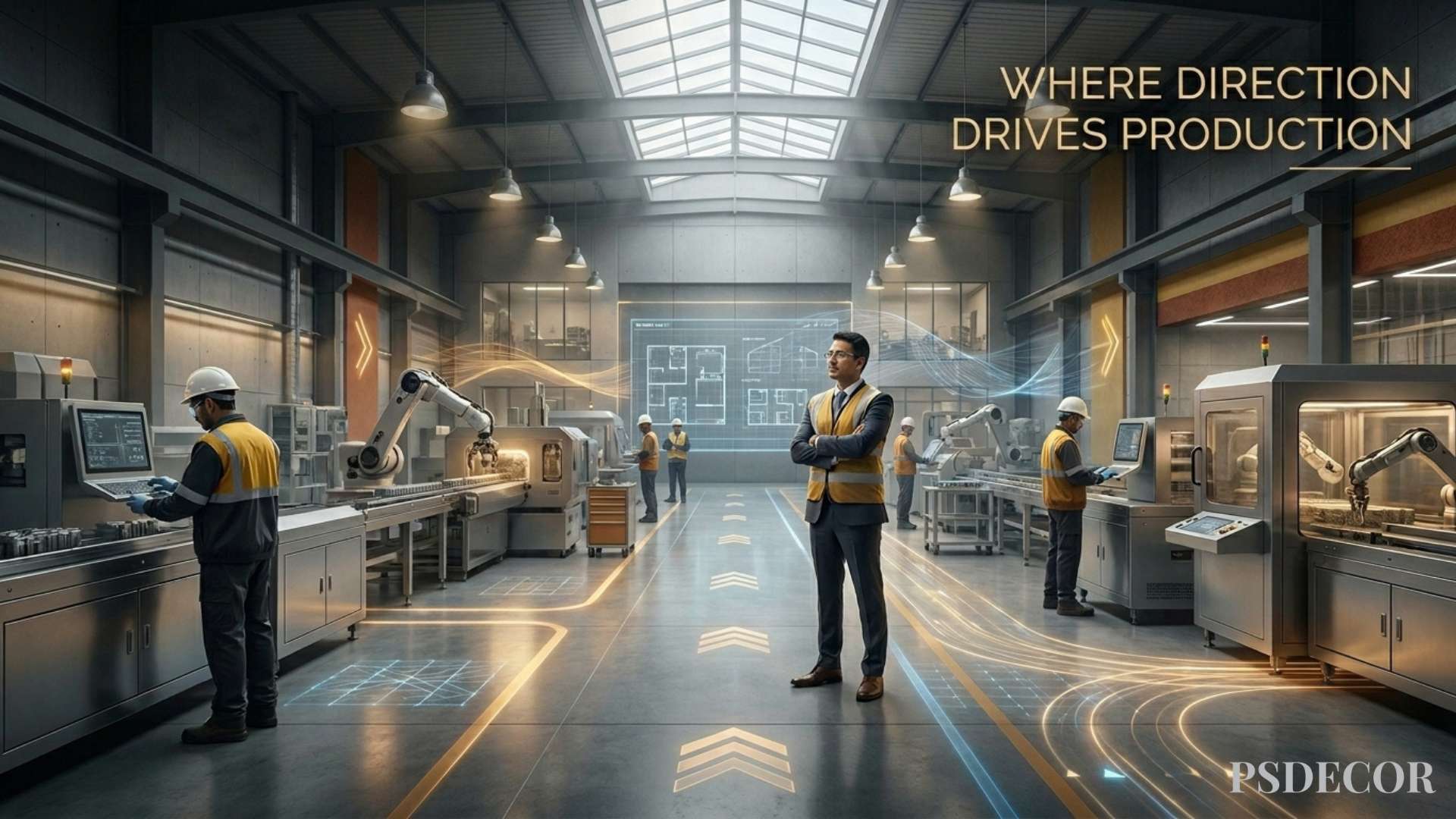
Most business owners believe that success in manufacturing depends purely on machinery, manpower, and market demand. That is only half the picture. The other half lies in how intelligently your space is designed.
A factory is not just a physical setup. It is an energy system. Every direction, every placement, every movement of material either supports growth or quietly slows it down.
This is where Vastu for manufacturing units steps in. Not as superstition, but as a strategic framework that aligns space with performance. When applied correctly, it enhances productivity, reduces operational friction, and creates a flow that supports consistent business growth.
Why Vastu Matters for Manufacturing Units
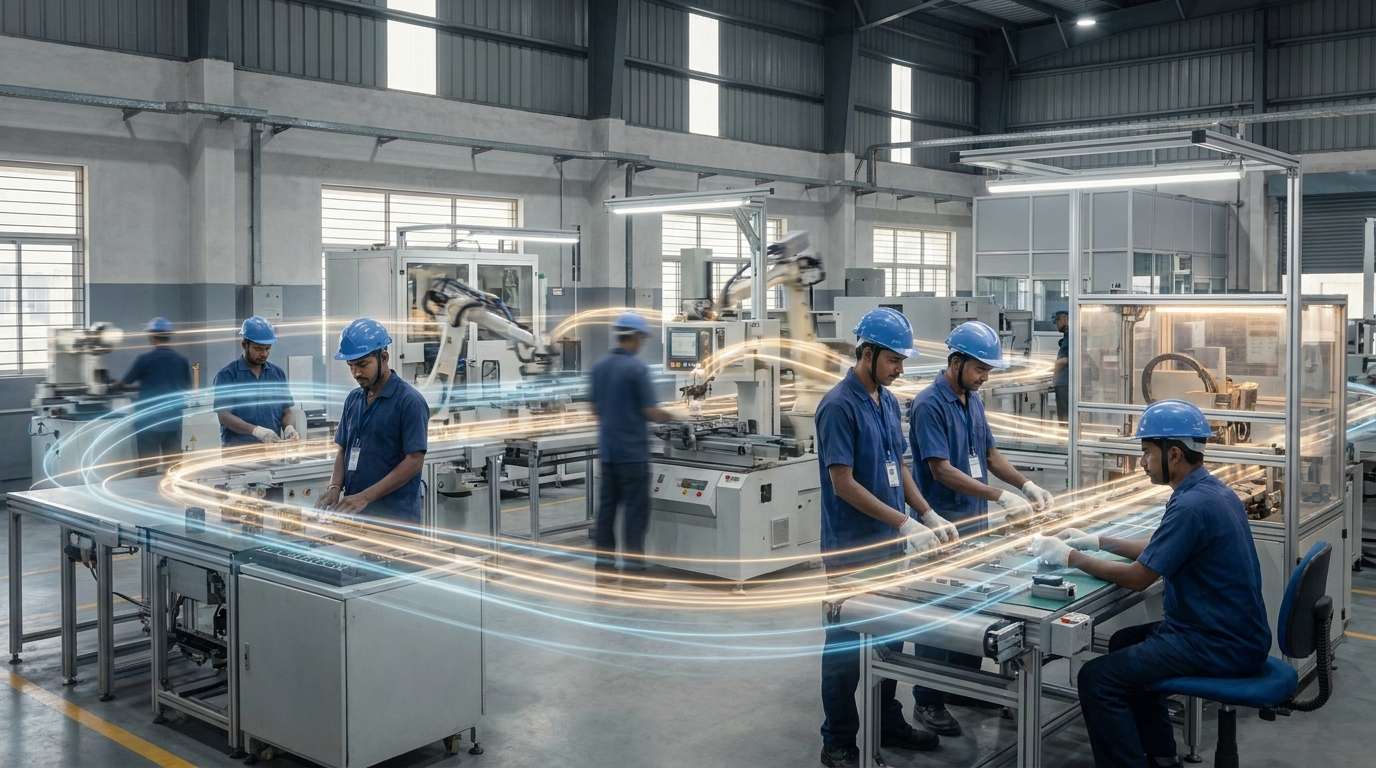
Manufacturing is a high-energy activity. Machines run continuously, workers stay engaged for long hours, and materials keep moving through different stages.
- Frequent machine breakdowns
- Worker fatigue and inefficiency
- Delays in production cycles
- Inventory mismanagement
- Financial stagnation
Vastu works by aligning your factory layout with natural directional forces. When this alignment is achieved, businesses often experience smoother operations, sharper decision-making, and better output quality.
Think of it as optimising your environment so that everything works with you, not against you.
Core Vastu Principles for Industrial Spaces
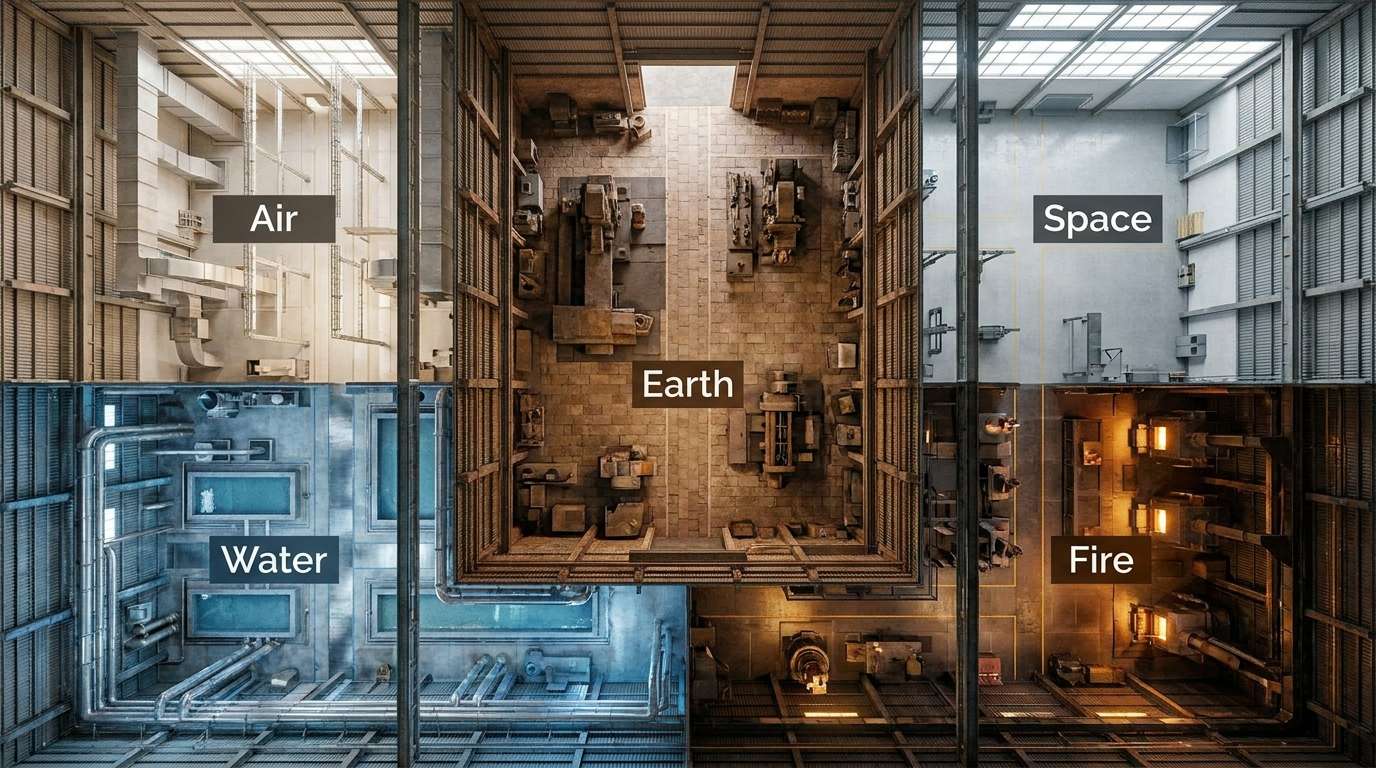
Before diving into directions, it is important to understand the foundation. Vastu is based on five elements: earth, water, fire, air, and space. Each direction represents a dominant element and influences how that zone should be used.
- North and North East relate to water and flow
- South East is governed by fire and energy
- South and South West represent stability and strength
- West supports gains and movement
- Centre represents balance and openness
In manufacturing units, the goal is to align activities with these natural energies. Heavy processes, heat-generating machines, storage, and administrative zones must be placed in harmony with these directional qualities.
Ideal Directional Layout for Manufacturing Units
The entrance sets the tone for energy entering your factory. Every functional zone has an ideal directional placement that supports its purpose.
Entrance and Main Gate
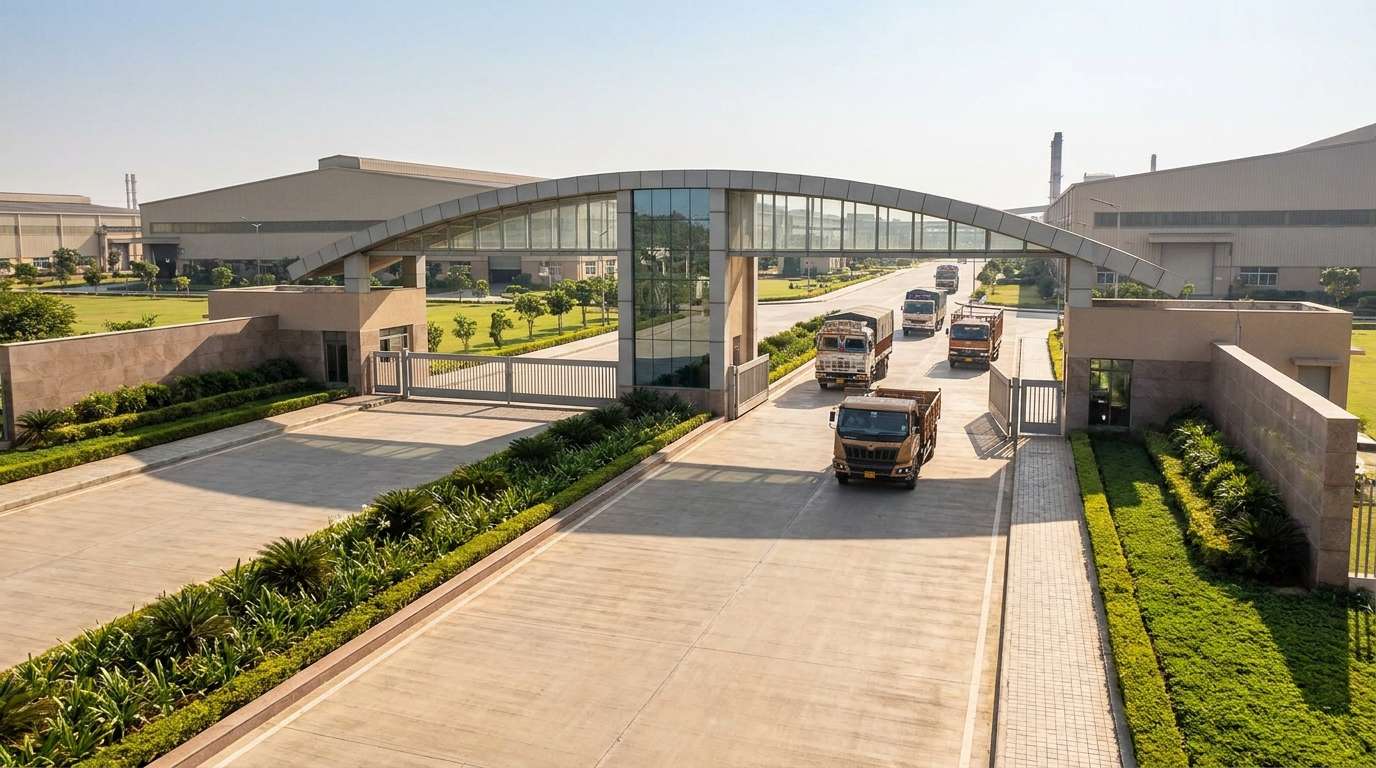
The entrance sets the tone for energy entering your factory.
- Best directions: North, North East, or East
- Avoid: South West
An entrance in the right direction allows opportunities, clients, and financial flow to enter smoothly. A poorly placed gate can restrict growth even if everything else is perfect.
Raw Material Storage
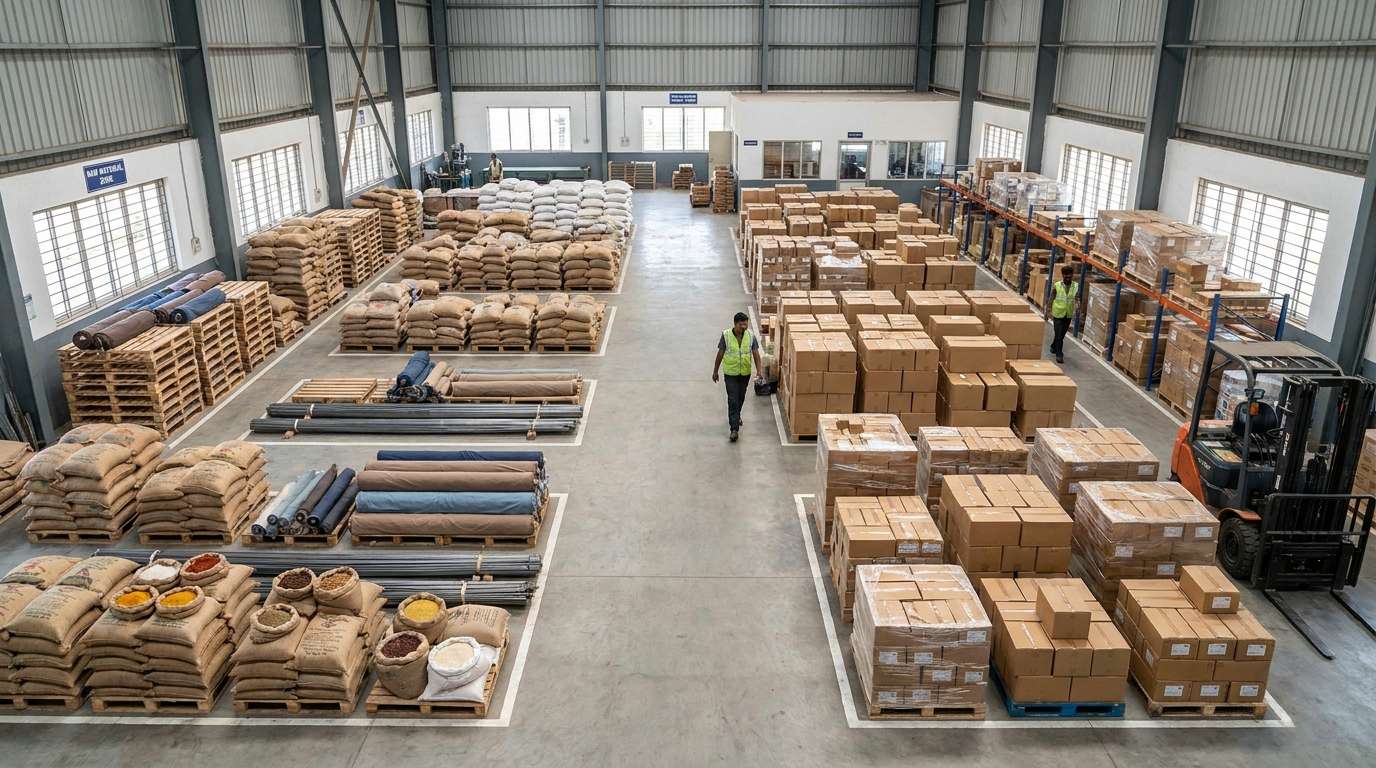
Raw materials represent potential.
- Ideal direction: South West or West
- Reason: These directions provide stability and grounding
Keeping raw materials in unstable zones often leads to wastage or irregular supply cycles.
Production Area
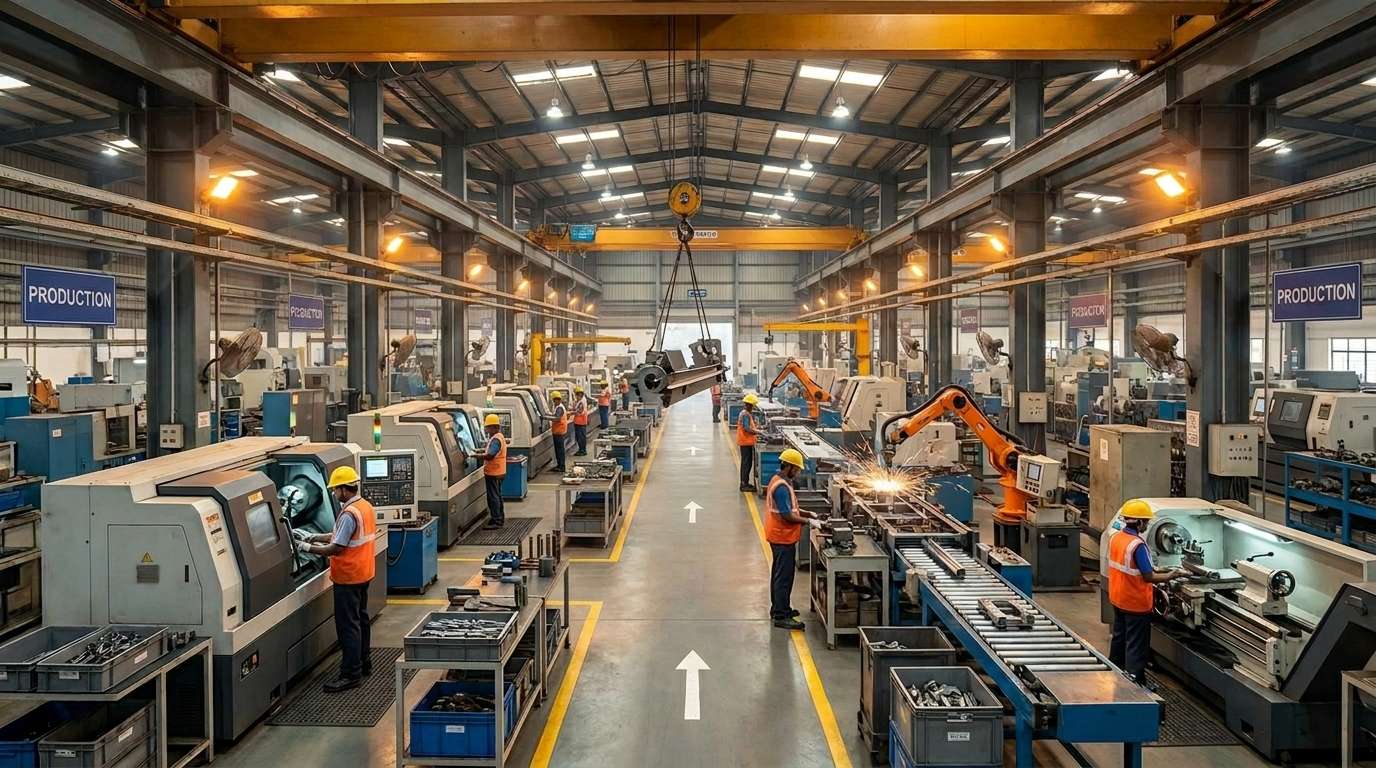
This is the heart of your manufacturing unit.
- Ideal placement: South East or South
- Reason: Fire element supports transformation and activity
Machines that generate heat or require high energy function best in this zone.
Machinery Placement
Placement of machinery directly impacts efficiency.
- Heavy machinery: South West or South
- Heat-generating equipment: South East
- Light machinery: North or East
Improper placement often leads to excessive maintenance issues and reduced lifespan of equipment.
Finished Goods Storage
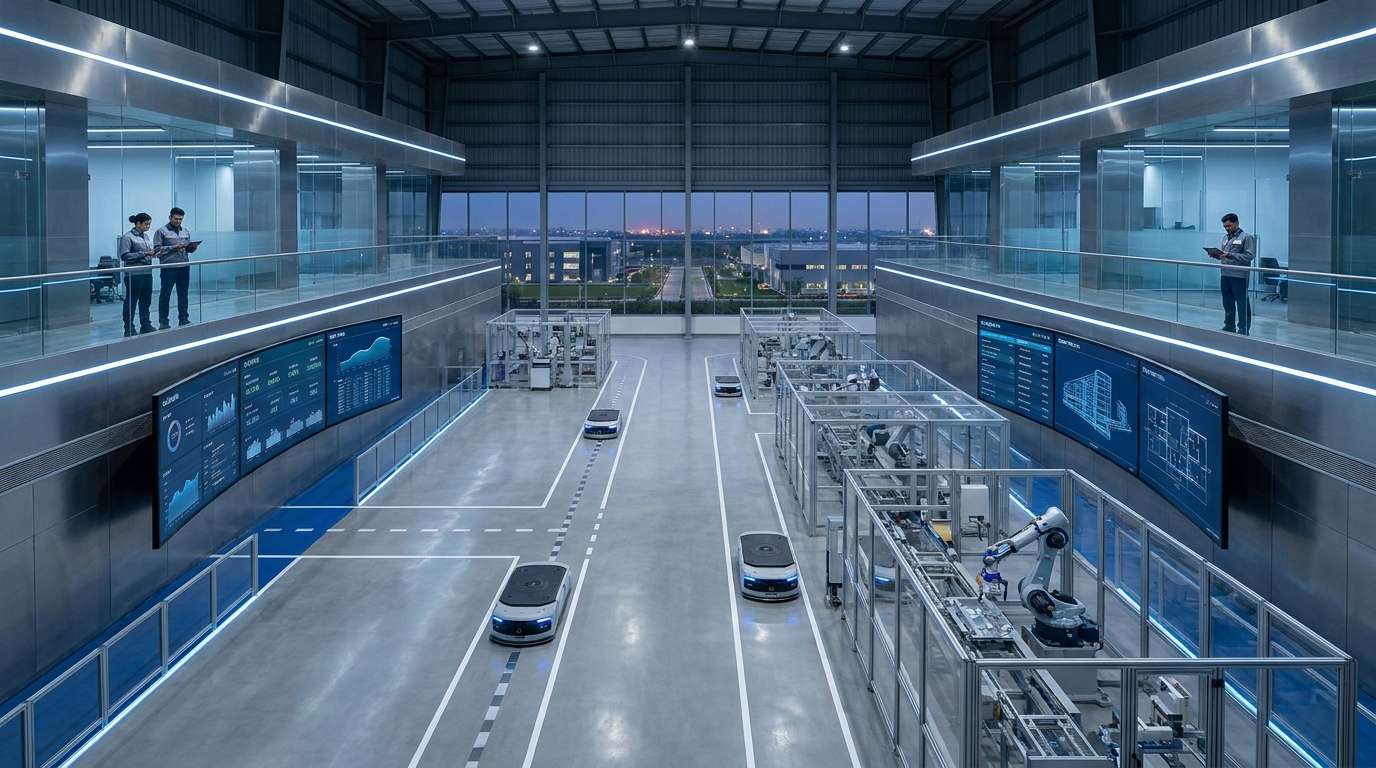
Finished products represent results and revenue.
- Ideal direction: North West
- Reason: This zone supports movement and dispatch
Keeping finished goods in stagnant zones delays delivery and cash flow.
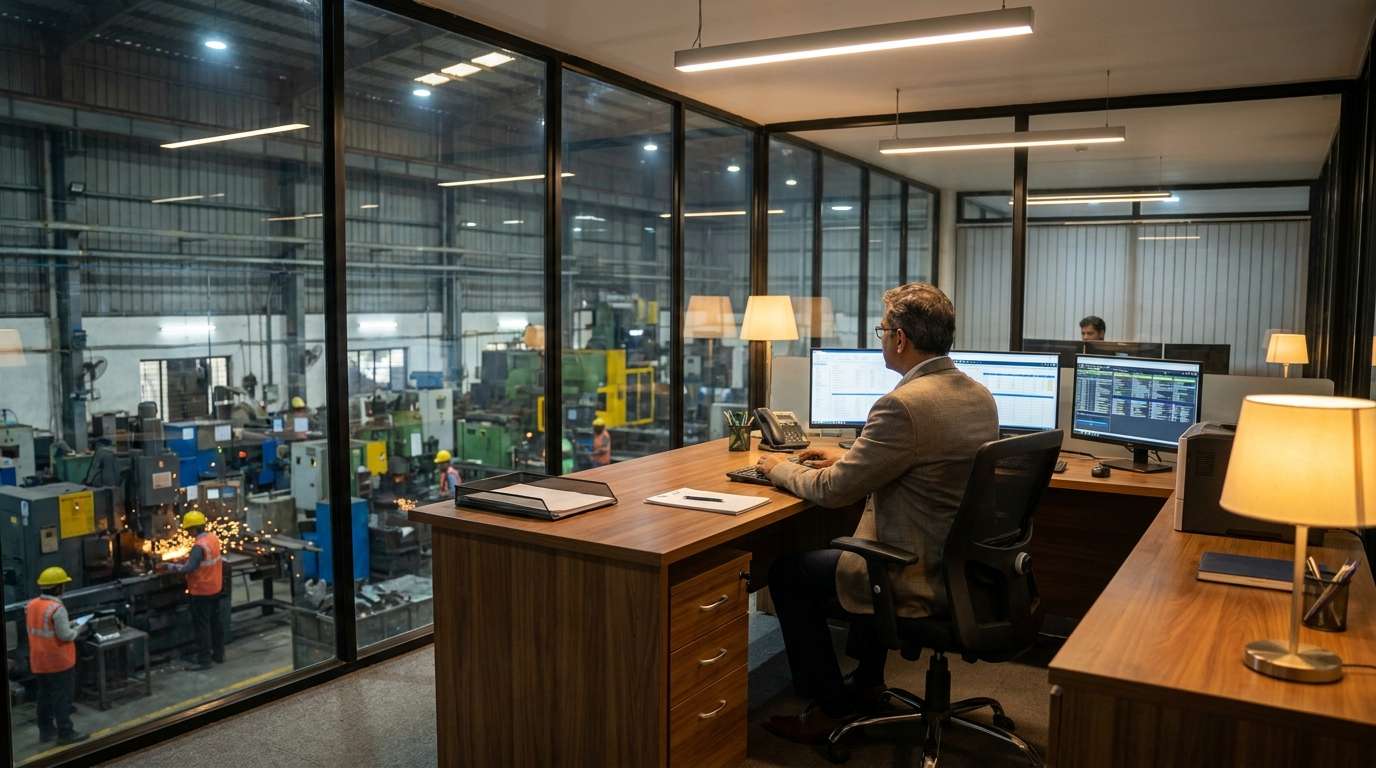
Office Space
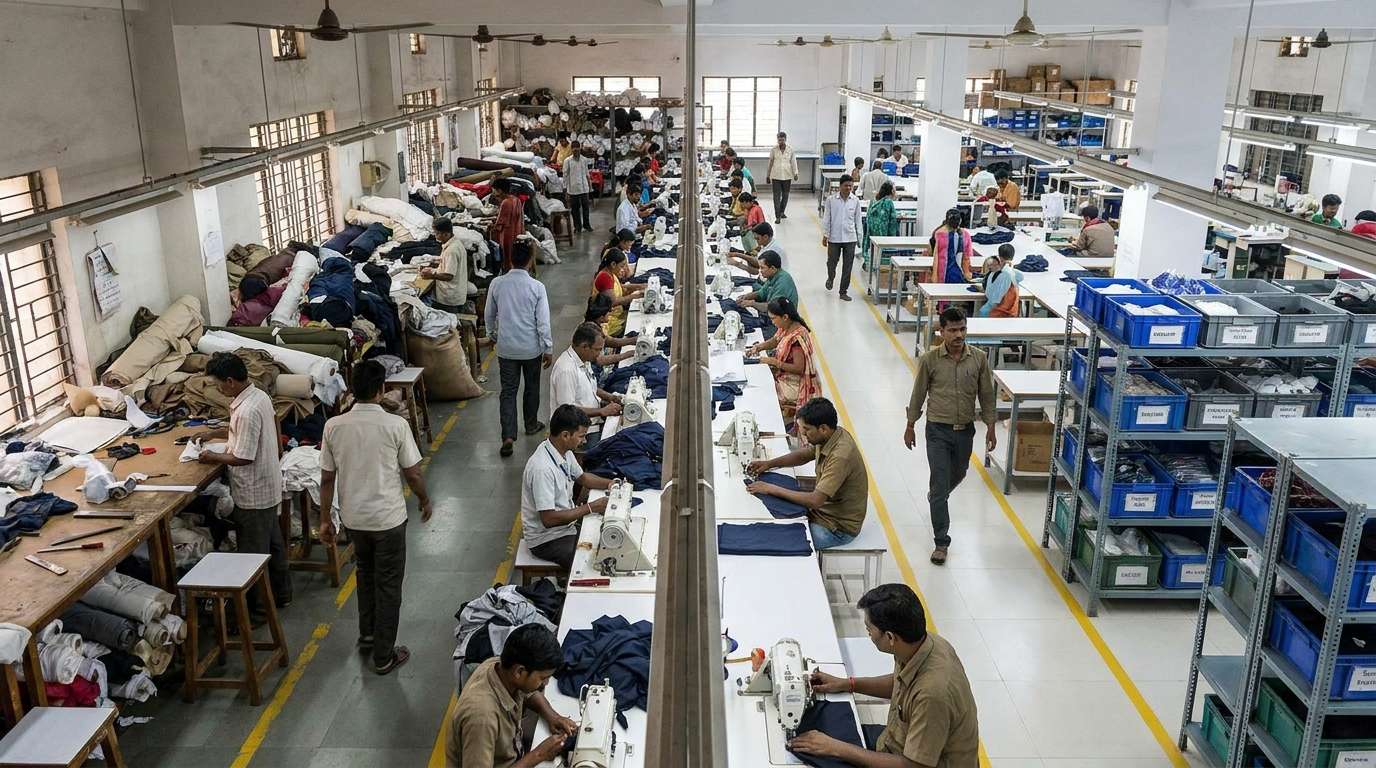
Decision-making requires clarity.
- Ideal direction: North or East
- Owner seating: Facing North or East
This enhances focus, strategic thinking, and financial awareness.
Staff Areas
Worker comfort directly impacts productivity.
- Ideal zones: North West or West
- Ensure proper ventilation and natural light
A well-placed staff area improves morale and reduces turnover.
Toilets and Utilities
Often ignored, but highly impactful.
- Ideal placement: South of South West or West
- Avoid: North East
Incorrect placement can disturb overall energy balance.
Zone-Wise Breakdown with Practical Insights
Each directional zone carries specific energy and should be used accordingly within your manufacturing unit.
- North — Financial flow and opportunities. Keep open and clutter-free. Ideal for administrative work and light activities.
- North East — The most sensitive zone. Keep clean, light, and free from heavy machinery. Perfect for planning or meditation spaces.
- East — Growth and new beginnings. Ideal for entrances, windows, and workspaces that require clarity.
- South East — The power zone. Perfect for boilers, furnaces, and electrical equipment. This is where transformation happens.
- South — Supports strength and consistency. Suitable for heavy production processes.
- South West — The zone of control and stability. Best for storage of raw materials and positioning of senior management.
- West — Supports gains and output. Good for storage and movement of goods.
- North West — Represents movement and transition. Ideal for dispatch and finished goods storage.
Understanding each zone's energy helps you make smarter decisions about where to place every element of your factory.
Common Vastu Mistakes in Factories
Even well-established factories unknowingly make errors that limit growth.
- Placing heavy machinery in North East
- Blocking the North direction with storage
- Having the main entrance in South West
- Mixing fire and water elements in the same zone
- Ignoring ventilation and natural light
These mistakes do not always cause immediate damage, but they create long-term inefficiencies that compound over time.
Modern Adaptation of Vastu in Industrial Design

Vastu is not about rigid rules. It is about intelligent alignment. Modern factories use automation, advanced layouts, and aesthetic design. Vastu integrates seamlessly into this by guiding zoning decisions rather than restricting creativity.
- Smart zoning of machinery improves workflow
- Natural light placement reduces energy costs
- Directional alignment enhances employee comfort
When design and Vastu work together, the result is both functional and visually appealing.
Quick Wins for Immediate Improvement
Not every factory can undergo structural changes. That does not mean you are stuck. Here are practical adjustments you can make:
- Keep North and North East clutter-free
- Shift heat-generating equipment towards South East if possible
- Use colour psychology to balance zones
- Improve lighting and airflow in critical areas
- Reorganise storage based on directional logic
Small changes often create noticeable improvements.
How Vasterior Approaches Industrial Vastu Design
At Vasterior, the focus is not just on compliance, but transformation. The approach combines deep MahaVastu knowledge with modern design thinking. Instead of overwhelming clients with complex principles, the team translates them into clean, functional, and visually compelling layouts.
The goal is simple. Make your space work for you.
Whether it is a new factory or an existing setup, the emphasis is on practical solutions that deliver measurable results.
If you are exploring how your manufacturing unit can operate at a higher level, a thoughtful consultation can offer clarity. You can always reach out for guidance at +91 9100883355 or drop a note at info@vasterior.com in a way that feels right for you.
FAQs on Vastu for Manufacturing Units
Common questions answered about Vastu for manufacturing and industrial units.
- What is the best direction for a manufacturing unit entrance? — North, East, or North East are considered ideal as they allow positive energy and opportunities to enter.
- Where should heavy machinery be placed in a factory? — South, South West, or South East depending on the nature of the machinery.
- Can Vastu really impact factory productivity? — Yes, by improving layout efficiency, reducing friction, and enhancing worker comfort.
- What is the ideal location for finished goods storage? — North West is best as it supports movement and timely dispatch.
- Is it necessary to rebuild the factory for Vastu compliance? — No, many improvements can be made through layout adjustments and strategic corrections.
- Which direction is best for factory owners to sit? — Facing North or East is considered beneficial for decision-making and growth.
- What are the biggest Vastu mistakes in factories? — Blocking North, misplacing machinery, and incorrect entrance placement are common issues.
- Can Vastu help increase profits? — When aligned correctly, it improves operational flow, which indirectly boosts profitability.
- How does Vastu integrate with modern factory design? — It works as a guiding framework for zoning and layout without limiting innovation.
- Is Vastu only for traditional industries? — Not at all. It applies equally to modern, automated, and tech-driven manufacturing units.
These answers reflect the most common concerns factory owners bring when exploring industrial Vastu for the first time.
Conclusion
A manufacturing unit is more than machines and materials. It is a living system where space, energy, and activity interact continuously.
When your layout aligns with natural directional forces, everything begins to move with greater ease. Production becomes smoother, teams perform better, and growth feels less forced.
Vastu for manufacturing units is not about belief. It is about optimisation.
And in a world where every advantage matters, this is one you do not want to ignore.