Designing a home is often imagined as a visual journey, selecting colours, furniture, finishes, and décor that feel beautiful and personal. Yet, in practice, the success or failure of an interior rarely depends on what is visible alone. The most enduring homes are not those that impress instantly, but those that support daily life quietly, consistently, and effortlessly.
At Vasterior, we often encounter homes that are aesthetically impressive but emotionally exhausting, and others that appear understated yet feel deeply supportive. The difference lies not in budget or style, but in how thoughtfully the space has been planned from the beginning. Most interior mistakes occur long before materials are chosen, they originate in assumptions, shortcuts, and a lack of spatial intelligence.
Below are the most common mistakes homeowners make when designing interiors, and why avoiding them can dramatically change not just how your home looks, but how it feels to live in.
1. Designing for Aesthetics Before Understanding the Space
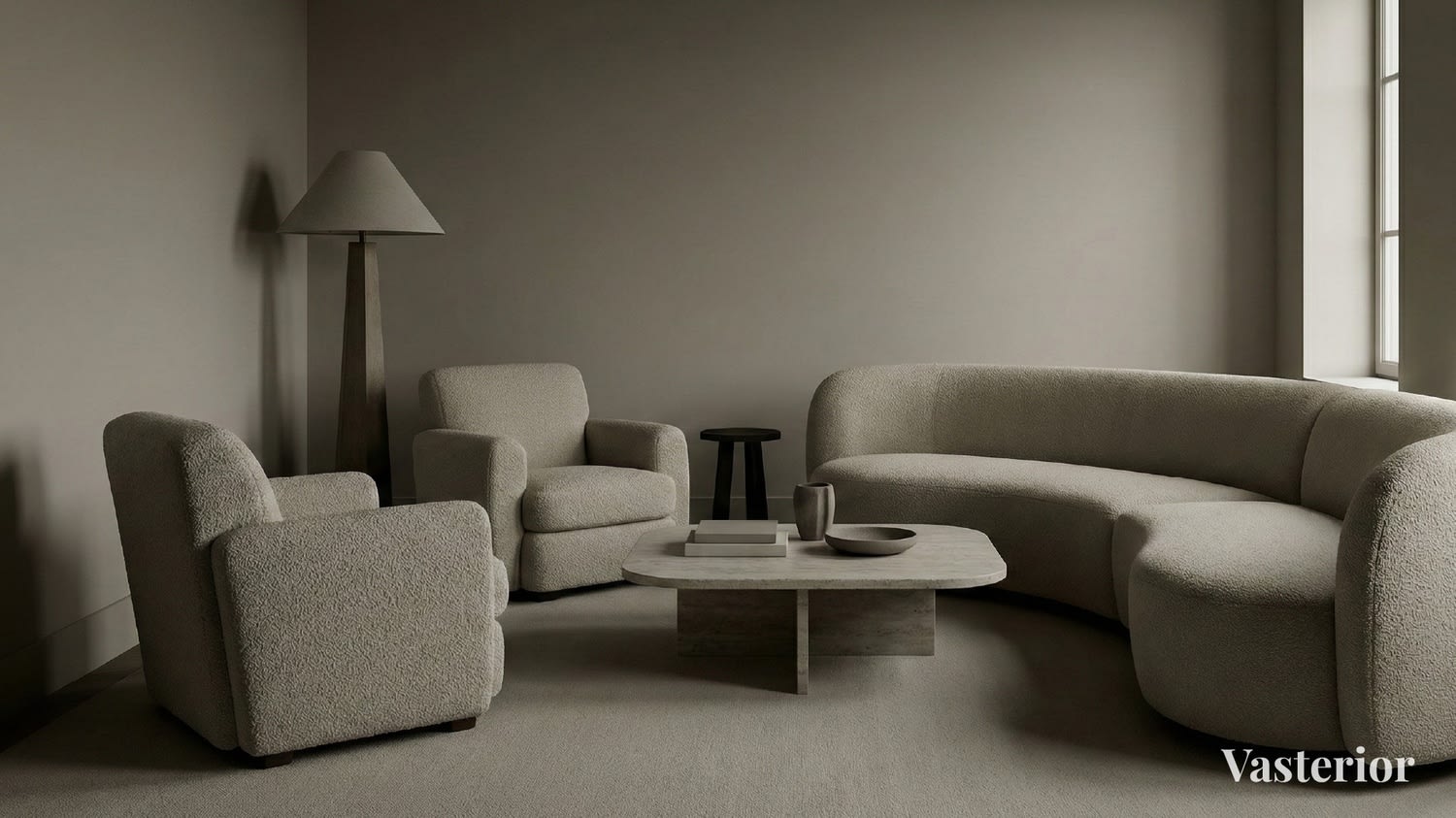
One of the most widespread mistakes is treating interior design as a styling exercise rather than a spatial one. Pinterest boards, Instagram trends, and showroom displays often become the starting point, even though none of these reflect the realities of your specific site.
Every home has its own constraints and advantages: orientation, proportions, light paths, structural limitations, and circulation. When aesthetics lead the process without understanding these fundamentals, the result is often a space that looks complete but functions poorly.
A well-designed home begins by listening to the space first, understanding how rooms connect, where light enters, how movement occurs, and how activities naturally unfold. Visual design should respond to this intelligence, not override it.
2. Ignoring Layout Planning and Spatial Gridding
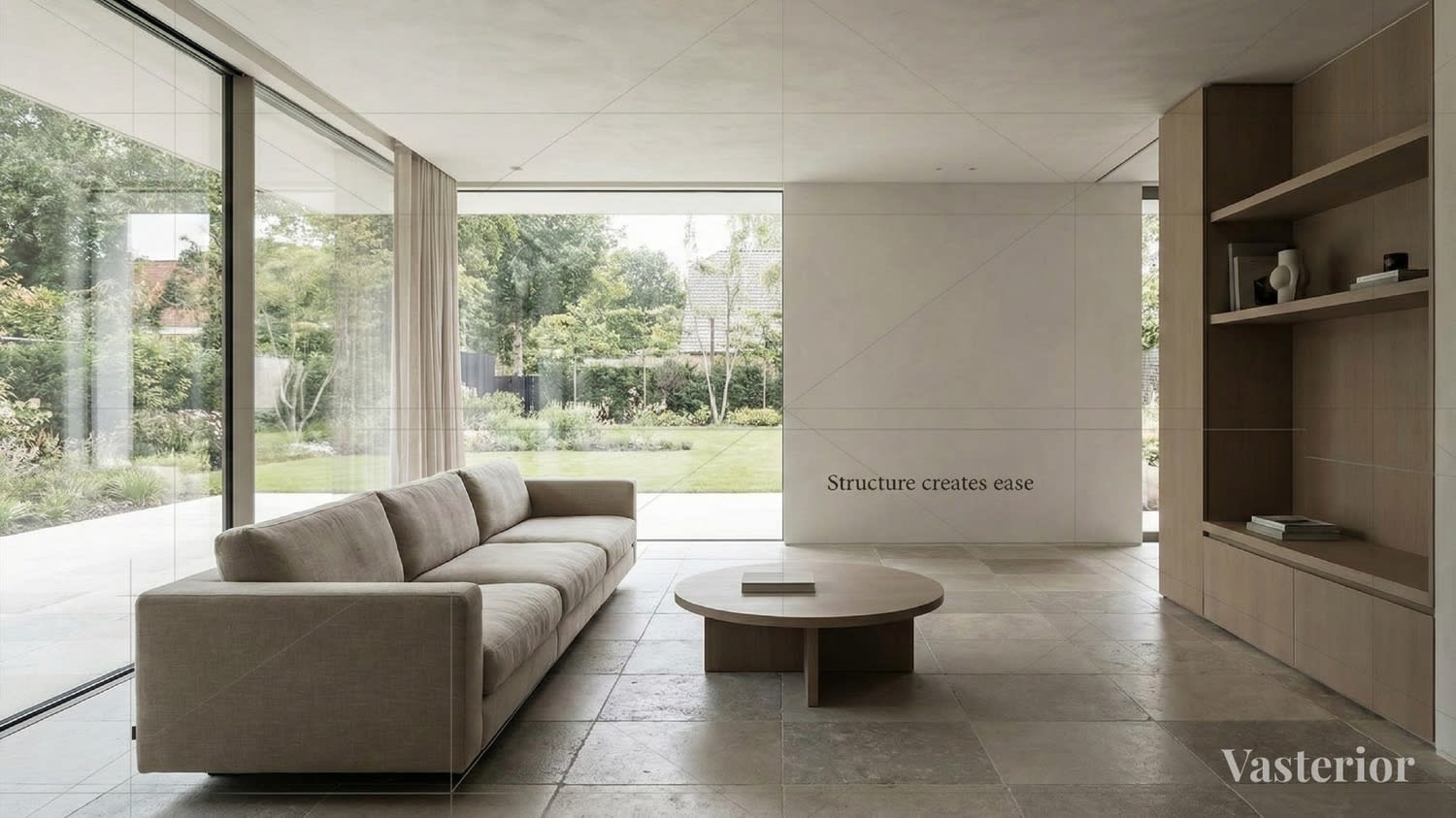
Many interior problems stem from skipping the most critical stage: layout planning. Furniture is placed based on size availability rather than spatial logic, and rooms are filled without understanding zones, balance, or breathing space.
Spatial gridding, a structured method of mapping proportions, alignments, and movement, ensures that each area serves its purpose without creating congestion or imbalance. Without this, homes often feel cluttered, restless, or inefficient, even if they are visually refined.
At Vasterior, layout mapping is treated as a non-negotiable foundation. It allows design decisions to be intentional rather than reactive, preventing expensive corrections later.
3. Overlooking Natural Light, Direction, and Movement
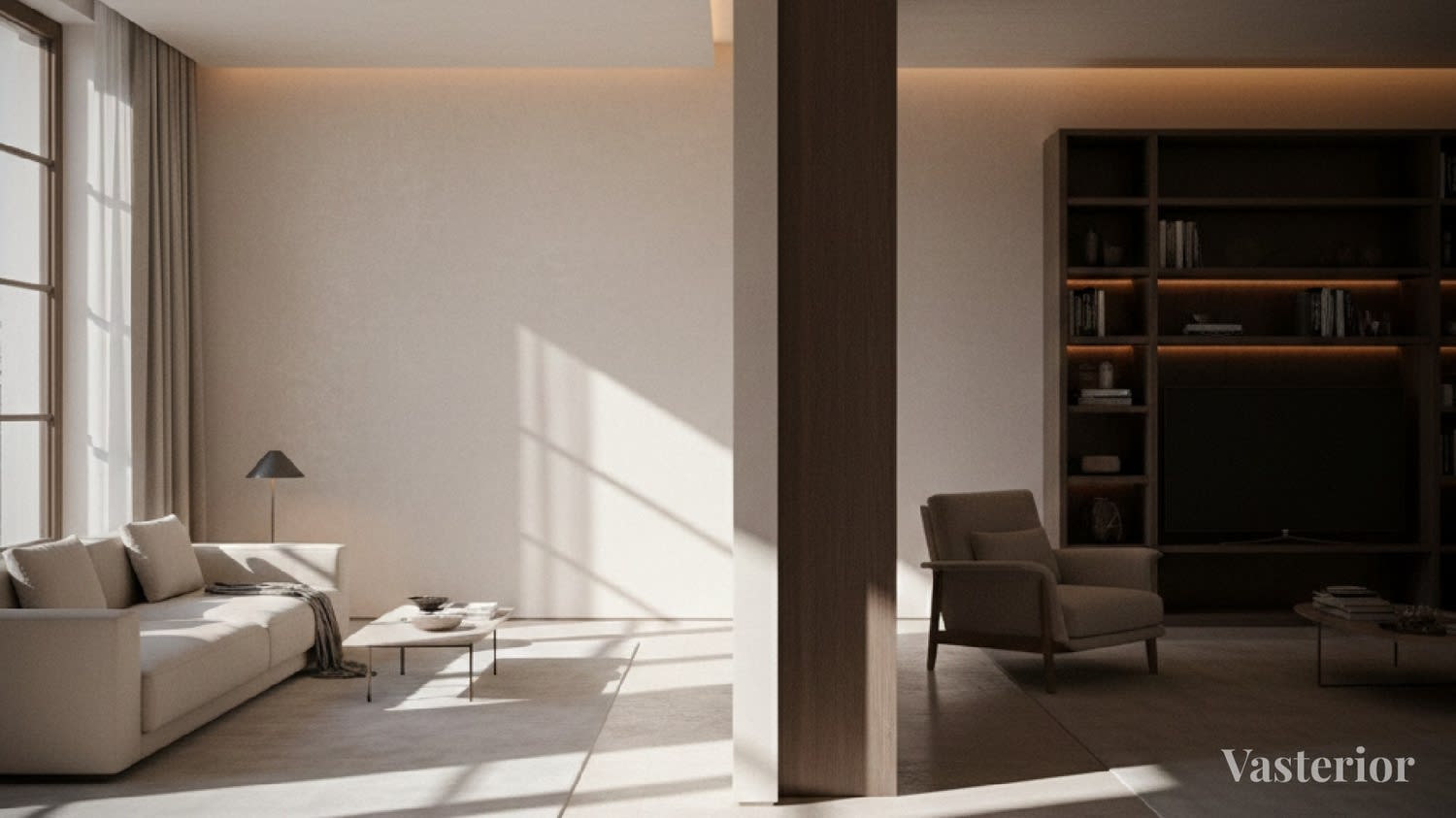
Light is one of the most powerful yet underestimated elements in interior design. Many homes block natural light unintentionally, through poor furniture placement, heavy window treatments, or incorrect zoning of activities.
Beyond brightness, directional light influences mood, focus, and energy levels. When spaces are designed without considering how light moves through the home during the day, rooms may feel dull, heavy, or uncomfortable regardless of décor.
Good design works with natural rhythms, allowing light, air, and movement to flow intuitively. This creates homes that feel calm and supportive without conscious effort.
4. Choosing Furniture Before Finalising the Layout
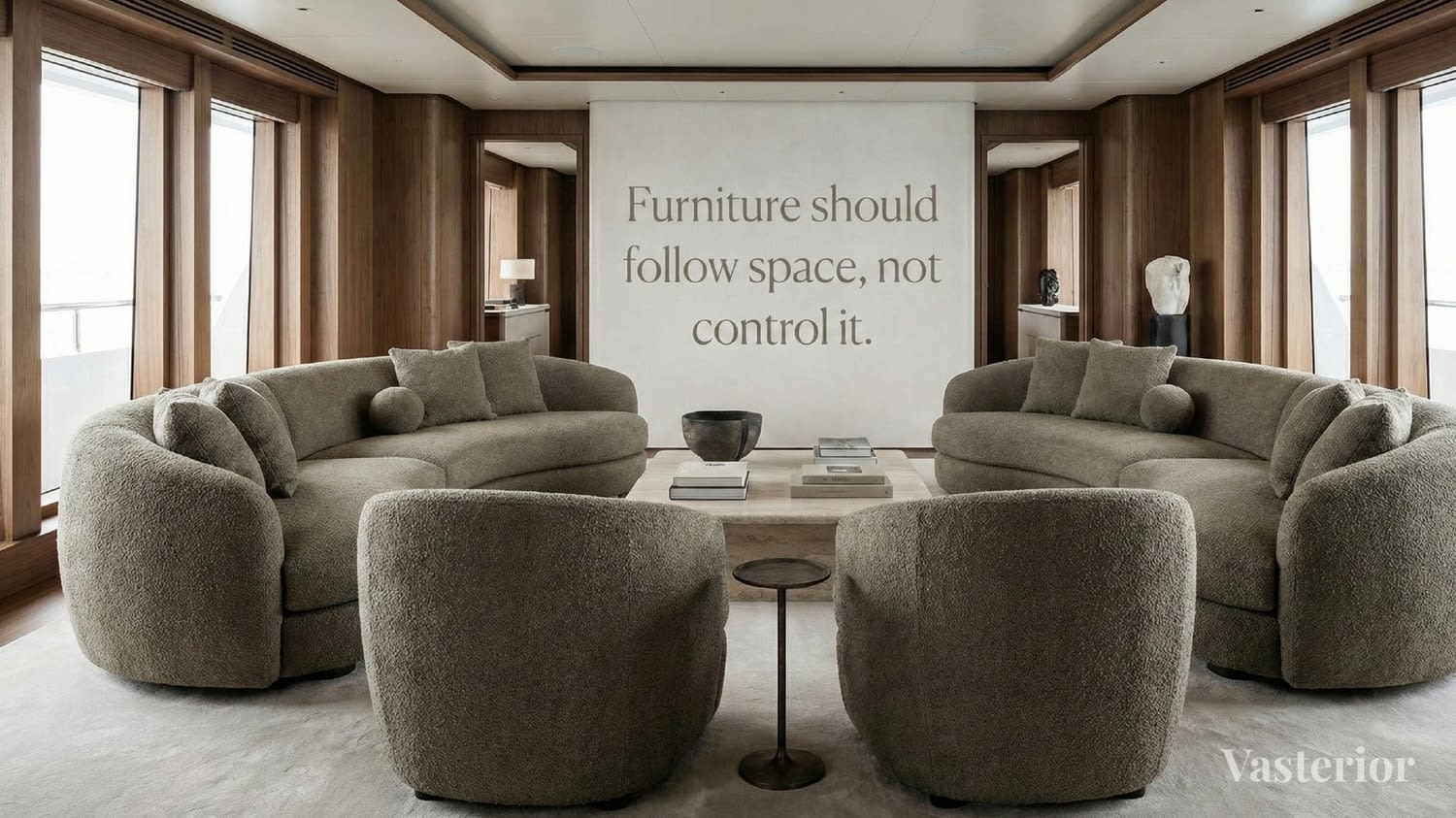
Buying furniture early often feels productive, but it is one of the costliest mistakes homeowners make. Furniture selected without a finalized layout frequently ends up oversized, underscaled, or incompatible with circulation.
This leads to compromised placements, reduced movement space, and awkward room proportions. In many cases, homeowners then redesign entire rooms to "adjust" around furniture, reversing the logic of good design.
Furniture should always be the response, not the starting point. When layouts are resolved first, furniture enhances the space instead of dominating it.
5. Treating Storage as an Afterthought
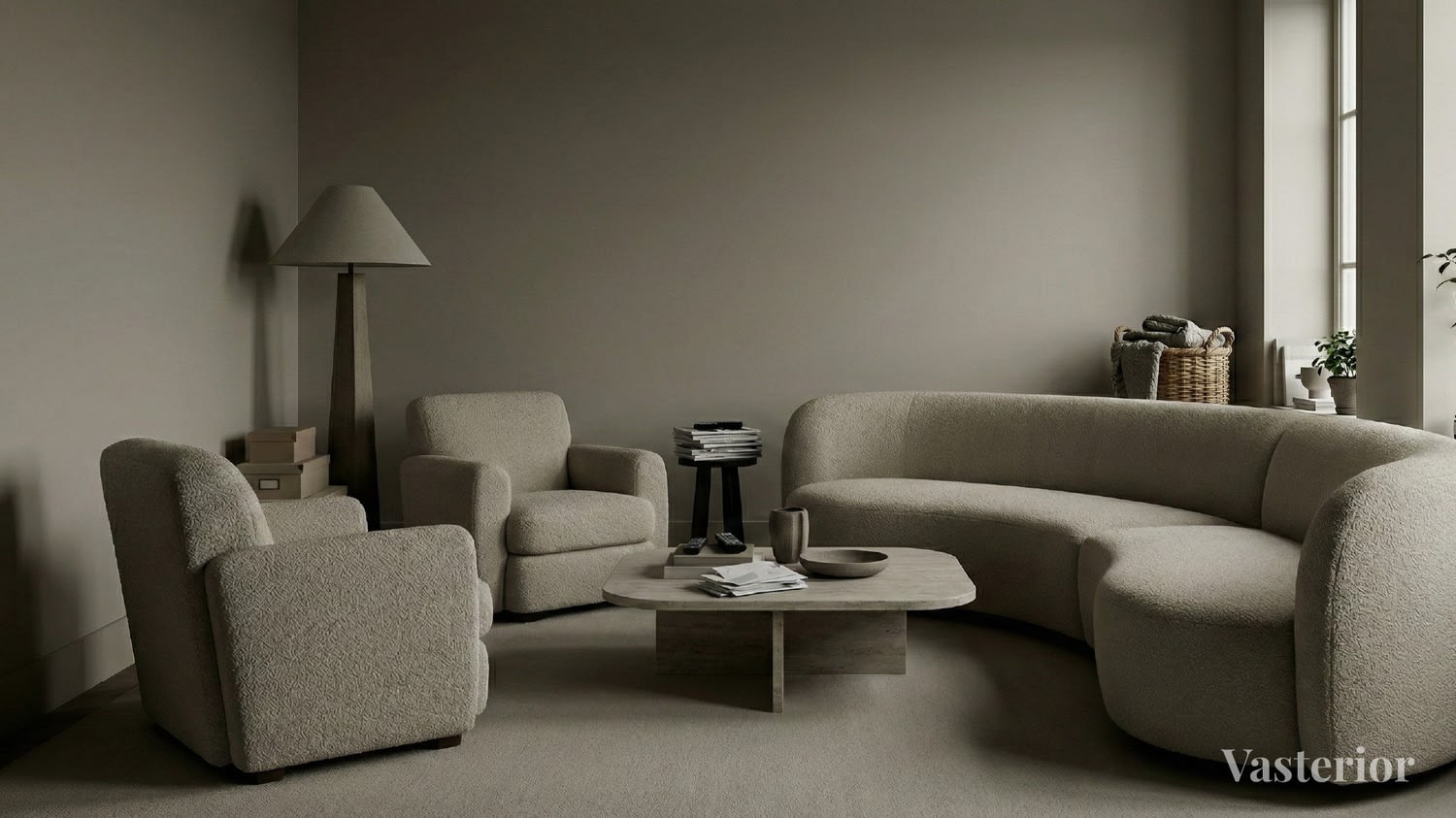
Storage is rarely exciting, which is why it is often neglected until the end. Unfortunately, insufficient or poorly planned storage becomes one of the biggest daily frustrations in any home.
When storage is not integrated into the architecture and layout, it results in visual clutter, reduced floor space, and constant compromise. Homes that feel chaotic often suffer not from lack of space, but from lack of thoughtful storage planning.
Well-designed storage is invisible yet transformative. It allows the home to remain calm, organised, and adaptable as life evolves.
6. Over-Customisation Without Considering Longevity
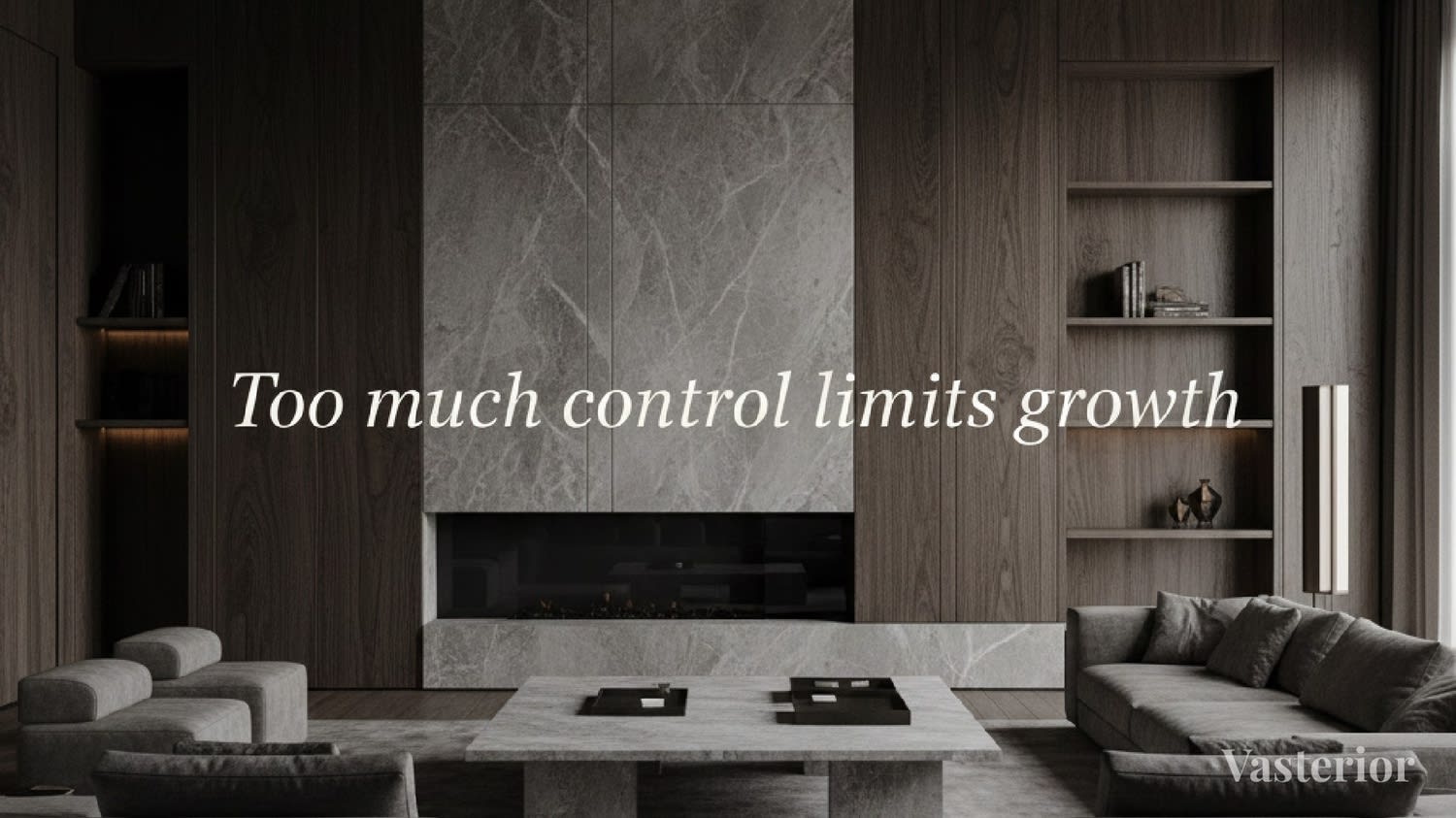
Custom design can elevate a home, but excessive or overly specific customisation often reduces flexibility. Fixed elements designed around current habits may become constraints as family structures, routines, or technologies change.
Homes should support growth, not resist it. Design decisions must balance personalization with adaptability, ensuring the space remains relevant and functional for years to come.
Timeless interiors prioritise proportion, material quality, and spatial logic over novelty.
7. Blindly Following Trends
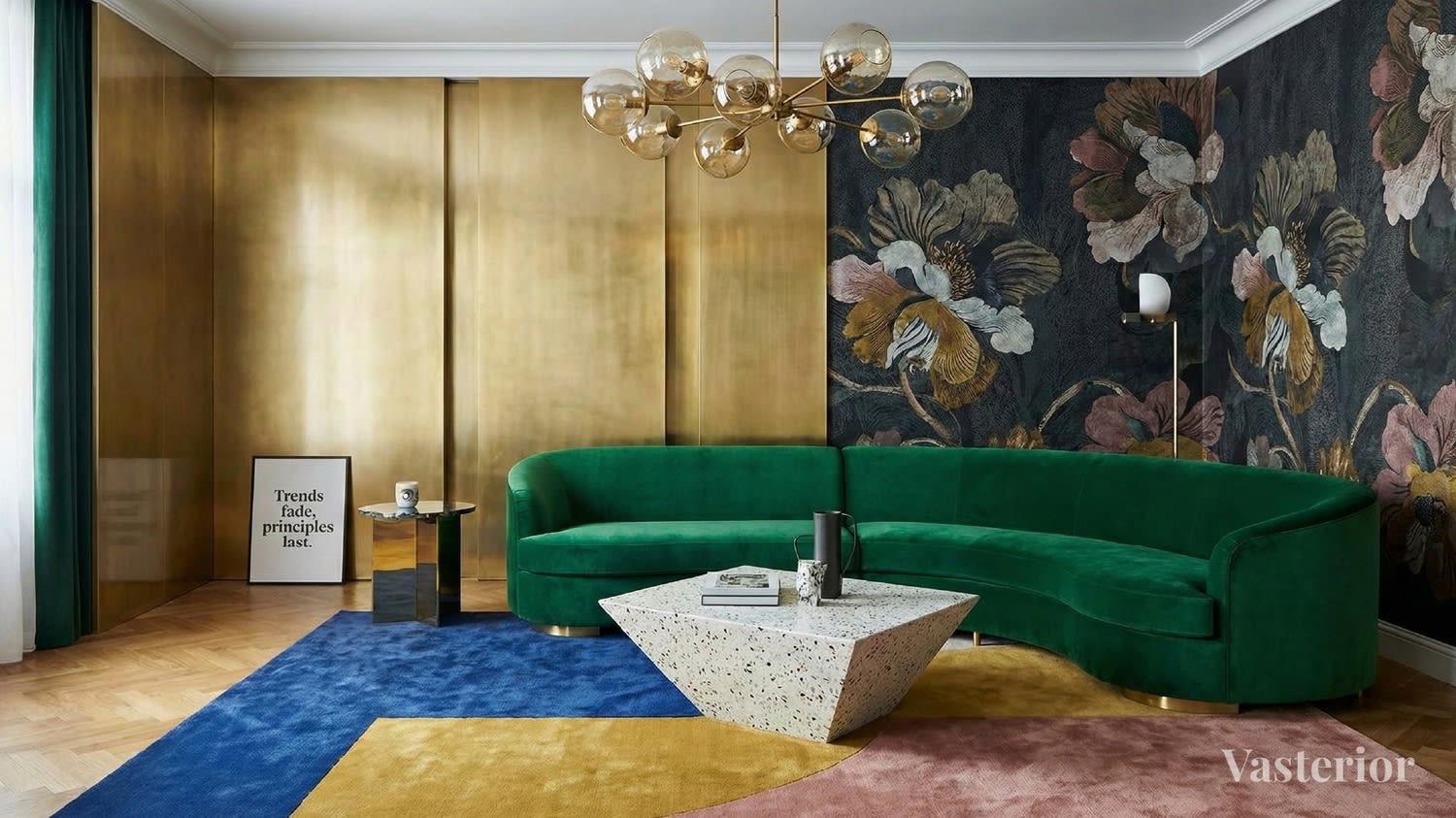
Trends can inspire, but designing a home entirely around them is risky. What feels current today may feel dated in just a few years, leading to unnecessary renovations and dissatisfaction.
Trend-driven interiors often prioritise visual impact over comfort and usability. In contrast, homes grounded in timeless design principles age gracefully, allowing accents and styling to evolve without structural changes.
A well-designed home does not chase trends, it absorbs them selectively.
8. Poor Zoning of Public and Private Spaces
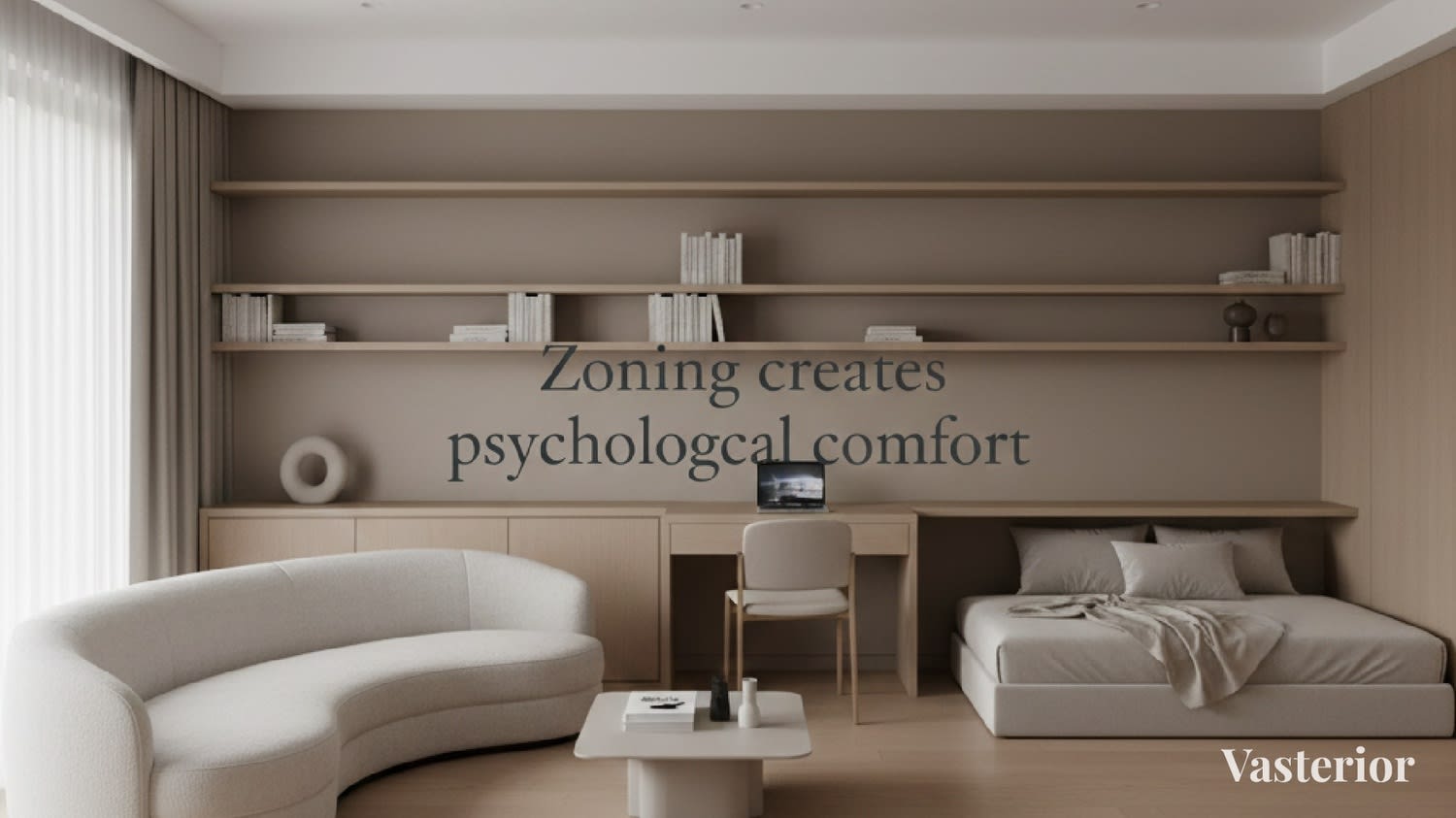
Many homes struggle because spaces are not zoned according to activity and privacy. Bedrooms open directly into high-traffic areas, workspaces sit in noisy zones, or living spaces lack clear boundaries.
Effective zoning creates psychological comfort. It allows spaces to support their intended use without interference, ensuring rest areas feel restful and social areas feel engaging.
This clarity is essential for emotional balance and long-term livability.
9. Misunderstanding Vastu as Decoration or Belief
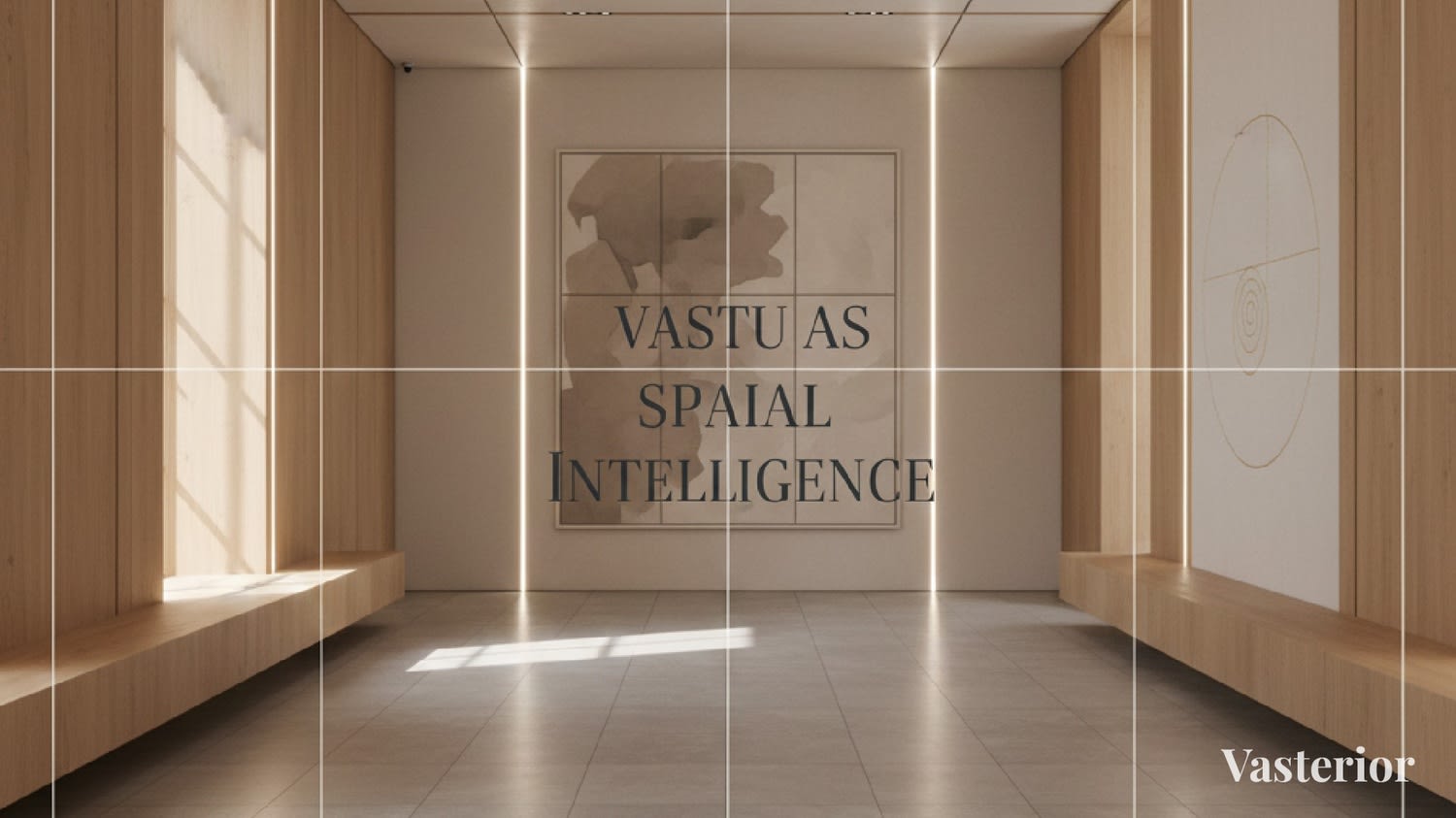
One of the most damaging misconceptions is treating Vastu as a decorative or superstitious layer applied at the end. When reduced to symbolic objects or rigid rules, its true value is lost.
In reality, Vastu, especially in its contemporary MahaVastu approach, is a spatial science. It examines how direction, activity, elements, and objects interact within a built environment.
When applied correctly, MahaVastu works non-destructively, enhancing alignment without forcing demolition or impractical changes. It complements modern design rather than contradicting it.
10. Skipping Professional Surveying and Documentation
Many design issues originate from inaccurate measurements, missing details, or assumptions made on site. Without proper surveying and documentation, even the best concepts fail in execution.
Professional documentation ensures that design intent translates accurately into reality, reducing errors, delays, and cost overruns.
At Vasterior, detailed surveying and documentation are treated as investments, not expenses.
Why Thoughtful Homes Feel Effortless
Truly successful interiors rarely draw attention to themselves. They feel intuitive, calm, and supportive. Movement feels natural. Decisions feel easier. Rest feels deeper.
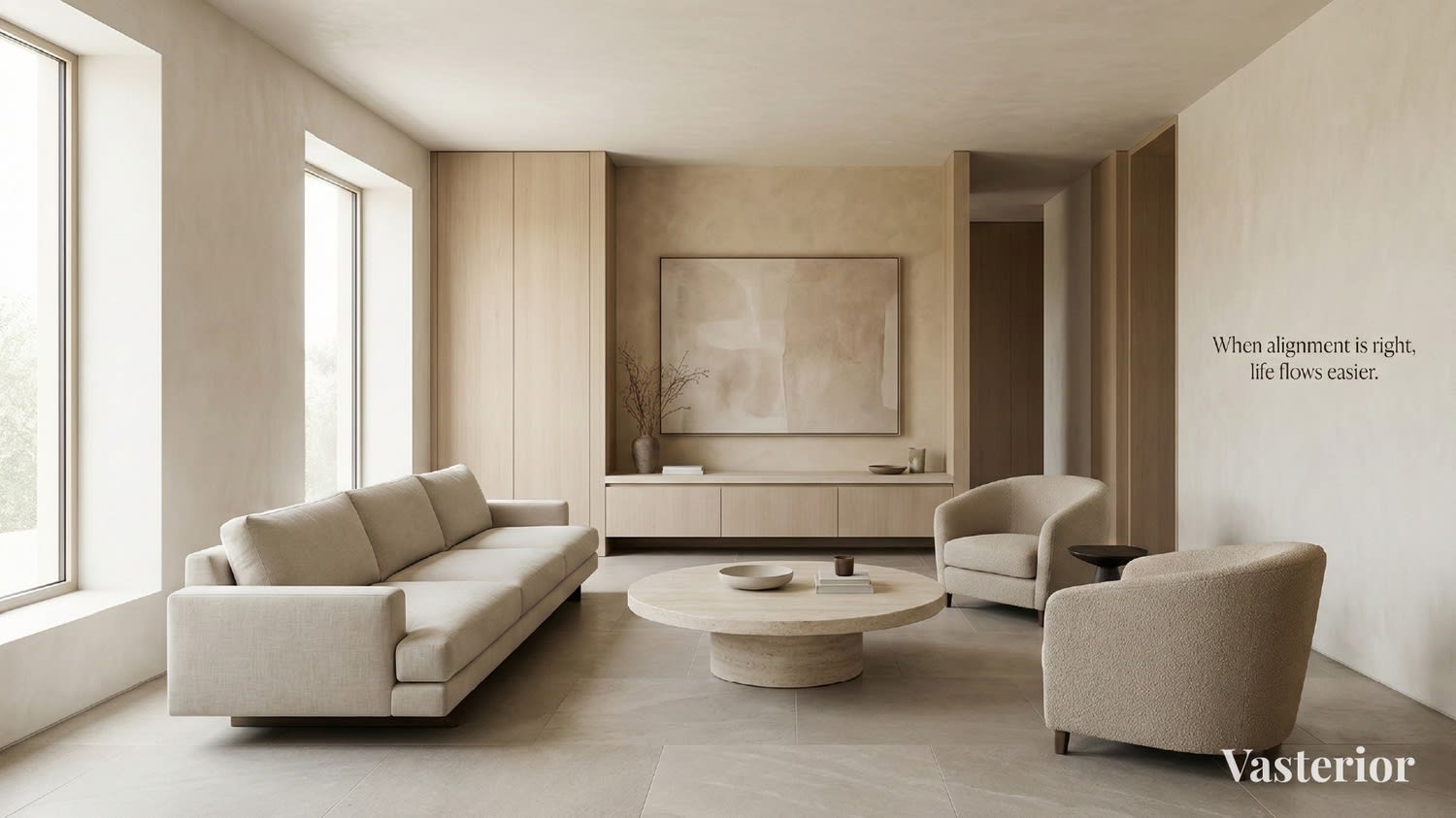
This effortlessness is not accidental. It is the result of alignment, between space, activity, and human behaviour. When design respects this relationship, the home begins to work with you rather than against you.
Designing with Awareness, Not Assumptions
Interior design is not about filling space; it is about understanding it. Avoiding these common mistakes allows your home to become a foundation for clarity, stability, and growth, rather than a constant adjustment project.
When spaces are planned with intelligence, restraint, and alignment, beauty follows naturally.