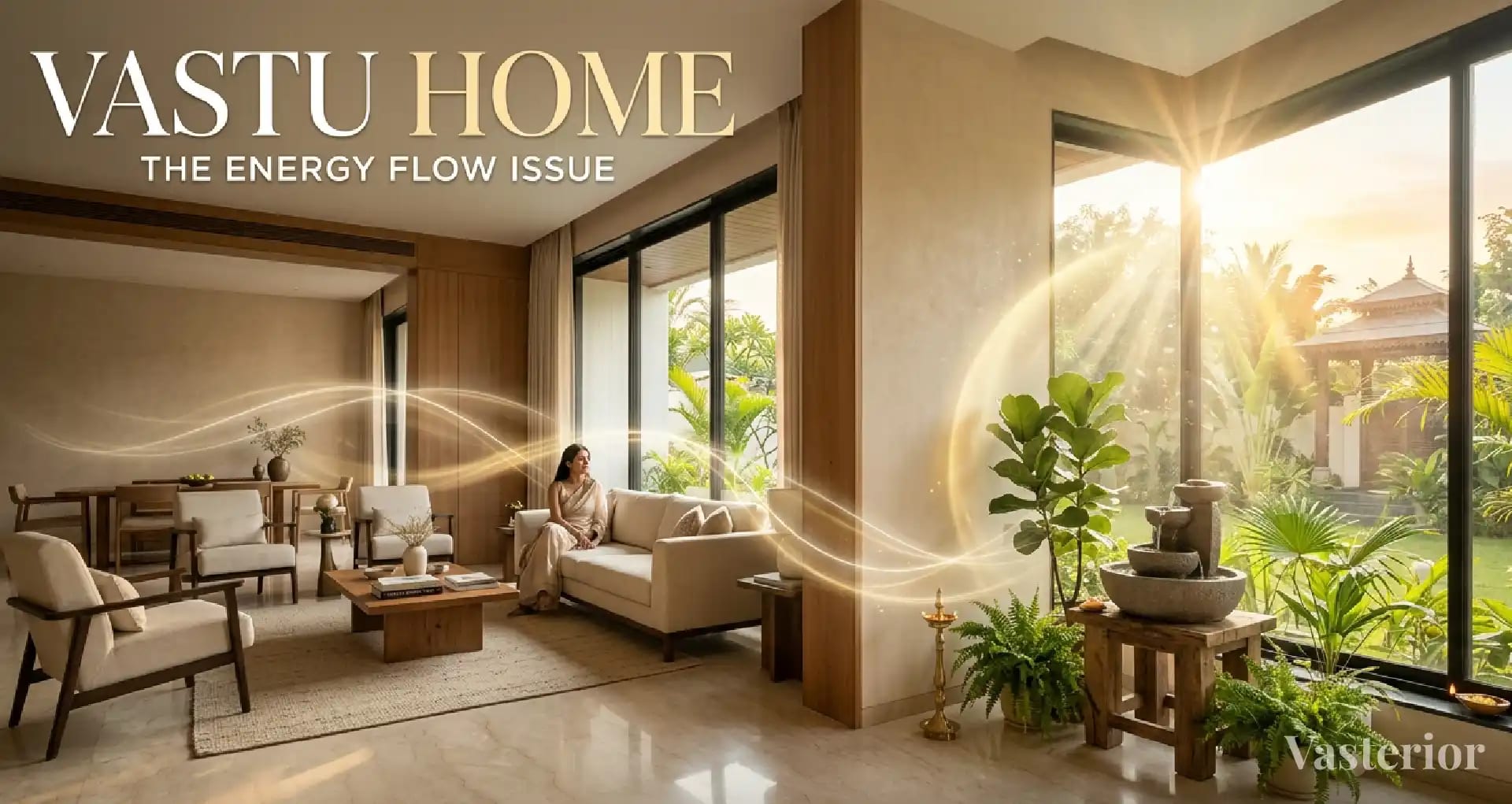
Homes are fascinating things. They are not just built from brick, wood, steel, and glass. They are built from energy, intention, and the invisible rhythm of how space interacts with the people living inside it.
You might have experienced it yourself. Walk into certain homes and you instantly feel calm, welcomed, and energised. Step into others and something simply feels off, even if the décor is beautiful.
According to the ancient Indian science of Vastu Shastra, the difference often comes down to one critical factor: direction.
Among the eight primary directions defined in Vastu, there is one that stands above the rest, a direction believed to influence clarity, prosperity, peace, and the overall flow of energy in a home.
Many Vastu experts refer to it as the gateway of positive energy.
And once you understand how this single direction works, it can completely change the way you view your living space.
Understanding Vastu Directions: More Than Just Compass Points
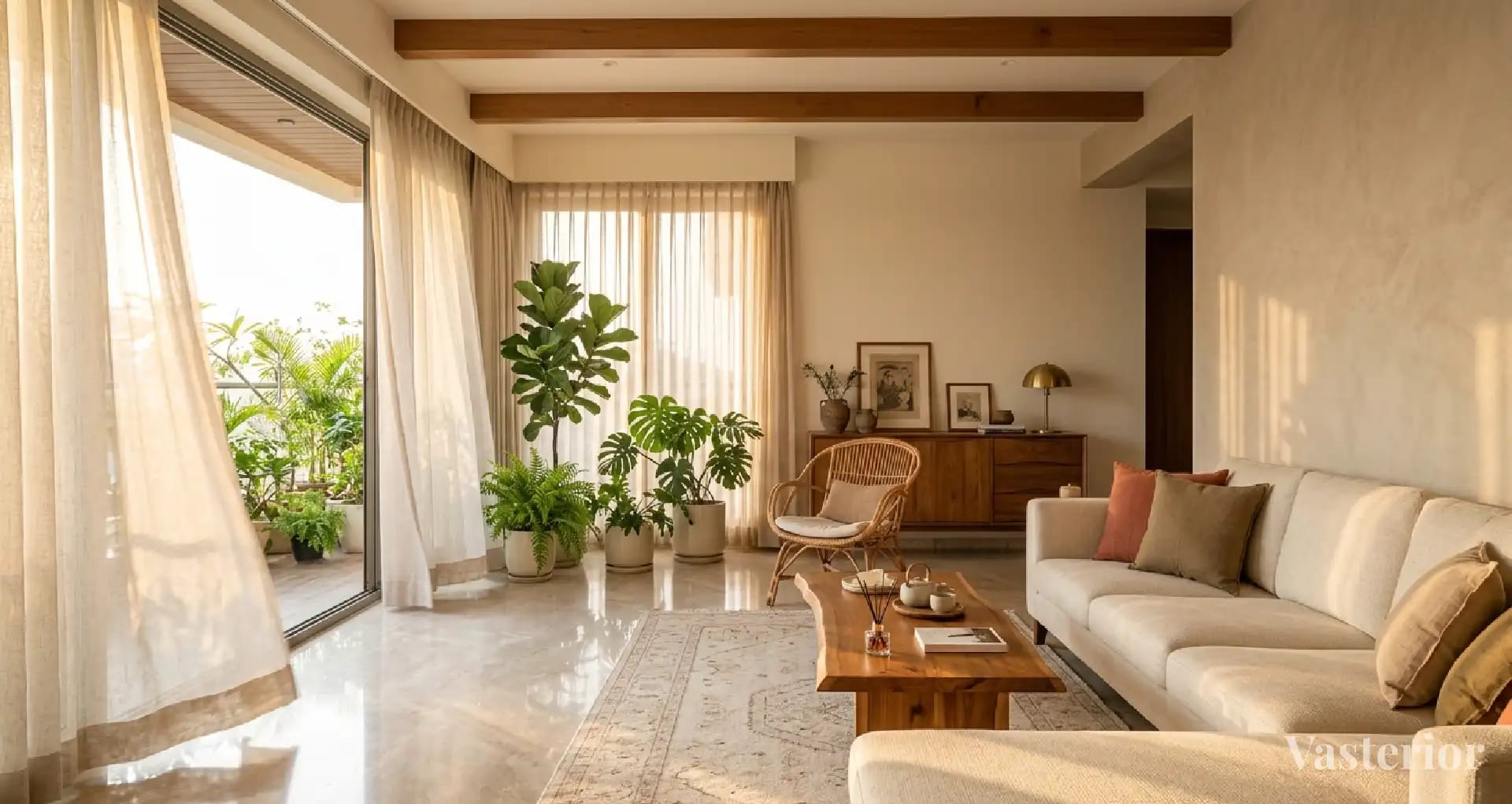
Before revealing the most powerful direction in Vastu, it is important to understand that Vastu does not treat directions merely as geographical references.
Instead, each direction is seen as an energy channel connected to nature and the cosmic environment.
Vastu Shastra is built upon the balance of five fundamental elements, often referred to as the Panchabhutas:
- Earth (Prithvi)
- Water (Jal)
- Fire (Agni)
- Air (Vayu)
- Space (Akash)
Every structure, whether it is a home, temple, or palace, interacts with these elements through its orientation, layout, and spatial openness.
The direction in which a home is designed determines:
- how sunlight enters the space
- how air circulates
- how rooms interact with each other
- how energy flows through the environment
In traditional Indian architecture, the positioning of rooms, entrances, and open areas was never random. Every design decision was carefully aligned with directional energy to maintain harmony between the built environment and the natural world.
Even today, modern architects and interior designers are rediscovering how directional alignment affects both physical comfort and psychological well-being.
The One Direction That Changes Everything
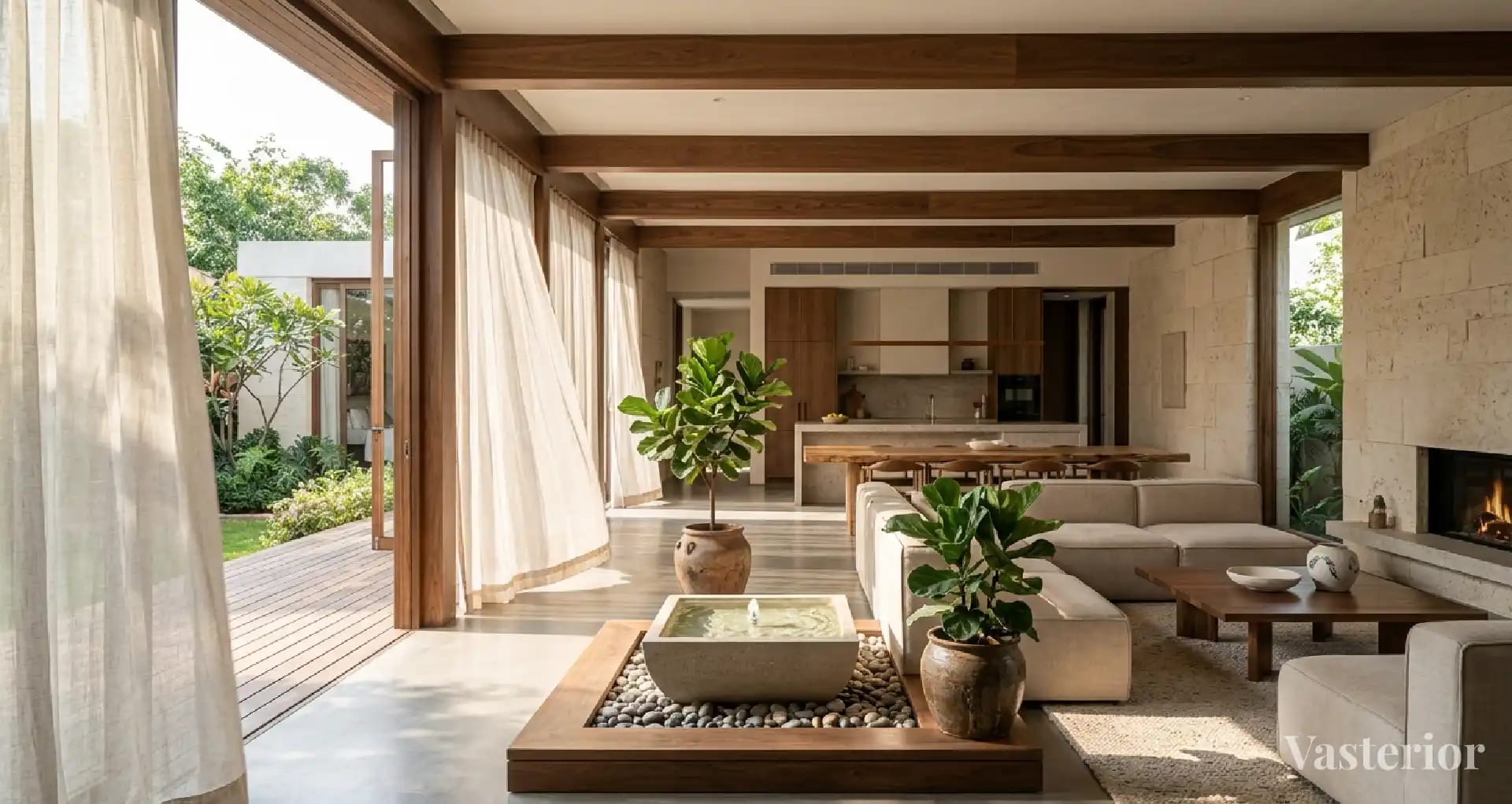
Among all directions in Vastu, the North-East direction, known as the Ishan corner, is considered the most powerful and influential.
This corner is traditionally associated with:
- spiritual growth
- wisdom and clarity
- positive beginnings
- abundance and prosperity
In ancient Indian architecture, the North-East was always treated with great importance. Temples, sacred spaces, and water elements were frequently placed in this direction to harness its beneficial energy.
The reasoning behind this belief is both symbolic and practical.
The North-East receives the first rays of the morning sun, bringing gentle light and fresh energy into the home. This early sunlight has long been associated with purification, vitality, and mental clarity.
In Vastu philosophy, this direction acts almost like an energetic doorway — allowing positive vibrations to enter the living space.
When this area of the home is open, clean, and well balanced, the entire house tends to feel lighter and more harmonious.
Why the North-East Is Considered the Energy Gateway
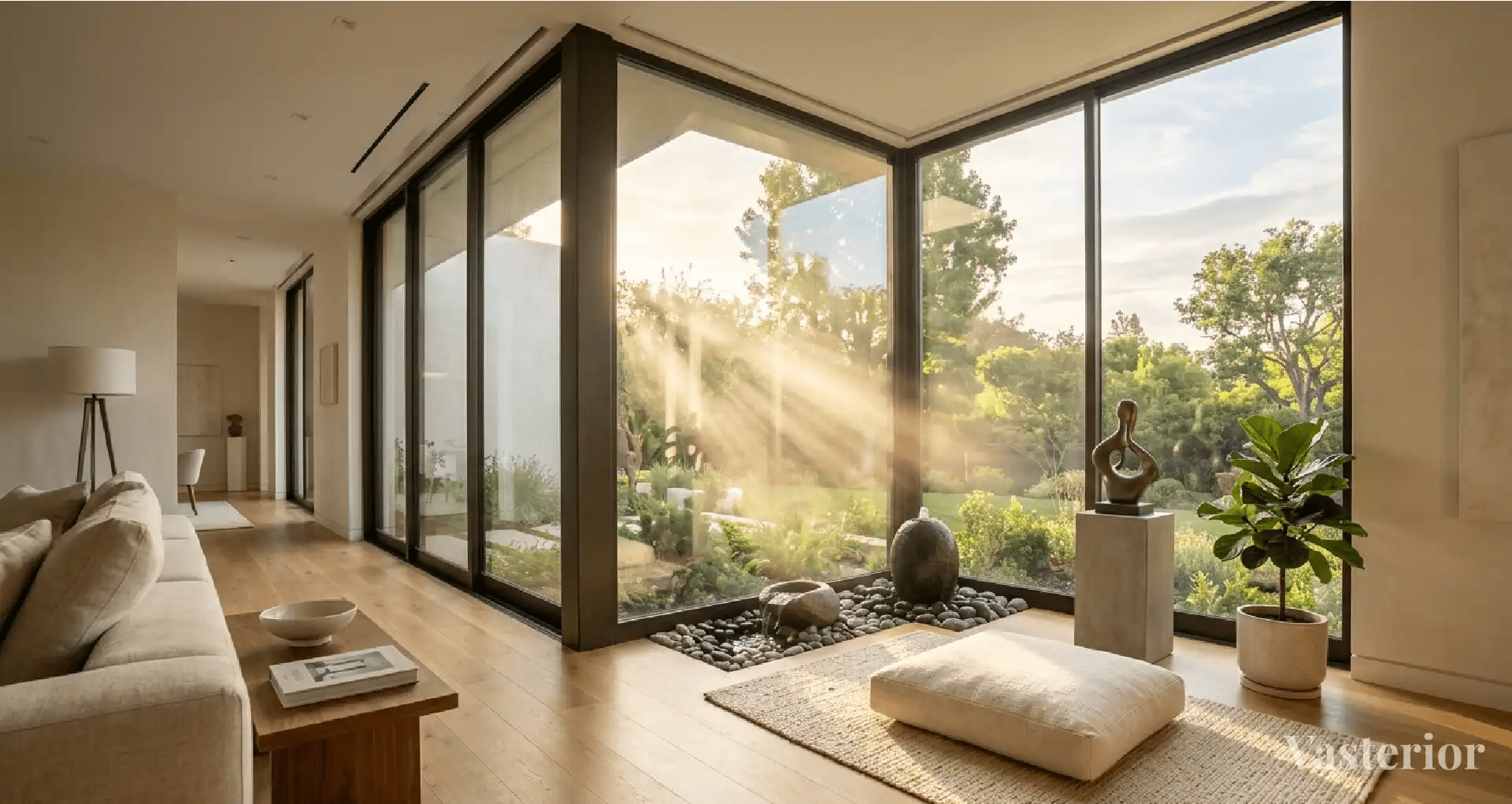
To understand why the North-East direction is so important, it helps to look at both ancient wisdom and modern environmental science.
Natural Sunlight and Circadian Rhythm
The North-East receives the soft morning sunlight that gently wakes the environment. Exposure to morning light is known to regulate the body's circadian rhythm, improving mood, focus, and sleep quality.
Homes that allow natural light to flow into this direction often feel brighter and more uplifting throughout the day.
Psychological Openness
Spaces in the North-East are ideally kept open, uncluttered, and calm. Psychologically, open spaces create a sense of freedom and mental clarity.
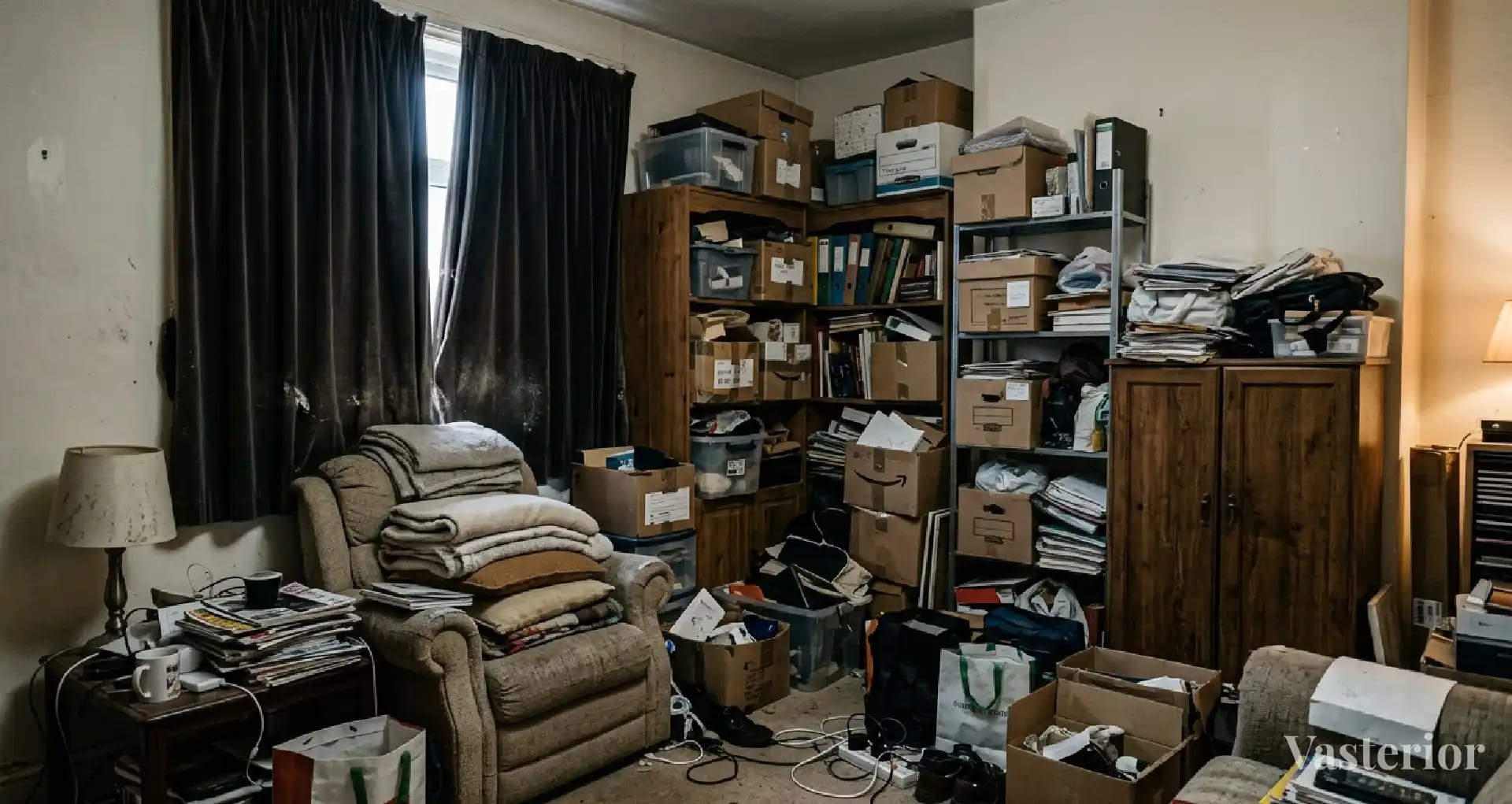
When this corner becomes blocked with heavy furniture, storage, or structural obstacles, the environment may start to feel dense and stagnant.
Ancient Architectural Intelligence
Traditional Indian homes frequently placed courtyards, water features, or prayer spaces in the North-East. These elements naturally encouraged calmness, reflection, and purity within the household.
Even today, many architects and interior designers recognise that how a home interacts with light, air, and openness directly influences emotional well-being.
In this way, Vastu principles often align surprisingly well with modern design psychology.
Signs Your Home's Energy Might Be Blocked
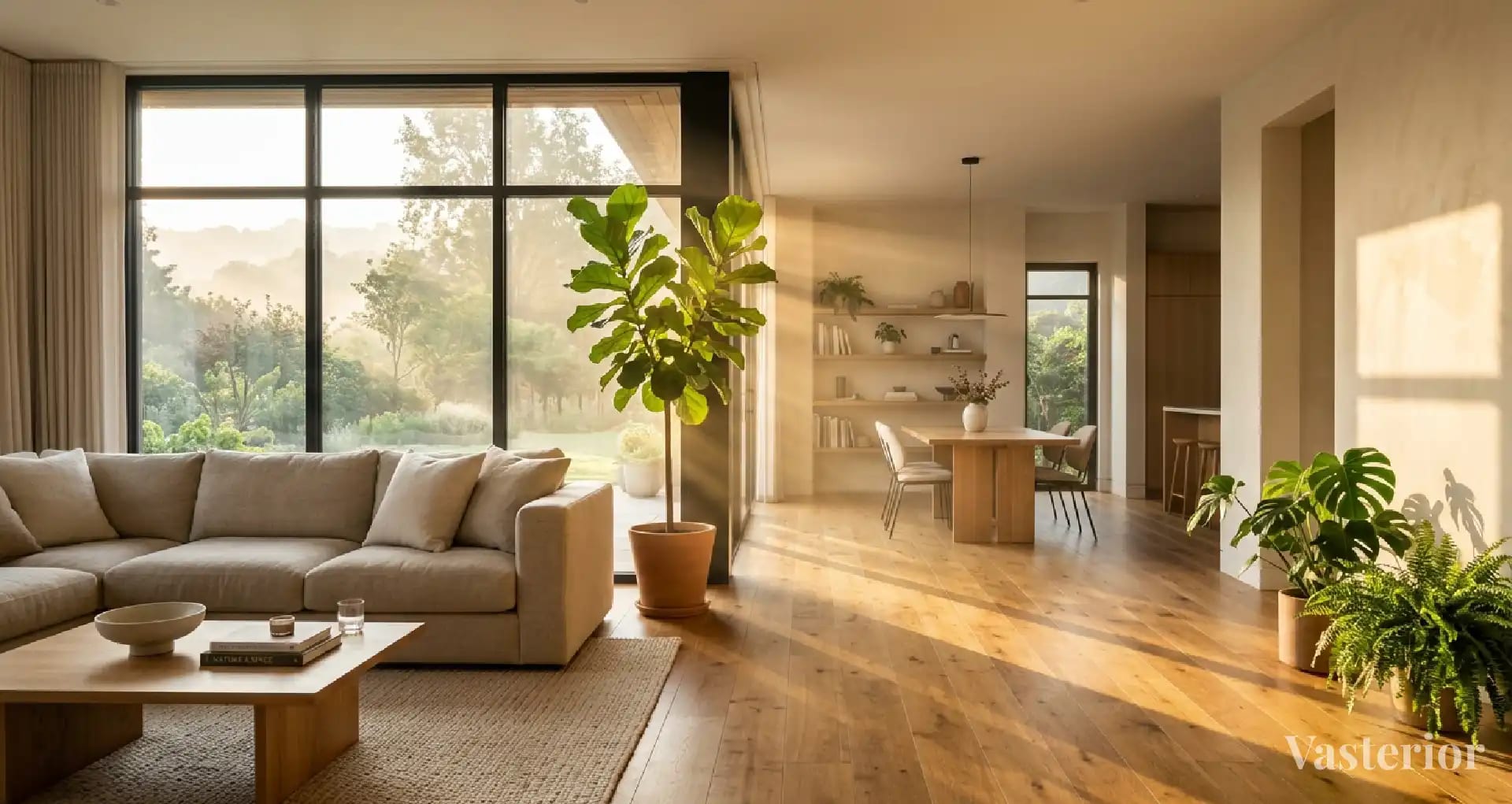
Sometimes, the imbalance in a home is subtle. Nothing appears physically wrong, yet the environment feels heavy or unsettled.
Certain signs may indicate that the energy flow of the house is not functioning optimally.
Some of the most common indicators include:
- Constant feelings of restlessness or fatigue at home
- Difficulty concentrating while working or studying
- Unnecessary clutter accumulating in key areas
- Financial instability or recurring setbacks
- Lack of motivation or creativity within the household
Of course, these experiences can have many causes. However, Vastu practitioners often observe that blocked or misaligned spaces, particularly in the North-East, may contribute to such patterns.
When energy flow improves, people frequently report feeling more relaxed, focused, and emotionally balanced within their homes.
Simple Ways to Activate the Most Powerful Vastu Direction
The good news is that activating positive energy in the North-East does not necessarily require rebuilding an entire house.
Often, small and thoughtful changes can make a meaningful difference.
- Keep the Area Open and Light — The North-East should ideally remain free from heavy furniture, storage units, or structural obstacles. Open spaces allow light and air to circulate easily.
- Reduce Clutter — Clutter disrupts the natural flow of energy. Maintaining a clean and organised space in this direction helps create a calm and harmonious environment.
- Introduce Soft Colours — Light shades such as white, cream, soft blue, or pale yellow help maintain the serene quality of the North-East.
- Allow Natural Light — If possible, ensure windows in this direction remain unobstructed so that morning sunlight can enter freely.
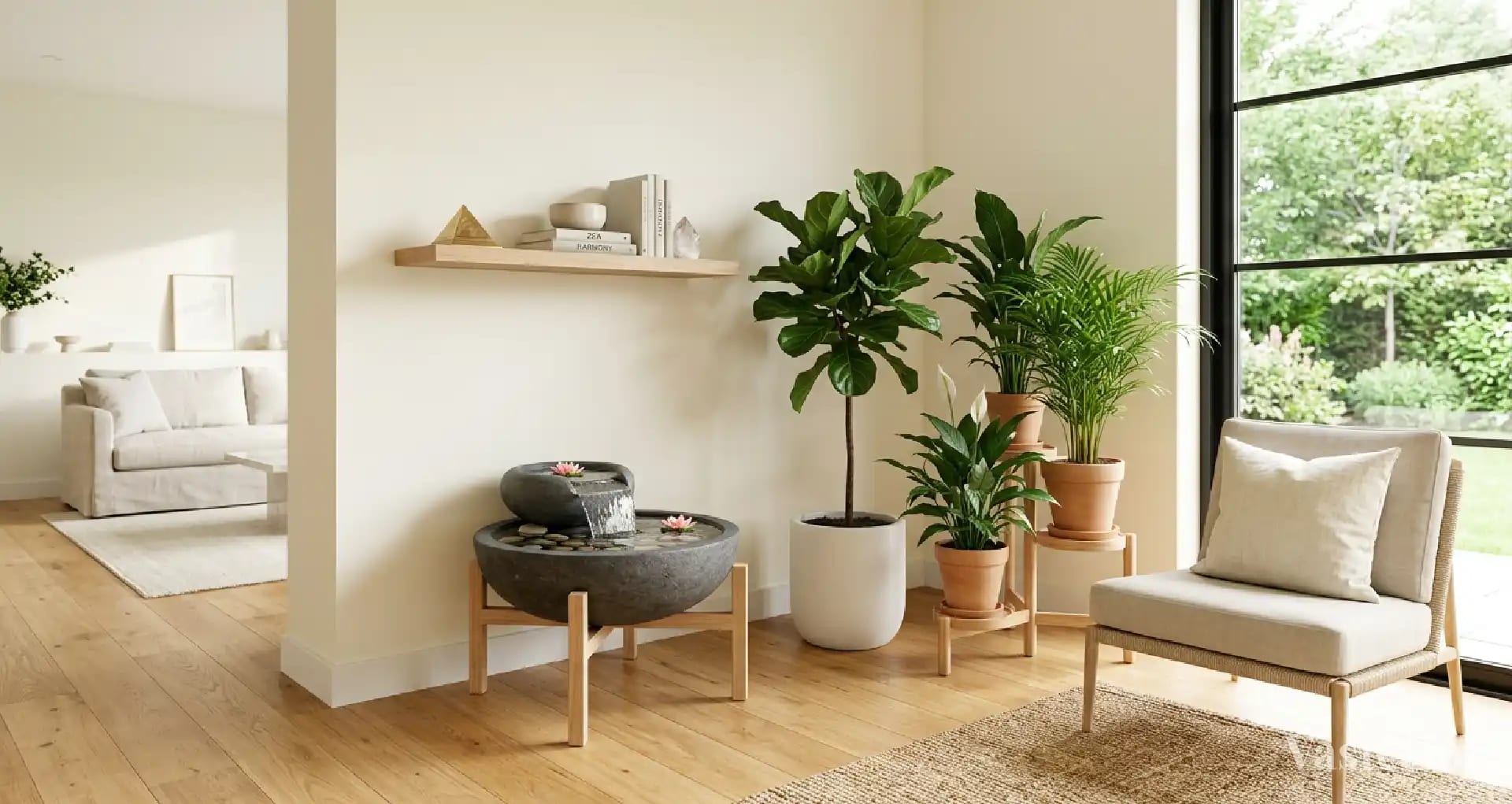
- Add Calm Elements — Many homes place water features, indoor plants, or spiritual symbols in this area to encourage a peaceful atmosphere.
Even small apartments can benefit from these adjustments. Vastu is not limited to large houses — it can be thoughtfully applied to modern urban living spaces as well.
Vastu Meets Modern Interior Design
For a long time, Vastu was often misunderstood as superstition or rigid tradition.
Today, however, designers and architects increasingly view it through a more sophisticated lens.
Vastu can be understood as an early form of spatial psychology and environmental design, one that studied how humans interact with light, direction, and physical space.
Modern interior design already incorporates similar ideas:
- open layouts that encourage movement
- natural light optimisation
- balanced proportions in architecture
- calming colour palettes
When these contemporary design principles are combined with Vastu insights, the result is often a home that feels both aesthetically refined and energetically balanced.
This blend of traditional wisdom and modern design thinking is becoming especially popular among younger homeowners who value both wellness and style.
How Vasterior Brings Vastu to Life Through Design
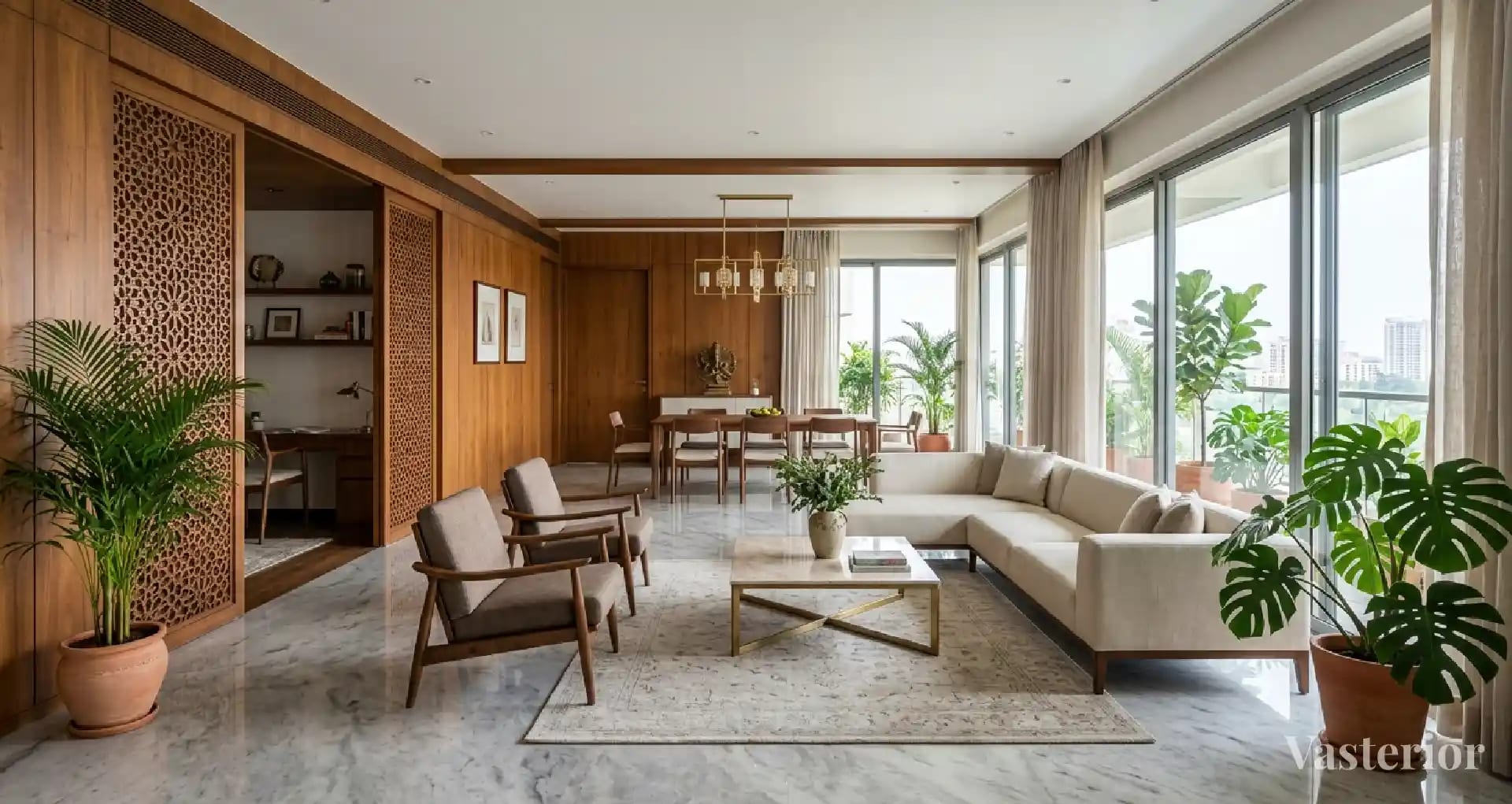
Designing a Vastu-aligned home is not simply about placing objects in certain corners. It requires a deeper understanding of architecture, spatial flow, and human behaviour within spaces.
Experienced design teams analyse several factors before recommending changes:
- the orientation of the building
- room placement and functional zoning
- circulation patterns within the house
- lighting and ventilation dynamics
- interior layout and furniture placement
Through thoughtful planning, spaces can be redesigned to improve harmony while maintaining elegance and comfort.
This approach ensures that homes are not only visually beautiful but also aligned with principles that promote balance and well-being.
Real Life Impact of Directional Alignment
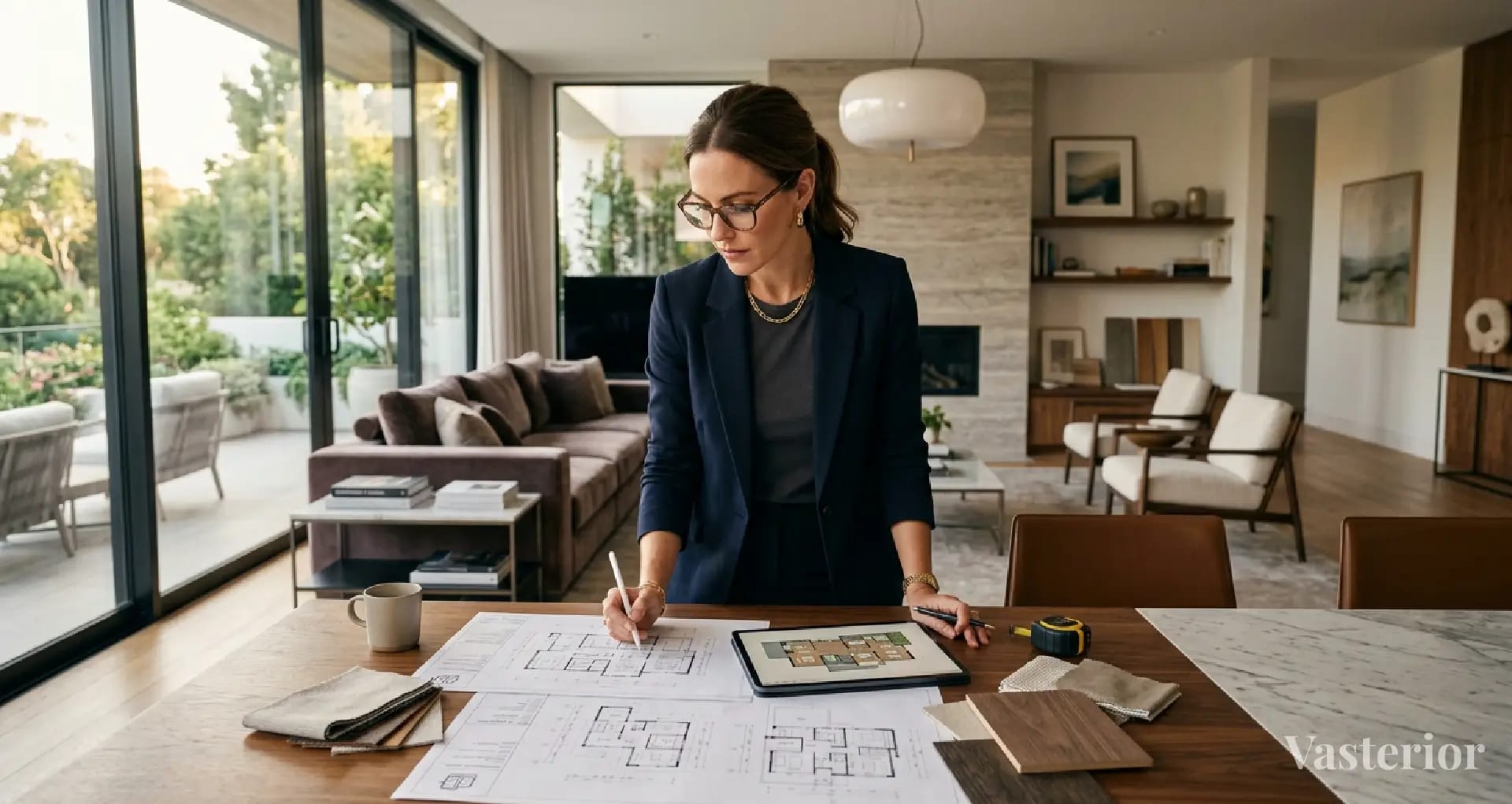
People often underestimate how strongly their environment affects their daily life.
A thoughtfully designed home can influence many aspects of living, including:
Productivity
Spaces that receive good natural light and have balanced layouts often support better concentration and efficiency.
Relationships
Comfortable and harmonious environments tend to encourage positive interactions among family members.
Mental Clarity
Open, organised spaces reduce visual stress and make it easier to relax and think clearly.
Emotional Well-Being
Homes that feel calm and balanced naturally support emotional stability and peace.
When directional alignment improves, residents often notice that the entire home begins to feel more welcoming, lighter, and more supportive of everyday life.
A Final Thought on the Direction of Your Home
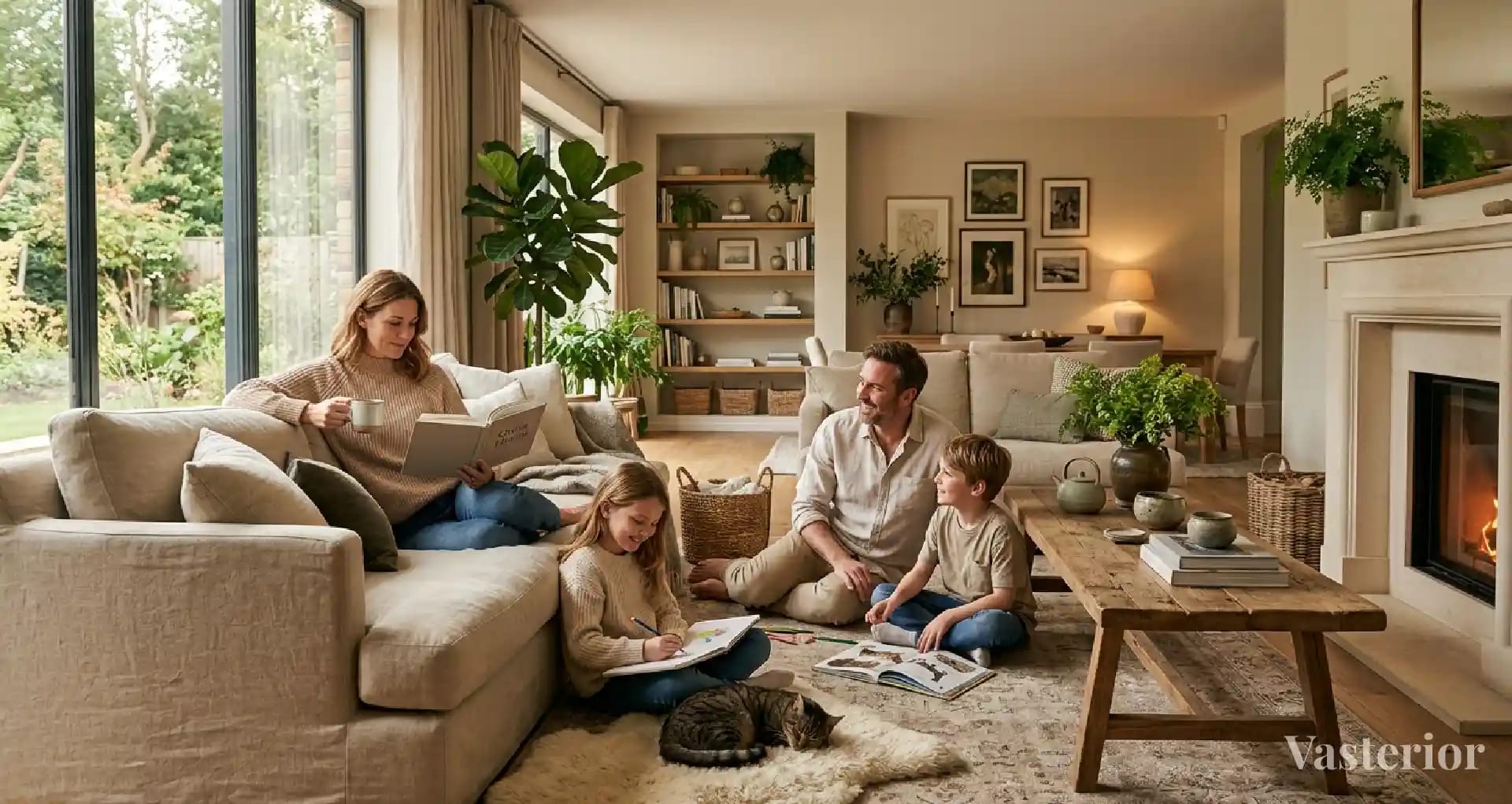
Homes are deeply personal spaces. They shape our routines, influence our emotions, and quietly support the rhythms of our lives.
Vastu reminds us that architecture is not merely about walls and furniture, it is about how energy flows through space and interacts with the people living there.
Among all directions, the North-East corner holds a special place as the entry point of clarity, harmony, and possibility.
By keeping this direction open, balanced, and thoughtfully designed, homeowners can subtly transform the atmosphere of their entire living environment.
Those who wish to explore deeper insights into Vastu-aligned interiors and spatial design can always seek expert guidance to better understand how their homes interact with these principles.
For personalised consultations or to learn more about creating harmonious living spaces, you may connect with the design team for thoughtful advice at +91 9100883355, or share your queries at info@vasterior.com.
Sometimes, a single direction is all it takes to change the energy of a home, and perhaps even the experience of living within it.