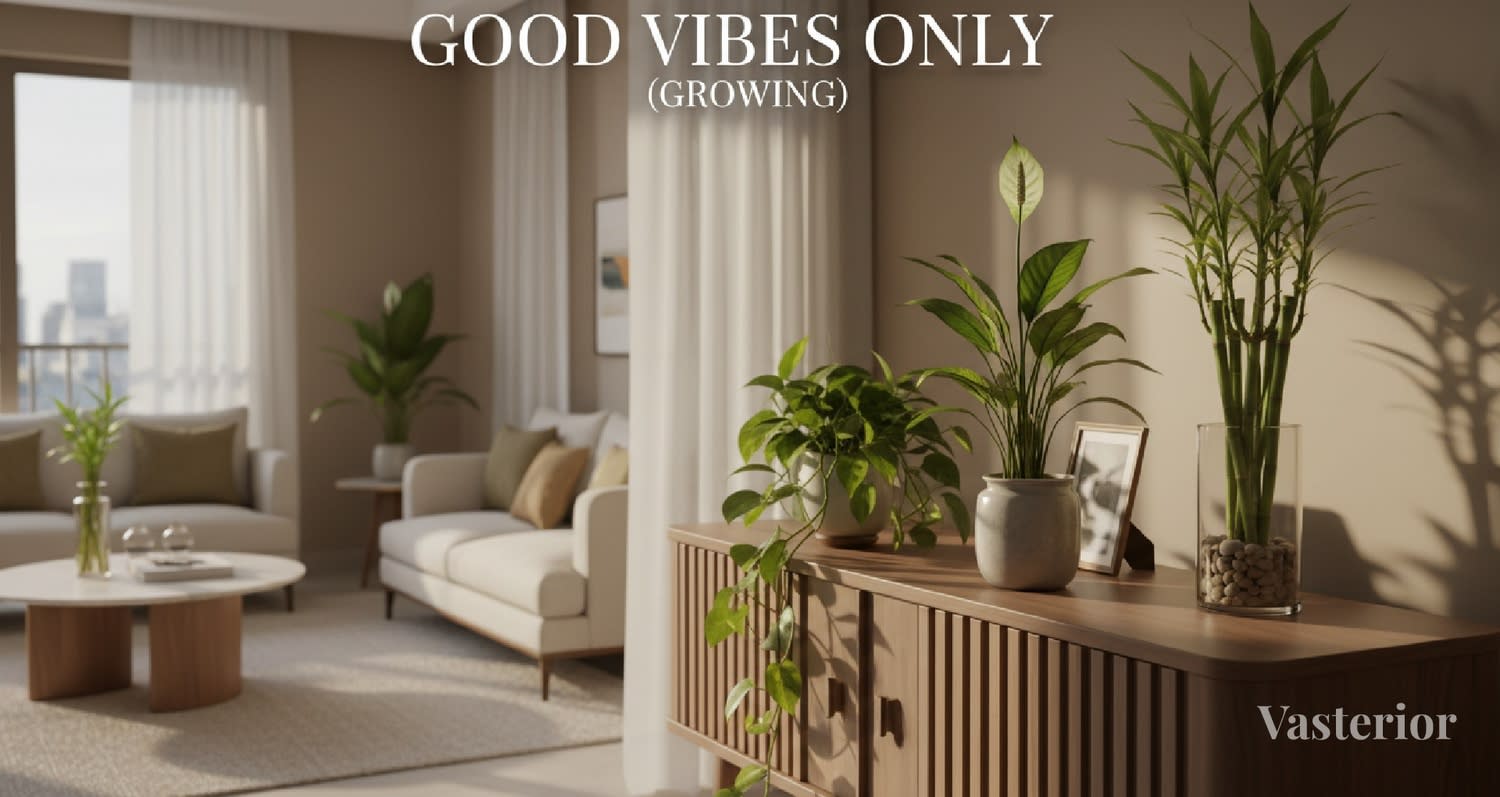
Let's be honest: most of us buy indoor plants for the aesthetic. A little green corner. A Pinterest shelf. A "plant mom" moment.
But here's the twist, not every cute plant is a good vibe plant.
And if you follow Vastu (even casually), you already know this: plants aren't just décor. They're living energy. They grow, they breathe, they influence mood, and in a Vastu sense, they can either support your home's prana... or quietly mess with it.
So if you've ever wondered which indoor plants actually improve home energy (and which don't), this guide is for you. No fear-based nonsense. No superstition overload. Just modern, practical Vastu logic, with plants you can realistically keep alive.
Why Plants Matter in Vastu (A Modern Explanation)
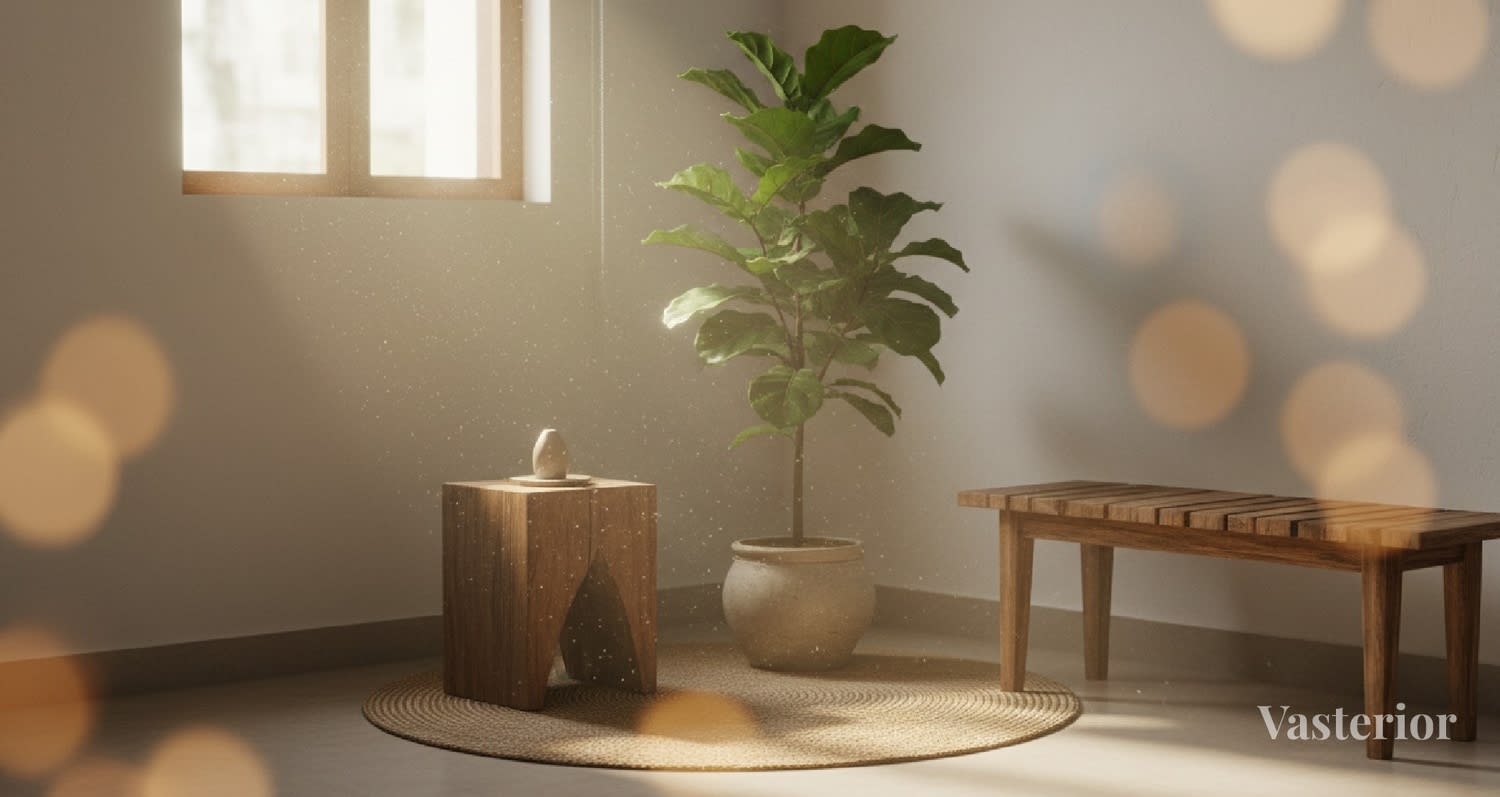
In Vastu Shastra, everything in your home interacts with energy flow, furniture, colours, directions, light, and yes, plants.
Plants represent growth, renewal, and the living force of nature. They're strongly connected to the Wood element (even though Vastu traditionally focuses on the Panch Tatva: Earth, Water, Fire, Air, Space). A healthy plant symbolises upward movement, vitality, and fresh energy.
But here's the key: Vastu isn't about being paranoid.
It's about alignment.
A thriving plant supports prana. A dying plant creates stagnation. A thorny plant can represent friction and tension. And neglected plants? They don't just look sad, they signal "blocked energy" in the most literal way.
So if you want to use indoor plants as per Vastu, the goal is simple:
Healthy plants + correct placement = better home energy.
The Best Indoor Plants as per Vastu (The Real "Good Vibe" List)
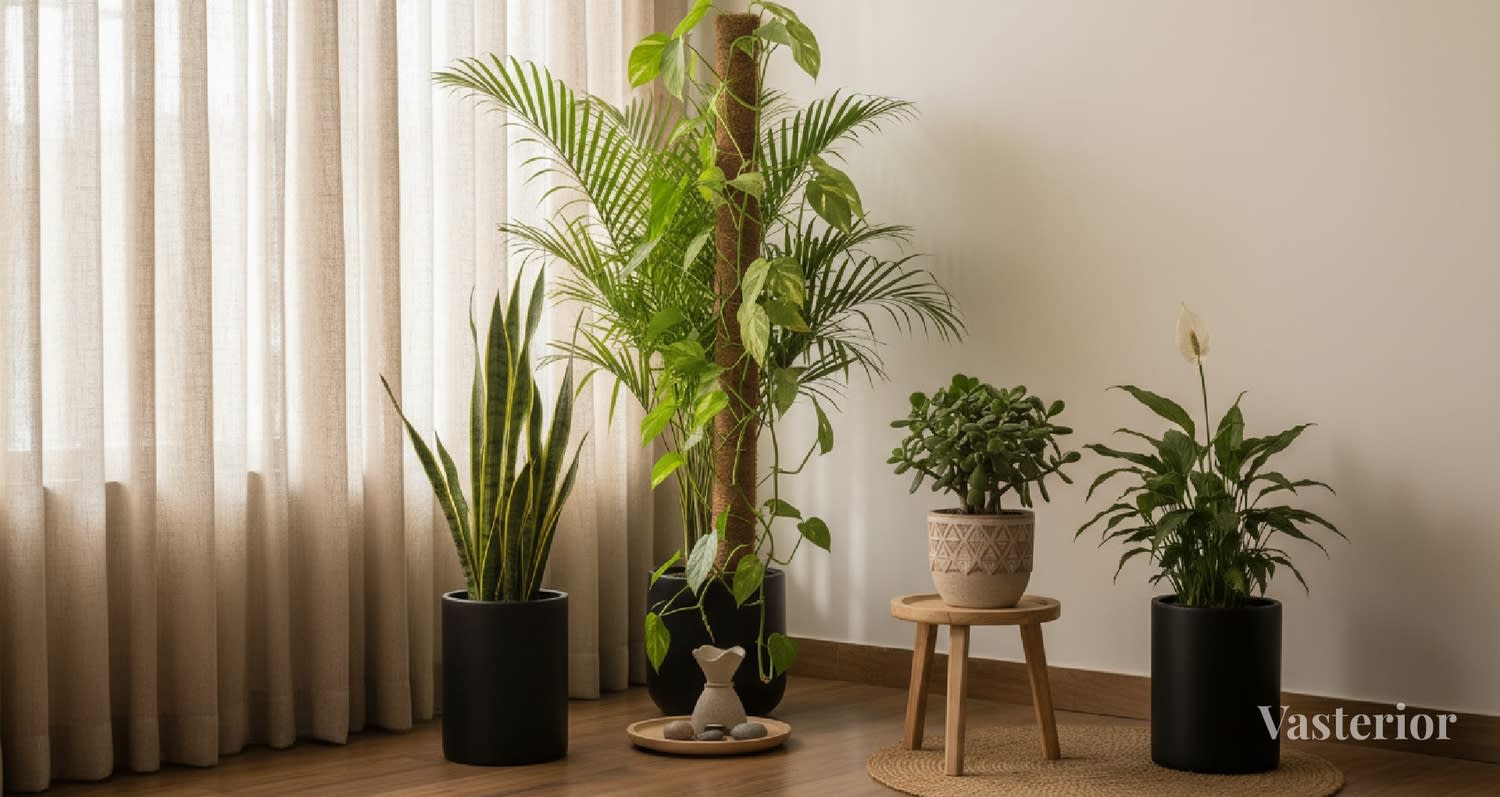
Below are Vastu plants for home that are widely considered supportive for positivity, prosperity, calmness, and overall balance.
I'm also giving you the best placement direction, plus one practical care tip, because energy doesn't work if the plant is half-dead.
1) Money Plant (Epipremnum aureum)
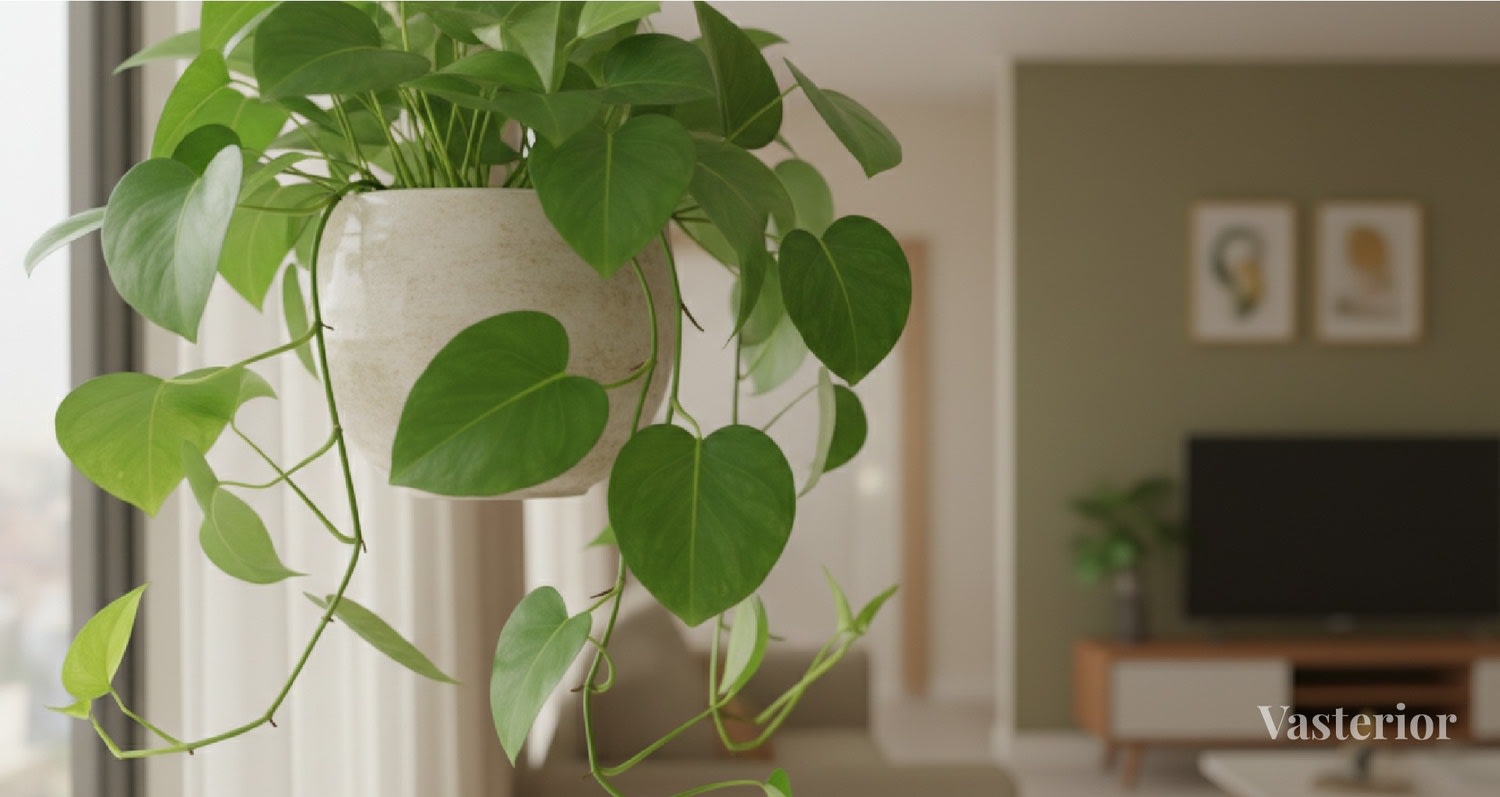
If there's one plant that has become the poster child of "plants that bring good luck at home", it's the money plant.
Why it's positive in Vastu:
It symbolises steady growth and financial flow. Its vines represent expansion and progress.
Best placement direction:
- North (wealth energy)
- East (growth and health)
Avoid:
South-East in some homes if it creates excess Fire energy.
Care tip:
Keep it climbing, not drooping. Trim dead leaves fast.
Vibe check:
If your money plant looks depressed, don't blame your luck, water it.
2) Lucky Bamboo
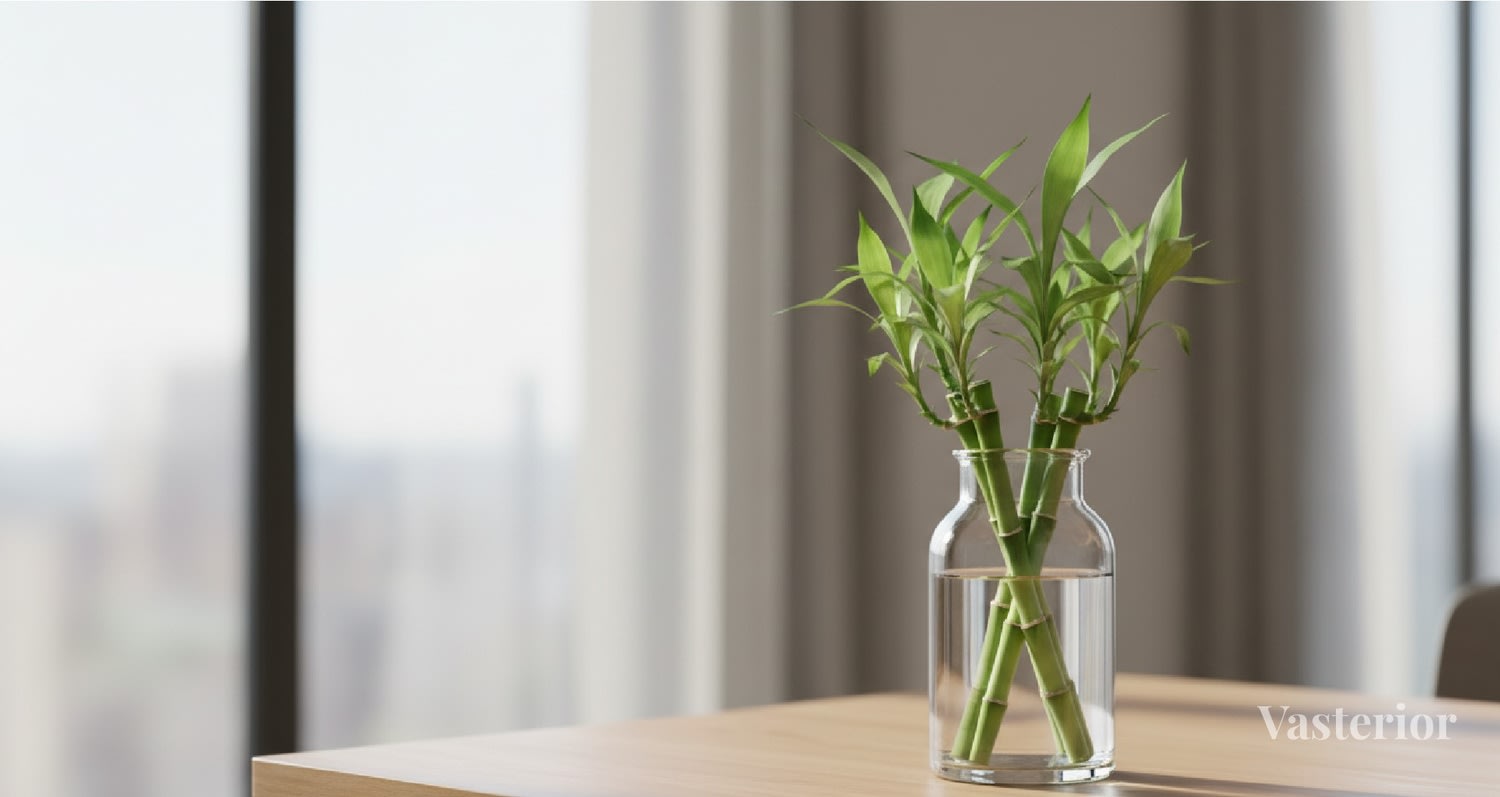
Lucky bamboo is one of the most popular Vastu tips for indoor plants, especially in apartments.
Why it's positive:
It represents resilience, luck, and stability. It's also associated with harmony and peaceful energy.
Best placement direction:
- East (family harmony)
- South-East (wealth corner)
Care tip:
Change water regularly. Stagnant water = stagnant energy.
Vibe check:
Bamboo gives "quiet luxury" energy.
3) Tulsi (Holy Basil) --- With Indoor Rules
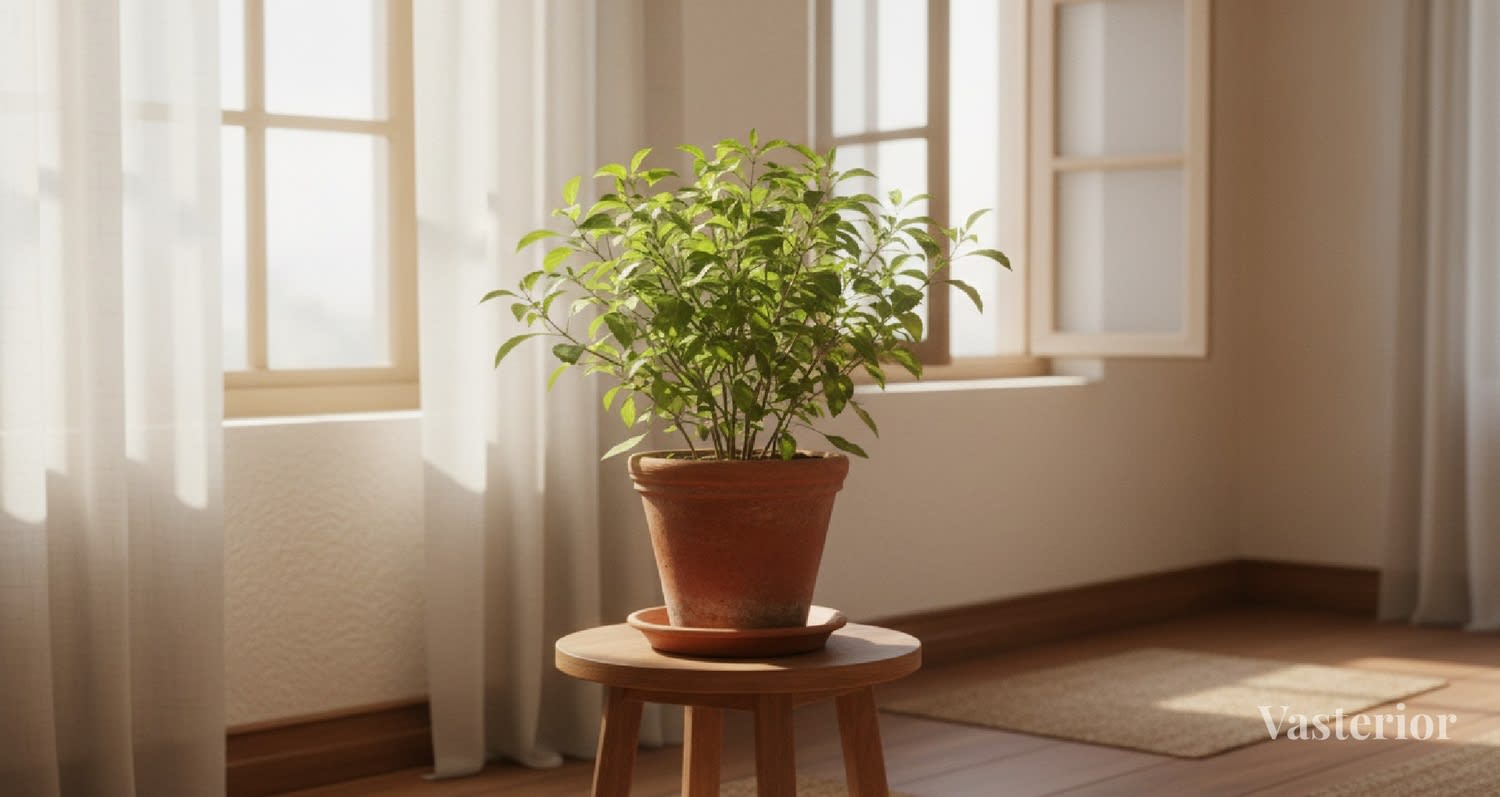
Tulsi is powerful in Vastu, but it's also a plant with very specific placement expectations.
Why it's positive:
Tulsi is associated with purity, cleansing energy, and spiritual balance. It's believed to remove negative vibrations.
Best placement direction:
- North-East (ideal)
- East (good)
Can you keep it indoors?
Yes, but only if it gets sunlight and isn't placed in a dark corner.
Care tip:
If Tulsi starts drying often, it's usually a sign the space lacks sunlight or ventilation.
Vibe check:
Tulsi is not a "casual plant". She's a lifestyle.
4) Areca Palm
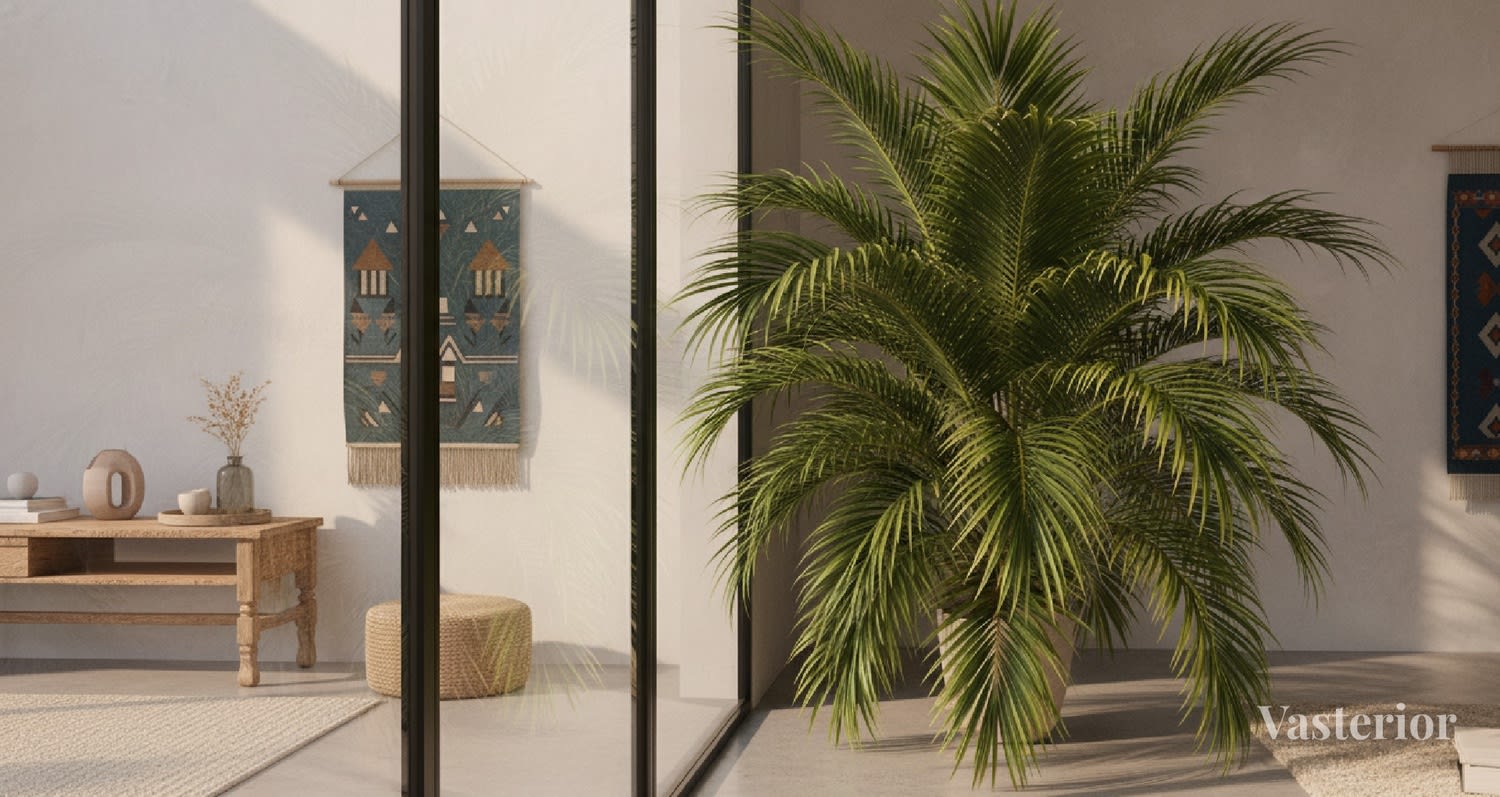
If you want a plant that feels like your home just upgraded instantly, Areca palm is it.
Why it's positive:
It supports air purification and creates a calm, expansive vibe. In Vastu terms, it supports the Air element.
Best placement direction:
- East
- North
Care tip:
Bright indirect light is perfect. Don't overwater.
Vibe check:
The Areca Palm is the "soft girl era" of plants.
5) Snake Plant (Yes, It's Not Automatically Bad)
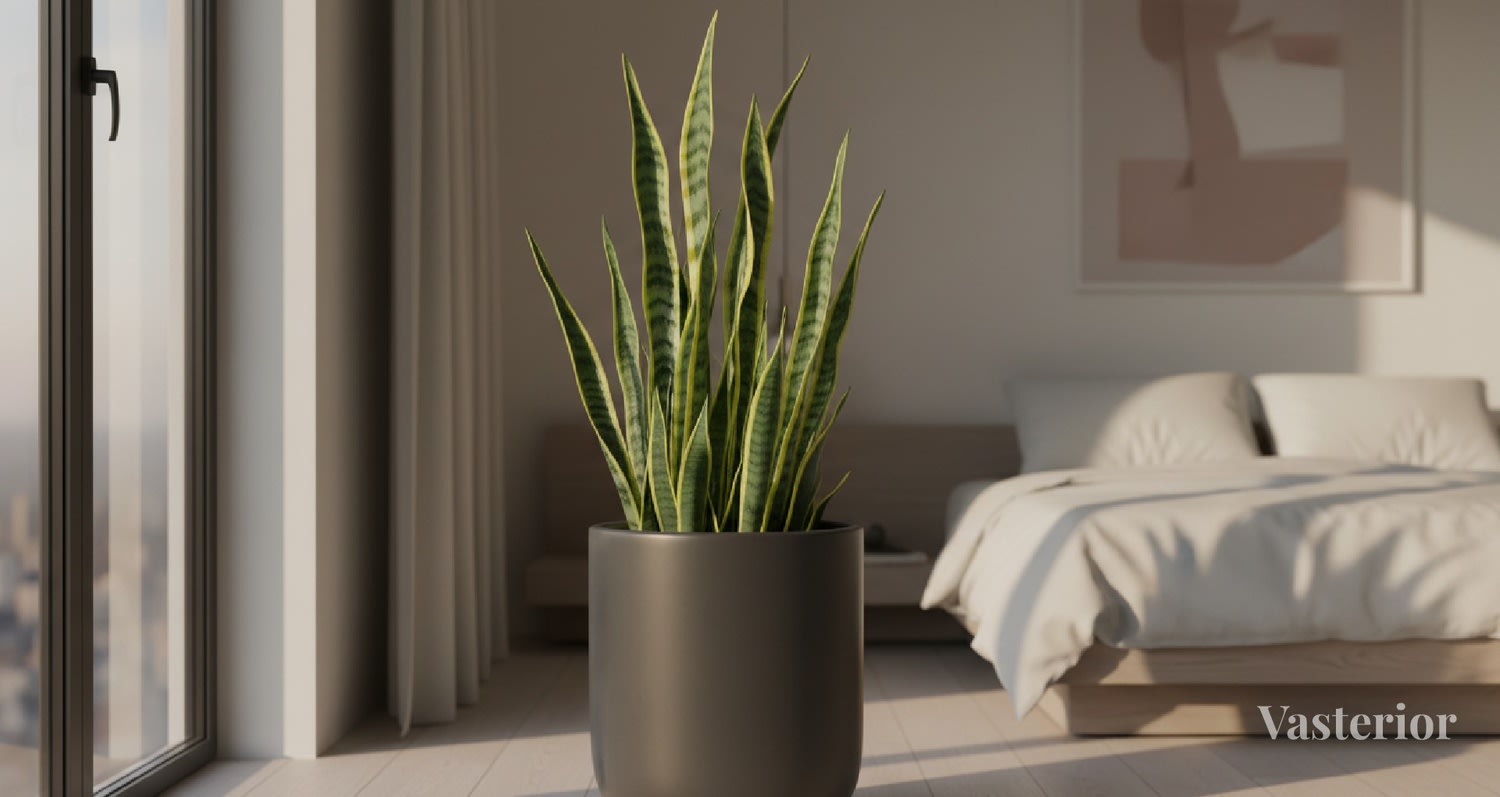
Snake plant has a weird reputation in Vastu. Some people swear it's bad. Others swear by it.
Here's the balanced truth.
Why it can be positive:
Snake plant improves indoor air quality and is extremely hardy. A strong plant supports strong energy.
Best placement direction:
- South
- West
Avoid:
North-East.
Care tip:
Do not overwater. This plant thrives on neglect.
Vibe check:
Snake plant is low-maintenance, high-impact, like a good skincare routine.
6) Peace Lily
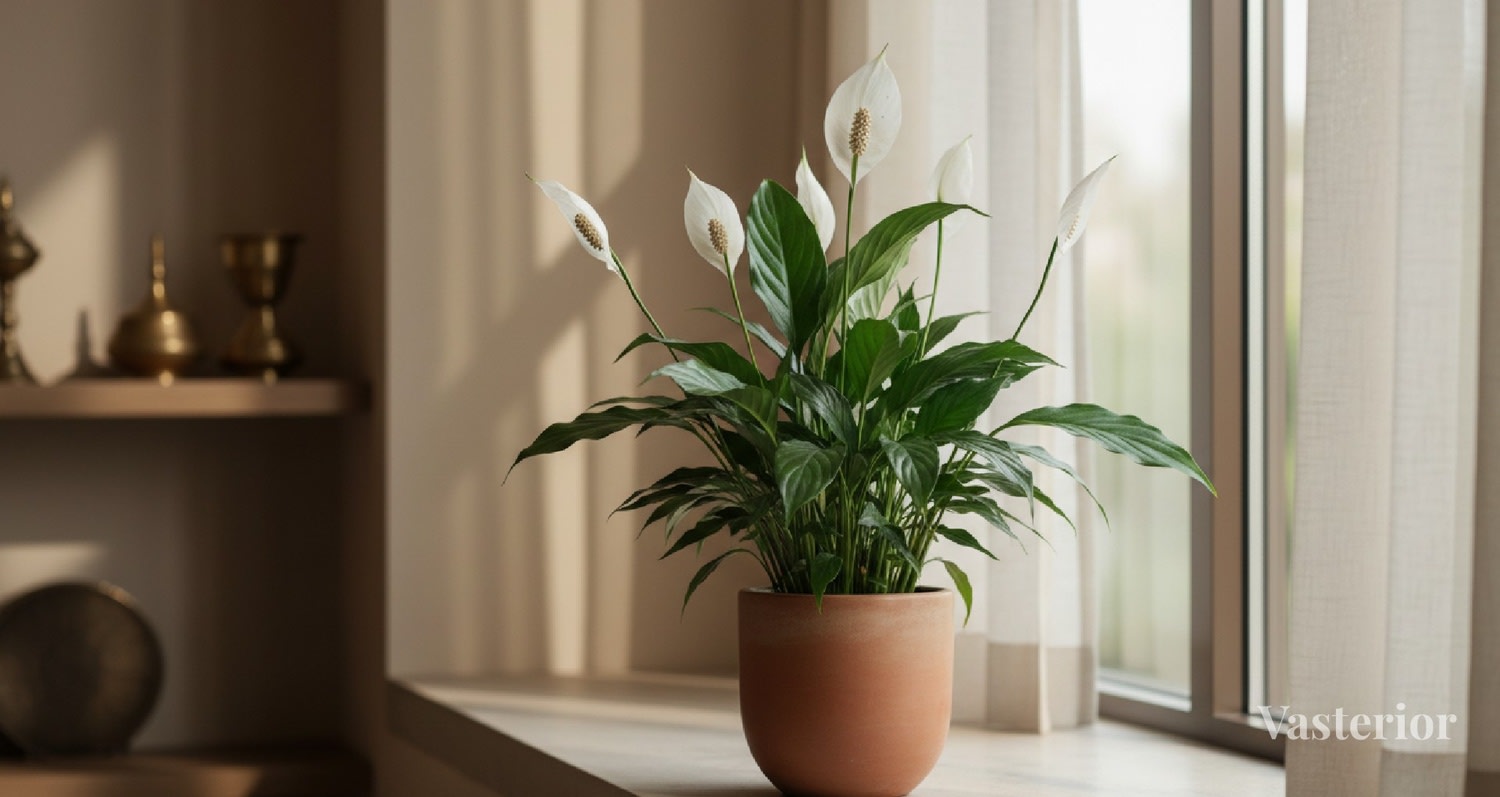
Peace lily is one of the best indoor plants for positive energy because it's associated with calm and emotional balance.
Why it's positive:
Its soft white blooms symbolise peace, clarity, and purification.
Best placement direction:
- North-East
- East
Care tip:
Keep it away from harsh sunlight. It likes gentle light.
Vibe check:
Peace lily = therapy in plant form.
7) Rubber Plant
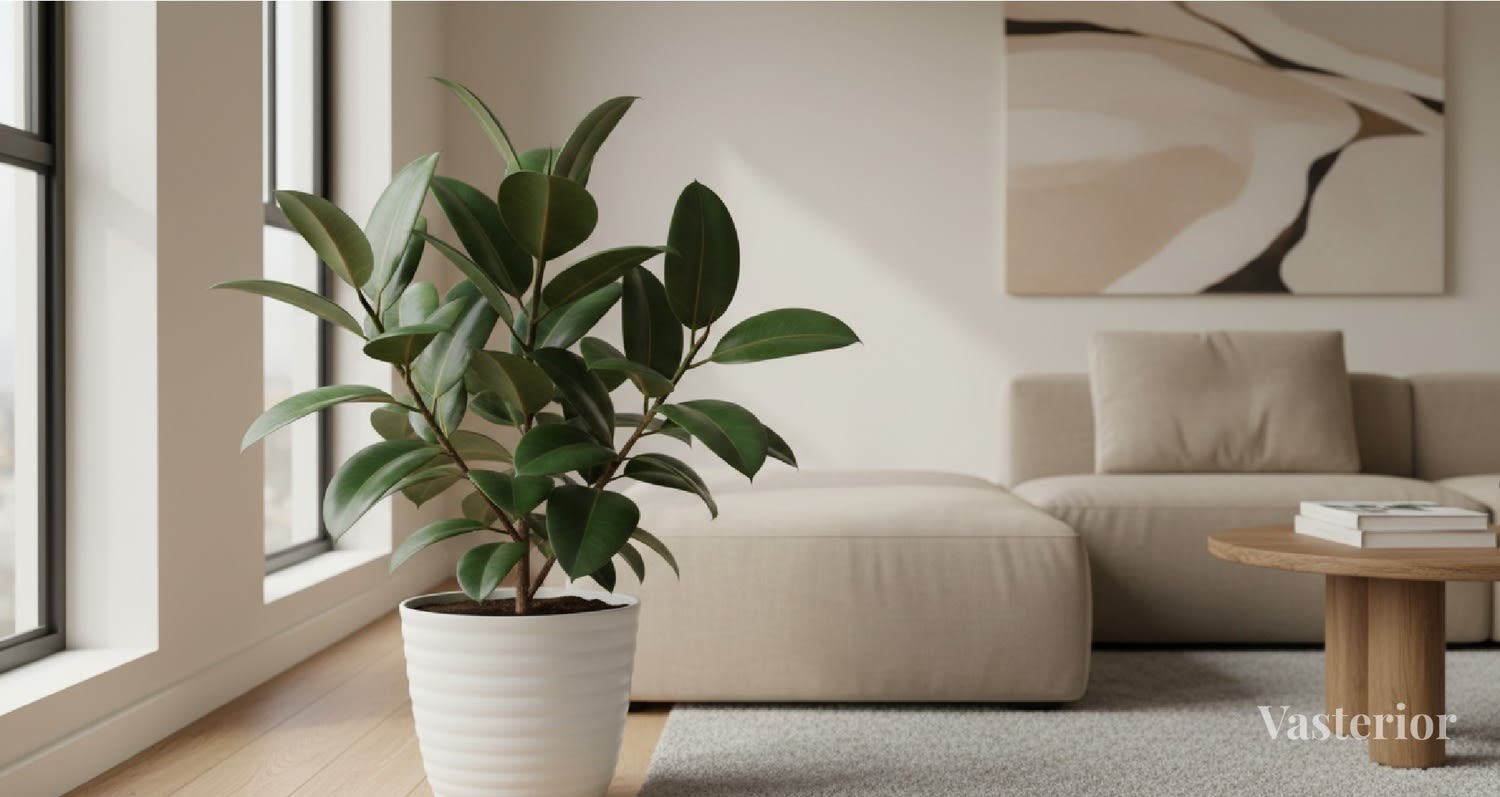
Rubber plants are trending hard right now, and yes, they're also considered Vastu-friendly.
Why it's positive:
It symbolises abundance, growth, and stability.
Best placement direction:
- North
- East
Care tip:
Wipe the leaves. Dust blocks photosynthesis and energy flow.
Vibe check:
Rubber plant gives "main character living room".
8) Aloe Vera
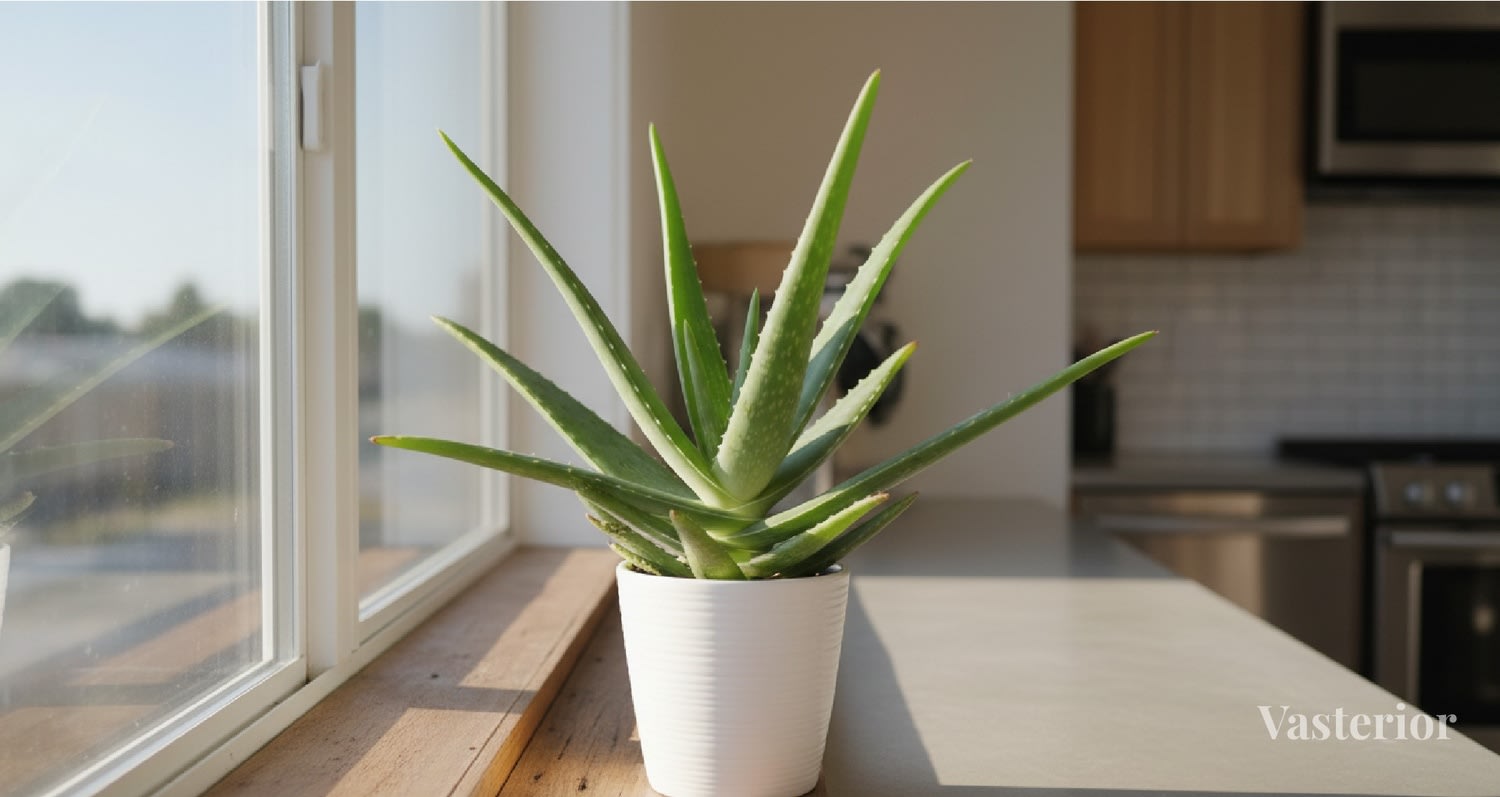
Aloe vera is the perfect blend of practical + energetic.
Why it's positive:
It's associated with healing, protection, and cleansing energy.
Best placement direction:
- East
- North
Care tip:
It needs sunlight. Don't keep it in a dark corner.
Vibe check:
Aloe vera is the "clean girl" plant.
9) Jasmine (Indoor-Friendly Varieties)
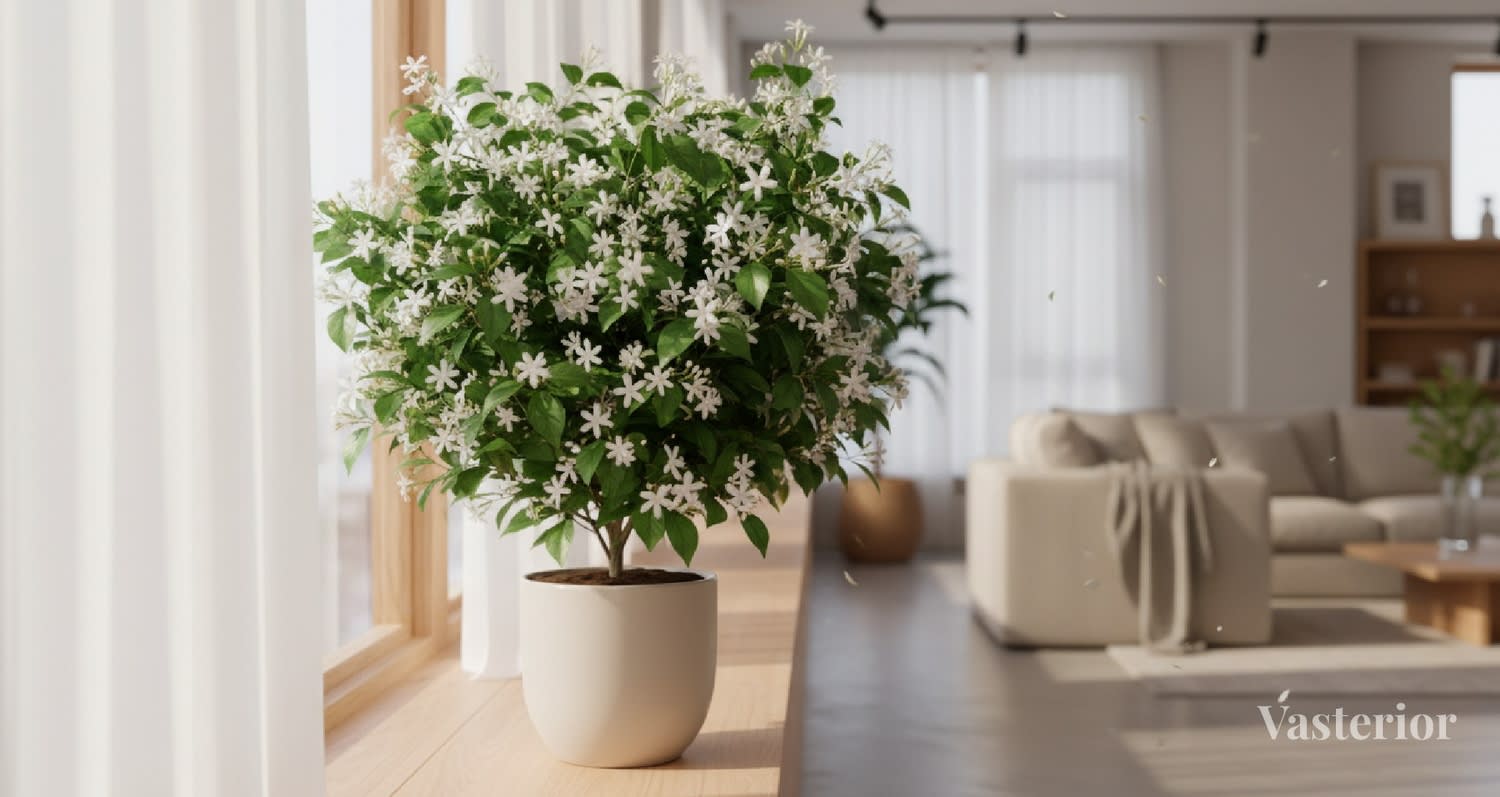
If you can manage jasmine indoors, it's beautiful for energy.
Why it's positive:
Jasmine is linked with love, softness, and harmony.
Best placement direction:
- North-East
- East
Care tip:
It needs light and airflow. A suffocated jasmine becomes moody fast.
Vibe check:
Jasmine is romantic energy, no debate.
10) Jade Plant
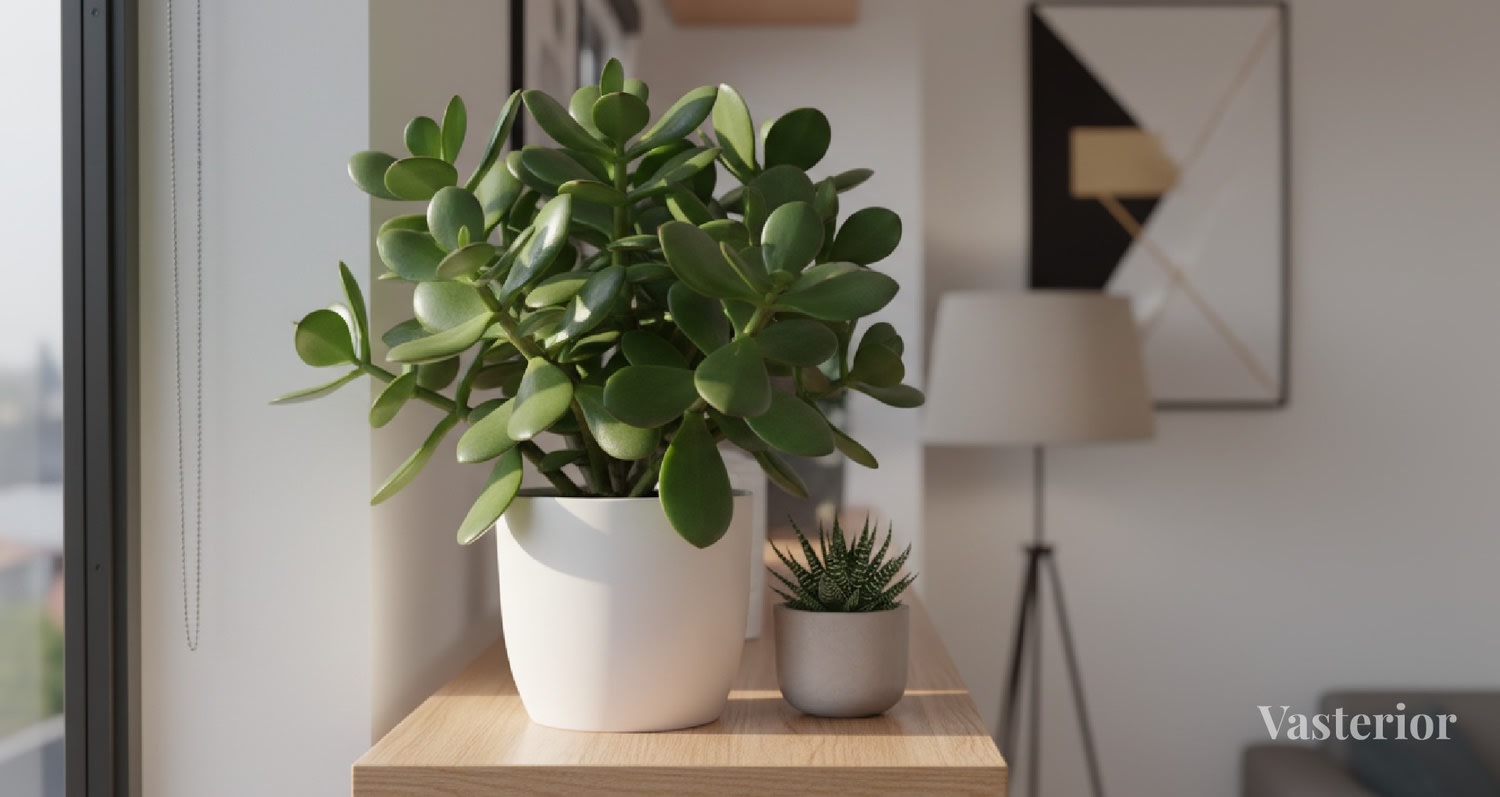
Jade plant is widely seen as a prosperity plant.
Why it's positive:
It symbolises wealth, stability, and long-term abundance.
Best placement direction:
- South-East
- North
Care tip:
Too much water kills it. Let the soil dry out.
Vibe check:
Jade plant = "I attract abundance" but quietly.
Plants to Avoid in Vastu (And What to Keep Instead)
This is where things get spicy.
Because yes, some plants are genuinely not recommended in Vastu, especially indoors.
1) Cactus
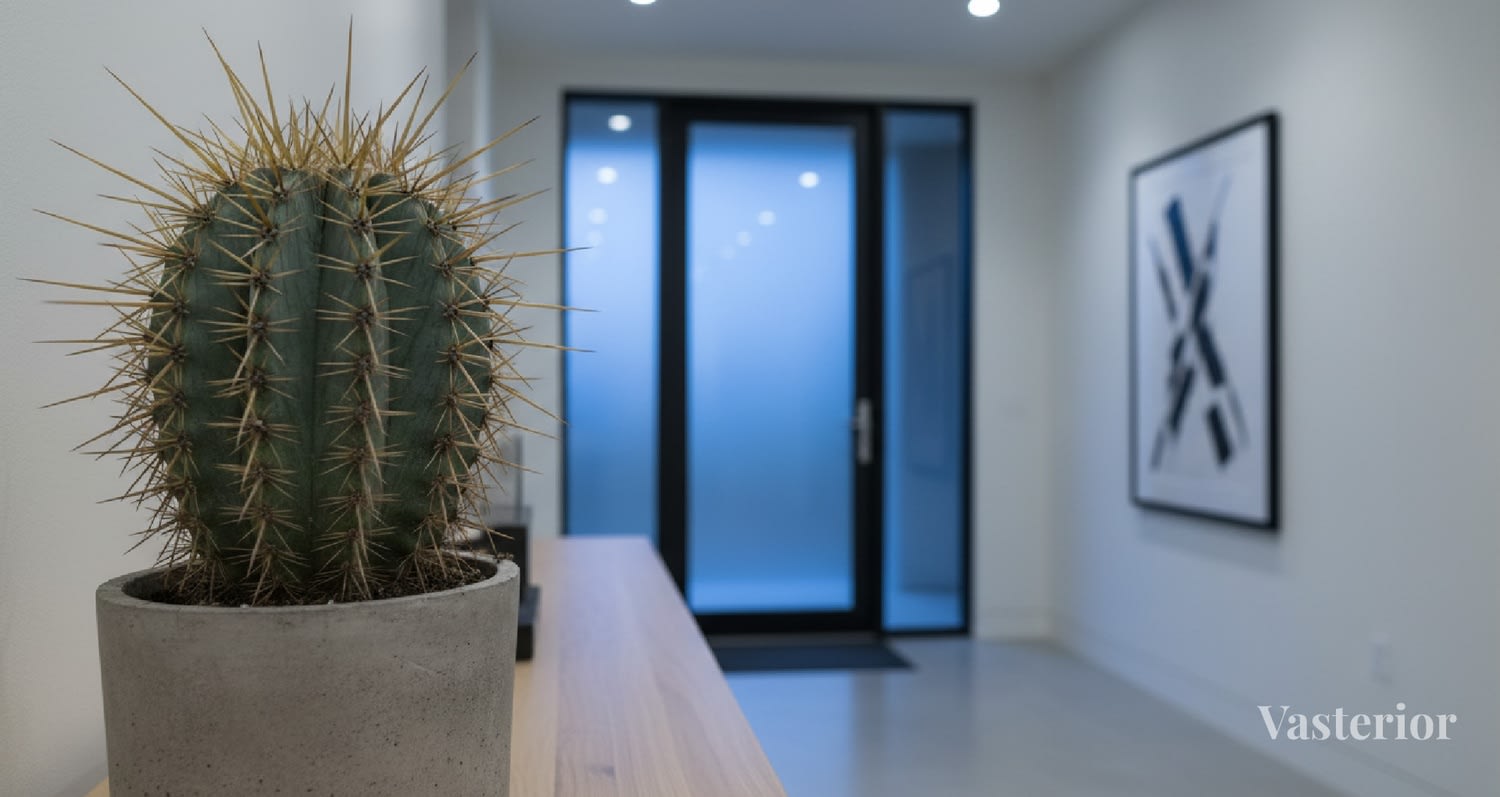
Cactus is the #1 plant people ask about.
Why it's discouraged:
Thorns symbolise tension, obstacles, and conflict. It's not that cactus is evil --- it's just sharp energy.
Better alternative:
Aloe vera or jade plant.
2) Bonsai
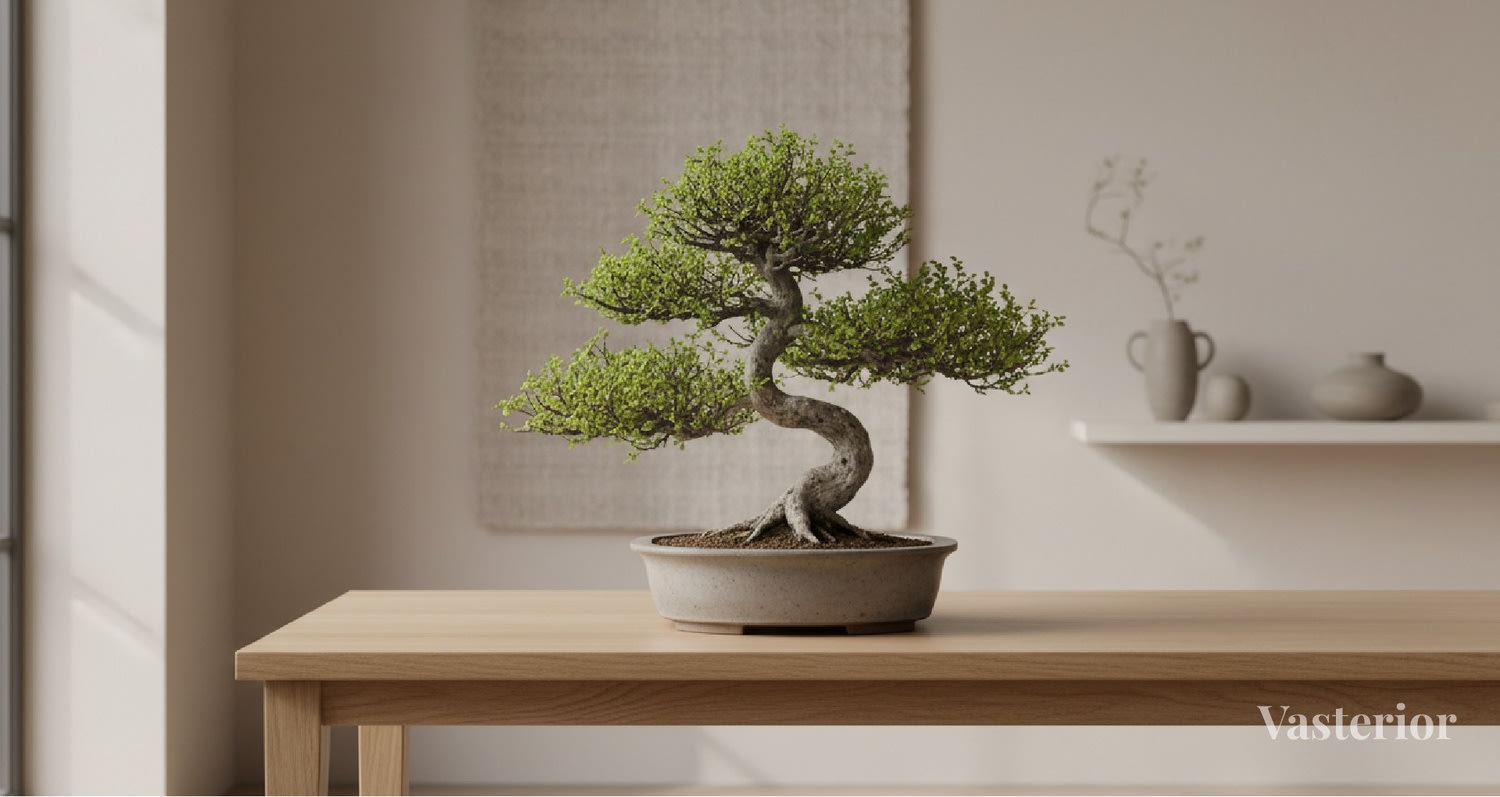
Bonsai looks stunning, but Vastu doesn't love it.
Why it's discouraged:
It symbolises stunted growth. A plant forced to stay small can represent blocked progress.
Better alternative:
Money plant or rubber plant.
3) Thorny Plants (Indoors)
Rose plants, certain succulents, and thorny decorative plants fall into this category.
Why it's discouraged:
Thorns represent irritability and arguments, especially when placed near entrances.
Better alternative:
Peace lily or jasmine.
4) Dried Flowers & Dried Plants
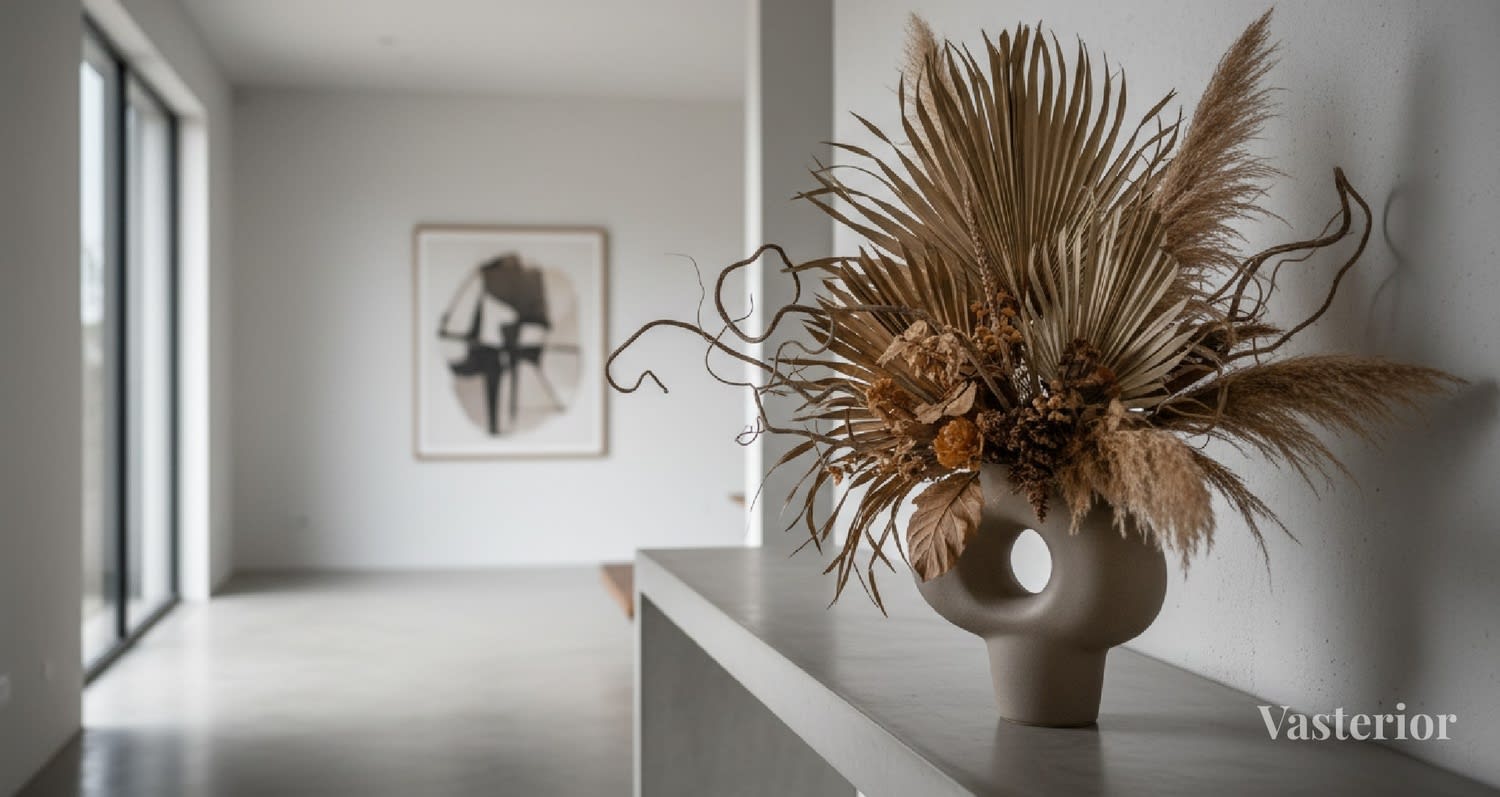
This is a big one, especially in modern décor.
Why it's discouraged:
Dead plant matter represents lifelessness and stagnation.
Better alternative:
Fresh flowers weekly, or a real indoor plant.
5) Artificial Plants (The Nuanced Truth)
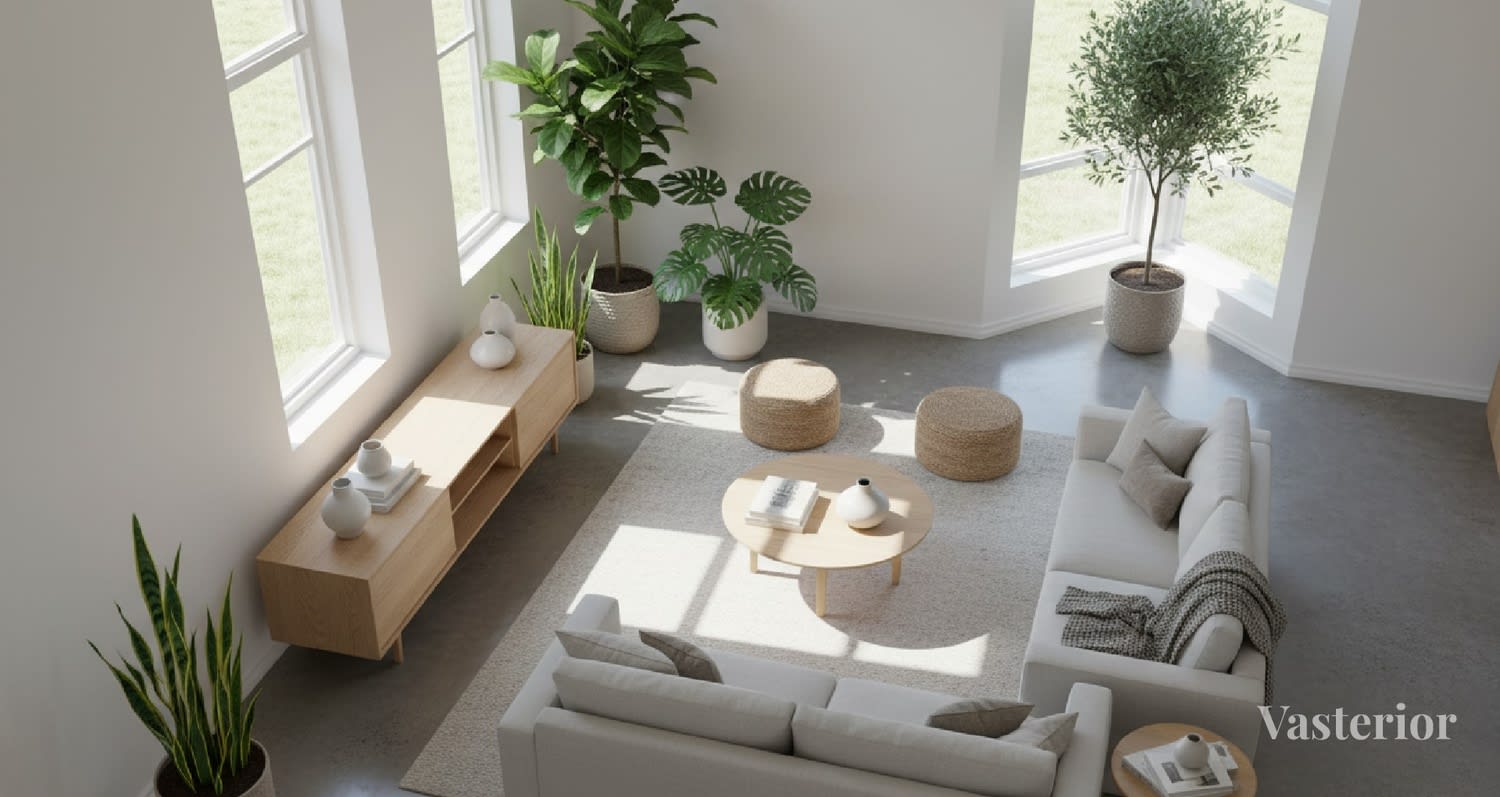
Are artificial plants "bad"?
They're not evil, but they don't contribute life force. They can also collect dust and create visual stagnation.
If you must keep them:
Keep them minimal and clean. Don't use them as a substitute for real greenery.
Indoor Plant Placement Guide (Directions Cheat Sheet)
Here's where indoor plants as per Vastu becomes super practical.
North:
Wealth, opportunities, career flow
Best plants: Money plant, jade plant, rubber plant
East:
Health, clarity, new beginnings
Best plants: Tulsi, aloe vera, areca palm
North-East (Ishanya):
Spiritual energy, purity, calm
Best plants: Tulsi (ideal), peace lily, jasmine
South-East:
Fire energy + prosperity
Best plants: Lucky bamboo, jade plant (in moderation)
South-West:
Stability and grounding
Rule: Keep plants minimal here
Best: One sturdy plant like snake plant (only if it thrives)
Bedroom:
Keep it light and minimal
Best: Snake plant (away from headboard), peace lily
Avoid: Too many plants, heavy flowering plants
Bathroom:
Only plants that tolerate humidity
Best: Snake plant, peace lily
Kitchen:
Avoid too many plants near the stove
Best: Small aloe vera near a bright window
Common Plant + Vastu Mistakes (That People Keep Making)
Let's save you from the classic energy disasters.
- Keeping dying plants and "waiting to revive them"
- Placing cactus near the entrance because it looks cute
- Putting plants in dark corners where they slowly suffer
- Allowing clutter around pots (dust + mess = stagnation)
- Keeping too many plants in one room (overcrowding energy)
- Using artificial plants as a shortcut for positivity
- Placing plants in North-East that are thorny, heavy, or neglected
In Vastu, the message is simple: a plant should feel alive, not like a responsibility you regret.
Conclusion: Plants Are Not Just Décor --- They're Energy Tools
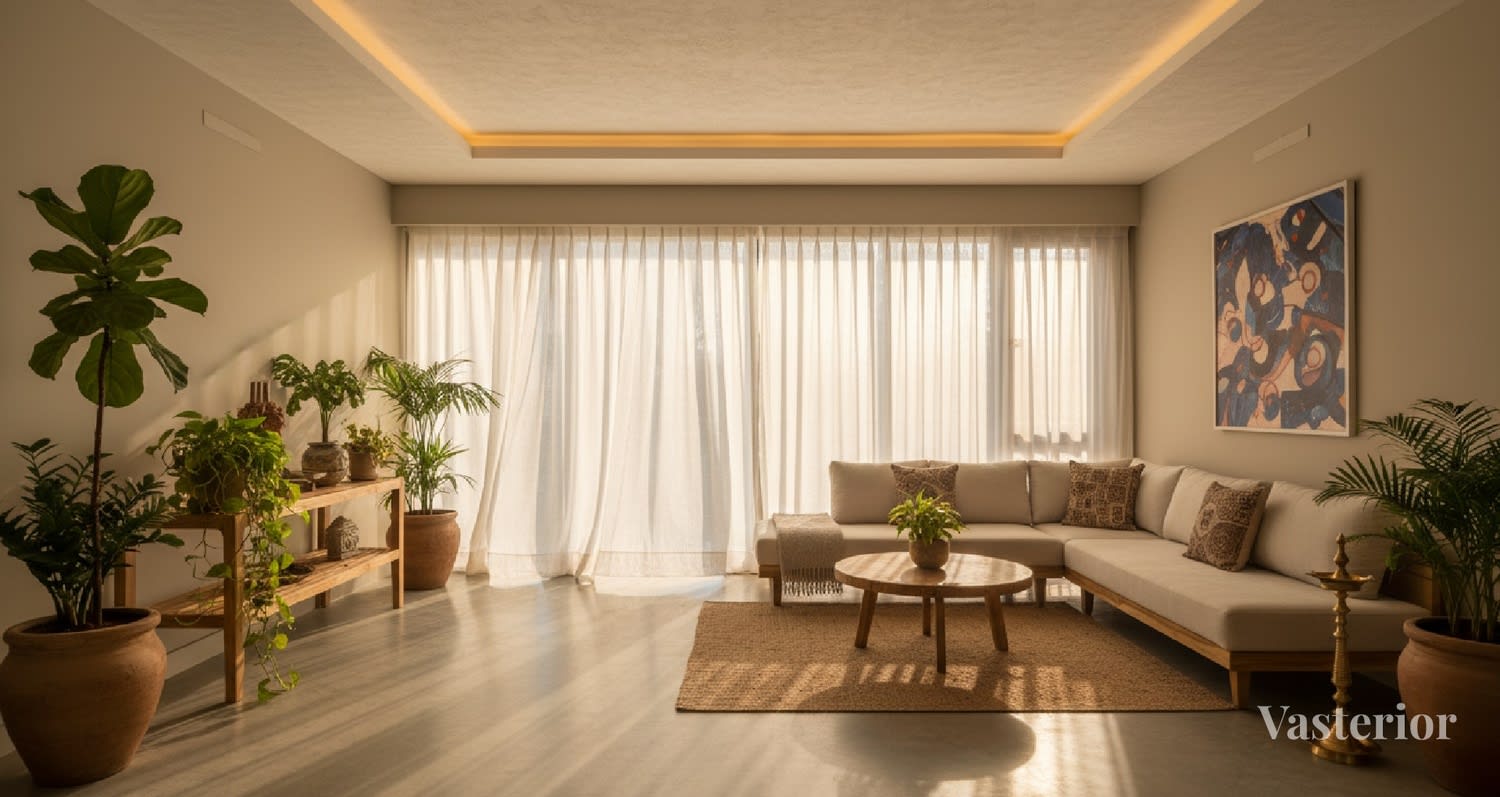
If there's one takeaway from this entire guide, it's this:
Indoor plants don't just make your home look better. They make your home feel different.
When you choose the right Vastu plants for home, keep them healthy, and place them intentionally, you're not doing "superstition". You're creating an environment that supports calmness, growth, clarity, and stability.
And honestly? That's the kind of energy we all need.
If you'd like a personalised plant placement plan based on your home's layout (including which corners need balance and which plants will actually support your space), Vasterior can help you design a home that feels as good as it looks, you can reach us naturally at +91 9100883355 or drop a note at info@vasterior.com whenever you're ready.