
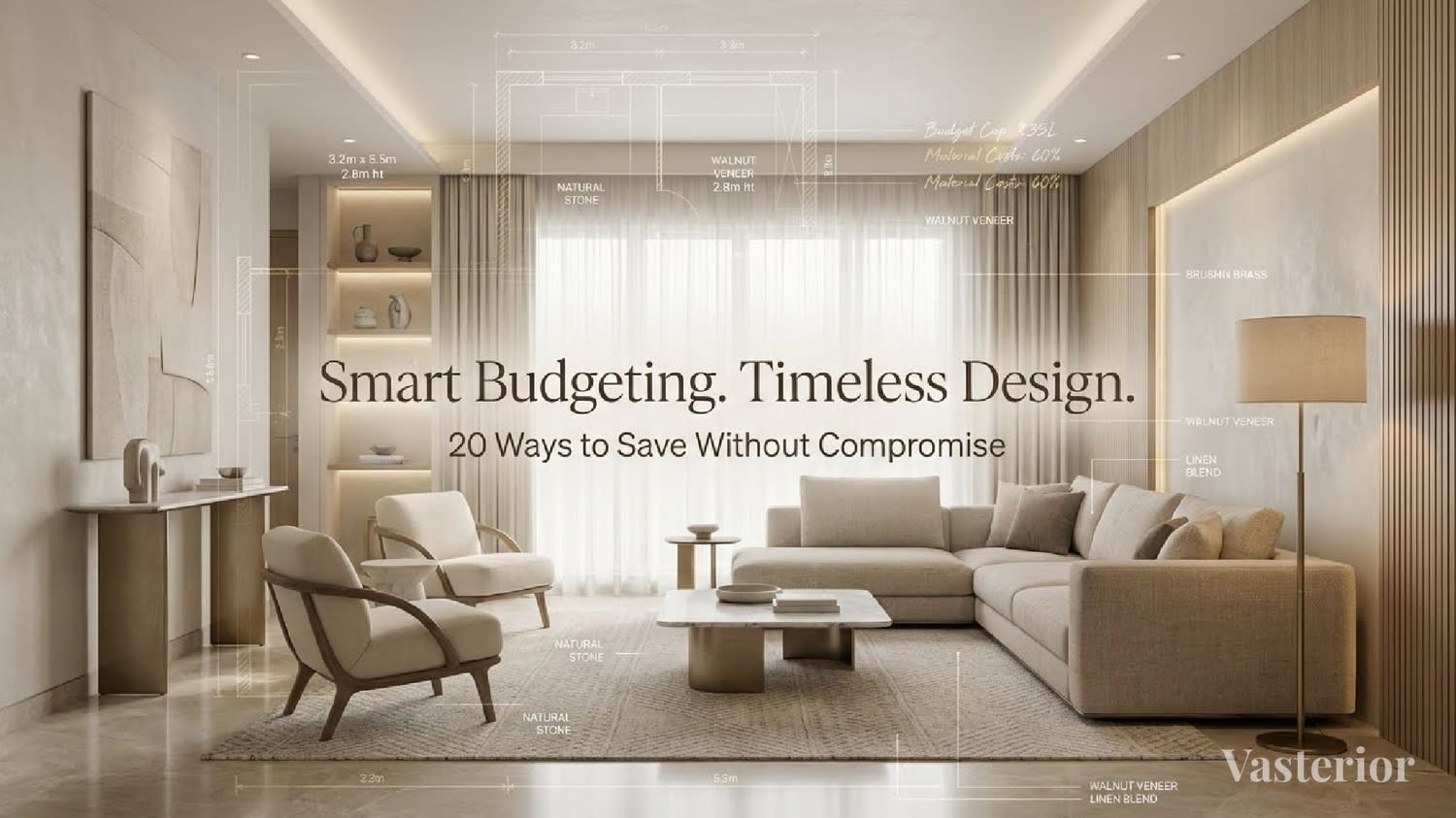
Vasterior believes that overshooting an interior design budget is rarely a consequence of choosing luxury, it is almost always the result of unclear planning, misaligned priorities, and decisions taken in isolation. True luxury is not about excess spending; it is about intentional allocation. When design decisions are guided by clarity, structure, and spatial intelligence, budgets stop feeling restrictive and start feeling empowering.
Interior design budget planning is not about cutting corners. It is about understanding where to invest, where to pause, and where thoughtful design thinking can quietly save you money, without compromising aesthetics, comfort, or long-term value.
This guide breaks down 20 intelligent ways to save on your interior design budget while still achieving a refined, timeless space.
Rethinking Budgeting: Cheap vs Intelligent Design
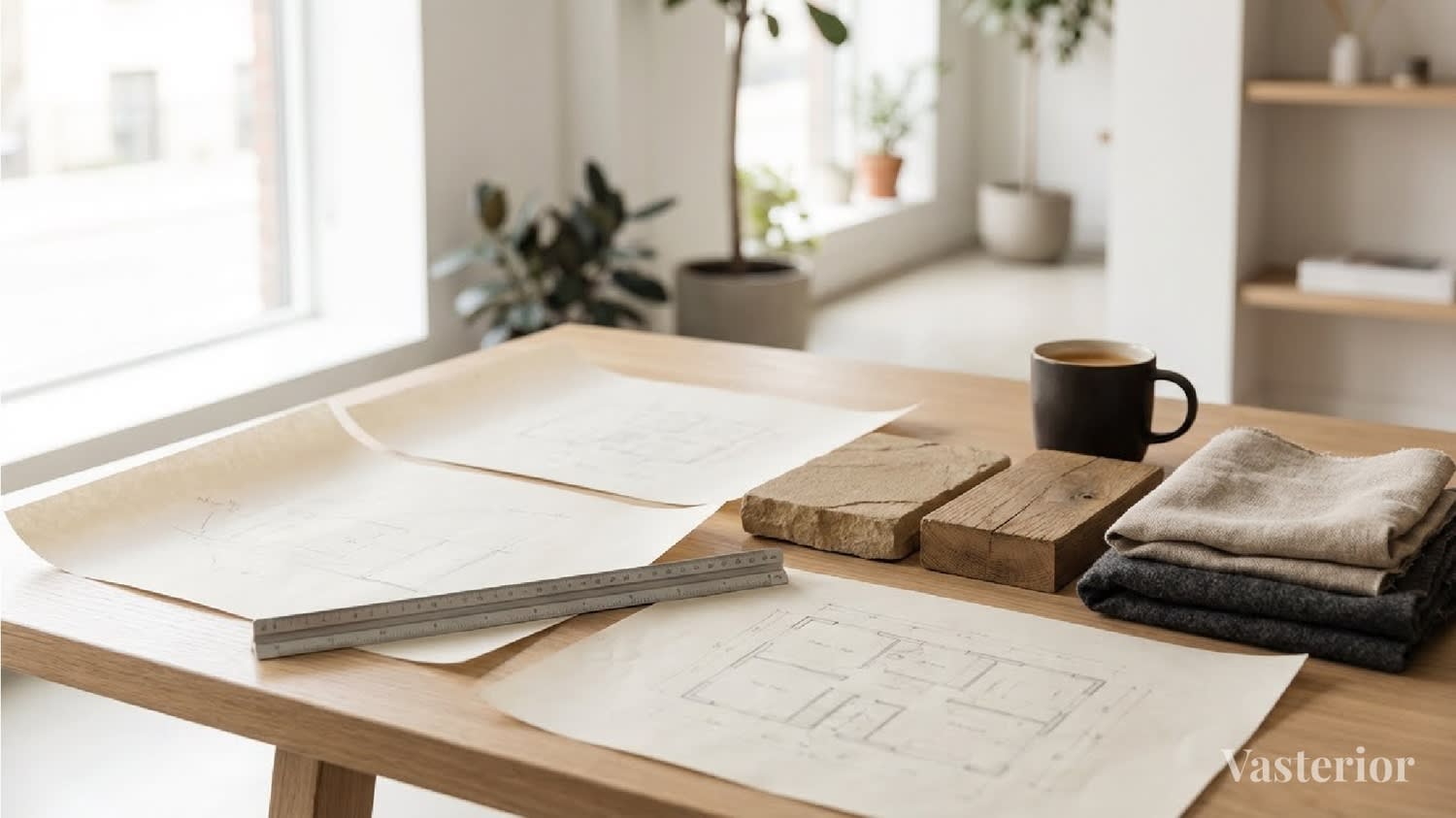
Before discussing numbers, it's important to shift perspective.
A "cheap interior" focuses on lowering visible costs. An intelligent interior focuses on reducing future regret.
Smart budget planning considers:
• How the space will age
• How often elements will be replaced
• How easily the space adapts to change
• How well it supports daily life and energy flow
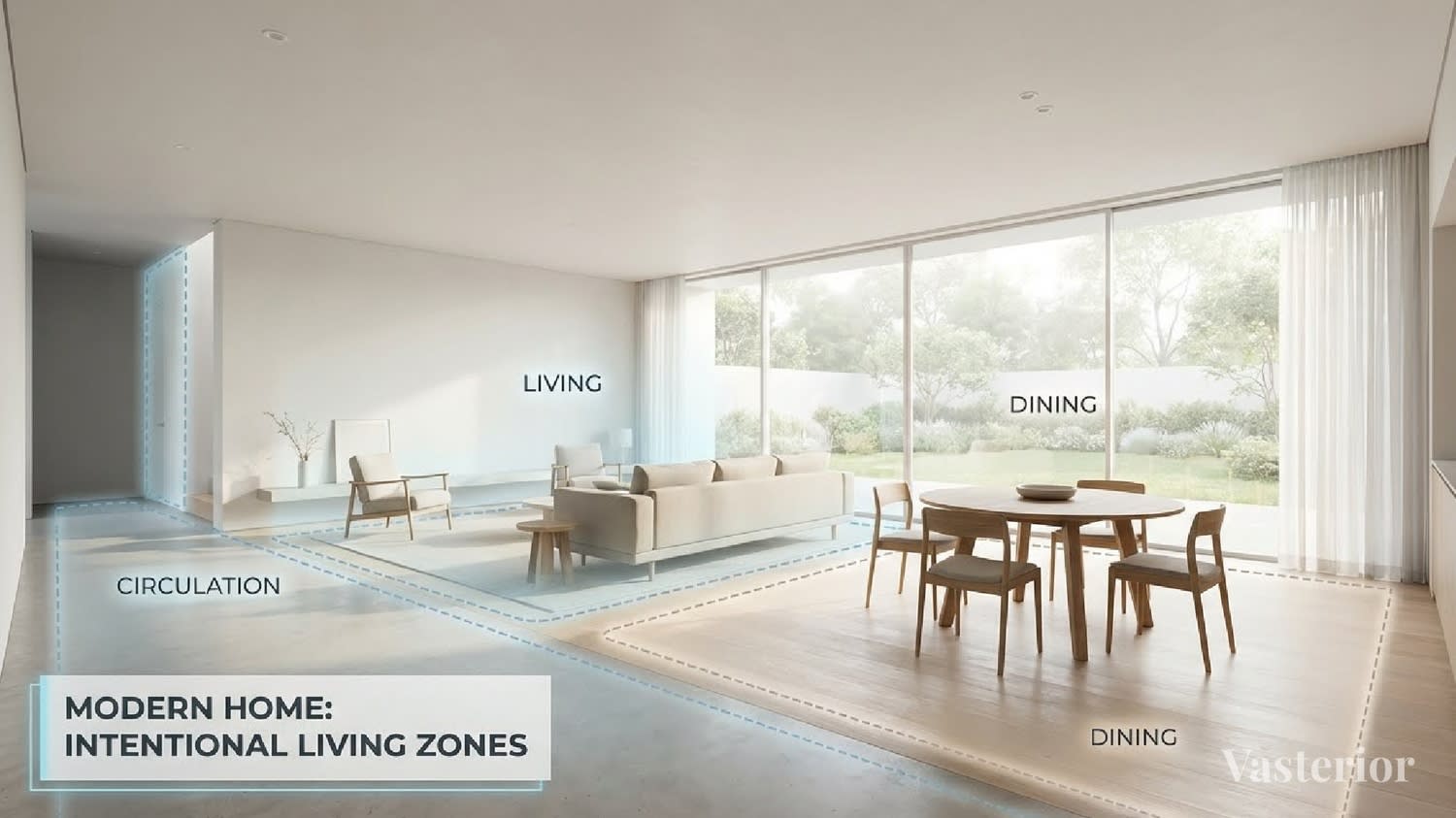
This is where design planning and Vastu-aligned zoning become powerful tools, not spiritual add-ons, but practical systems that reduce rework, corrections, and hidden costs.
20 Ways to Save on Interior Design Without Compromise
1. Start with Space Planning, Not Pinterest
A clear layout prevents expensive changes later. Finalising furniture placement, circulation, and zoning before aesthetics saves both material and labour costs.
2. Design First, Execute Later
Jumping into execution without detailed drawings leads to assumptions on-site. Detailed design documentation eliminates guesswork, wastage, and impulsive upgrades.
3. Prioritise High-Impact Zones
Invest where your eyes and body engage the most living areas, master bedrooms, kitchens. Supporting spaces can remain subtle yet functional.
4. Fix the Furniture Plan Before Civil Work
Electrical points, ceiling layouts, and carpentry must follow furniture logic - not the other way around. Late changes here are expensive.
5. Avoid Trend-Heavy Finishes
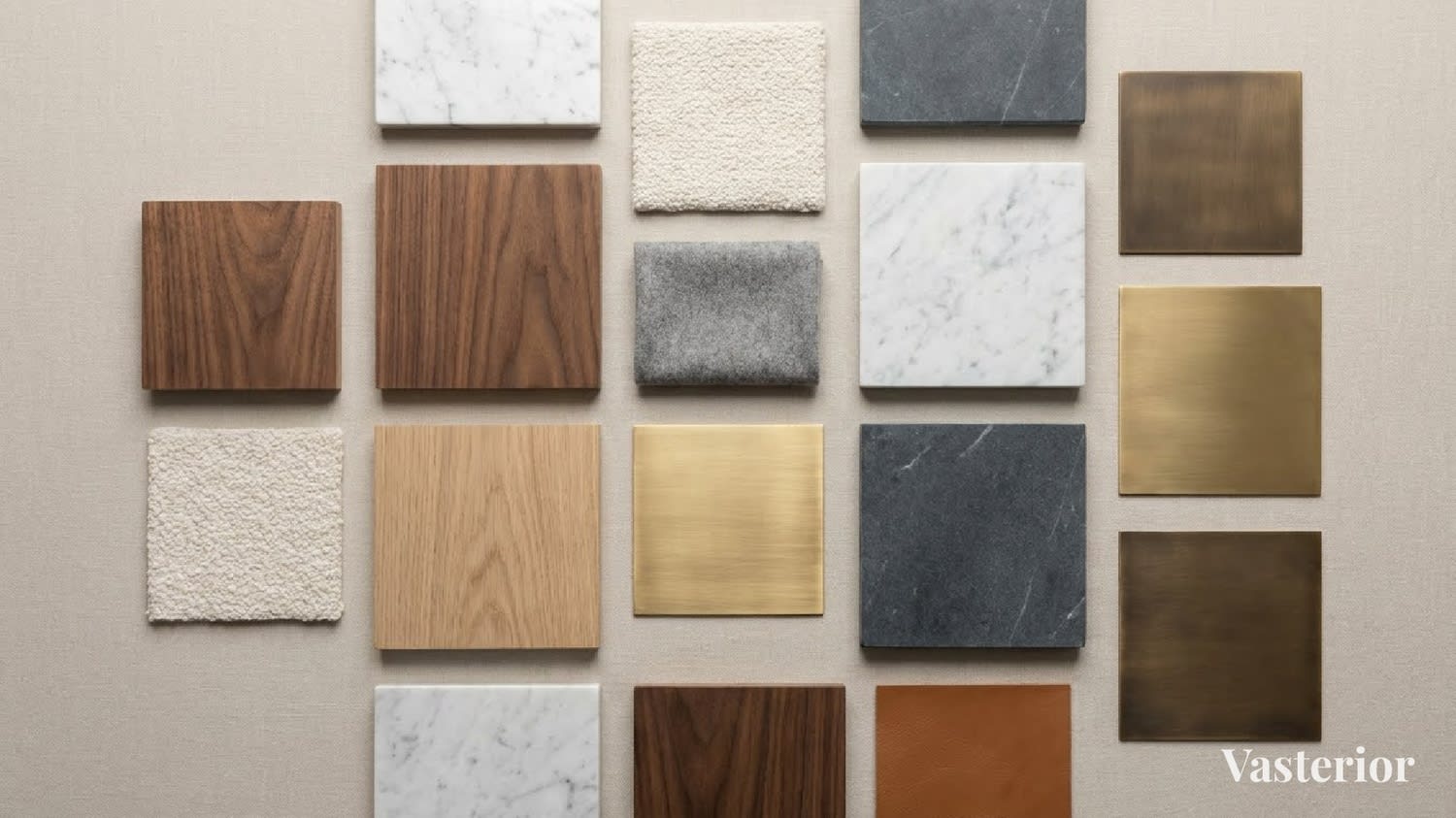
Trends age quickly. Timeless materials reduce replacement costs and keep spaces relevant for years.
6. Choose Materials with Longevity, Not Just Looks
Low-maintenance surfaces often cost more initially but save significantly on upkeep and replacement.
7. Modular Where Practical, Custom Where Necessary
Not everything needs to be custom-made. Use modular systems for wardrobes or kitchens, and reserve custom detailing for statement pieces.
8. Use Material Substitutions Wisely
Many premium-looking finishes have intelligent alternatives. The key lies in understanding texture, proportion, and lighting, not labels.
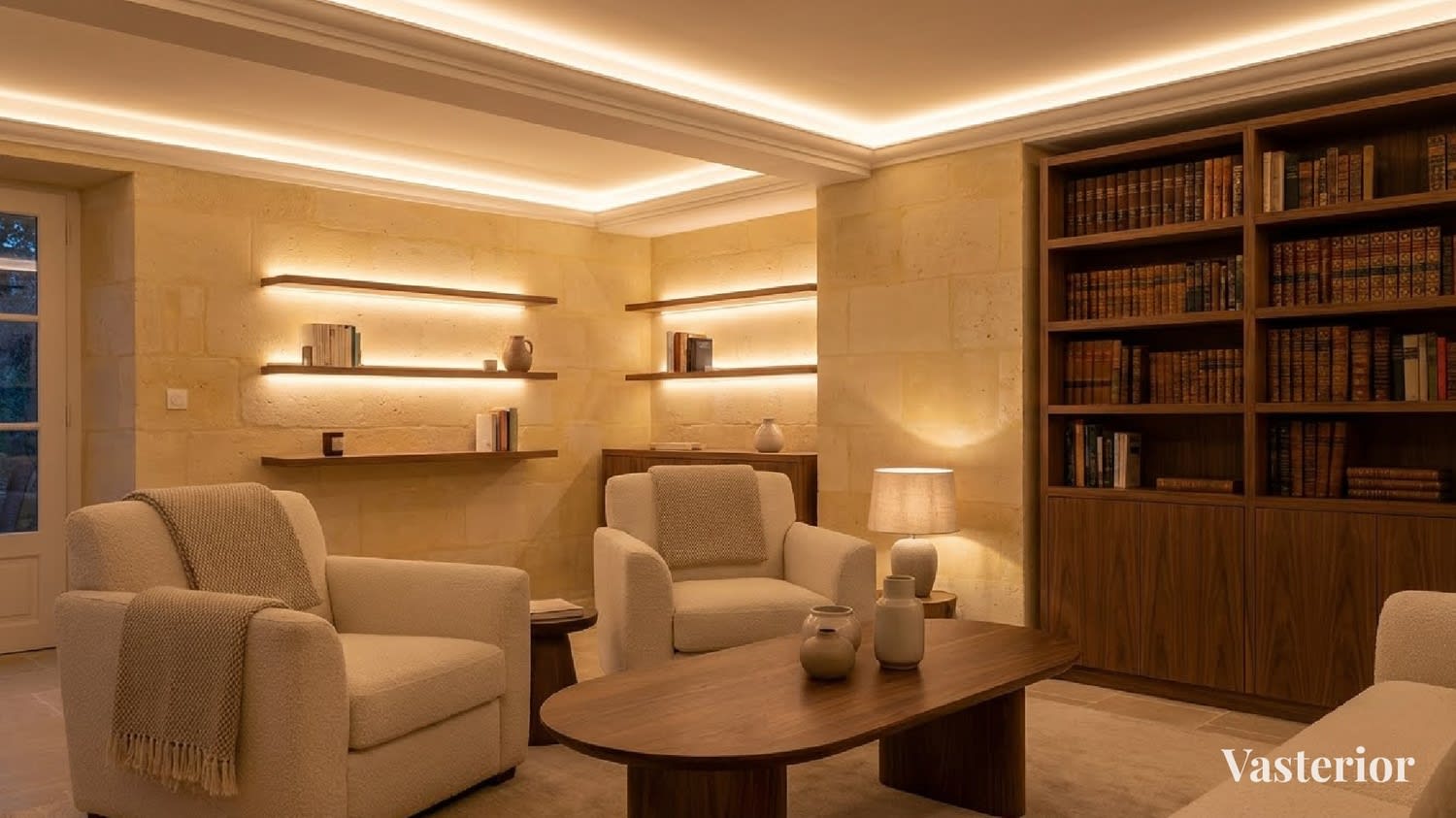
9. Lighting Design Is a Budget Tool
Layered lighting reduces the need for expensive decorative fixtures while improving ambience and usability.
10. Build Storage Into Architecture
Integrated storage reduces the need for additional furniture later and keeps the space visually calm.
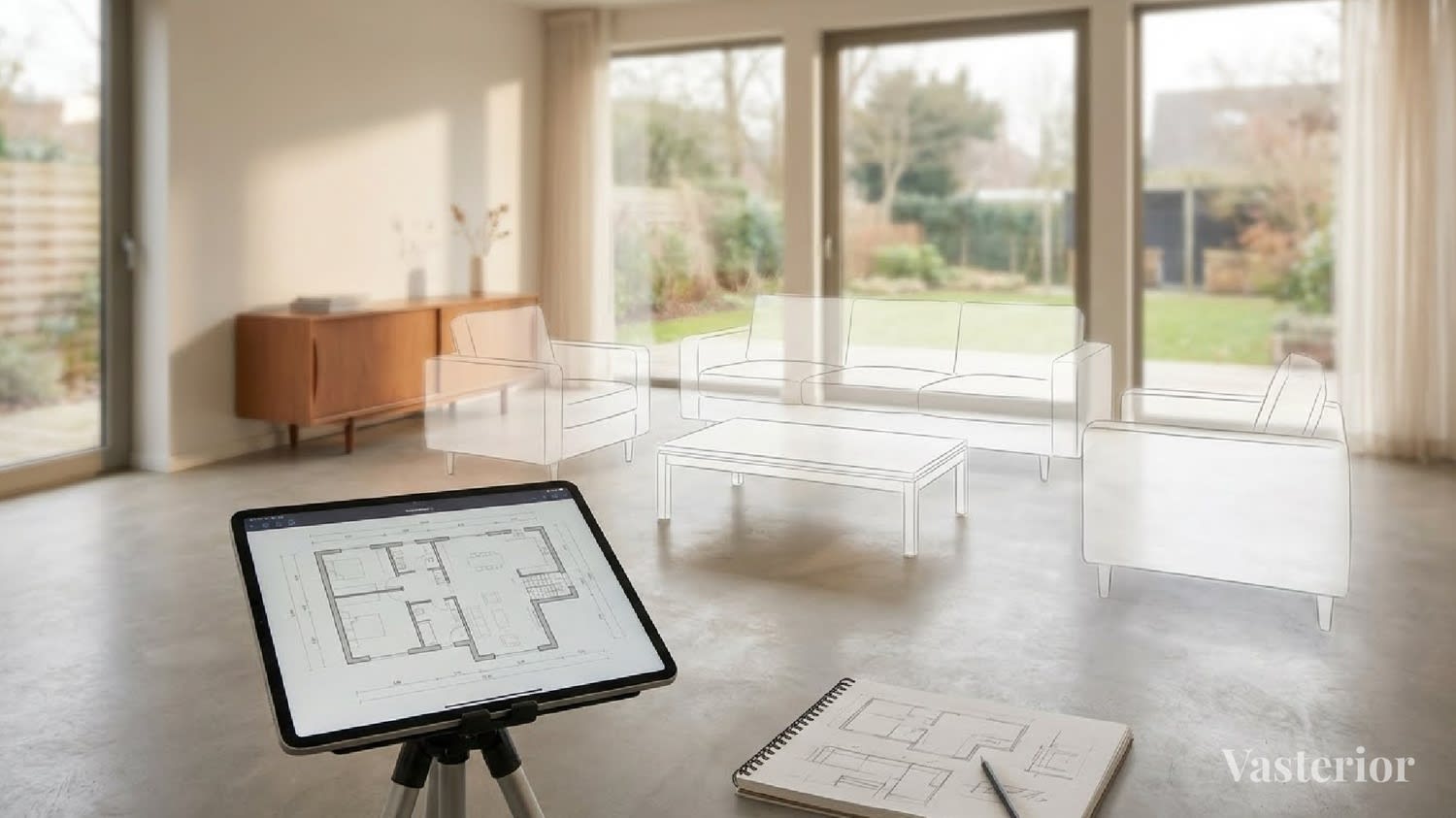
11. Plan for Phased Execution
You don't need to do everything at once. Smart phasing allows you to spread costs without disrupting design intent.
12. Avoid Per-Square-Foot Pricing Traps
Such pricing ignores complexity, detailing, and quality. Project-based clarity is almost always more cost-efficient in the long run.
13. Demand Transparent BOQs
A clear Bill of Quantities prevents surprise costs and gives you control over material decisions.
14. Reduce Rework Through Vastu-Led Zoning
When activities are placed correctly from the start, you avoid later changes driven by discomfort, inefficiency, or imbalance.
15. Reuse Existing Elements Thoughtfully
Doors, shutters, or furniture can often be refinished or repurposed---saving cost while adding character.
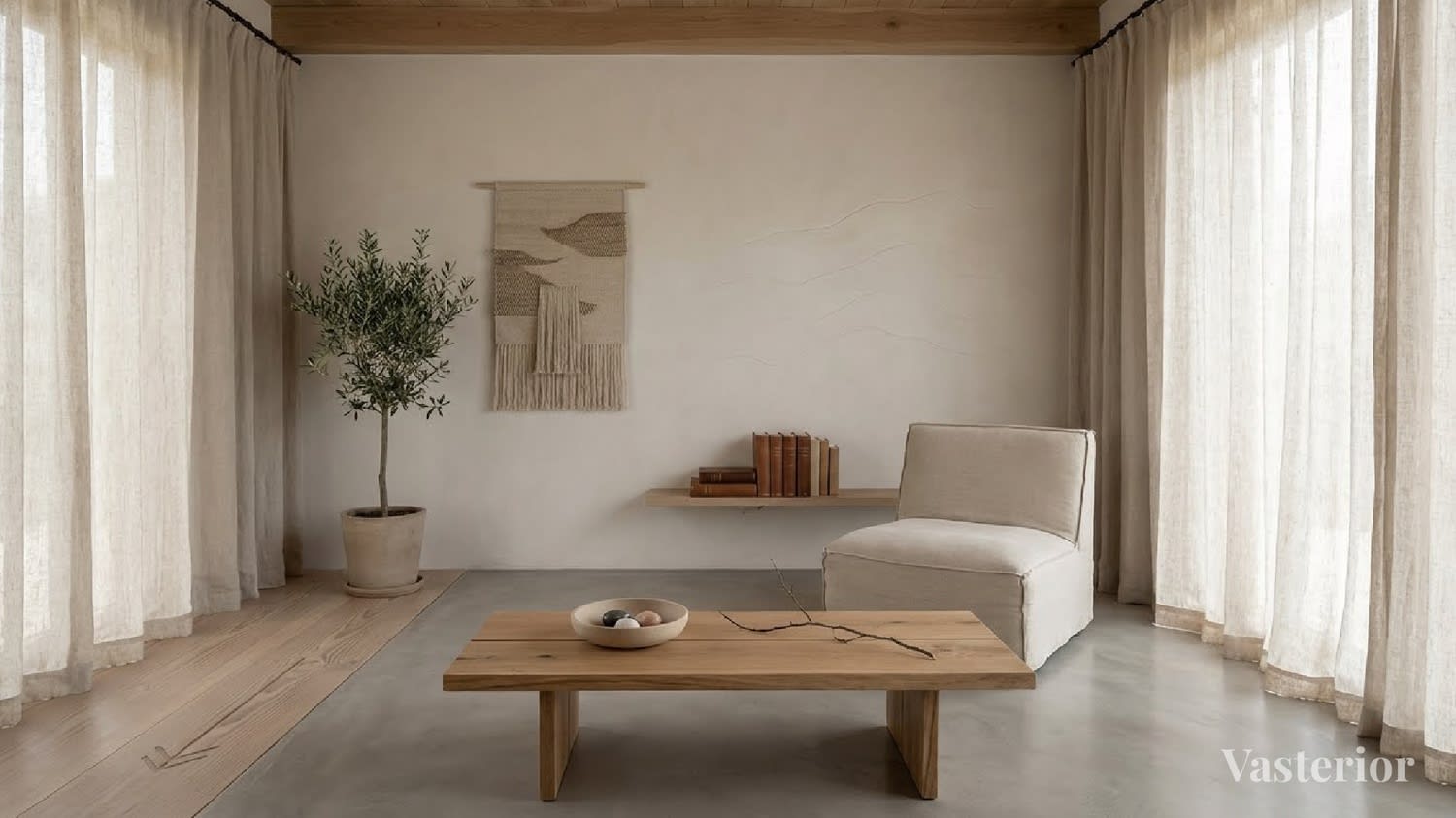
16. Think in Life Cycles, Not Line Items
Ask how long something will last, not just how much it costs today.
17. Avoid Over-Designing Utility Spaces
Bathrooms, store rooms, and back kitchens should be durable and functional---not unnecessarily decorative.
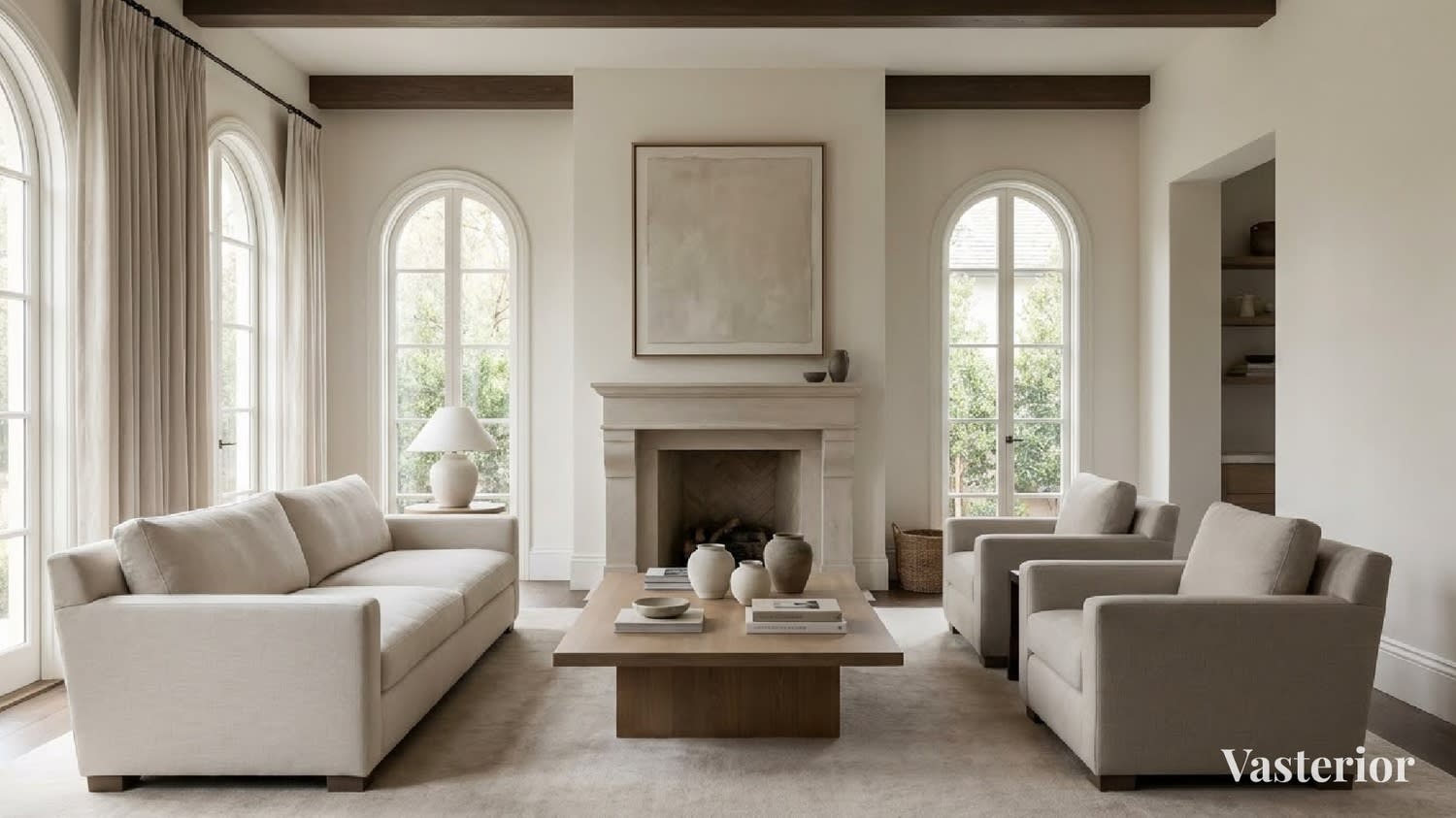
18. Budget for Services, Not Just Surfaces
Plumbing, electrical, waterproofing, and insulation are invisible but critical. Cutting here leads to expensive failures later.
19. Keep a Realistic Contingency
A controlled buffer prevents panic decisions when the unexpected appears---as it always does in construction.
20. Choose the Right Design Partner Early
Professional guidance often saves far more money than it costs. Clarity upfront avoids emotional spending later.
A Vasterior Perspective on Budget & Balance
At Vasterior, budget planning is treated as design intelligence, not financial restriction. Our process integrates:
- Spatial flow planning
- Vastu-aligned zoning
- Material logic
- Detailed documentation
This ensures that every rupee contributes to function, beauty, and longevity, not corrections.
Conclusion: Saving Is About Clarity, Not Compromise
A well-designed home does not announce how much it cost, it reveals how thoughtfully it was planned. When budgets are guided by insight rather than impulse, spaces feel effortless, balanced, and enduring.
Interior design budget planning, when done right, is not about doing less. It is about doing what matters, exceptionally well.