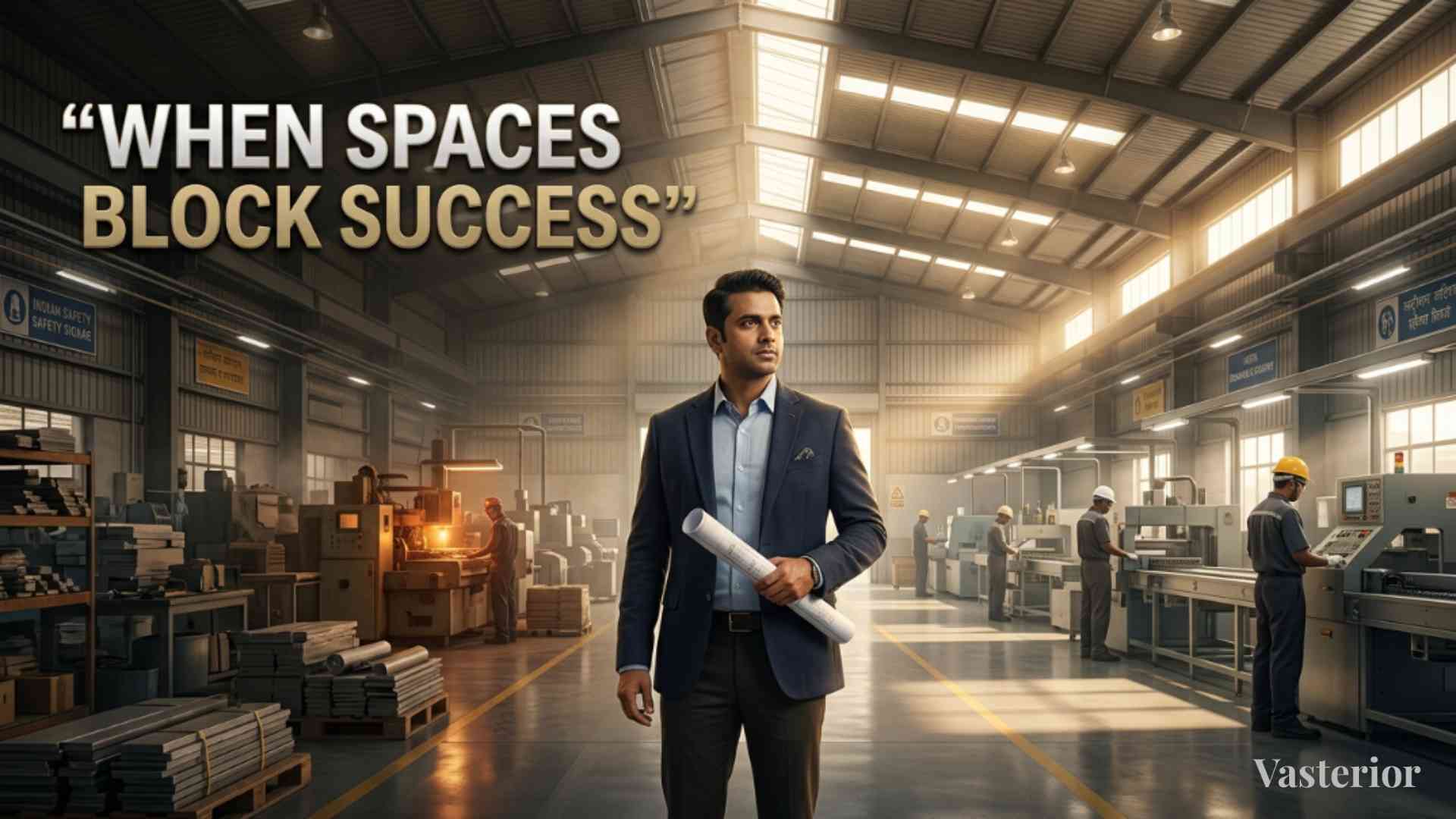
A factory rarely collapses in a day.
It slows down quietly. A machine begins overheating more often than usual. Employee retention becomes difficult despite competitive salaries. Payments start getting delayed. Inventory movement feels sluggish. Expansion plans remain stuck in endless discussions. The business appears operational on paper, yet something underneath feels constantly blocked.
Most industrialists investigate labour, logistics, production systems, or market fluctuations. Very few examine the one factor silently influencing everything around them, spatial energy alignment.
This is where factory Vastu becomes far more than a traditional concept. In modern industrial environments, direction, movement, light, airflow, structural balance, and energetic zoning shape not only the functionality of a space but also the psychological rhythm of the people working inside it. A factory is not merely a building filled with machinery. It is a living ecosystem of movement, pressure, heat, decisions, and energy exchange.
And surprisingly, some of the biggest business disruptions originate from hidden directional mistakes most factory owners never notice.
At Vasterior, industrial Vastu is approached not as superstition, but as a sophisticated science of spatial intelligence. The objective is simple. Create factories that feel aligned, efficient, productive, and energetically supportive of long-term growth. Because when a space constantly fights its own natural flow, even the strongest businesses feel resistance.
Why Factory Vastu Matters More Than Ever Today
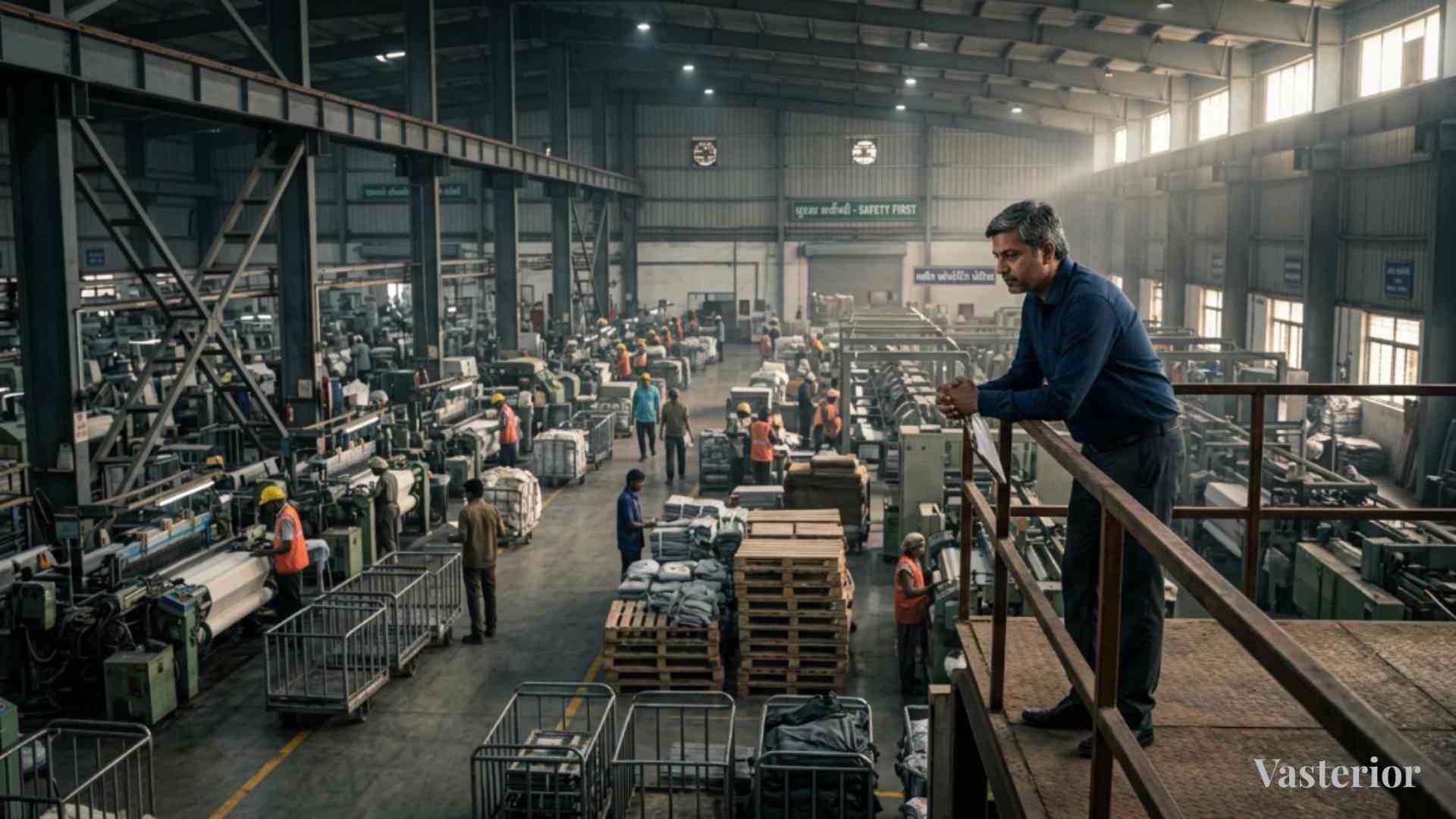
Modern industries operate under relentless pressure. Deadlines are tighter. Margins are thinner. Employee burnout is higher. Competition is global. Every square foot inside a manufacturing unit must contribute to efficiency, stability, and operational harmony. This is precisely why industrial Vastu has regained attention among modern entrepreneurs and next-generation business owners.
- Movement efficiency
- Worker psychology
- Light distribution
- Heat balance
- Material flow
- Decision-making clarity
- Financial circulation
- Production consistency
- Organisational stability
When machinery, raw materials, administration, fire elements, and water zones are positioned against the natural energetic flow of a plot, friction develops across operations. That friction eventually manifests as delays, stress, conflicts, maintenance issues, and stagnation.
Vastu for factories is essentially about reducing invisible resistance. The goal is not mysticism. The goal is energetic coherence.
Hidden Factory Direction Mistakes That Quietly Affect Growth
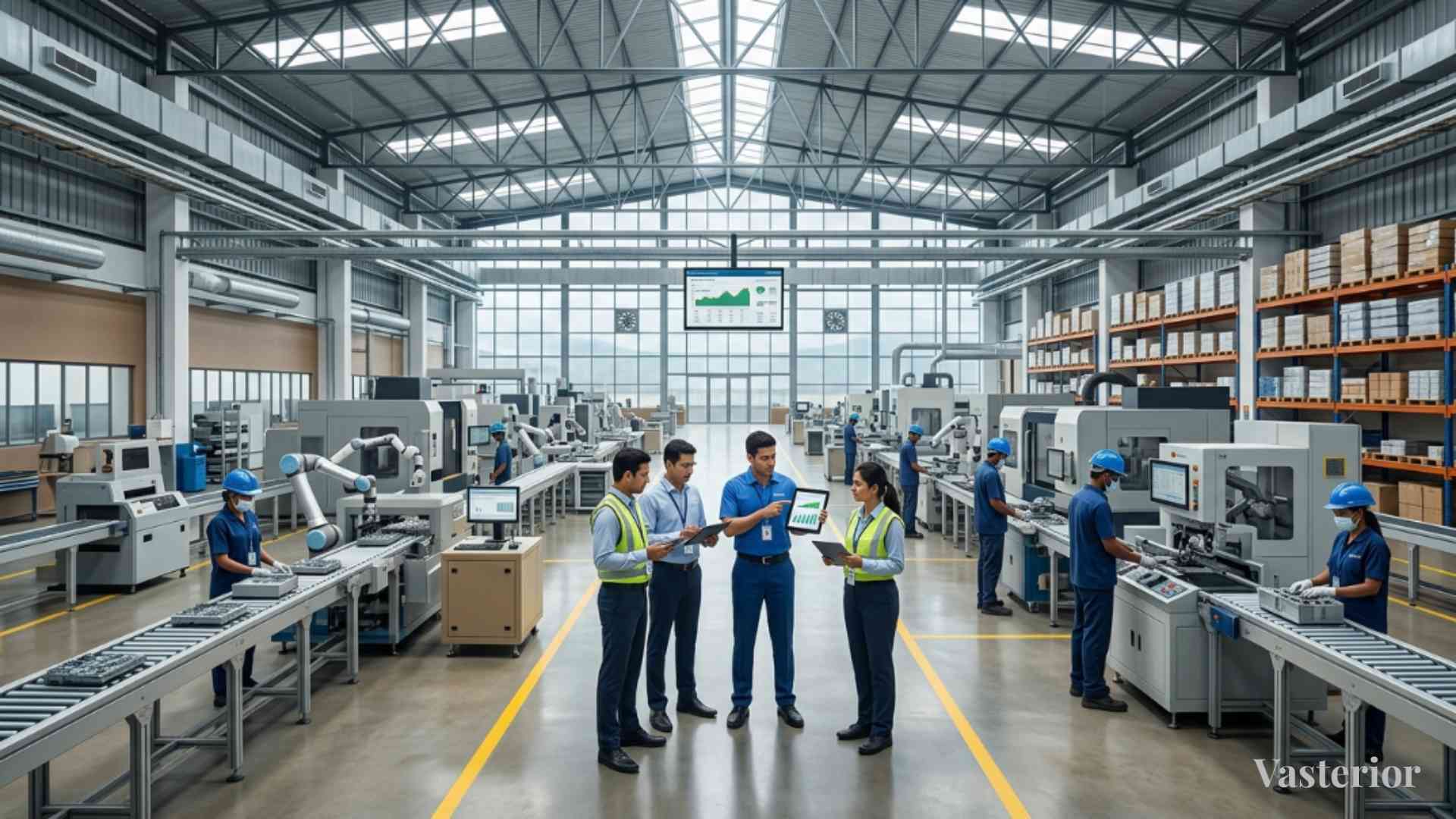
Industrial imbalance rarely announces itself loudly. It accumulates quietly through operational friction, repeated disruptions, and patterns that persist despite logical corrective action. Understanding where these hidden directional mistakes originate is the first step toward lasting industrial transformation.
Incorrect Factory Entrance Placement
The entrance of a factory defines how energy, opportunity, and movement enter the industrial ecosystem. Factories with poorly placed entrances often experience irregular client flow, delayed business expansion, unstable workforce behaviour, and financial inconsistency.
A common mistake in industrial plots is placing the main entrance in zones that create energetic heaviness instead of movement. Many factories prioritise road convenience over directional intelligence. The result is subtle but damaging. The space begins absorbing stress faster than opportunities.
Well-aligned entrances create a psychological sense of openness and movement. Employees unconsciously feel more organised. Visitors perceive greater operational confidence. Energy enters smoothly instead of colliding with structural imbalance.
Heavy Machinery in Sensitive Zones
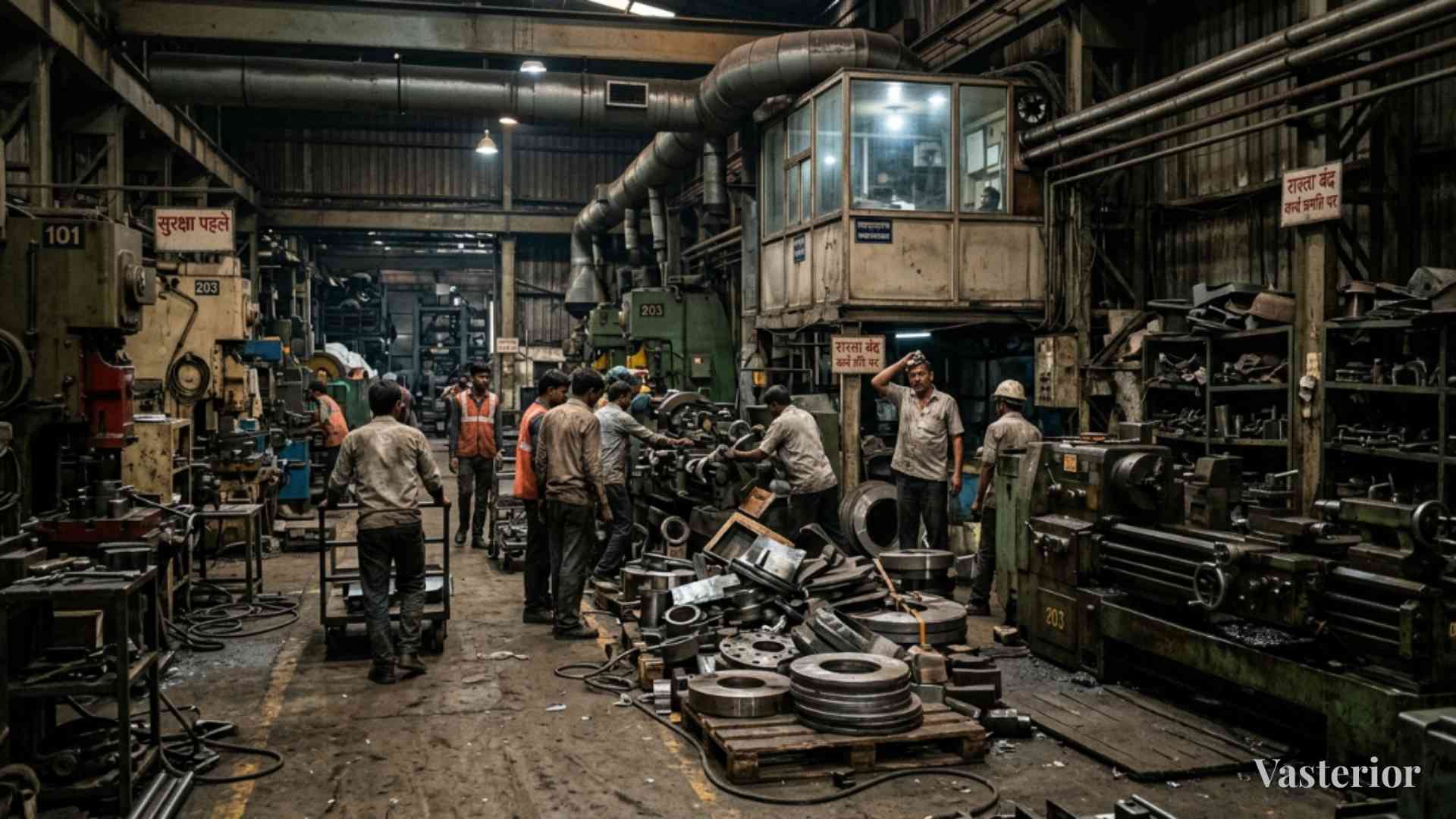
Industrial machinery represents concentrated energetic weight. One of the most overlooked Vastu mistakes in factories is placing heavy equipment in zones meant for lightness, clarity, or movement. This disturbs the energetic equilibrium of the entire manufacturing unit.
- Repeated breakdowns
- Excessive vibration issues
- Staff fatigue
- Production inconsistency
- Higher maintenance cycles
Factories often place heavy machinery wherever electrical lines or operational convenience allow, without considering directional impact. Balanced machinery placement creates smoother operational energy and reduces internal friction within workflow systems.
Administrative Offices Positioned Incorrectly
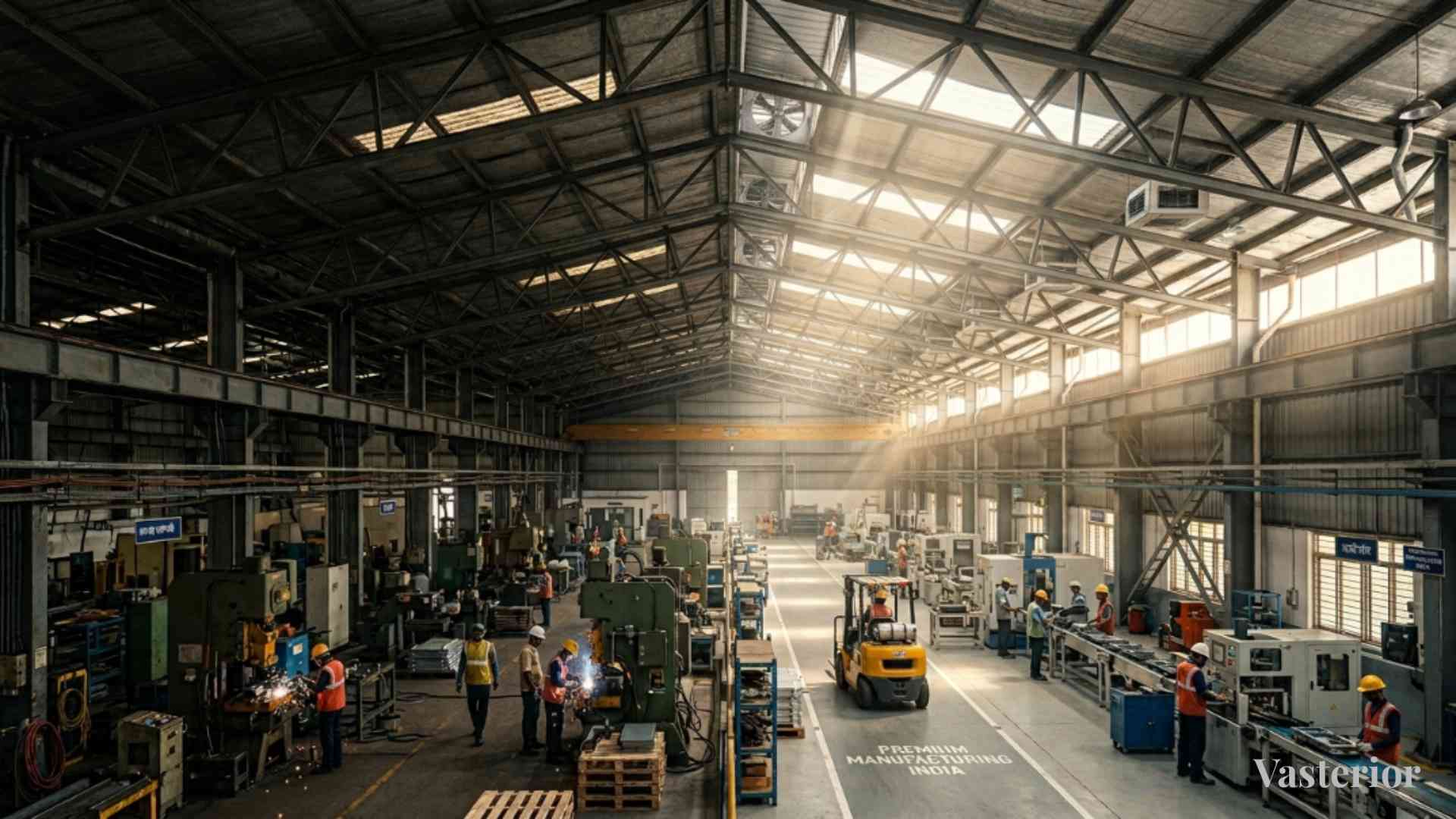
Management zones control strategic energy. When factory offices are placed in energetically unstable areas, leadership often experiences mental fatigue, indecisiveness, poor financial judgement, and communication breakdowns.
A surprising number of industrial units place administrative cabins in noisy or overly aggressive zones simply because space was available there. The environment then begins influencing the psychology of management itself.
Strong industrial planning ensures that leadership areas feel stable, clear-headed, and energetically grounded. Because factories grow from decisions long before they grow from production.
Boiler and Electrical Zone Mistakes
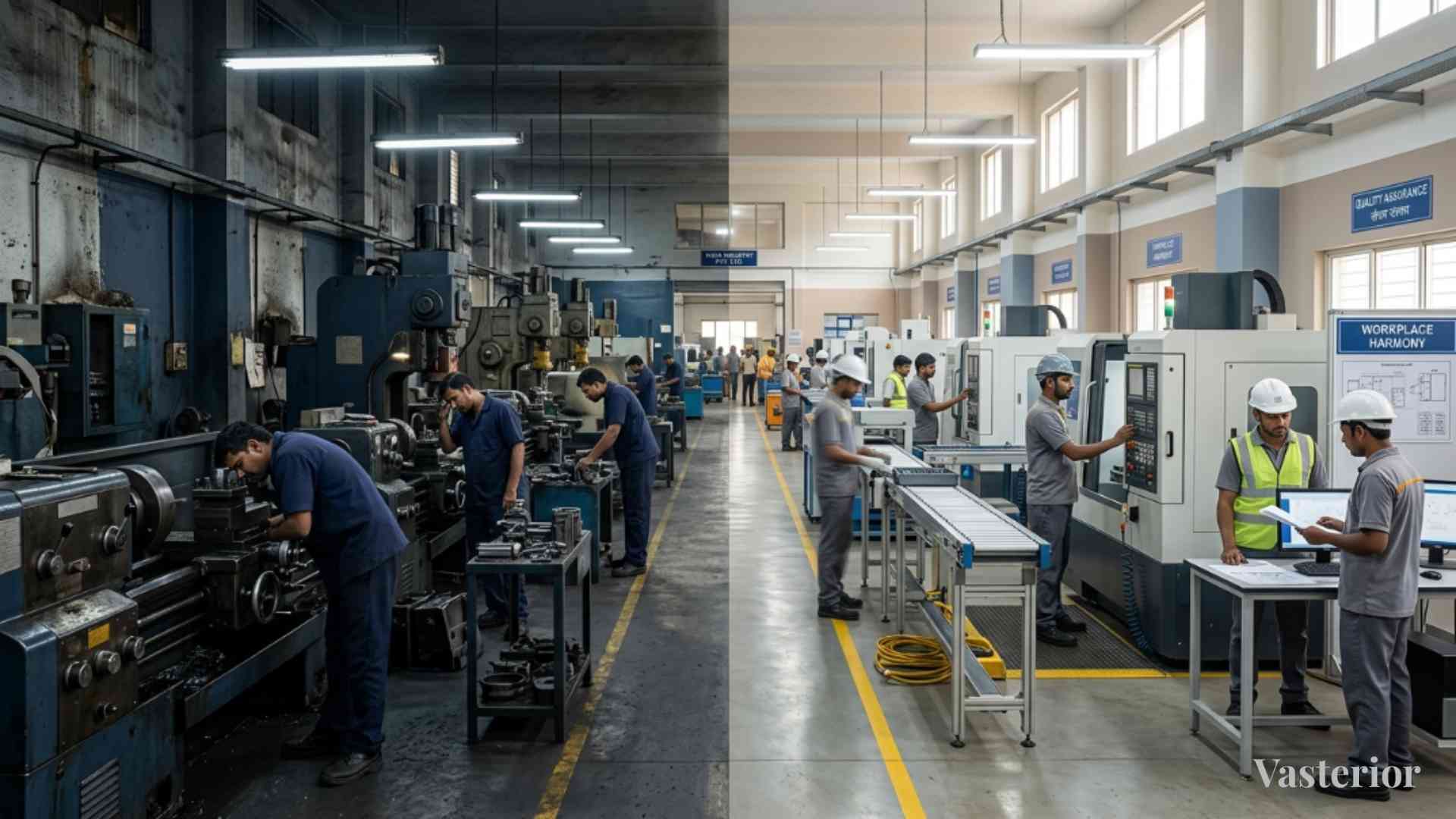
Fire energy must remain controlled and directional. Boilers, transformers, furnaces, generators, and electrical panels represent intense fire elements within industrial Vastu. Improper placement can create excessive aggression in operational energy.
- Frequent accidents
- Machinery overheating
- Conflict-heavy work culture
- Sudden financial instability
- Constant repair cycles
When fire zones align correctly, industrial momentum feels powerful yet controlled.
Raw Material and Finished Goods Imbalance
Another major factory Vastu mistake lies in storage distribution. Raw materials symbolise incoming potential. Finished goods represent realised output. When these two zones are directionally imbalanced, businesses may experience operational disruption.
- Stock stagnation
- Delayed dispatches
- Inventory confusion
- Cash flow blockage
- Reduced production rhythm
Factories thrive on movement. Energy must circulate like a well-designed system, not accumulate like trapped pressure.
Water Element Placement Errors
Water influences financial flow and emotional stability within a factory environment. Underground tanks, borewells, drainage systems, and water storage areas positioned incorrectly may subtly create instability in operational flow.
Many industries ignore this completely during planning stages. Yet water placement directly affects the energetic temperament of a plot. Balanced water positioning creates a calmer, more organised industrial environment where movement feels natural rather than chaotic.
Cluttered North and North East Zones
Perhaps the most common mistake in industrial spaces is using critical directional zones as dumping areas. Unused scrap, damaged machinery, excess packaging material, and neglected storage frequently accumulate in the North and North East.
Energetically, these zones represent openness, opportunities, clarity, and expansion. When clutter dominates these spaces, businesses often experience mental stagnation and blocked growth potential. Clean directional zones create psychological and energetic breathing space for the entire factory ecosystem.
The Hidden Impact of Factory Shed Slopes
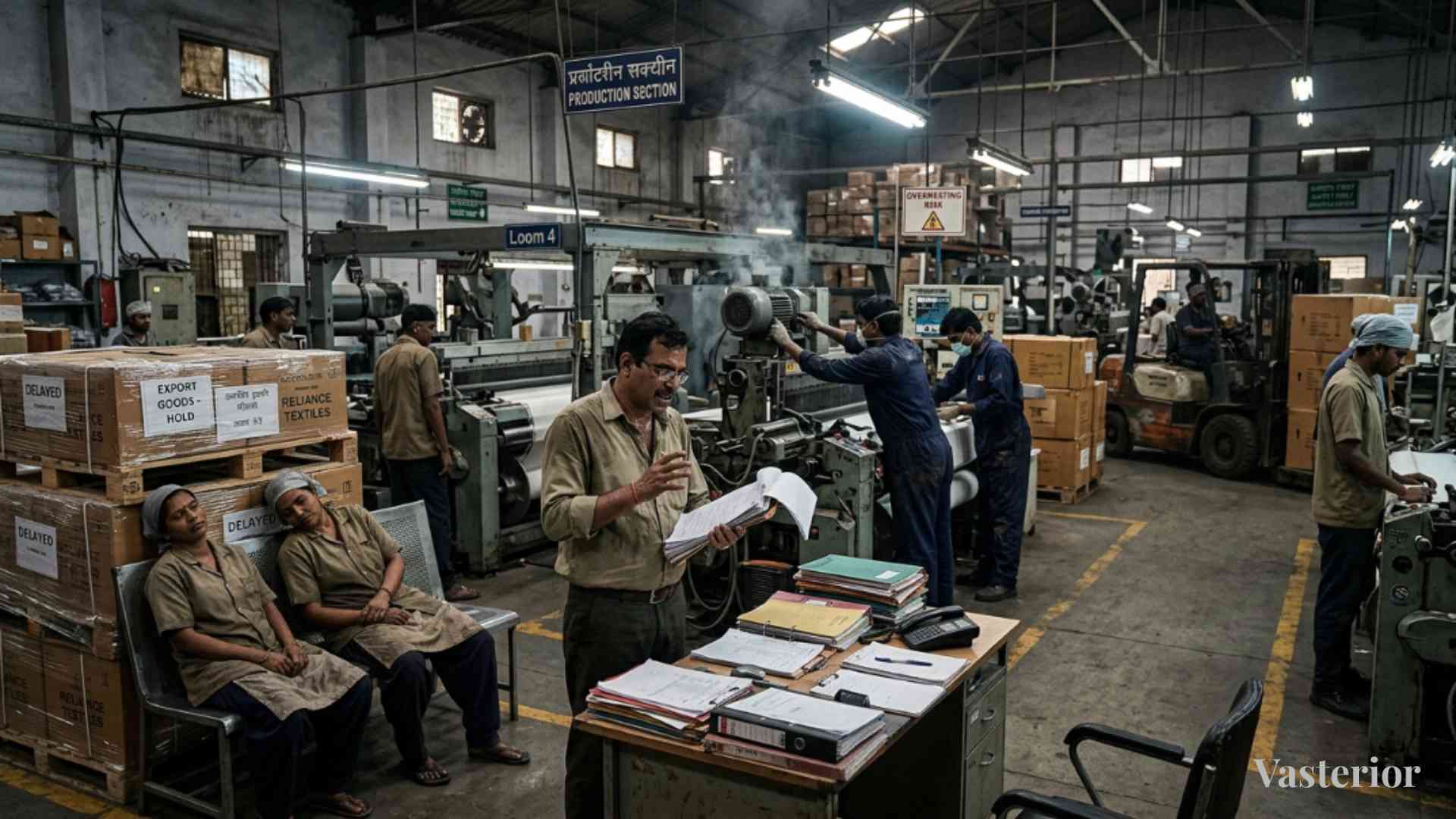
One of the most underestimated aspects of industrial Vastu is factory shed slope direction. Most industrialists view roof slopes purely from an engineering perspective. Drainage, rainwater flow, and structural practicality become the only priorities. But factory shed slopes influence far more than water movement. They influence energetic directionality.
- Correctly aligned slopes support expansion and momentum
- Incorrect slopes create energetic pressure and instability
- South and West should remain higher
- North and East should remain comparatively lower
- This directional hierarchy supports balanced energy flow
A factory roof acts like the energetic canopy of the entire industrial environment. The direction in which the shed slopes subtly affects how pressure, movement, heat, airflow, and energy distribute across the premises. Incorrect factory roof slope design can create energetic heaviness in zones that should remain lighter and more receptive.
This may gradually contribute to sluggish operational momentum, financial inconsistencies, employee exhaustion, reduced productivity rhythm, and mental stress within management teams.
Properly aligned factory shed slopes create a sense of upward movement and energetic release. Natural light distribution improves. Ventilation becomes healthier. Heat accumulation reduces. Employees feel less psychologically compressed inside the workspace.
Modern industrial psychology increasingly acknowledges how architecture impacts emotional performance. Dark, oppressive, low-energy industrial spaces unconsciously increase fatigue and irritability. This is why slope direction matters deeply. An intelligently aligned industrial shed feels breathable, expansive, and rhythmically balanced.
Factories where structural heaviness visually dominates the wrong zones often feel energetically stuck despite high investment and operational effort. Meanwhile, well-balanced factory sheds create a subconscious sense of momentum. The difference may not always be immediately visible. But over years, it becomes measurable.
The Psychology and Energy of Factory Colours
Colour is not decoration. Colour is behavioural architecture. In industrial spaces, colours influence worker mood, mental sharpness, energy movement, and environmental perception. Unfortunately, many factories either ignore colour psychology entirely or overload spaces with excessively dark industrial tones that absorb heaviness instead of supporting energetic flow.
Common Factory Colour Mistakes
- Excessive black and dark grey dominance
- Aggressive red overload in production areas
- Dull and lifeless office zones
- Poor natural light reflection
- Colour inconsistency across departments
- Emotionally cold work environments
Dark industrial environments subconsciously increase stress and visual fatigue. Over time, this impacts concentration, morale, and workplace psychology.
Direction-Wise Colour Recommendations
- North Zones: Lighter blues, metallic tones, soft whites, and balanced greys to support movement and financial flow
- East Zones: Fresh whites, subtle greens, and airy neutral palettes to encourage clarity and growth
- South East Zones: Controlled warm tones that align with the zone's natural fire and electrical energy
- South and South West Zones: Earthy neutrals, muted browns, and stabilising tones for groundedness and structural stability
- North East Zones: Avoid visual heaviness completely, this zone benefits from openness, light tones, and reflective brightness
Factories are emotionally intense environments. People spend long hours under pressure, surrounded by sound, heat, deadlines, and repetitive motion. Colour directly affects how those environments are psychologically processed.
Balanced colour selection can improve employee focus, reduce visual stress, encourage workflow calmness, improve environmental perception, create cleaner spatial rhythm, and support energetic movement. A well-designed factory should not merely function efficiently. It should feel energetically intelligent.
Signs Your Factory May Already Be Energetically Misaligned
Industrial imbalance often appears through recurring patterns rather than dramatic incidents. Some common signs include:
- Constant machinery issues despite regular maintenance
- High employee turnover rates
- Delayed client payments
- Repeated production slowdowns
- Leadership exhaustion and poor decision clarity
- Frequent operational conflicts
- Financial instability despite steady orders
- Inventory pile-ups
- Difficulty scaling operations
- Increased accident frequency
- Lack of long-term momentum
When these patterns persist despite operational improvements, the issue may not be purely mechanical or managerial. Sometimes, the space itself is resisting smooth flow.
Modern Factory Vastu Solutions by Vasterior
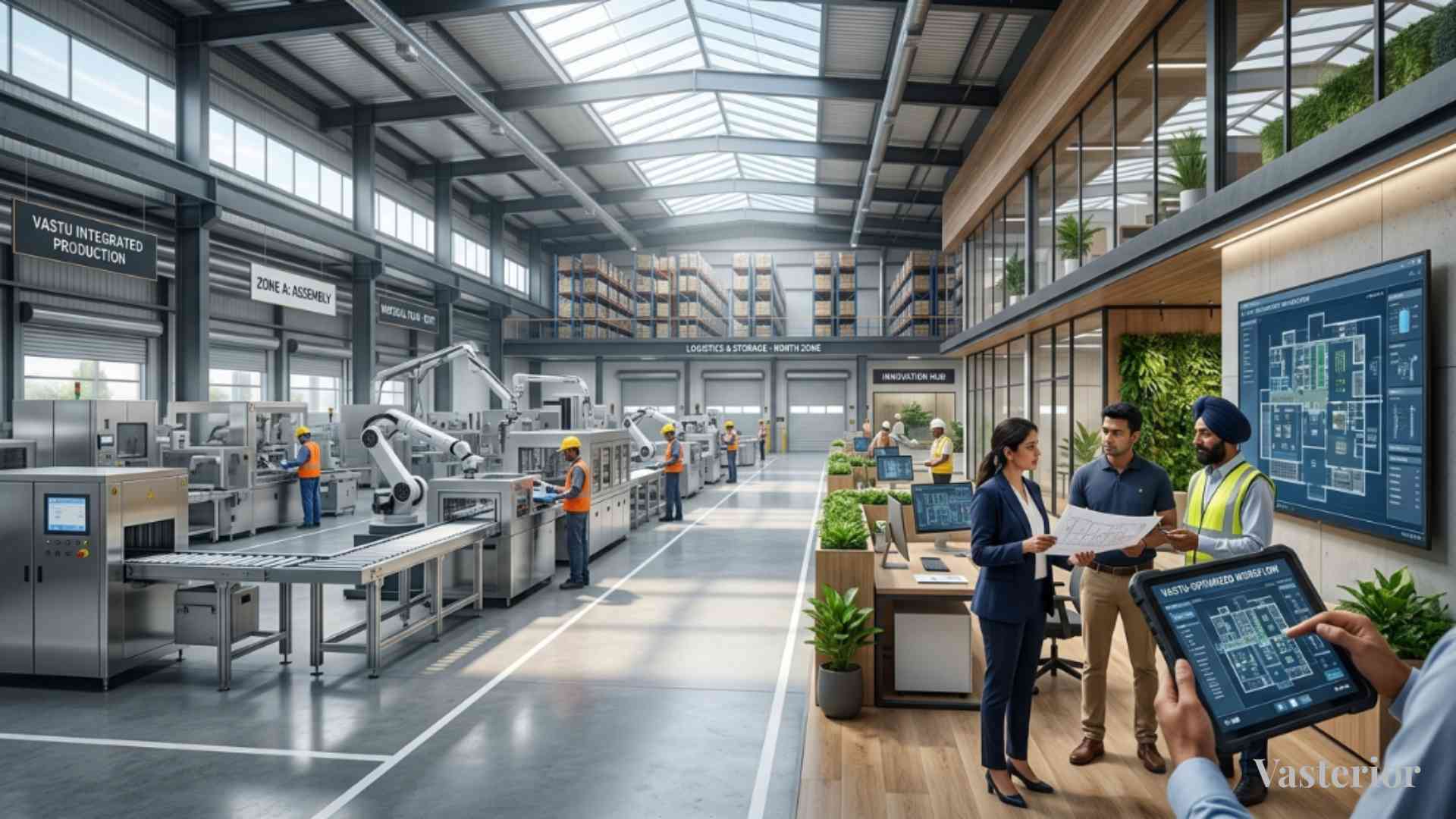
Today's industrial Vastu cannot rely on outdated templates. Modern manufacturing environments require intelligent integration between architecture, operational practicality, energy movement, and aesthetic sophistication. This is where Vasterior brings a distinctly modern approach. Instead of forcing rigid traditionalism, Vasterior focuses on practical energetic optimisation through:
- Directional analysis
- Industrial zoning intelligence
- Factory shed slope alignment
- Colour balancing strategies
- Workflow optimisation
- Spatial energy correction
- Entrance realignment
- Administrative stability planning
- Light and ventilation enhancement
- Aesthetic industrial transformation
The objective is not merely to fix Vastu. The objective is to create factories that feel aligned with growth itself. Spaces where productivity feels natural instead of forced.
The Future of Industrial Success Is Spatially Intelligent
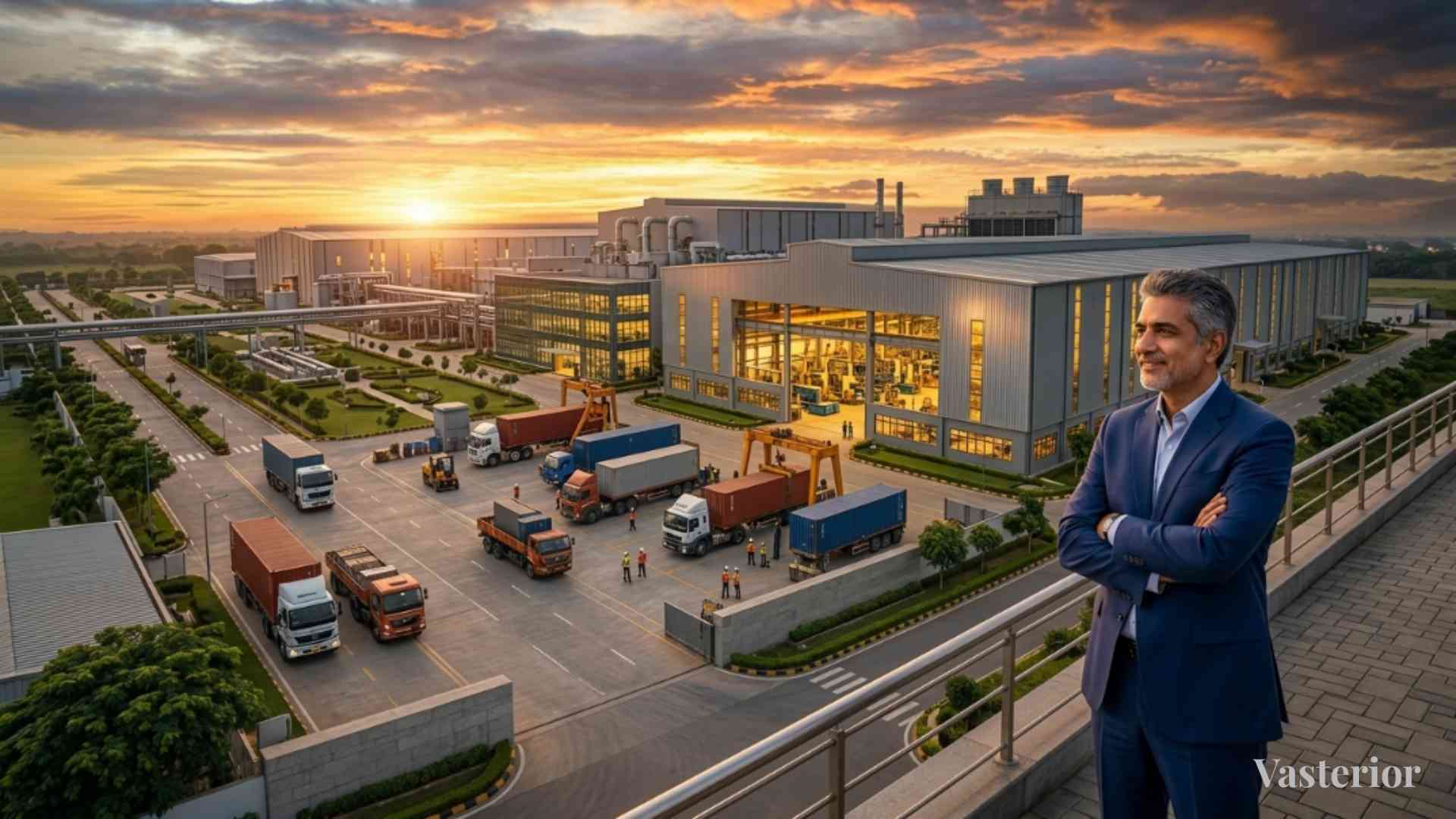
The next generation of successful factories will not be defined only by automation, technology, or scale. They will also be defined by how intelligently their environments support human energy, operational rhythm, and business expansion.
Industrial spaces influence behaviour more than most businesses realise. A factory with balanced directional energy creates smoother movement, calmer decision-making, healthier work culture, and stronger long-term consistency.
Because every structure carries a psychological frequency. And over time, that frequency shapes the people inside it.