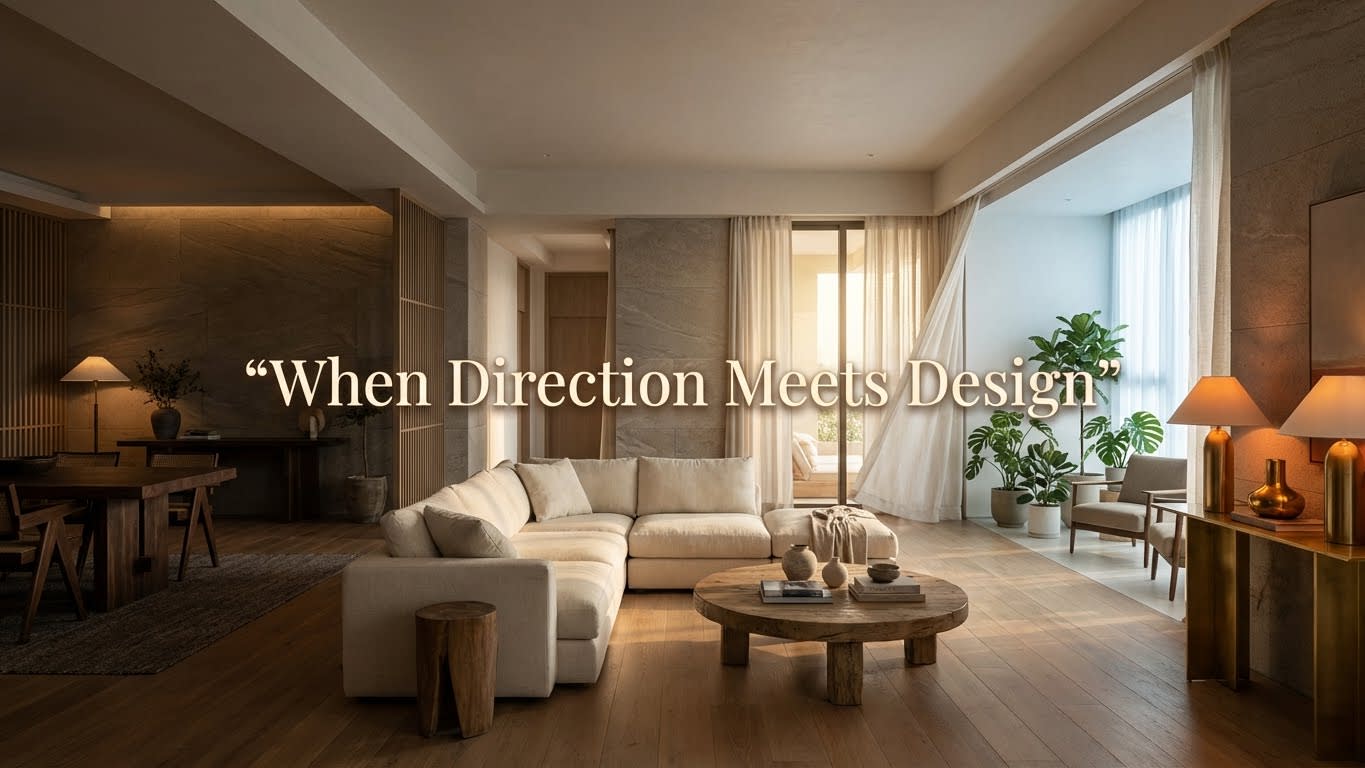
You probably know the direction of your home. North-facing. East-facing. South-west corner plot.
These labels come easily.
But here's a softer, more interesting question: Do you know how your home actually behaves once you step inside it?
Because direction isn't just about where a house faces. It's about how energy moves, settles, pauses, and supports everyday life within it.
At Vasterior, we don't treat direction as a rigid rulebook. We treat it like a conversation, between space and the people who live in it. When understood well, direction doesn't restrict design. It refines it.
This guide walks you through direction-wise interior planning for Indian homes, not as superstition, but as spatial intelligence, practical, logical, and deeply intuitive.
Direction vs Design: A Quick Clarity Check
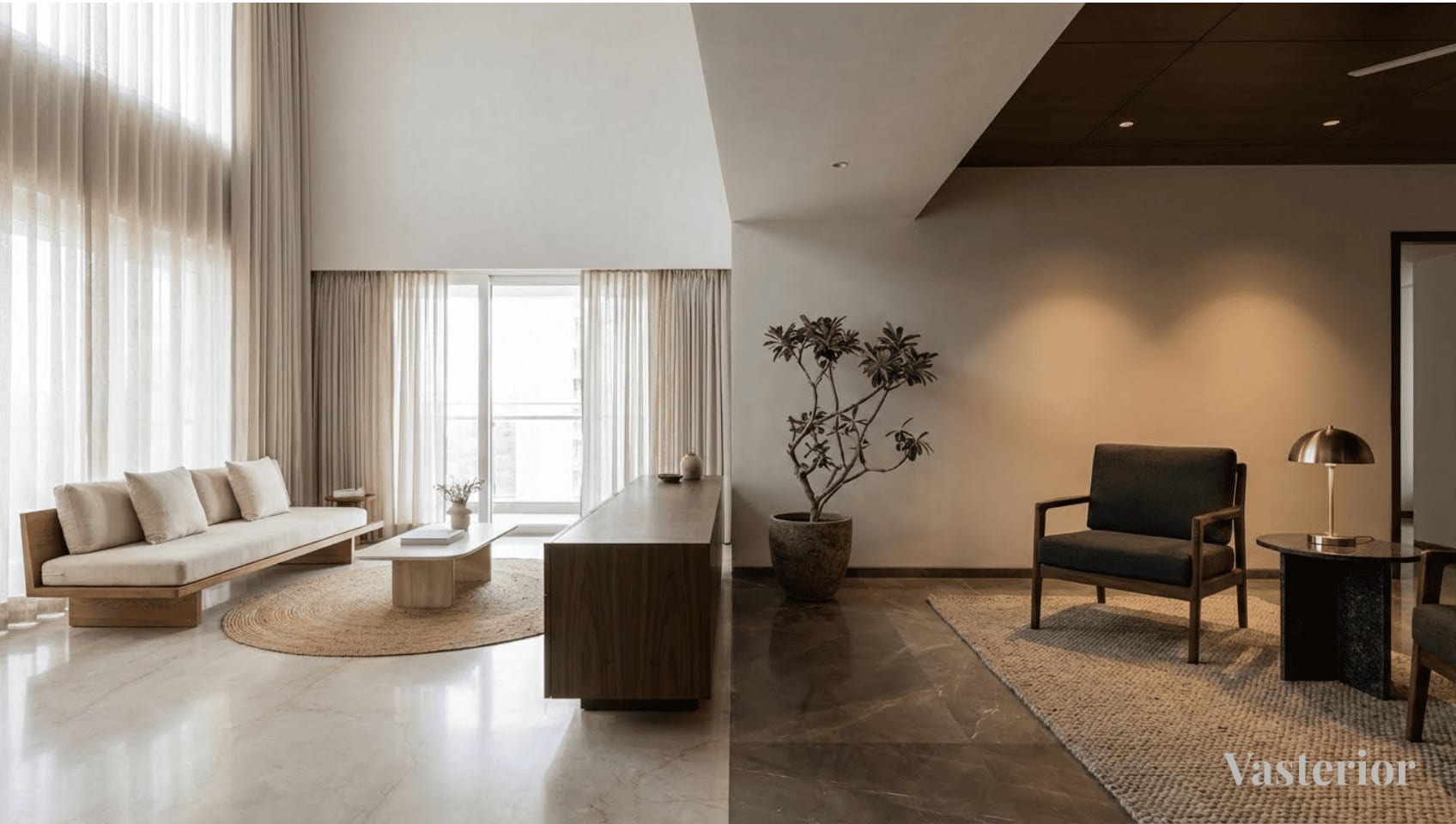
Let's clear a common confusion first.
- Direction tells us orientation - where something is positioned.
- Design tells us interaction - how that space is used, felt, and lived in.
A home doesn't work because it faces east. It works because the right activities are supported in the right parts of the space.
Vastu, when understood correctly, is less about rules and more about alignment. It helps design respond to human rhythms, waking, resting, cooking, working, gathering.
Now let's move, direction by direction.
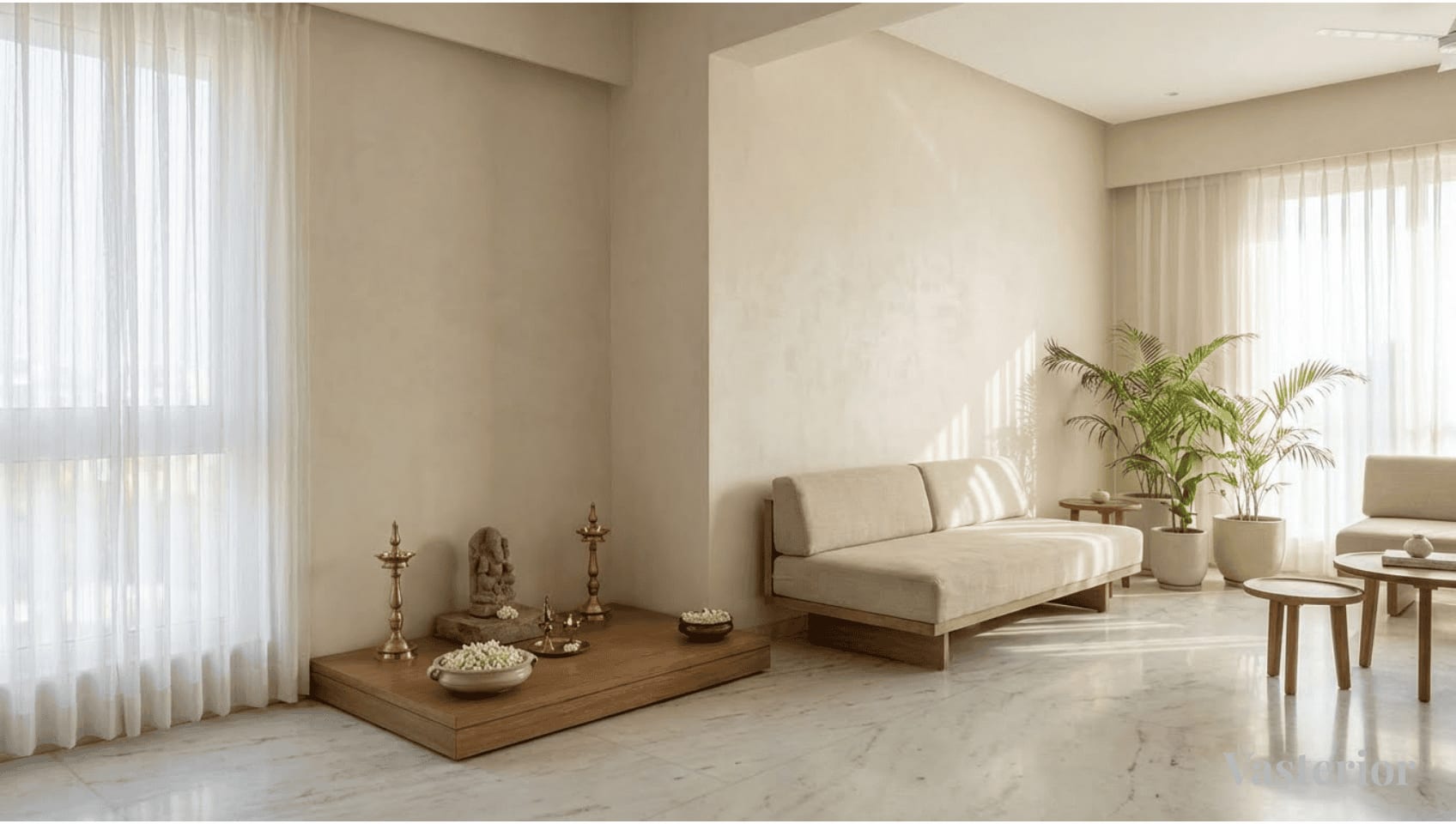
North - The Zone of Flow & Opportunity
North is associated with movement, clarity, and financial momentum. Think of it as the part of the home that prefers openness and lightness.
Best suited for:
• Living areas
• Workspaces
• Cash lockers and storage of valuables
Design cues:
• Lighter materials: veneers, laminates, subtle metals
• Colours: whites, soft greens, pale blues
• Furniture that feels elevated rather than bulky
Lighting:
• Bright but soft, avoid heavy chandeliers
• Natural light is your best ally here
Common mistake: Overloading the north with heavy cupboards or dark furniture, choking movement
When designed well, the north doesn't scream for attention. It simply allows things to move smoothly, conversations, ideas, finances.
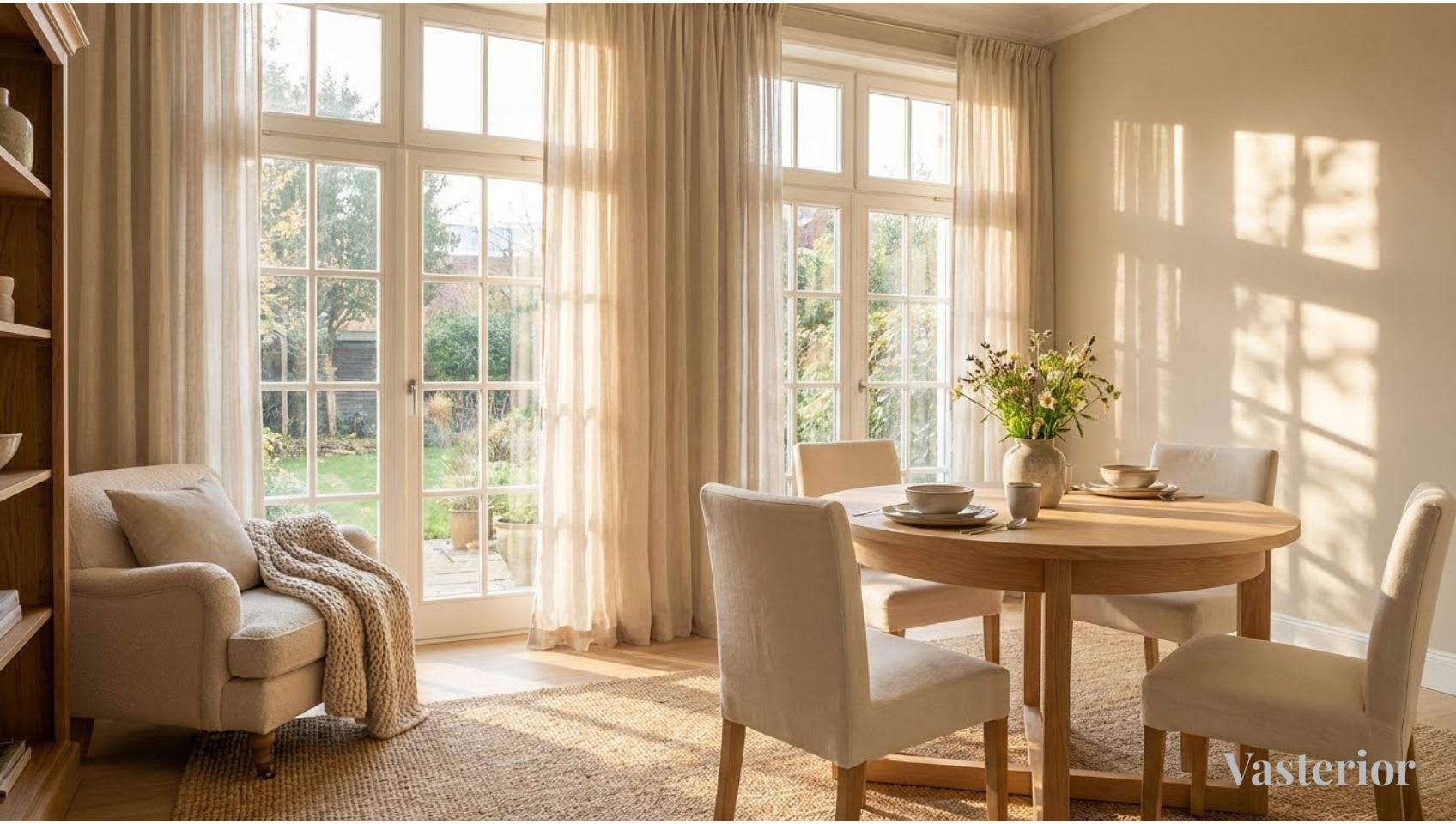
North-East - The Zone of Calm & Clarity
This is the most sensitive direction in any Indian home. The north-east responds best to gentleness.
Best suited for:
• Meditation corners
• Pooja spaces
• Reading nooks
• Open living zones
Design cues:
• Natural materials: stone, marble, subtle textures
• Minimal furniture
• Colours: ivory, off-white, pale pastels
Lighting:
• Soft, diffused, almost poetic
• Avoid harsh spotlights
Common mistake: Turning the north-east into a storage dump or heavy bedroom
If north-east feels cluttered, homes often feel restless. When respected, it quietly brings mental ease, something no luxury finish can replace.
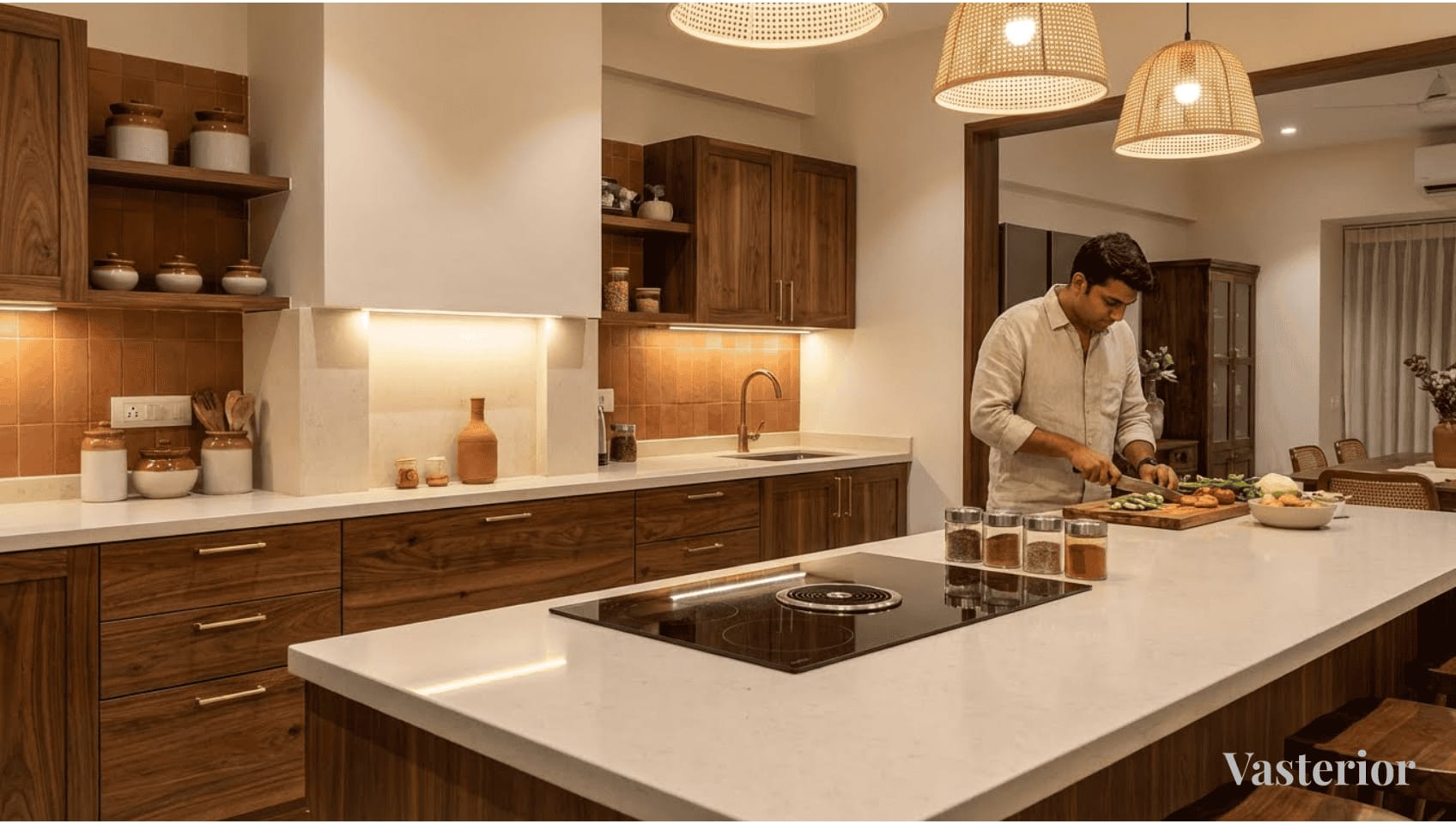
East - The Zone of Renewal & Health
East carries the energy of beginnings. It's where mornings feel lighter and routines feel more intentional.
Best suited for:
• Bedrooms (especially for children)
• Dining spaces
• Study zones
Design cues:
• Wood finishes, breathable fabrics
• Colours: warm neutrals, soft yellows, muted greens
Lighting:
• Morning light is ideal
• Avoid overly dim interiors
Common mistake: Blocking windows or creating dark, enclosed layouts
An east-aligned space doesn't need drama. It just needs to breathe.
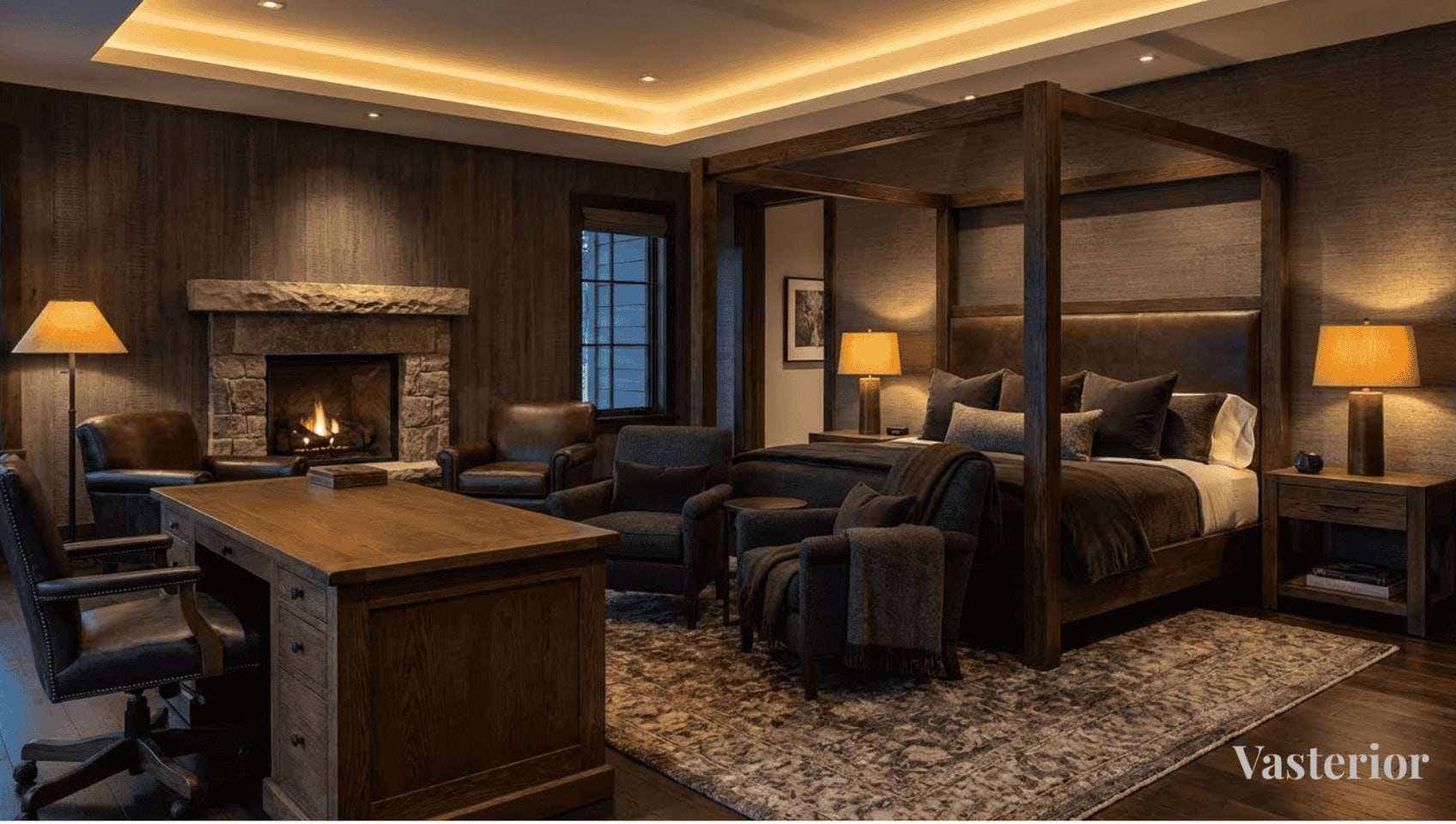
South-East - The Zone of Fire & Transformation
This is the heart of activity. Energy here is sharp, focused, and powerful.
Best suited for:
• Kitchens
• Electrical zones
• Equipment-heavy workspaces
Design cues:
• Fire-friendly materials: granite, quartz, metals
• Colours: warm tones --- terracotta, muted reds, copper accents
Lighting:
• Bright, task-oriented
• Layered lighting works beautifully
Common mistake: Using excessive water elements or calming blues here
A well-designed south-east makes cooking joyful and work productive. A confused one leads to exhaustion.
South - The Zone of Recognition & Visibility
South is often misunderstood. It isn't negative, it's powerful, commanding, and expressive.
Best suited for:
• Home offices
• Bedrooms for achievers
• Walls meant to display awards, art, or identity
Design cues:
• Solid furniture
• Earthy colours: beige, taupe, muted browns
Lighting:
• Controlled, not overly bright
• Accent lighting works well
Common mistake: Treating south as something to "correct" rather than design intentionally
South doesn't like chaos. But when respected, it supports confidence and authority.
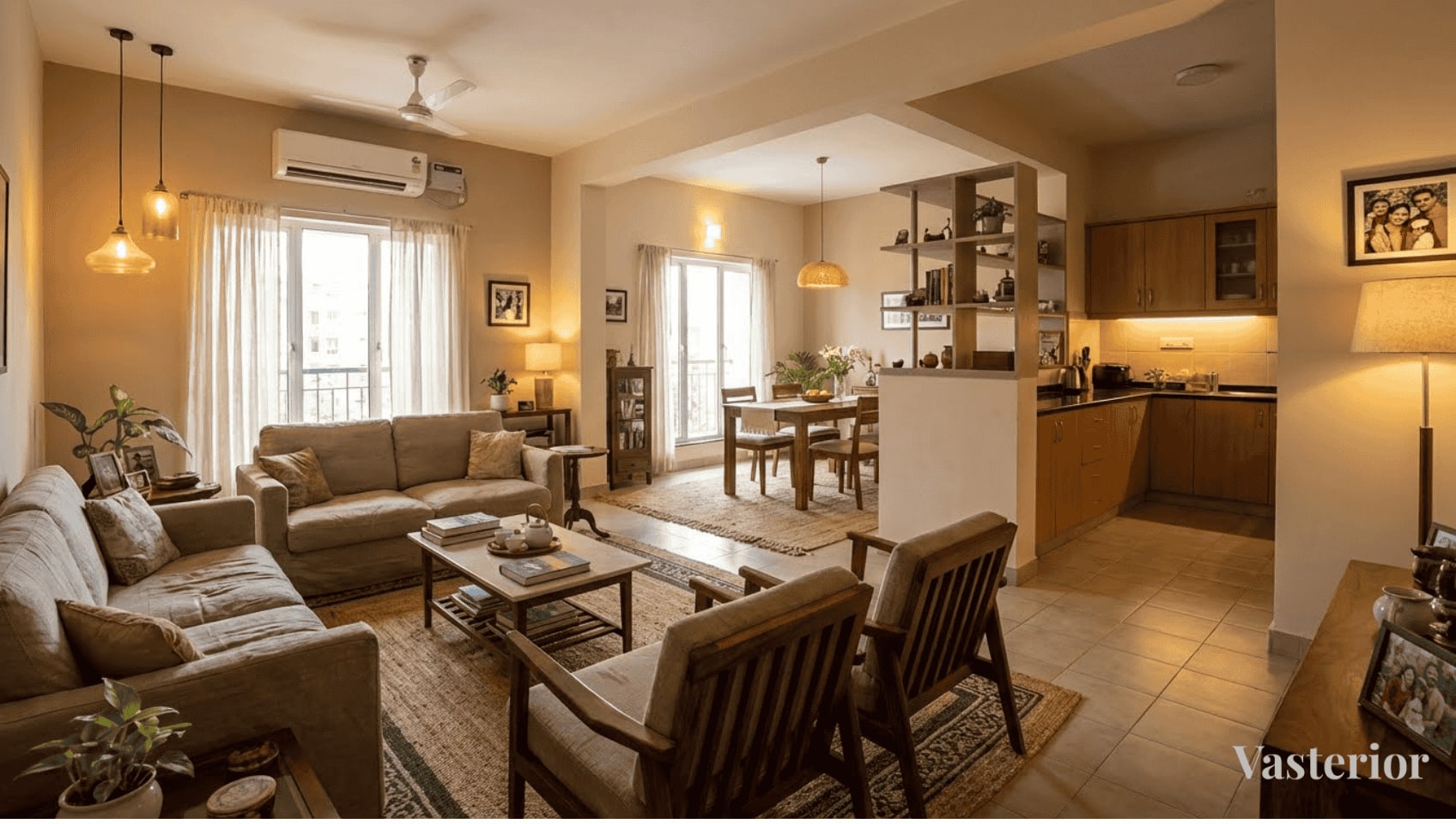
South-West - The Zone of Stability & Rest
This is where the home grounds itself. Heavy, slow, and deeply restful.
Best suited for:
• Master bedrooms
• Storage zones
• Heavier furniture placements
Design cues:
• Solid wood, leather, stone
• Colours: warm browns, greys, deep neutrals
Lighting:
• Soft, low-key
• Avoid excessive brightness
Common mistake: Keeping this zone light, empty, or overly minimal
The south-west doesn't want to float. It wants to anchor the home - emotionally and structurally.
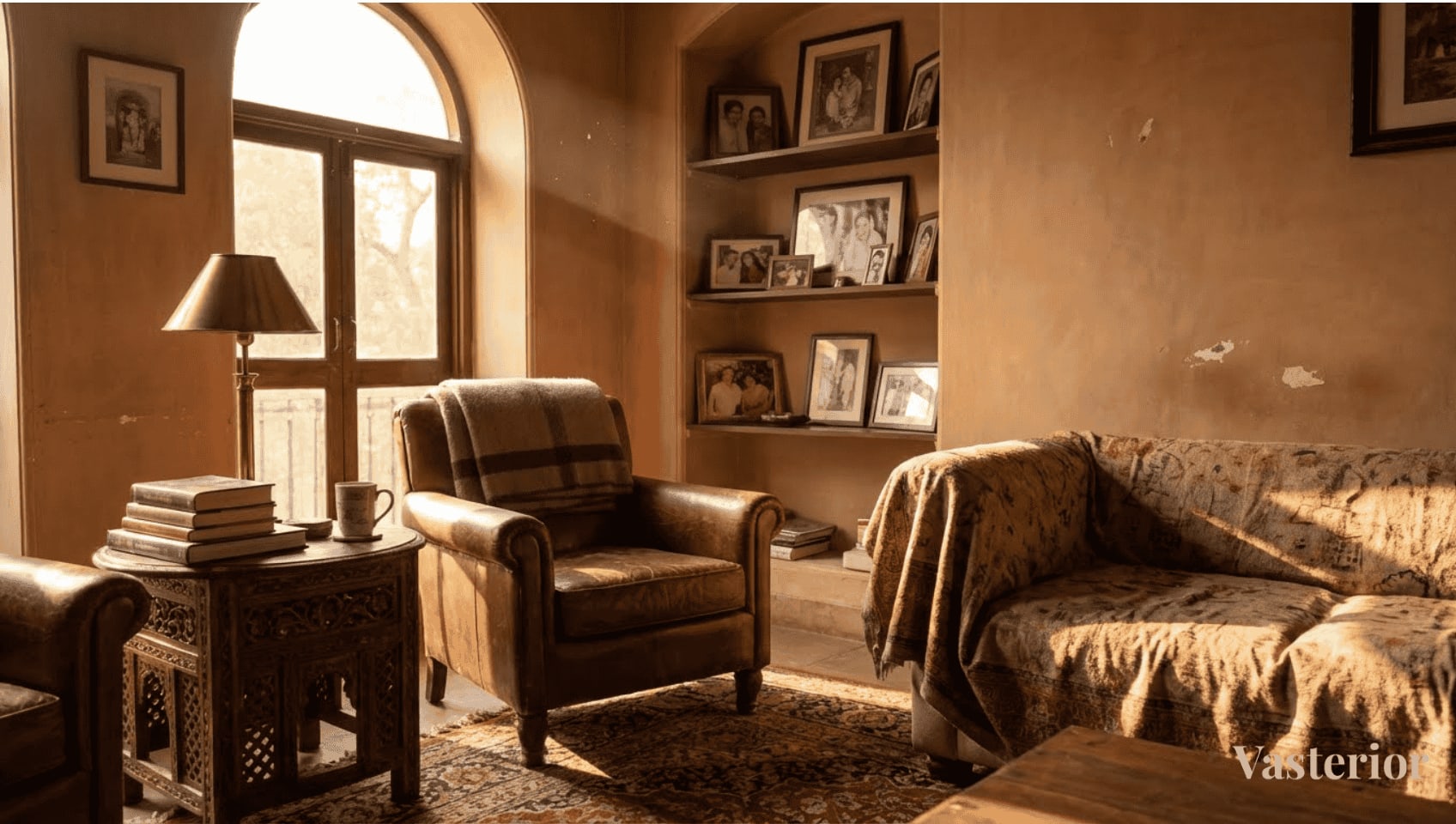
West - The Zone of Creativity & Expression
West holds the energy of enjoyment and creative output.
Best suited for:
• Children's rooms
• Family lounges
• Entertainment areas
Design cues:
• Playful textures
• Balanced colours: creams, soft greys, hints of colour
Lighting:
• Layered and flexible
• Evening-friendly ambience
Common mistake: Turning west into a neglected, leftover zone
West thrives when it's allowed to feel alive, not forgotten.
North-West - The Zone of Movement & Change
This zone governs transitions, people coming in, going out, conversations shifting.
Best suited for:
• Guest bedrooms
• Powder rooms
• Storage for frequently used items
Design cues:
• Lightweight furniture
• Neutral palettes with subtle contrast
Lighting:
• Balanced, not moody
• Functional with warmth
Common mistake: Using it for long-term stability functions like master bedrooms
North-west doesn't want permanence. It supports movement, adaptability, and flow.
The Indian Home Reality Check
Most Indian homes aren't perfect squares. They're apartments, builder floors, renovations layered over decades of living.
And that's okay.
Good Vastu-aligned design doesn't demand demolition. It demands understanding.
With intelligent zoning, furniture placement, material selection, and lighting strategy, alignment is possible, even within constraints.
That's where design stops being decorative and becomes meaningful.
The Vasterior Way
At Vasterior, we don't impose Vastu on a space. We listen to the space first.
We observe how you live. How you move. What feels heavy. What feels effortless.
Then we design, blending interior logic with spatial alignment, ensuring homes don't just look refined but feel supportive.
Because luxury isn't excess. Luxury is when a space quietly understands you.
A Gentle Closing Thought
Your home doesn't need to be perfect. It just needs to be aware.
When direction, design, and daily life align, something subtle shifts. Mornings feel calmer. Evenings feel kinder. Life feels, a little less rushed.
And that's when a house stops being a structure and becomes a companion.
If you ever feel curious about how your space could support you better, the conversation is always open. Get in touch with our experts today at +91 9100883355 or info@vasterior.com.
After all, your home already speaks. Design just teaches us how to listen.