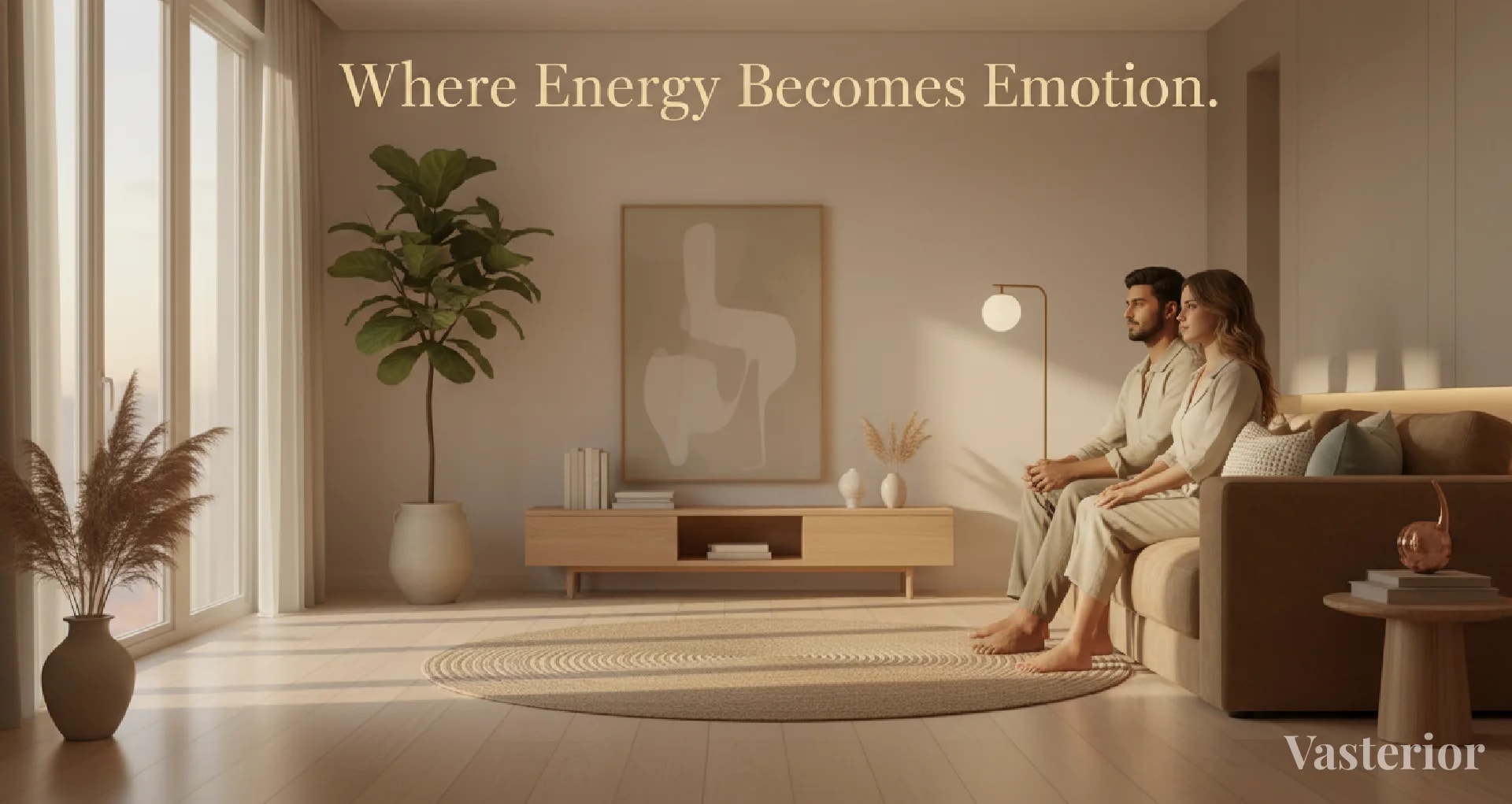
There is a particular kind of exhaustion that no amount of sleep fixes. You wake up tired. Conversations feel heavier than they should. The air in the room seems dense, even when no one is speaking. Many households today are not loud with conflict; they are quietly tense. And often, the cause is not merely emotional. It is spatial.
Your home is not neutral. It either restores you or drains you.
Vastu for Emotional Balance is not superstition, nor is it decorative tradition. It is an architectural psychology rooted in MahaVastu principles, aligning spatial energy with human emotion. When interior design and directional science are harmonised, the result is not merely beauty. It is stability. Calm. Emotional coherence.
The Psychology of Space and Emotional Energy
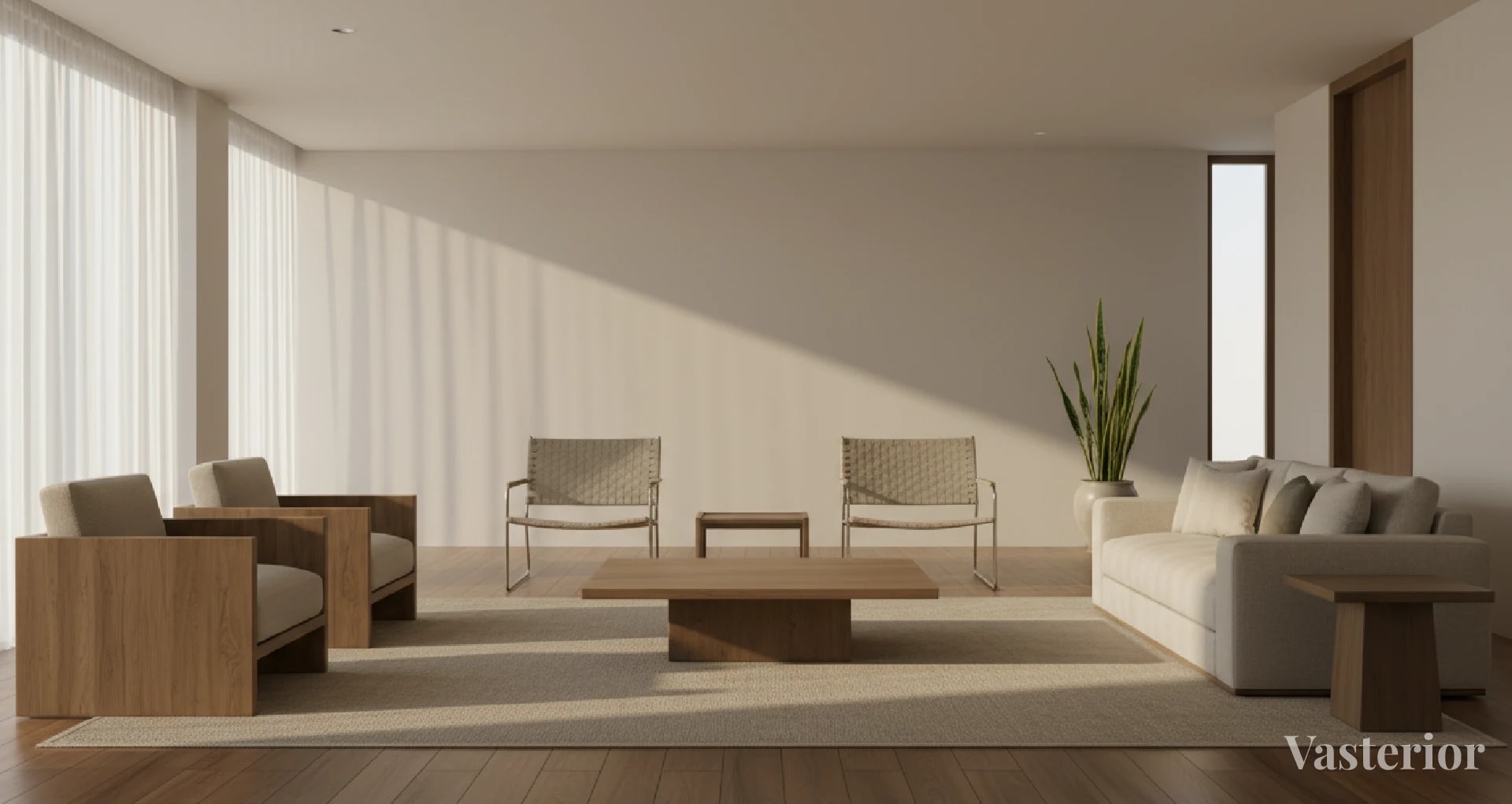
Modern behavioural science confirms what Vastu has maintained for centuries: environments influence emotional regulation. Natural light reduces cortisol. Open layouts affect communication patterns. Clutter triggers cognitive overload. Directional positioning influences subconscious orientation and sense of security.
MahaVastu principles for home operate on a simple yet profound understanding: every direction corresponds to a specific emotional and functional domain. When these zones are disturbed, the emotional manifestations follow.
For instance, the South-West governs stability and relationships. If this area is weakened or cluttered, instability or relational friction may subtly increase. The North-East governs clarity and mental peace. A blocked or heavy North-East can correlate with anxiety, confusion, or overthinking.
This is where emotional harmony through interior design becomes transformative. It is not about adding artefacts. It is about recalibrating energy flow.
The Five Elements and Emotional Stability
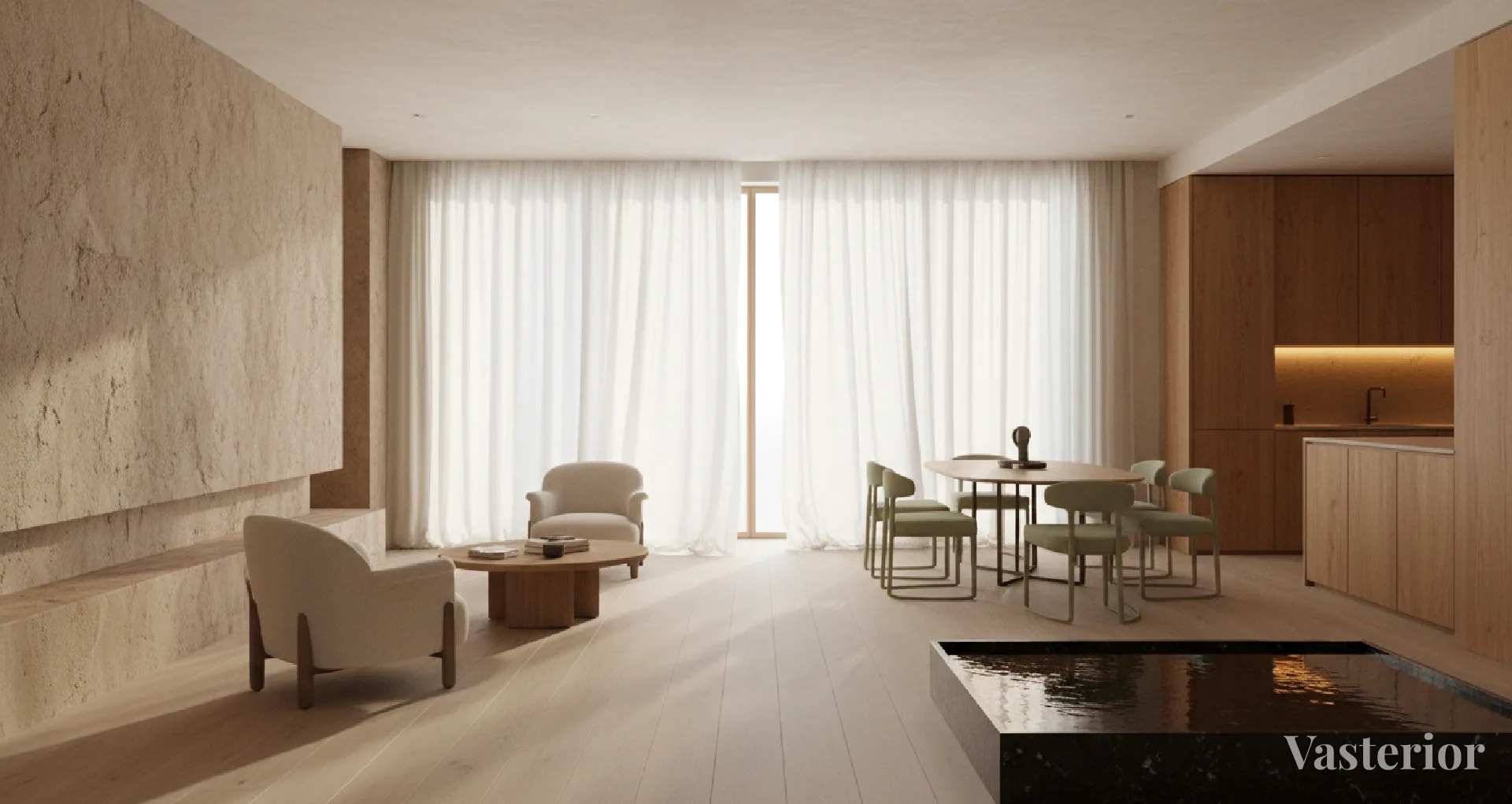
Vastu is structured around the five elements: Earth, Water, Fire, Air, and Space. Each element influences emotional states in distinct ways.
Earth (South-West): Represents grounding and emotional security. Bedrooms in the South-West enhance stability in relationships and personal confidence. Earth-toned palettes, solid furniture placement, and balanced weight distribution strengthen this element.
Water (North-East): Associated with clarity, intuition, and calmness. Keeping this zone light, open, and free from heavy storage supports mental wellbeing. Soft lighting and minimal décor in this direction promote introspection and serenity.
Fire (South-East): Governs energy, metabolism, and emotional intensity. The kitchen ideally belongs here. Misalignment can manifest as irritability or impulsive reactions. Proper stove placement and warm yet controlled lighting help regulate this zone.
Air (North-West): Influences movement, communication, and social interaction. If stagnant, it can lead to restlessness or miscommunication. Proper ventilation, lighter furnishings, and balanced décor restore fluidity.
Space (Centre): The Brahmasthan, or central zone, should remain uncluttered. Heavy objects in the centre can create psychological heaviness. An open central space allows energy to circulate freely, supporting emotional ease.
When these elements are consciously integrated into stress-free home design, emotional turbulence reduces naturally.
Bedroom: The Sanctuary of Stability
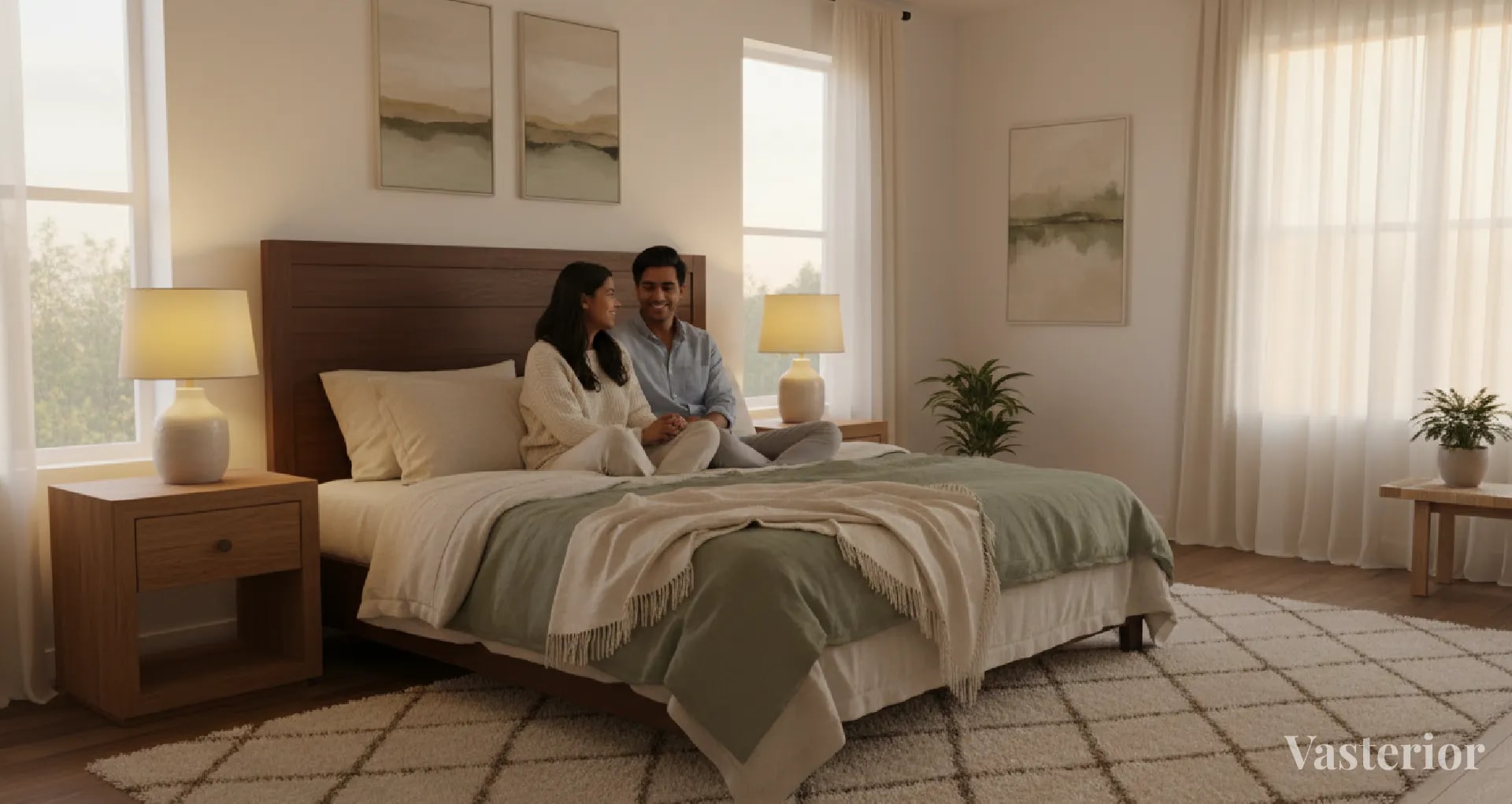
The bedroom must feel secure, not stimulating. The bed should ideally be positioned so that the head rests towards the South or East. Avoid mirrors directly reflecting the bed.
Soft, muted tones such as beige, pastel blues, or subtle greens promote calmness. Heavy storage in the North-East corner of the bedroom can disturb mental rest and contribute to insomnia.
The bedroom is where emotional recovery happens. When the space is misaligned, it becomes a source of subtle agitation rather than restoration. A correctly designed bedroom does not merely look peaceful — it produces peace as a biological outcome.
Living Room: The Social Energy Field
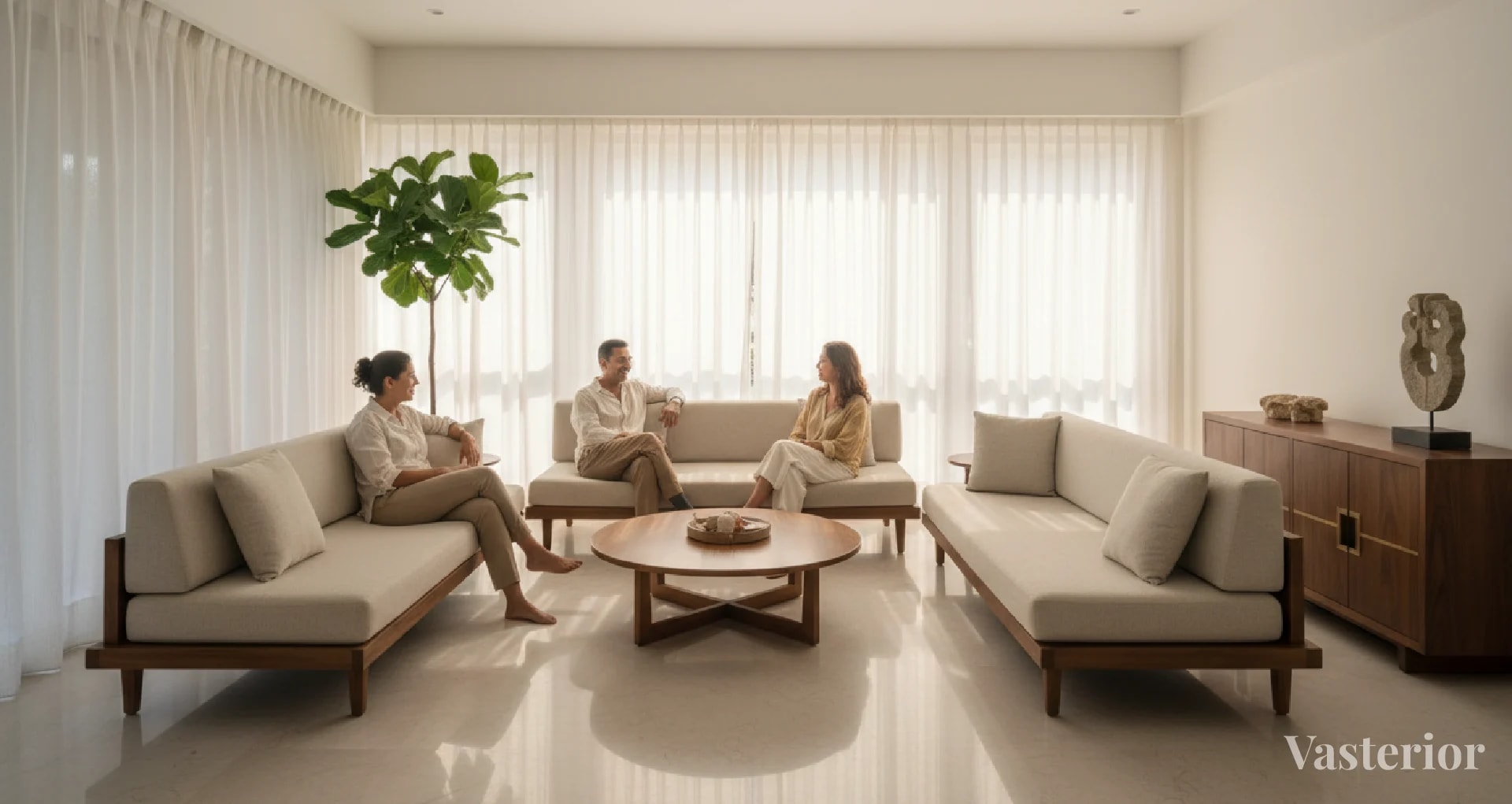
The living room governs communication patterns within the household. Seating should encourage openness, not confrontation. Avoid placing the main sofa under beams, as overhead pressure subtly affects mood.
Lighter colours and balanced symmetry reduce argumentative tendencies. Proper natural lighting enhances Vastu for home peace.
When the living room is harmonised, family conversations shift in tone. The space no longer holds residual tension. It becomes a field of genuine connection, where interactions feel lighter and more generative.
Kitchen: Emotional Nourishment
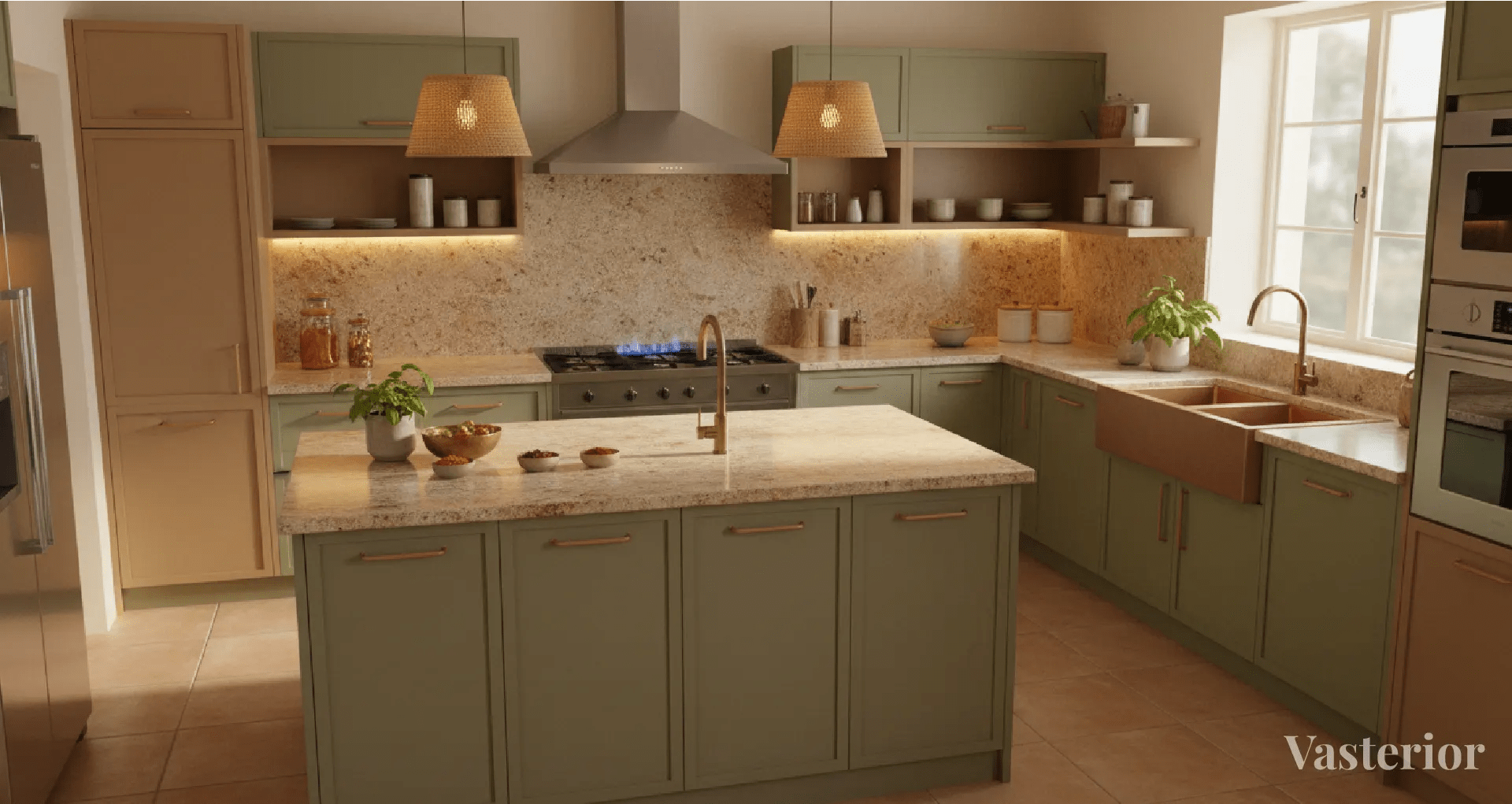
The kitchen is the fire centre of the home. Ideally placed in the South-East, it should not share a wall with a toilet or face directly towards the main entrance.
The stove and sink should not be immediately adjacent — this represents conflict between fire and water elements. A harmonious kitchen fosters emotional warmth within the household.
The food prepared in an aligned kitchen carries the energy of that space. When the kitchen is in balance, it nourishes not just the body but the relational fabric of the home.
Study or Work Area: Focus and Mental Clarity
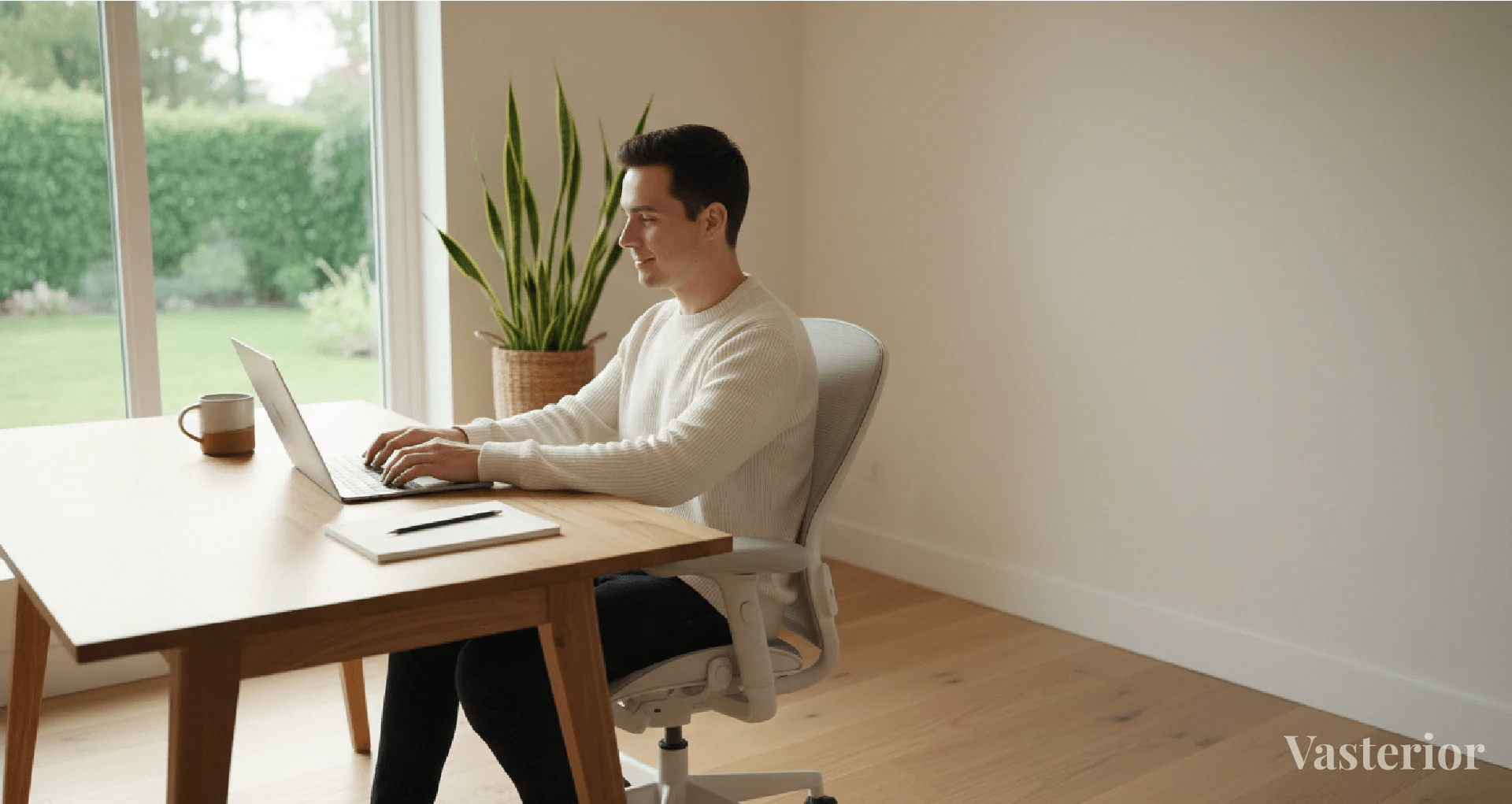
Remote work has intensified the need for aligned workspaces within the home. Facing East or North while working enhances clarity and productivity. Avoid sitting with your back to the door, as it subconsciously increases anxiety.
Decluttered desks and neutral colour palettes support emotional regulation.
For those managing professional demands from home, workspace alignment is not a luxury. It is a practical psychological tool that directly influences performance, decision quality and emotional resilience throughout the working day.
Entrance: The Energy Gateway
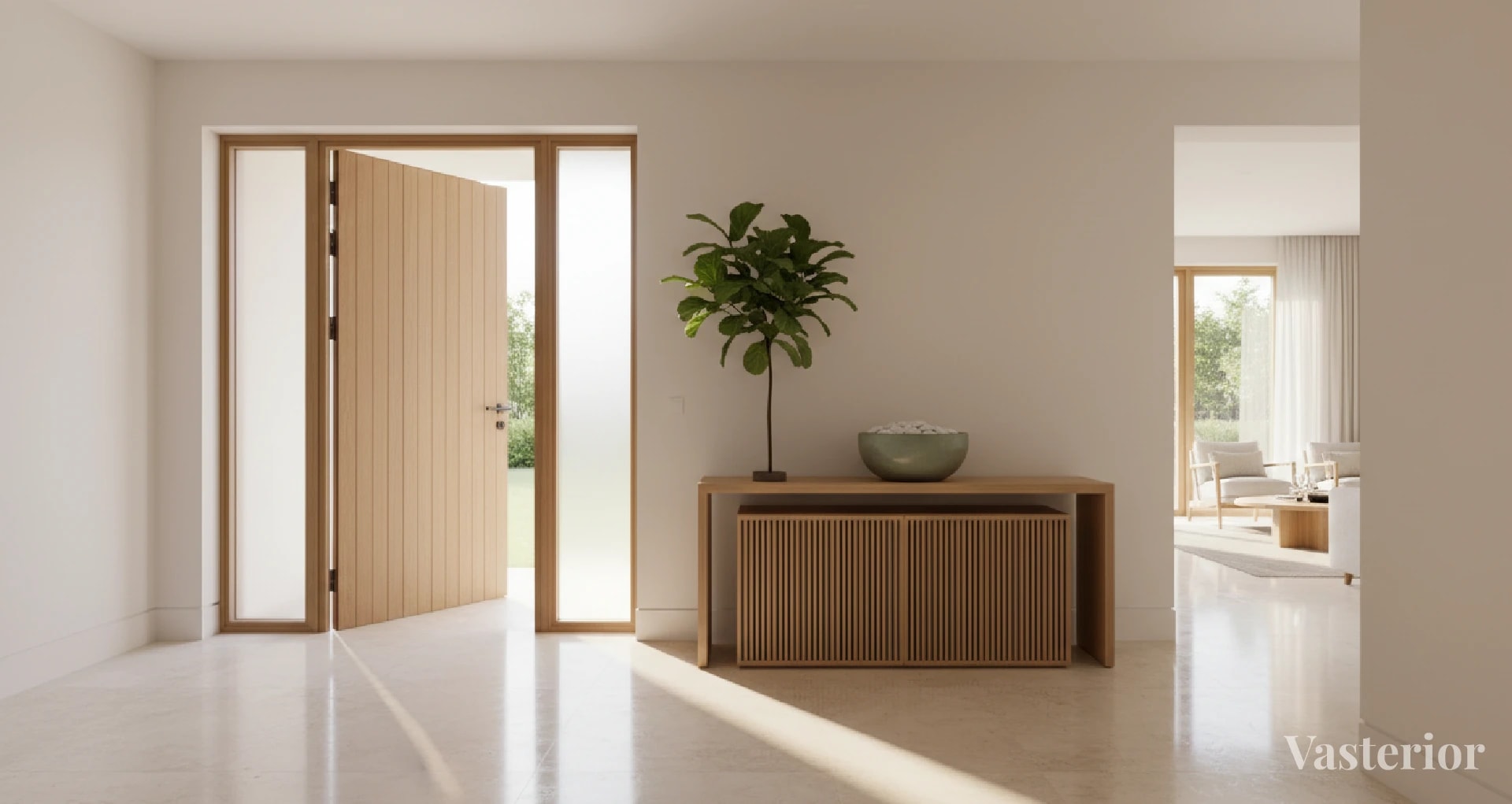
The main entrance sets the energetic tone of the entire home. It should be well-lit, clean, and obstruction-free. Shoes scattered near the doorway create energetic stagnation.
A balanced entrance encourages positivity and reduces subtle tension. Every person who enters your home crosses through this threshold — its condition determines the emotional frequency they carry further inside.
Interior design for positive energy begins at the door, not the living room. When the entrance is treated with intention, the entire home benefits.
Colour Psychology in Vastu
Colours are not aesthetic afterthoughts. They influence neurological responses and shape the emotional quality of every room they inhabit.
Blues and greens calm the nervous system and are ideal for bedrooms and meditation spaces. Warm neutrals foster grounding. Excessive red can trigger agitation if overused. Grey, when dominant, may subconsciously evoke dullness or detachment.
Interior design for positive energy integrates colour psychology with directional alignment. The North-East benefits from lighter shades. The South-West welcomes earthy tones.
Conscious colour zoning supports emotional harmony through interior design rather than mere visual appeal. Colour is not decoration — it is communication between space and psyche.
Decluttering and Energy Flow
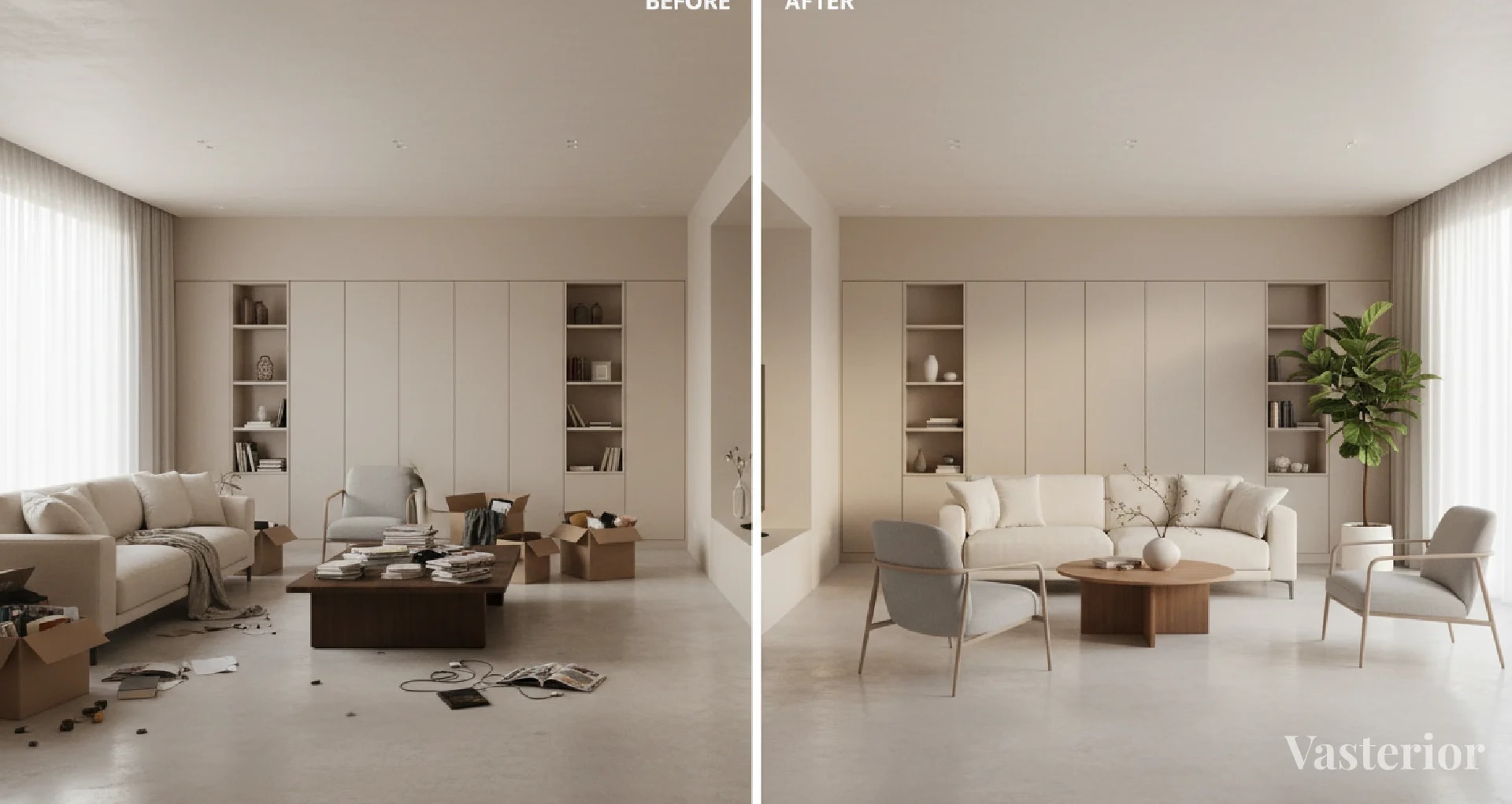
Clutter is not simply untidiness. It represents unresolved stagnation. According to Vastu tips for mental wellbeing, blocked pathways obstruct energy circulation, leading to mental fog and irritability.
Start with the North-East and centre of the home. Remove unused objects. Repair broken items. Eliminate symbolic clutter — old letters, damaged furniture, non-functional décor.
Energy must move. When pathways are clear, so is thought. When surfaces are organised, so are emotions.
Decluttering is not a weekend project. It is an ongoing act of spatial self-respect — a signal to the environment, and to yourself, that clarity is the standard you choose to live within.
Common Emotional Imbalance Indicators in a Home
Certain recurring patterns may indicate spatial disharmony within the home.
- Frequent arguments without clear cause.
- Persistent insomnia despite rest attempts.
- Lack of motivation or sustained focus.
- Financial anxiety despite stable income.
- Emotional distance among family members.
- Recurring sense of heaviness or unease in specific rooms.
While emotional issues are multifaceted, spatial misalignment often amplifies them. Vastu for Emotional Balance does not replace therapy or communication. It complements them by stabilising the environmental foundation on which everything else rests.
How Vasterior Designs for Emotional Alignment
Vasterior approaches homes as energetic ecosystems, not decorative projects. The studio integrates MahaVastu principles for home with contemporary interior design aesthetics. Each project begins with directional mapping and energy analysis.
Rather than imposing rigid prescriptions, Vasterior applies corrective strategies through design — furniture placement, colour zoning, material selection, lighting adjustments, and subtle elemental reinforcement.
The result is not visible symbolism. It is felt equilibrium.
Clients frequently report improved sleep, calmer interactions, and enhanced clarity after spatial realignment. The transformation is subtle yet profound. Beauty is achieved without compromising energetic logic. Functionality aligns with emotional wellbeing.
Stress-free home design is not about luxury alone. It is about intentional architecture.
Conclusion: A Harmonious Home Is Designed, Not Accidental
Your home should not feel like another battleground. It should be a stabilising force in an overstimulated world. Vastu for Emotional Balance offers a systematic approach to reducing tension through design intelligence. When layout, direction, colour, and element integration are aligned, emotional regulation improves organically.
If you sense that your home's energy feels heavier than it should, it may be time to reassess the spatial blueprint. A considered consultation can illuminate imbalances you may not consciously notice.
For thoughtful guidance tailored to your space, Vasterior can be reached at +91 9100883355 or via email at info@vasterior.com for a professional conversation on aligning your home with emotional wellbeing.
A harmonious home is not accidental. It is designed, with awareness, precision, and intention.