Picture this.
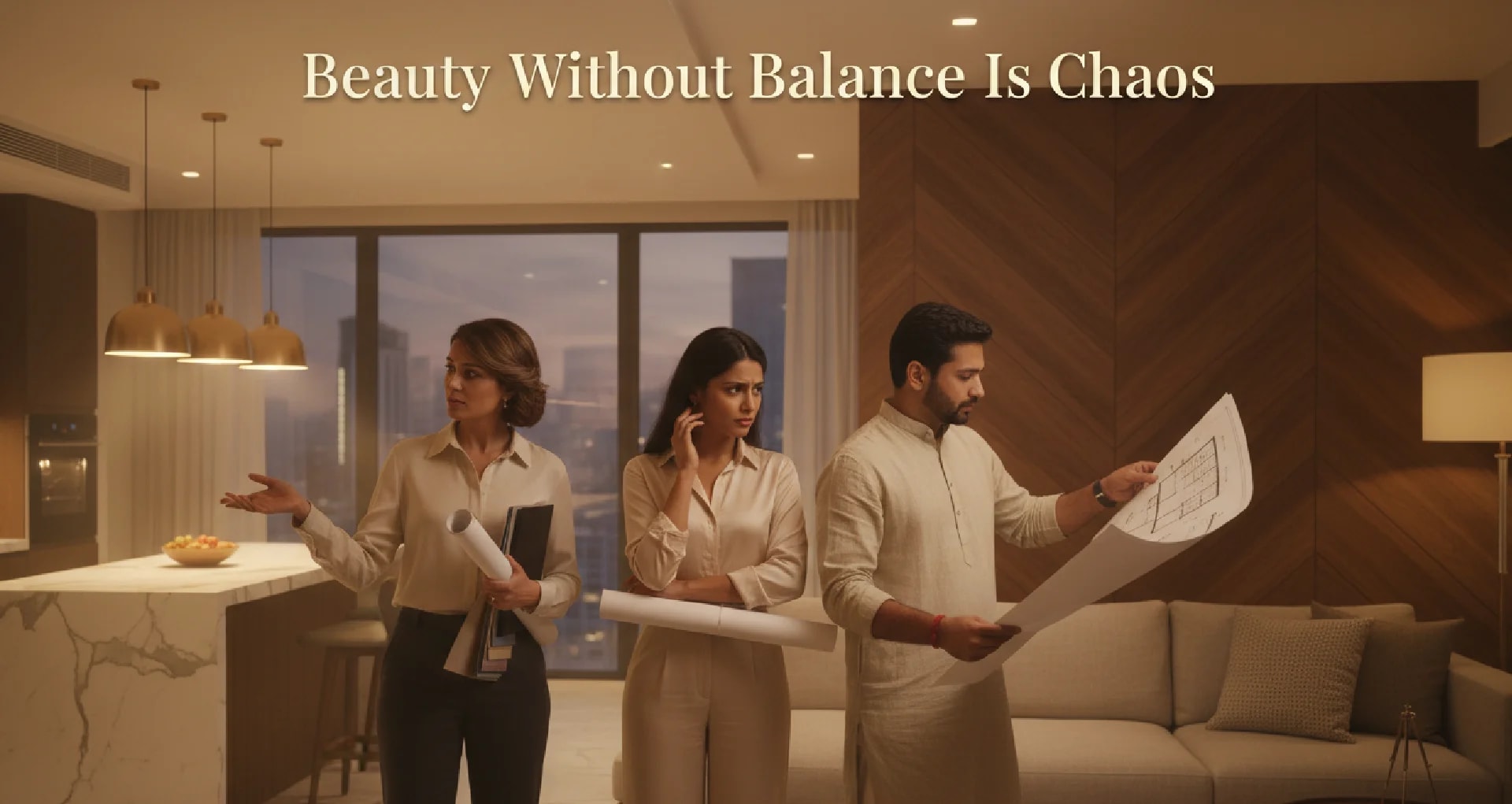
Your interior designer is passionately advocating for an open-concept kitchen with a dramatic island and seamless flow into the living area. It is contemporary, elegant, and very now.
Your Vastu consultant, however, shakes their head firmly. "The kitchen cannot be here. The fire element will be disturbed."
And there you are, caught in the middle, holding architectural drawings and rising invoices.
If your interior designer and Vastu consultant are fighting, you have already lost. Not because either of them is wrong. But because your home has no unified strategy.
A house is not a battleground of opinions. It is a system. And when aesthetics and energy planning operate in isolation, the result is rarely harmonious.
Why This Conflict Happens in the First Place
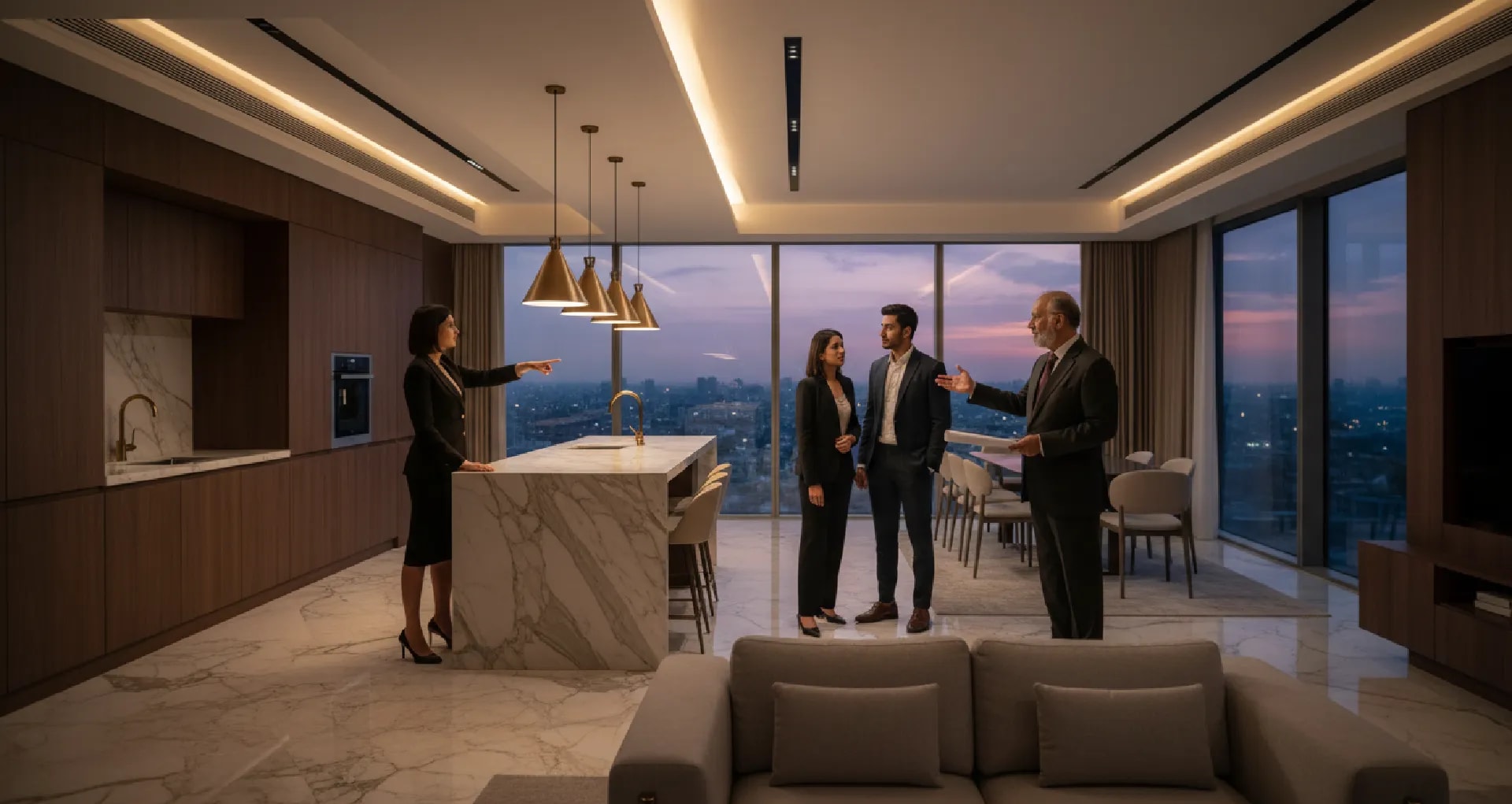
The tension between the interior designer and Vastu consultant usually stems from structural disconnect.
First, there is ego. Design professionals often guard their creative autonomy. Vastu consultants guard tradition and directional science. Without collaboration, both defend their territory.
Second, there is a lack of interdisciplinary understanding. Many designers view Vastu as restrictive superstition. Many Vastu consultants view modern design as indulgent vanity.
Third, timing is often flawed. Vastu considerations are introduced after design concepts are finalised. At that stage, compliance feels like compromise.
In reality, true Vastu compliant interior design is not restrictive. It is strategic spatial intelligence. But when introduced late, it becomes disruptive.
The Hidden Cost of Divided Expertise
This is not merely a philosophical disagreement. It has real financial and functional consequences.
When design and Vastu are misaligned, homeowners face:
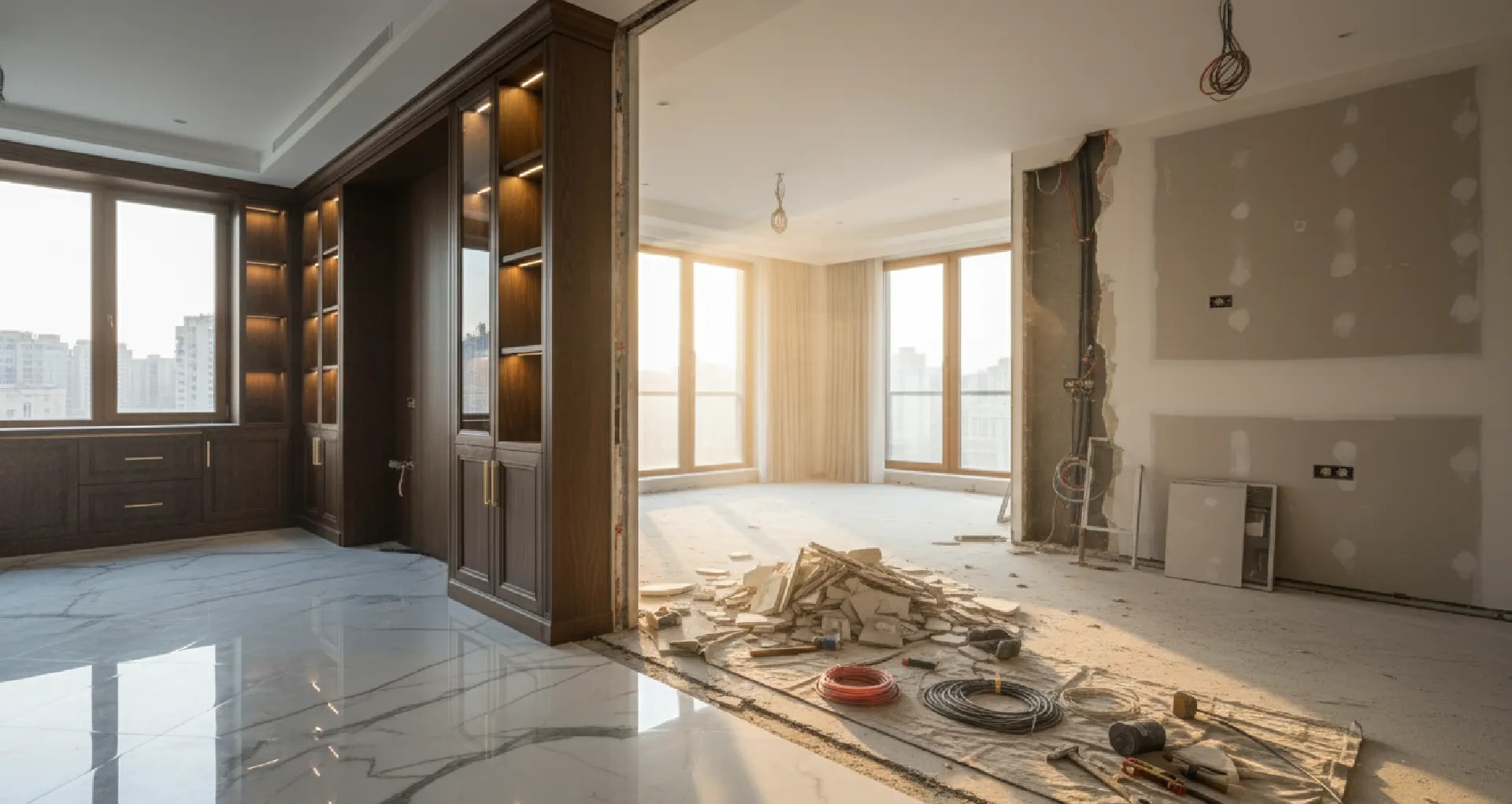
- Structural rework and demolition
- Increased project timelines
- Budget overruns
- Compromised layouts
- Visual incoherence
- Energy imbalance
Imagine investing in bespoke cabinetry, only to relocate the kitchen. Or finalising lighting plans before realising the master bed orientation is incorrect.
The cost is not just monetary. It is emotional. A home that feels "almost right" is far more frustrating than one designed with clarity from the outset.
Holistic home design in India demands foresight, not friction.
The Myth That Vastu Ruins Design
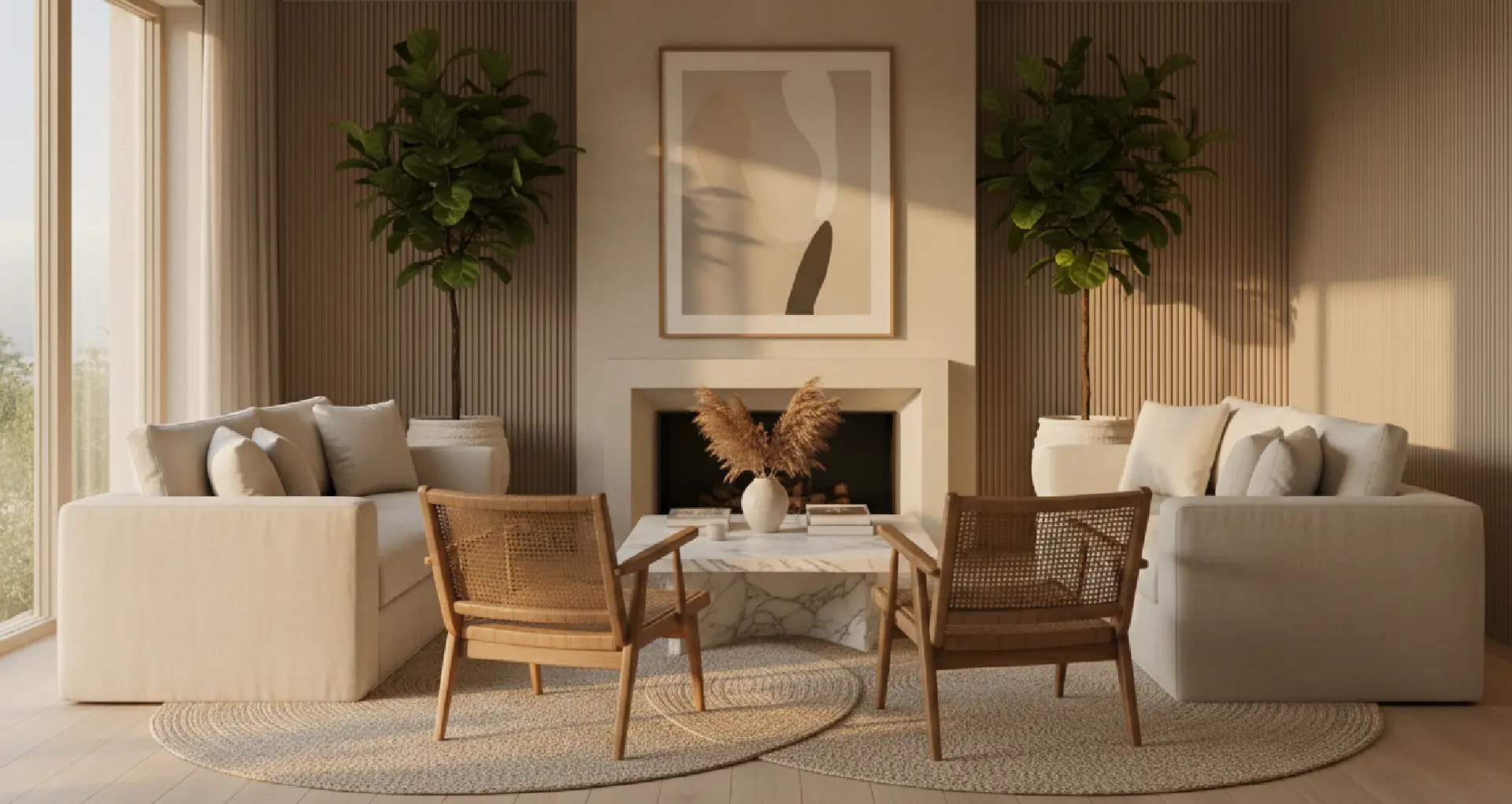
Let us address the elephant in the room.
There is a widespread belief that Vastu for luxury homes leads to boxy layouts, limited creativity, and outdated aesthetics.
That assumption is flawed.
Authentic Vastu aligned interiors focus on:
- Directional flow
- Balance of elements (earth, fire, water, air, space)
- Light distribution
- Spatial proportion
- Functional zoning
These are principles that any seasoned architect would recognise as foundational design logic.
Modern home Vastu does not ask you to sacrifice style. It asks you to optimise placement.
When applied intelligently, Vastu and interior design integration can enhance:
- Natural light utilisation
- Ventilation strategy
- Material selection
- Colour psychology
- Furniture alignment
The result is not compromise. It is coherence.
Why Vastu Compliant Interior Design Must Begin at Concept Stage
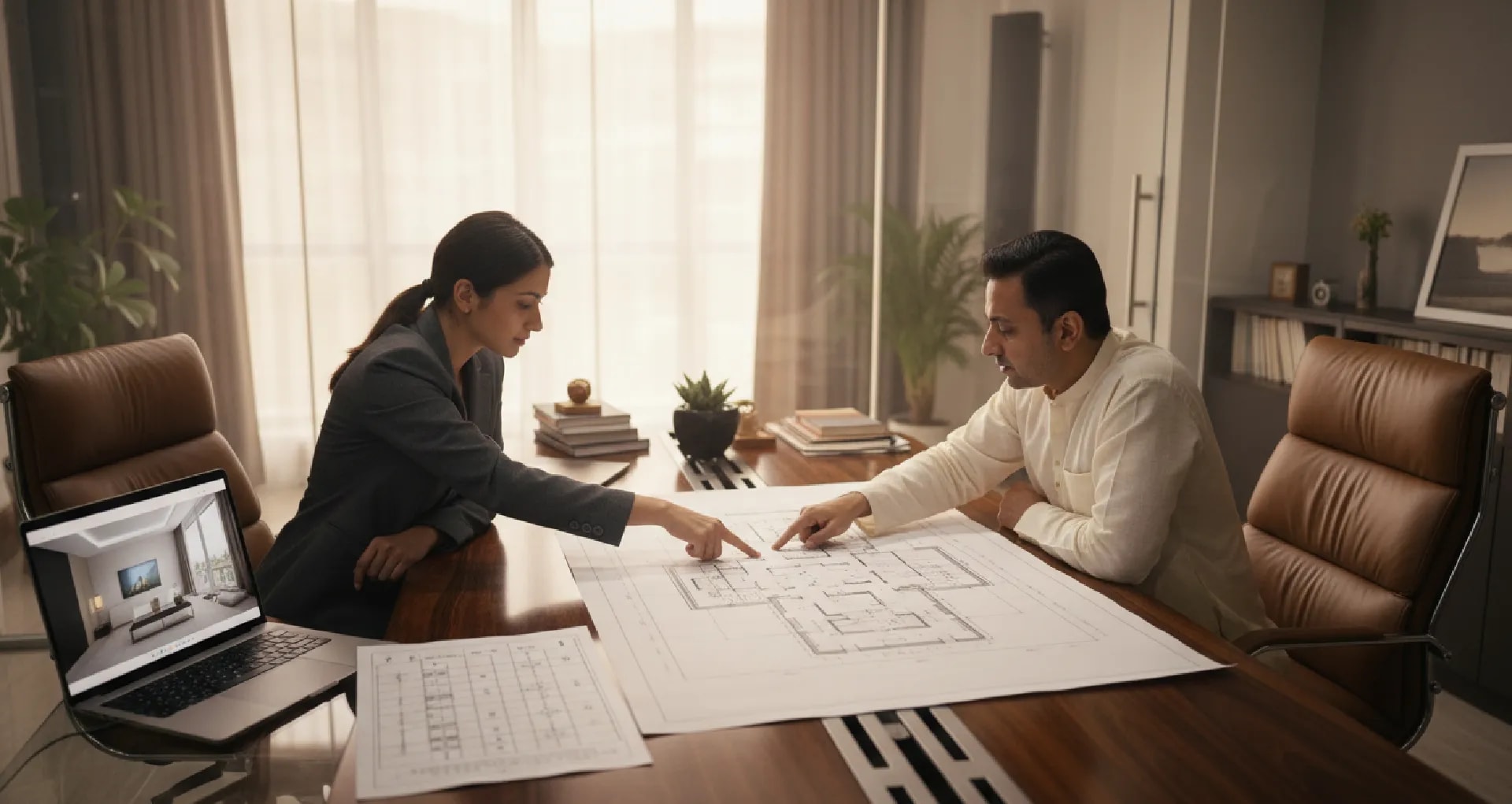
Timing is everything.
Vastu based home design cannot be an afterthought. It must inform planning before structural decisions are locked.
At blueprint stage, you can:
- Align key rooms with directional strengths
- Strategically position entrances
- Plan kitchen and master bedroom placement logically
- Map energy grids before finalising furniture
Once walls are built, flexibility narrows dramatically.
Integrated planning saves cost, prevents rework, and protects design integrity.
The Real Solution: Integrated Design Thinking
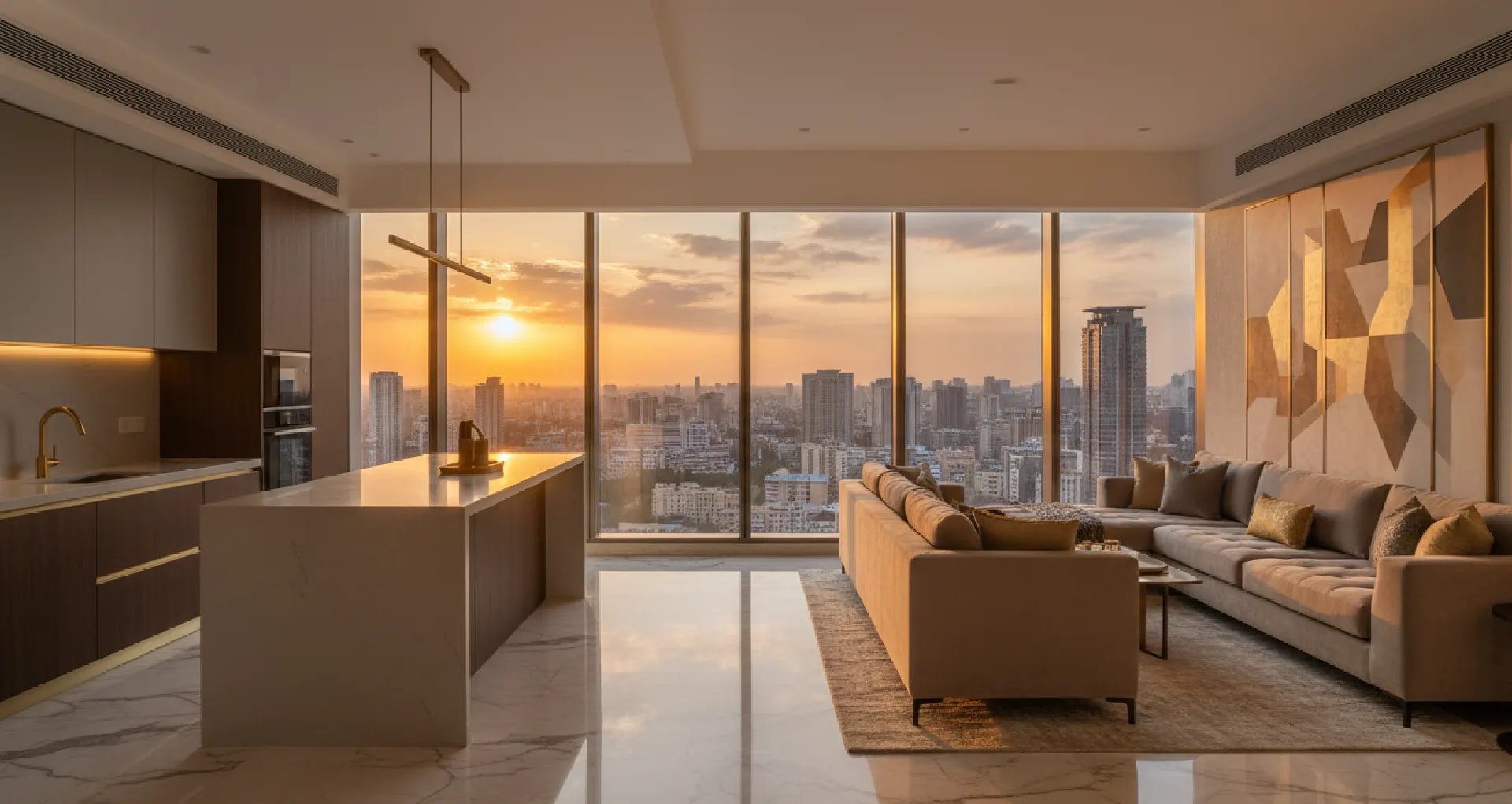
The solution is simple in theory but rare in practice.
Interior design and Vastu must operate under a single vision.
Instead of two professionals working in parallel, often in contradiction, the process must be unified from day one.
Integrated Vastu compliant interior design involves:
- Energy mapping before concept presentation
- Layout planning that respects directional science
- Material palettes aligned with elemental balance
- Lighting plans that complement spatial energy
- Furniture zoning aligned with both aesthetics and orientation
When these disciplines collaborate early, there is no friction. There is refinement.
How Vasterior Bridges the Divide
At Vasterior, design is not an aesthetic layer added to structure. It is a strategic system.
Every project begins with spatial analysis. Directional strengths are identified before creative concepts are drafted. The design narrative evolves alongside Vastu alignment, not in opposition to it.
This approach eliminates the common dilemma faced by homeowners: choosing between beauty and balance.
Instead of redesigning after consultation, Vasterior integrates Vastu and interior design seamlessly into a cohesive luxury experience.
The result is:
- Spatial harmony
- Elevated aesthetics
- Intelligent functionality
- No last-minute structural corrections
This is Vastu aligned interiors done with architectural discipline, not superstition.
A Practical Scenario
Consider a luxury apartment in Hyderabad.
The client envisions a contemporary living space with Italian marble, warm wood accents, and a minimalist open kitchen.
A traditional consultant objects to the kitchen placement. The designer resists relocation due to plumbing and layout constraints.
Without integration, conflict escalates.
With a unified strategy, however, the layout is reinterpreted early. The kitchen orientation is optimised while maintaining open flow. Furniture zoning reinforces energy balance. Lighting layers enhance directional strength.
The aesthetic remains premium. The spatial logic remains intact.
No compromise. No confusion. No renovation regrets.
Strategic Advice for Homeowners
Before hiring professionals, ask the right questions.
- Does your interior designer understand Vastu fundamentals?
- Is Vastu considered at the planning stage or after design approval?
- Are both experts willing to collaborate?
- Is there a unified execution roadmap?
Red flags include:
- Vastu consultation introduced post-construction
- Designers dismissing directional science entirely
- Consultants rejecting modern layouts outright
- Frequent redesign revisions
Your home is not a patchwork of opinions. It must be an integrated system.
Why This Matters More Than Ever
Urban homes today are compact yet complex. Apartments demand precision. Luxury villas demand scale.
Energy planning without design sensitivity feels rigid. Design without spatial alignment feels incomplete.
Vastu compliant interior design is not about belief. It is about strategic living.
It ensures your bedroom promotes rest, your kitchen supports vitality, your entrance invites opportunity, and your living space encourages connection.
That is not mysticism. That is intelligent spatial planning.
Final Thoughts
If your interior designer and Vastu consultant are fighting, the project has already failed at the strategic level.
Because the problem is not disagreement. The problem is fragmentation.
You should never have to choose between a home that looks extraordinary and one that feels aligned.
For homeowners who value both aesthetic excellence and spatial intelligence, integration is not optional. It is essential.
If you are planning a new home or redesigning your current space and wish to explore a unified approach, you may connect discreetly with the Vasterior team for guidance at +91 9100883355 or via info@vasterior.com. A brief consultation can clarify more than months of conflicting advice.
Design and direction should never compete. They should collaborate.