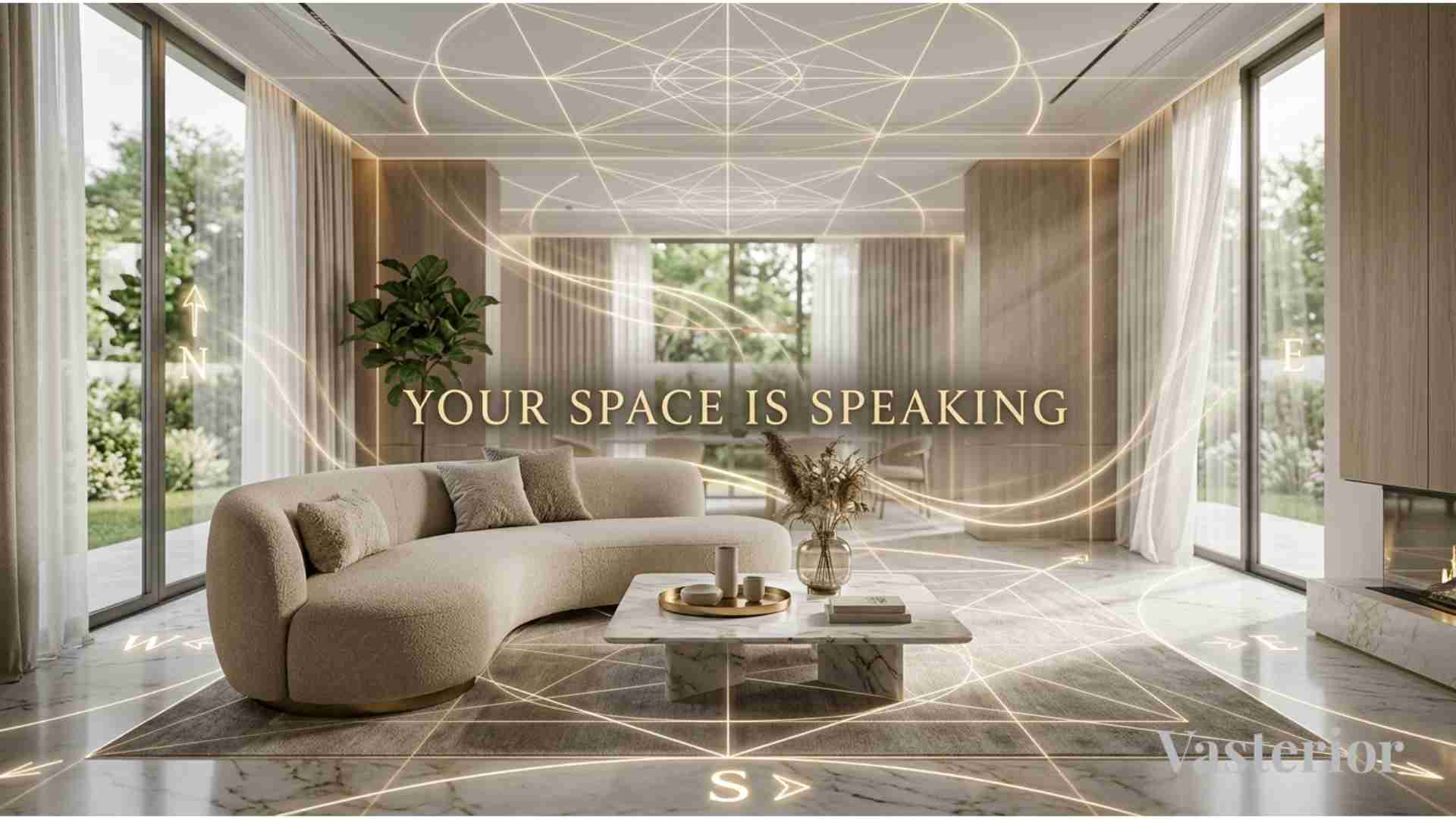
You walk into certain spaces and instantly feel calm. Others? Slightly off. Heavy. Distracting. Almost like something isn't clicking.
That's not random.
What most people call "vibes" is actually something far more structured — an invisible system of energy patterns embedded into your surroundings. Your home isn't just decorated; it's coded. Every wall, direction, colour palette, and furniture placement contributes to what can only be described as an energy blueprint.
And here's the truth most designers won't tell you: aesthetics without alignment is incomplete.
This is where Vastu interior design steps in — not as tradition, but as a framework that bridges space, energy, and human experience. When done right, your home doesn't just look good. It starts working for you.
What Is an Energy Blueprint in Interior Design?
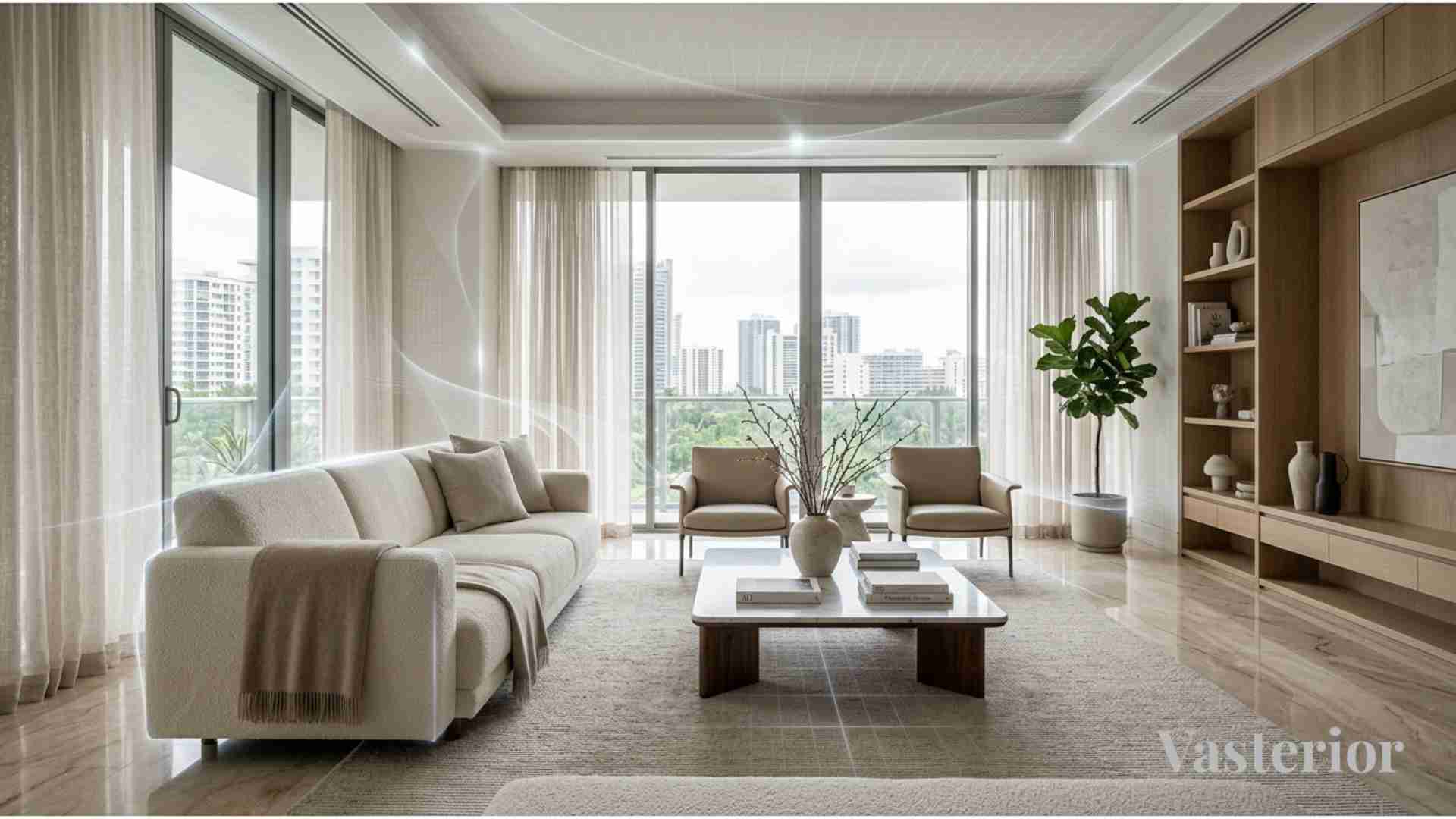
Think of your home like a system rather than a structure.
An energy blueprint is the underlying energetic layout of your space — how directional forces, elements, and spatial arrangements interact with your daily life. It governs how energy flows, where it stagnates, and how it influences your thoughts, decisions, and outcomes.
In interior design with Vastu, this blueprint is not guessed — it's decoded.
For instance:
- A misplaced mirror isn't just a design flaw — it can distort energy flow
- A poorly aligned entrance can subtly affect opportunities
- A cluttered northeast can disrupt clarity and growth
This isn't superstition. It's spatial psychology combined with centuries of observation, now refined through MahaVastu principles for home.
The Invisible Forces Shaping Your Everyday Life
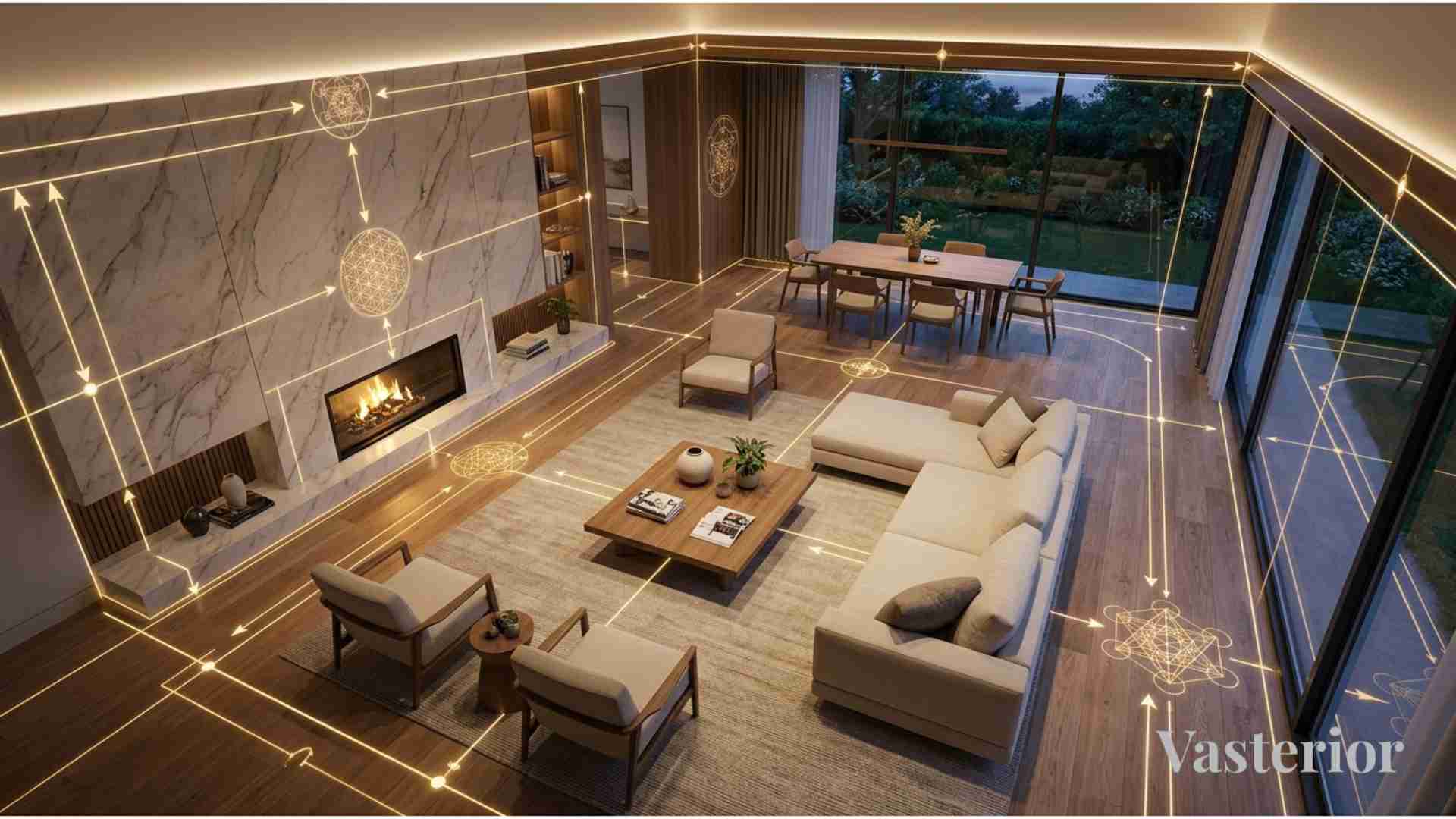
Every home operates on five core elements:
- Fire (Agni) – energy, transformation, ambition
- Water (Jal) – flow, emotions, opportunities
- Air (Vayu) – movement, communication
- Earth (Prithvi) – stability, grounding
- Space (Aakash) – expansion, possibility
Now layer this with direction.
Each direction in your home carries a specific energetic frequency. When aligned correctly, it amplifies growth. When ignored, it creates friction you can't always explain — but you definitely feel.
Ever noticed:
- You feel unusually tired in a particular room?
- Work feels harder at home than anywhere else?
- You're stuck despite doing "everything right"?
That's often misaligned energy in home design — not lack of effort.
Where Most Modern Interiors Go Wrong
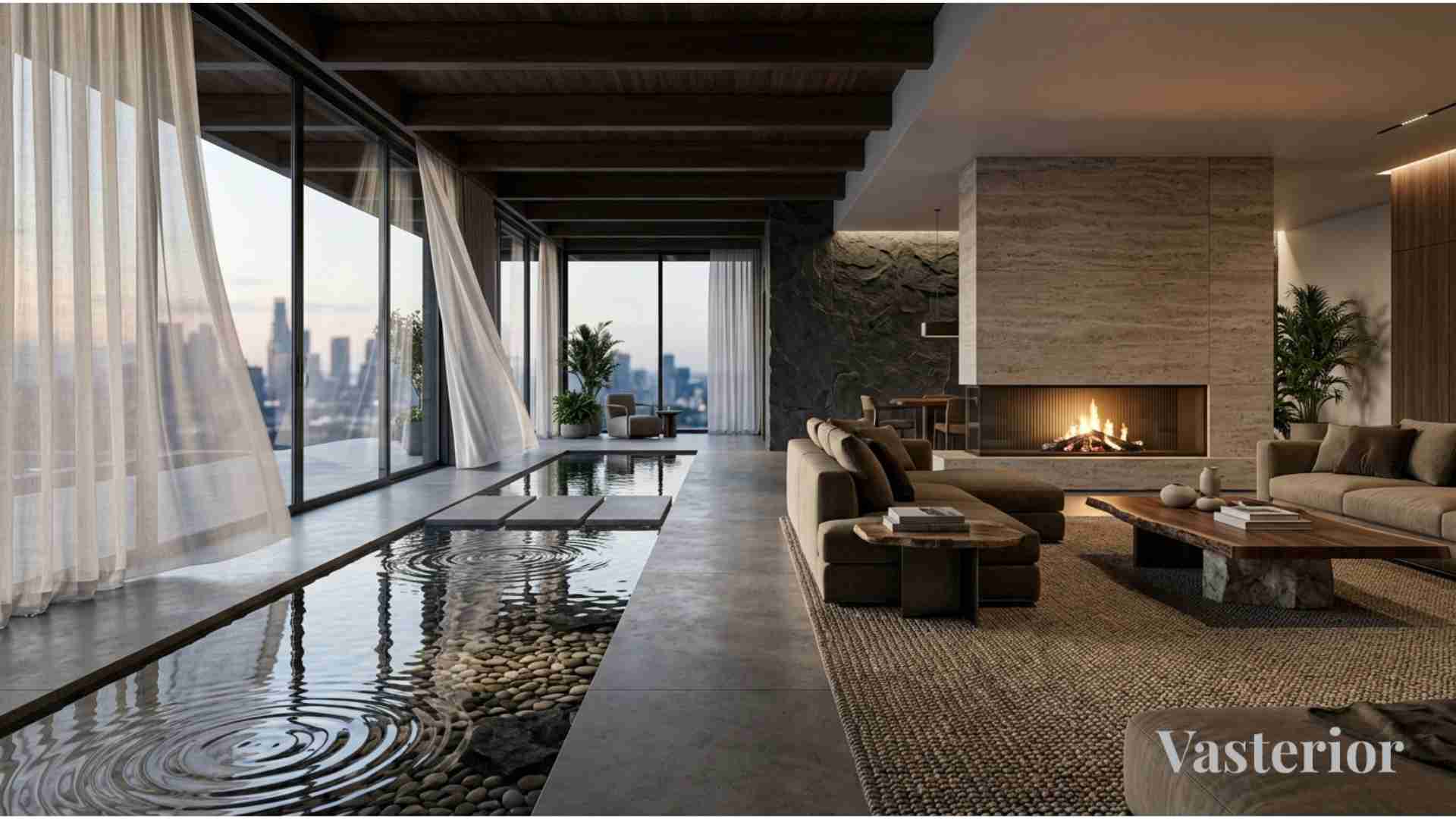
Here's the uncomfortable reality: most interiors today are built for Instagram, not for life.
Trends dominate decisions — open kitchens, statement mirrors, dark palettes, asymmetrical layouts. They look stunning. But they rarely consider energy alignment in interiors.
What gets ignored?
- Directional balance
- Elemental harmony
- Functional energy zones
The result? Spaces that look luxurious but feel exhausting. Homes that impress guests but drain the people living in them.
Ignoring Vastu for interiors doesn't just affect aesthetics — it impacts:
- Mental clarity
- Relationship dynamics
- Financial flow
- Overall sense of ease
The Power of MahaVastu in Interior Design
Traditional Vastu gives principles. MahaVastu refines them into precise, result-oriented corrections.
Instead of vague advice like "keep this here," MahaVastu focuses on:
- Direction-specific energy activation
- Problem-solution mapping
- Practical remedies without structural changes
This makes it incredibly relevant for modern homes, apartments, and even commercial spaces.
In Vastu interior design, MahaVastu acts like a diagnostic tool. It doesn't just tell you what's wrong — it shows you how to fix it strategically.
Room-by-Room Energy Breakdown
Living Room: The Energy Gateway
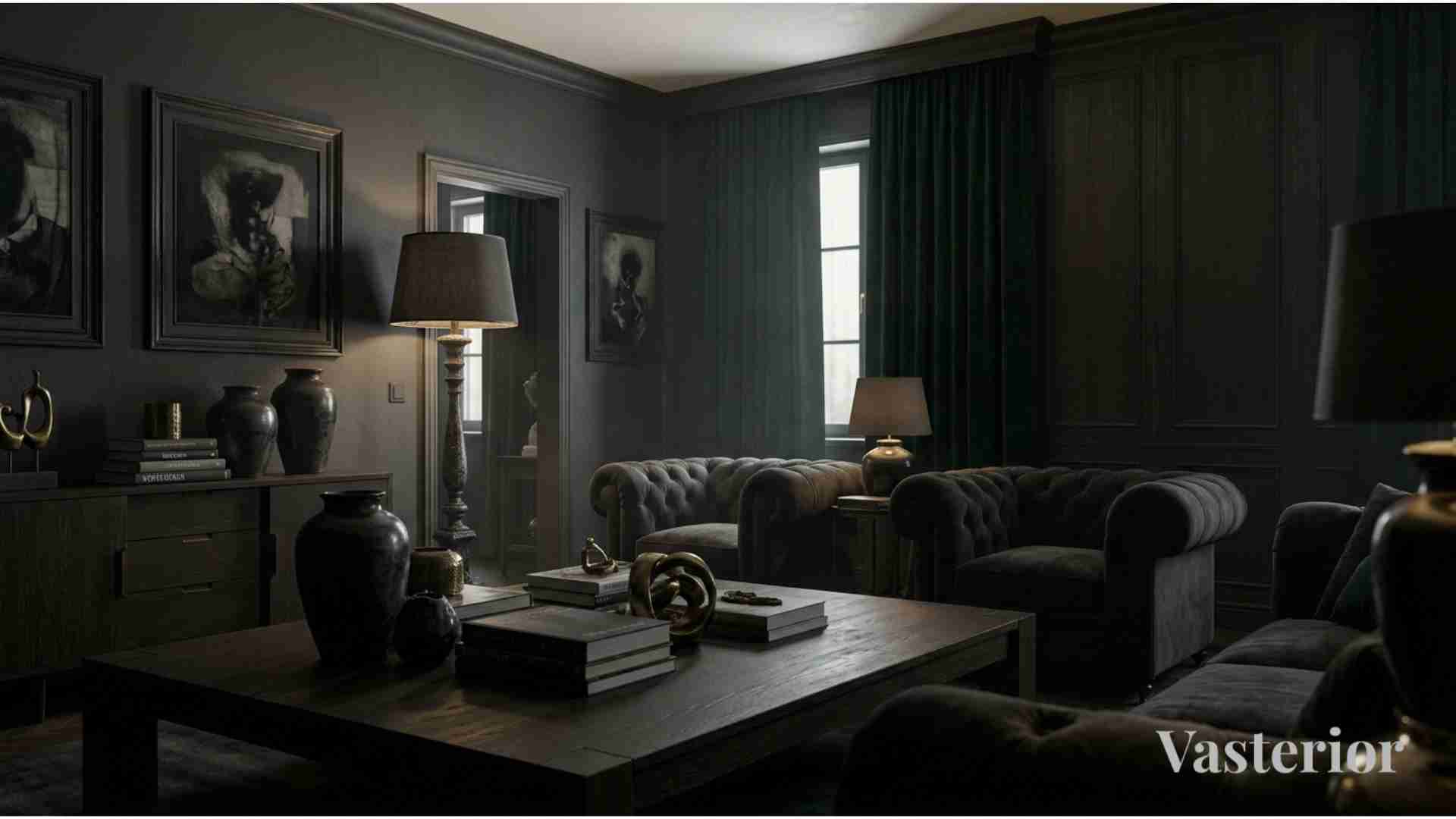
- Ideal: Open, well-lit, clutter-free
- Avoid: Heavy furniture blocking flow
- Impact: Influences social energy and opportunities
Bedroom: Your Energy Reset Zone
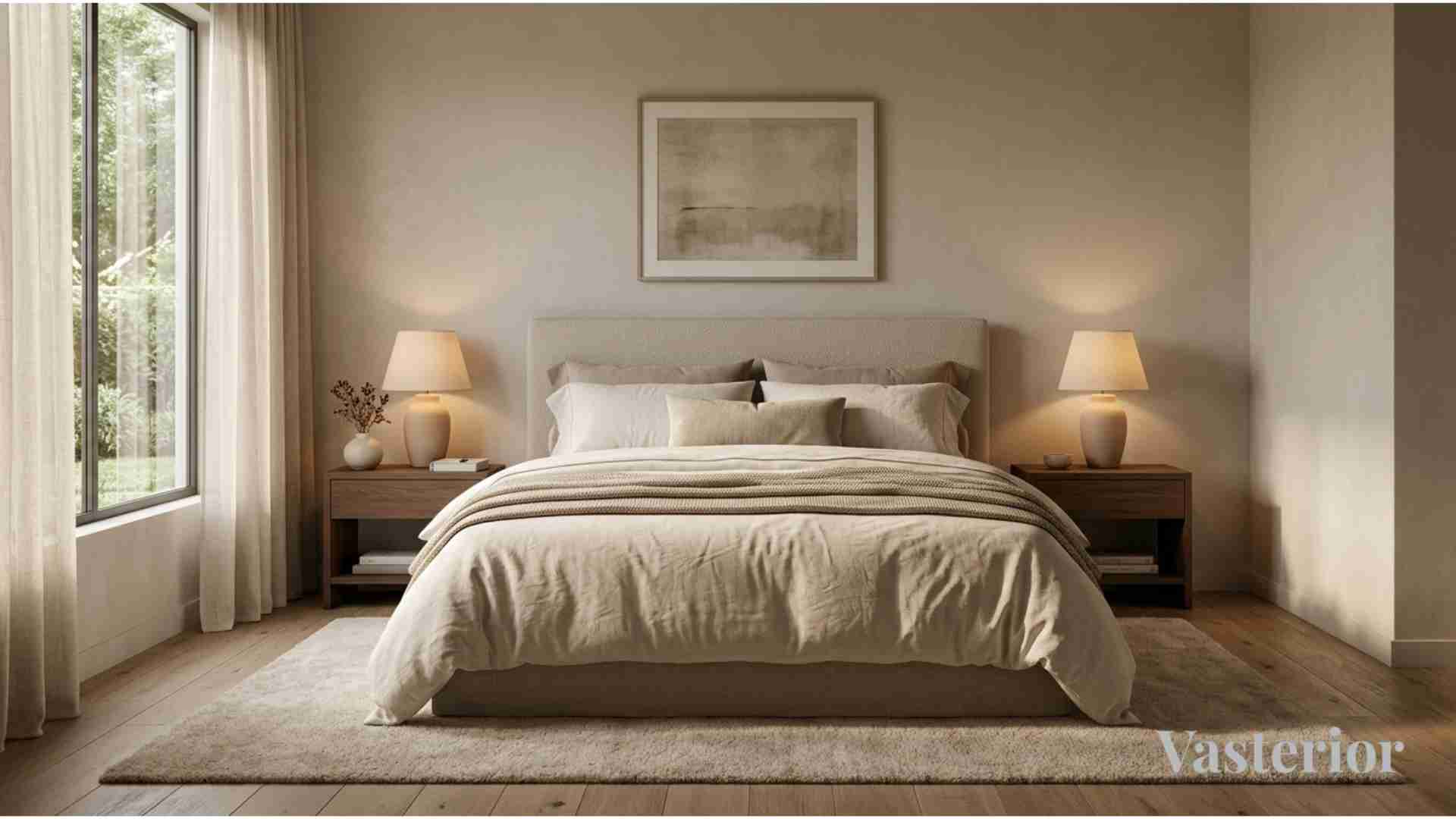
- Ideal: Balanced colours, proper bed direction
- Avoid: Mirrors facing the bed
- Impact: Affects sleep, relationships, mental peace
Kitchen: The Wealth Generator
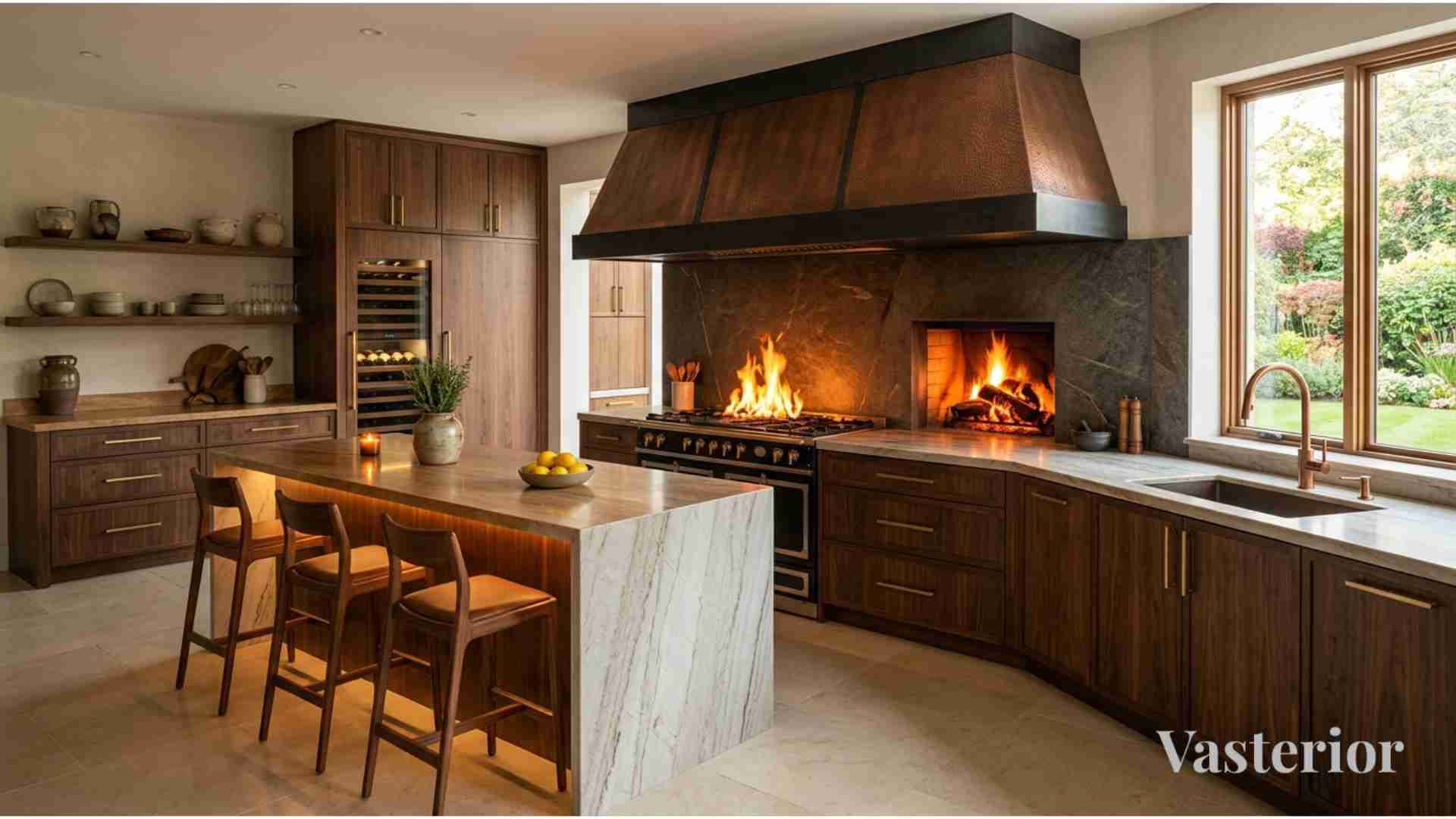
- Ideal: Fire element aligned correctly (usually southeast)
- Avoid: Water and fire clashing
- Impact: Direct link to financial stability
Workspace: The Productivity Engine
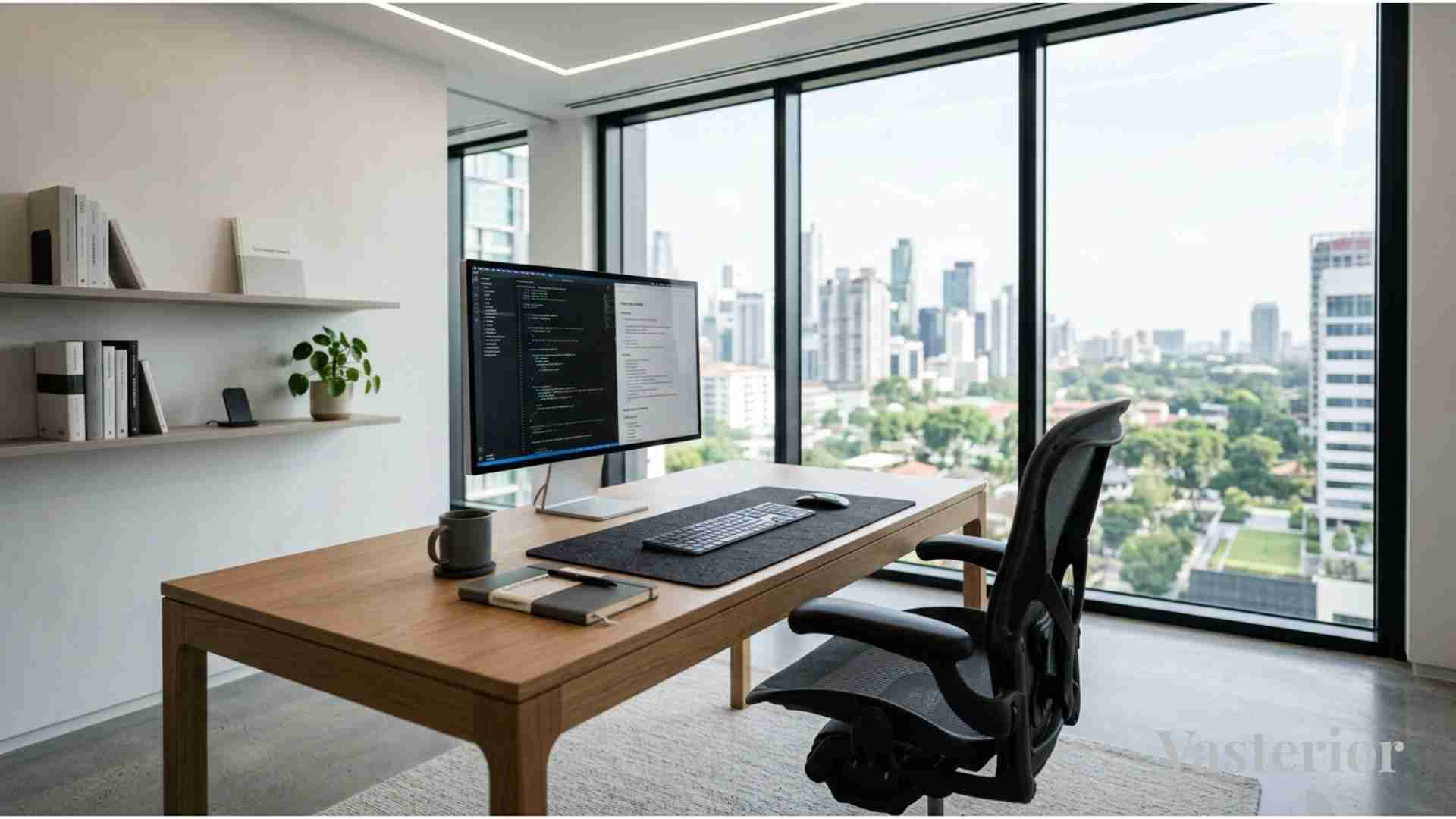
- Ideal: Facing a direction that enhances focus
- Avoid: Back facing entrance
- Impact: Career growth and decision-making clarity
Entrance: The Energy Portal
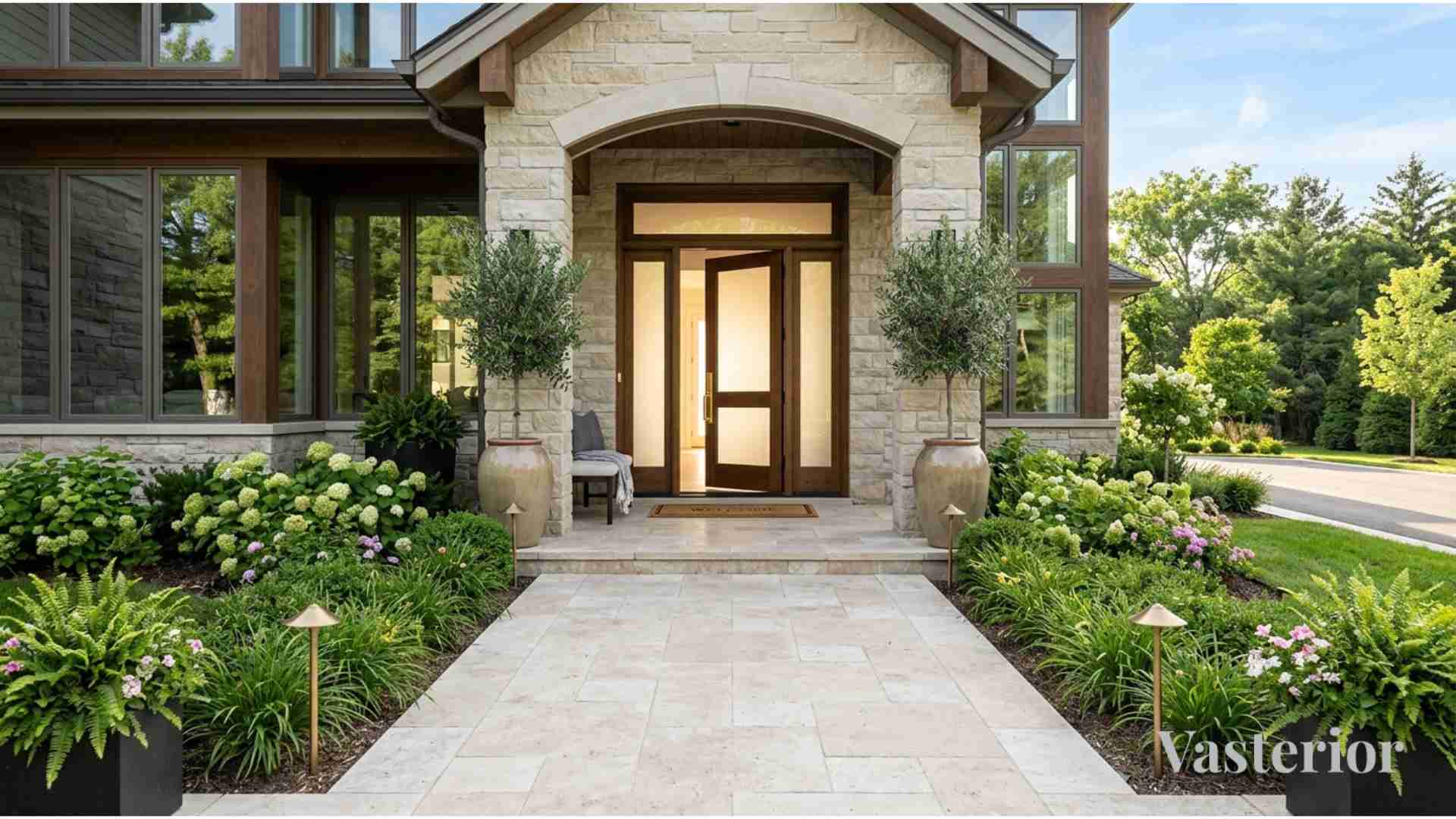
- Ideal: Clean, inviting, energetically open
- Avoid: Obstructions, dull lighting
- Impact: Determines what kind of energy enters your life
Signs Your Home's Energy Blueprint Is Misaligned
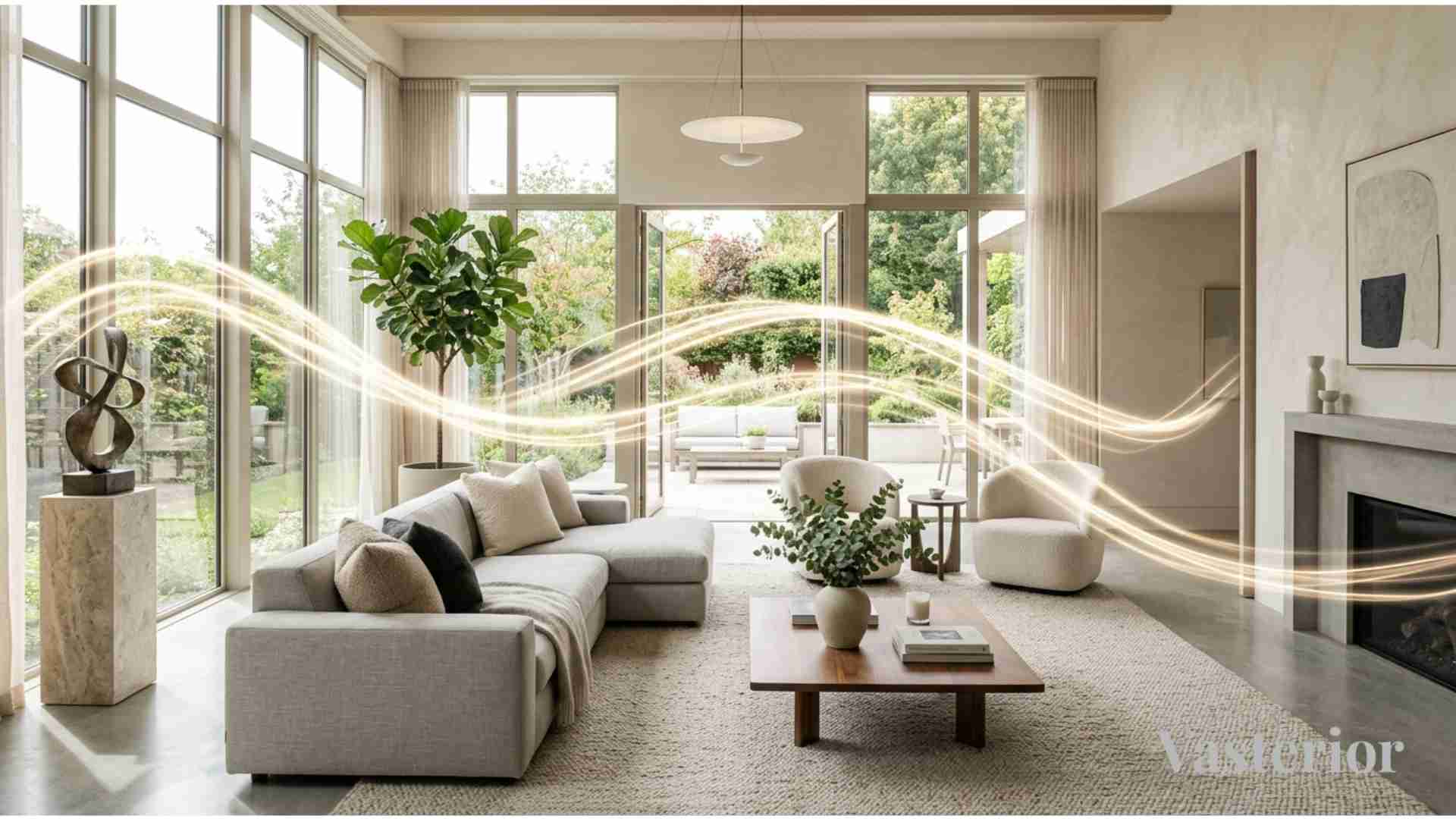
Not everything shows up dramatically. Sometimes it's subtle.
Look out for:
- Constant delays despite effort
- Frequent misunderstandings at home
- Low motivation or unexplained fatigue
- Financial stagnation
- Feeling "stuck" without a clear reason
These are often symptoms of imbalanced Vastu interior design — not personal failure.
How Vasterior Transforms Spaces Beyond Aesthetics
This is where things shift.
Vasterior doesn't approach design as decoration — it approaches it as energy engineering.
Imagine this: A home that looked flawless on the surface but had:
- Poor sleep patterns
- Business stagnation
- Constant restlessness
Instead of redesigning everything, subtle MahaVastu corrections were introduced:
- Directional activations
- Element balancing
- Strategic placements
Within weeks, the space felt lighter. Decisions became clearer. Momentum returned.
That's the difference between styling a home… and aligning it.
The Emotional & Psychological Shift of an Aligned Space
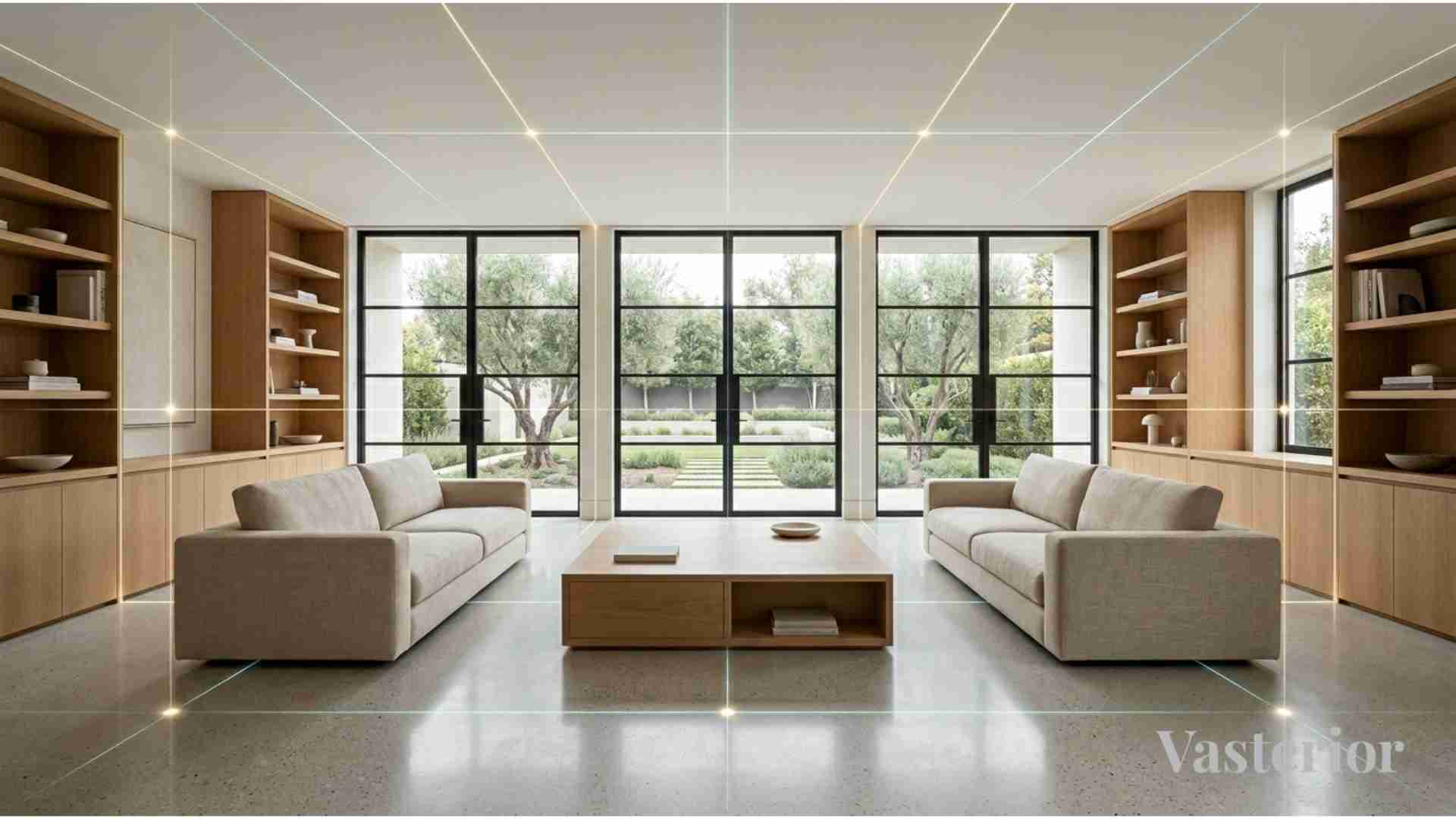
When your space aligns, you notice it instantly.
- You wake up clearer
- Work feels smoother
- Conversations feel lighter
- Opportunities start showing up without force
It's not magic. It's alignment.
Your home stops being just a place you live in… and starts becoming a system that supports who you're becoming.
If You've Ever Felt Your Space Could Do More for You…
There's a reason that thought keeps coming back.
Sometimes, it's not about changing your goals, your routine, or your effort.
Sometimes, it's about changing the energy blueprint you're operating in.
If you're curious to understand what your space might be holding — or blocking — you can explore it further with Vasterior. A simple conversation at +91 9100883355 or a thoughtful query at info@vasterior.com could be the starting point of a very different experience of your own home.
No pressure. Just perspective.
FAQs: Vastu Interior Design & Energy Alignment
1. What is Vastu interior design?
It is the practice of designing interiors based on directional energy, elemental balance, and spatial alignment to enhance well-being and success.
2. Does Vastu really affect energy in a home?
Yes, Vastu influences how energy flows within a space, which can impact mental clarity, relationships, and productivity.
3. What is the difference between Vastu and MahaVastu?
Vastu provides traditional guidelines, while MahaVastu offers precise, practical solutions based on energy mapping.
4. Can existing homes be corrected without reconstruction?
Absolutely. MahaVastu focuses on remedies that do not require demolition or major structural changes.
5. How do I know if my home has negative energy?
Signs include constant stress, lack of progress, health issues, or a general feeling of heaviness in the space.
6. Which direction is best for a bedroom according to Vastu?
Southwest is generally considered ideal for stability and restful sleep.
7. Is Vastu relevant for modern apartments?
Yes, Vastu principles can be adapted to any space, including compact urban homes.