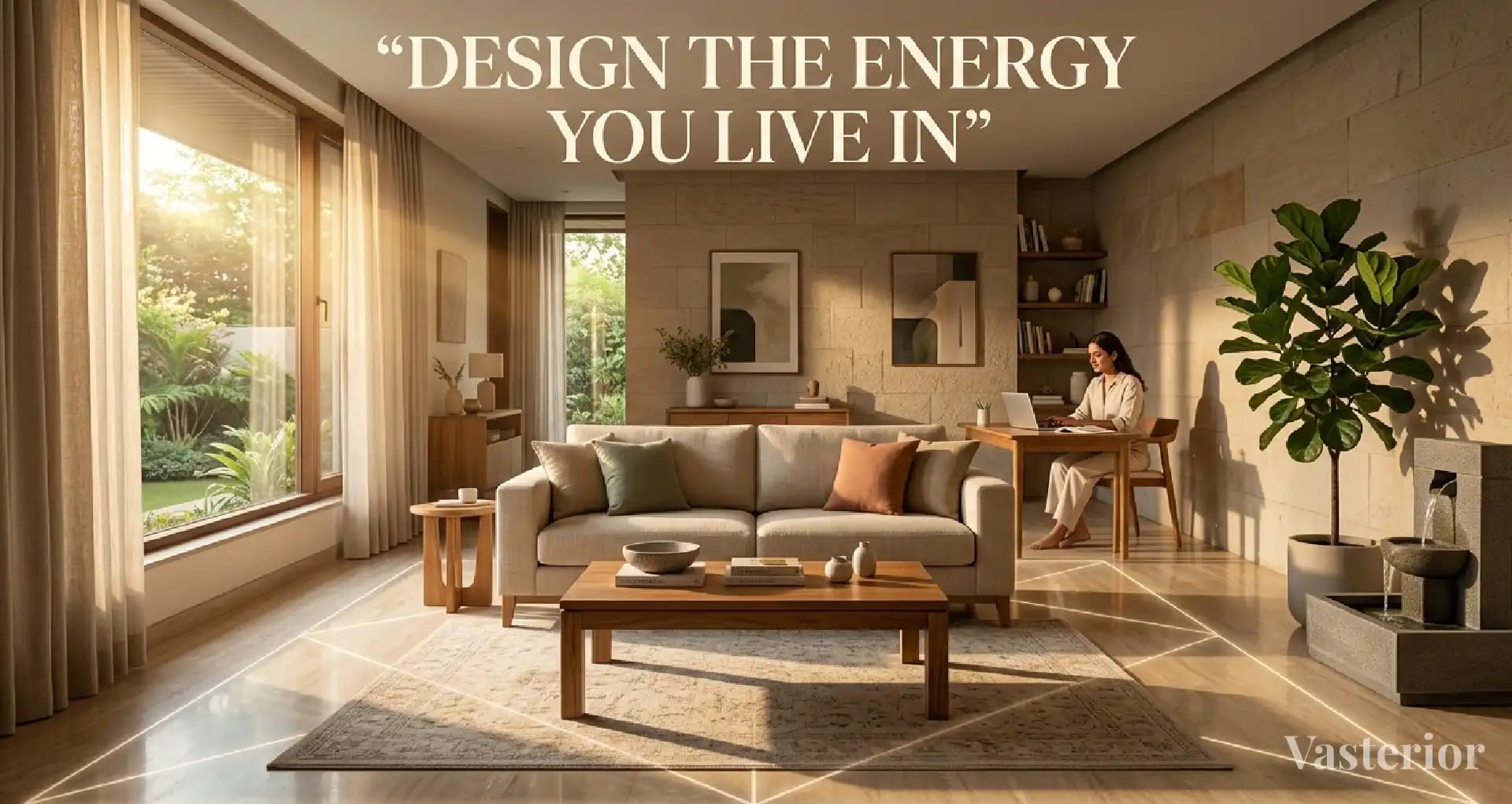
PS Decor understands that a home is far more than a physical structure made of walls, furniture, and décor. It is a living environment that subtly shapes the way people think, feel, and function every single day. The arrangement of spaces, the direction of rooms, and the flow of movement within a home all contribute to an invisible yet powerful psychological influence on its occupants.
For centuries, Vastu Shastra, the ancient Indian science of spatial design, has emphasised the connection between built environments and human wellbeing. While often viewed purely through a spiritual lens, Vastu also carries a remarkable overlap with modern environmental psychology, a field that studies how physical spaces influence behaviour, emotions, and cognitive performance.
Today, as people become more mindful of mental wellbeing, productivity, and lifestyle balance, the principles of Vastu are finding renewed relevance. Whether it is a bedroom designed for deep rest, a workspace that promotes focus, or a living area that encourages harmony among family members, interior layouts can dramatically influence the psychological atmosphere of a home.
Understanding the psychology behind Vastu allows homeowners to create interiors that feel naturally balanced, energising, and comforting. When the layout of a space aligns with natural elements and directional energies, it does more than simply look aesthetically pleasing, it fosters a deeper sense of calm, clarity, and productivity.
Understanding the Psychology Behind Spaces
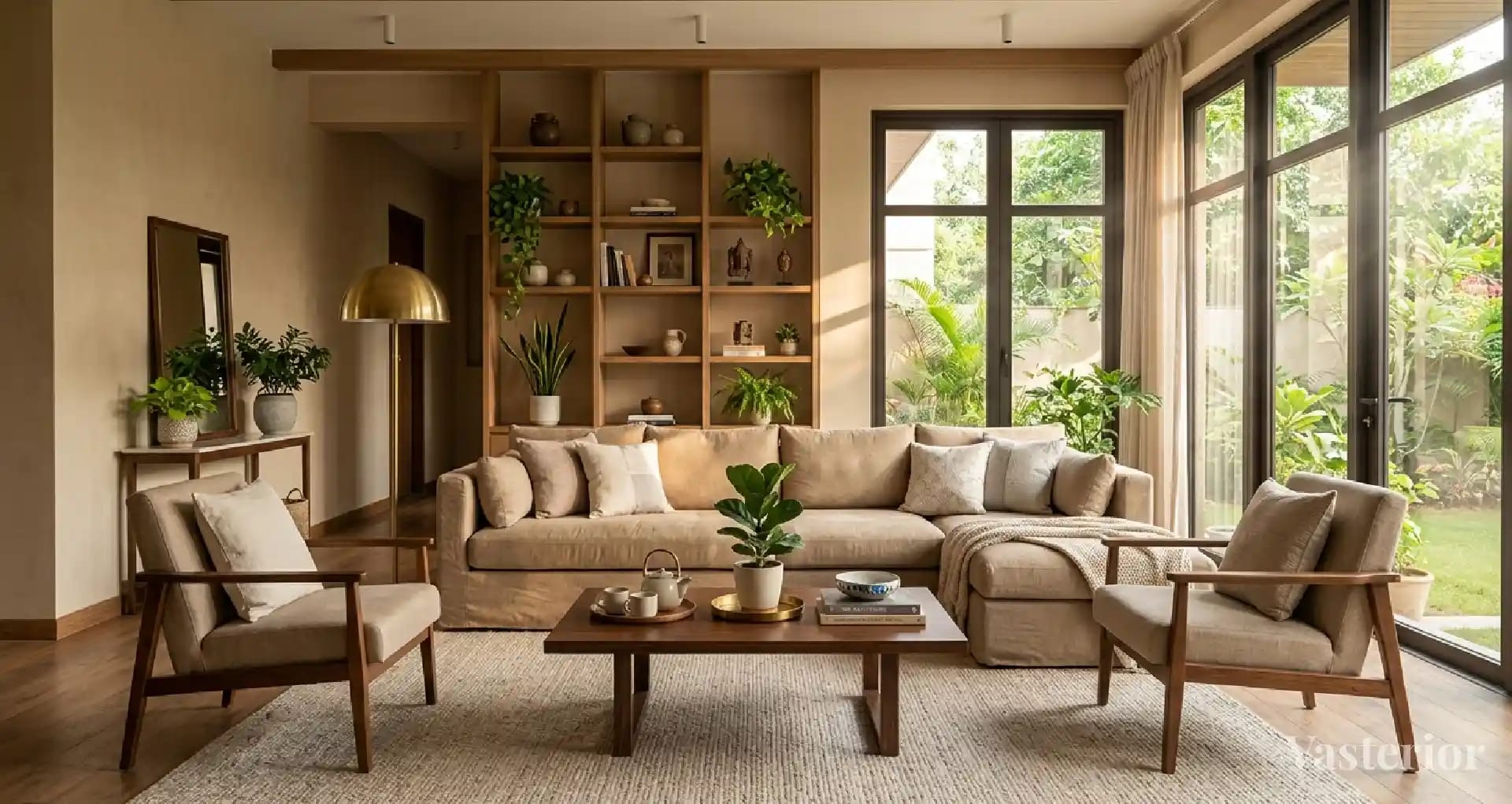
Human beings respond instinctively to their surroundings. A cluttered room can induce stress, a bright open space can lift mood, and a thoughtfully organised workspace can enhance concentration. These responses are not accidental; they are rooted in environmental psychology.
The layout of a room influences how people move through it, how comfortable they feel, and how easily they can focus. Several spatial elements play a crucial role in shaping these psychological responses.
Key factors include:
- Natural light exposure and its impact on circadian rhythms
- Spatial openness versus congestion
- Furniture placement and movement flow
- Visual balance and symmetry
- Colour and material choices
For example, poorly arranged furniture can create subtle tension within a room, while a well-balanced layout allows energy and movement to flow naturally. This is precisely where Vastu principles align with modern psychological insights.
Vastu does not simply dictate where objects should be placed; it focuses on harmonising space with natural forces. When layouts are aligned with natural energy flows, individuals often report feeling calmer, more focused, and emotionally balanced.
In essence, the psychological power of interior design lies in its ability to shape experiences. A well-designed environment can influence everything from mood stability to productivity levels.
What is Vastu Shastra? The Ancient Science of Spatial Energy
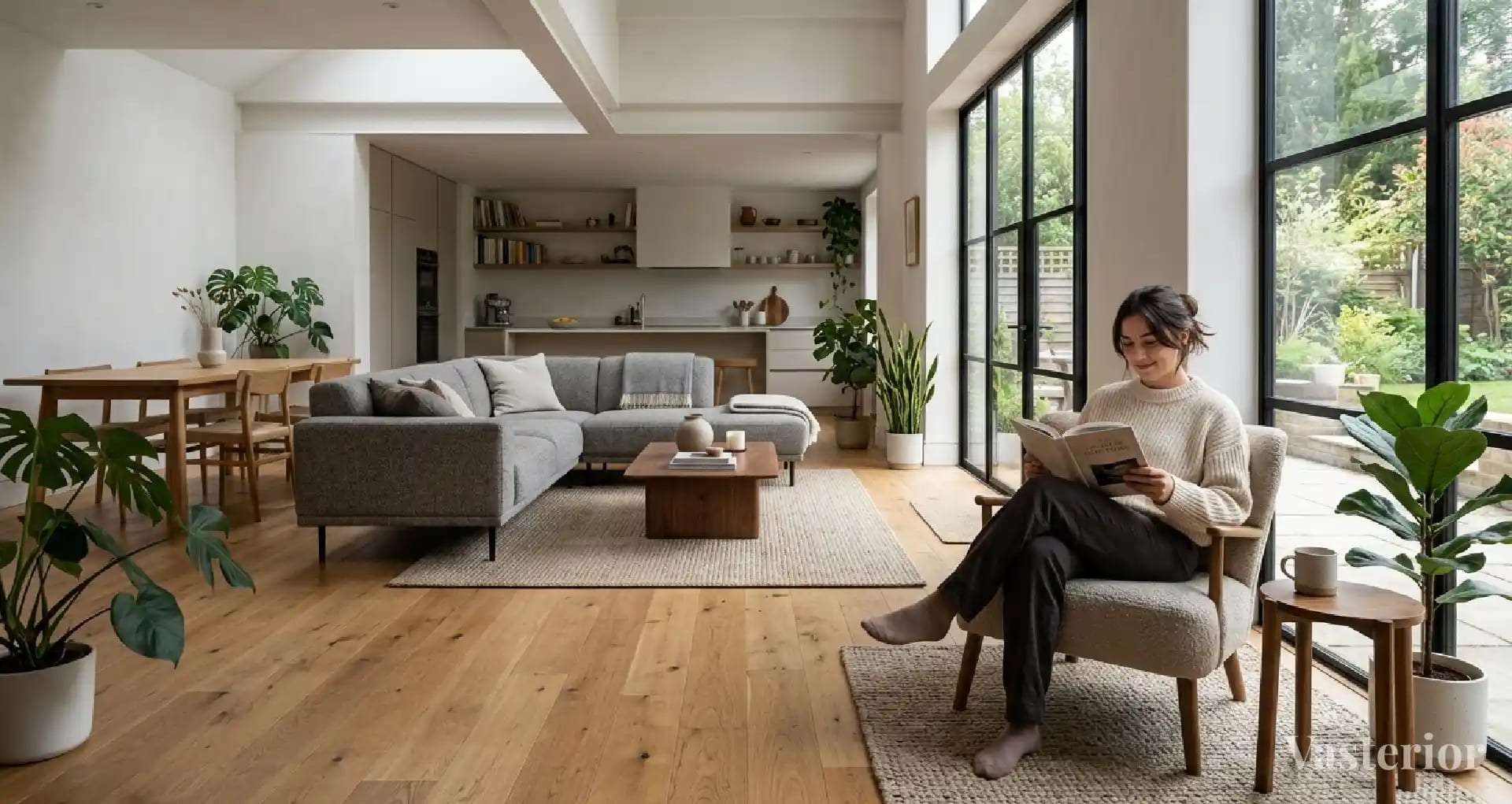
Vastu Shastra is often described as the science of architecture and spatial harmony that originated in ancient India thousands of years ago. Rooted in the principles of nature, it guides the design and layout of buildings to ensure alignment with cosmic and environmental energies.
At the heart of Vastu lies the belief that every space interacts with the five natural elements, also known as the Pancha Mahabhutas:
- Earth (Prithvi) – Stability and grounding
- Water (Jal) – Flow and emotional balance
- Fire (Agni) – Energy and transformation
- Air (Vayu) – Movement and vitality
- Space (Akash) – Expansion and openness
These elements interact with cardinal directions, each carrying a distinct energetic quality. For instance, the east is associated with sunrise and vitality, while the north symbolises prosperity and growth.
Vastu principles aim to ensure that architectural layouts align with these directional energies so that homes naturally support wellbeing and harmony.
Interestingly, many modern architects and interior designers acknowledge that these principles mirror contemporary design logic. Proper ventilation, access to daylight, and balanced spatial distribution all contribute to healthier living environments.
Thus, Vastu can be understood not merely as tradition but as a holistic approach to designing psychologically supportive spaces.
How Interior Layouts Influence Energy Flow
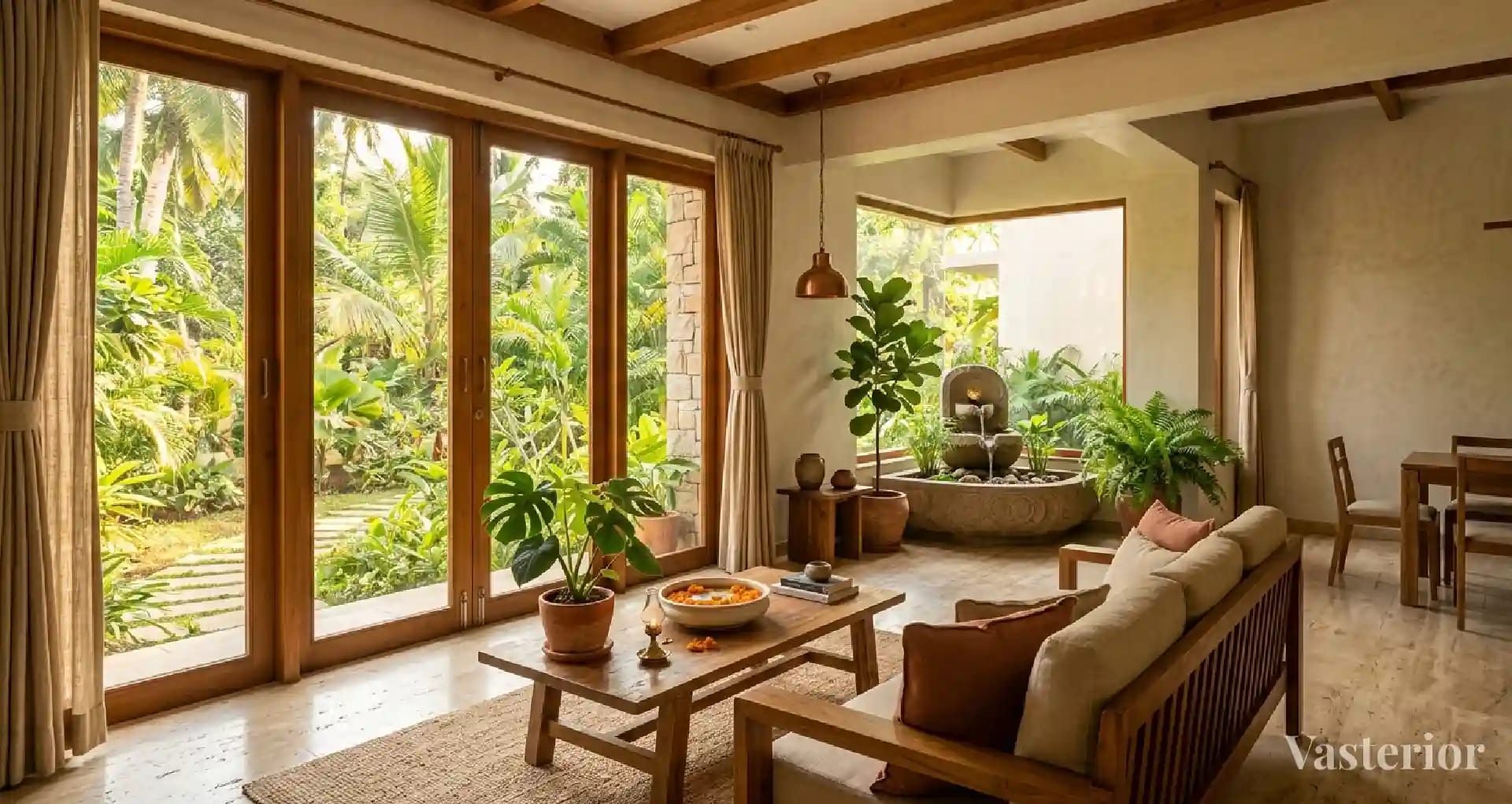
The concept of energy flow is central to Vastu philosophy. While it may sound abstract, the idea closely resembles modern design concepts related to movement pathways, spatial openness, and visual continuity.
When spaces are arranged thoughtfully, energy moves freely through the home, creating an atmosphere that feels light and welcoming. Conversely, poorly planned layouts can lead to stagnation, discomfort, and subconscious stress.
Certain aspects of interior layouts significantly influence energy flow.
Entrance positioning: The entrance is considered the primary gateway through which energy enters a home. A well-lit, unobstructed entrance invites positivity, whereas cluttered entryways can block energetic movement.
Furniture placement: Furniture should support natural movement rather than restrict it. Large items positioned awkwardly can create energetic blockages that affect the psychological comfort of the room.
Room orientation: The direction in which rooms face influences their functional energy. Bedrooms aligned for restful energy, kitchens placed in fire-supportive directions, and workspaces facing productivity-enhancing directions all contribute to better living experiences.
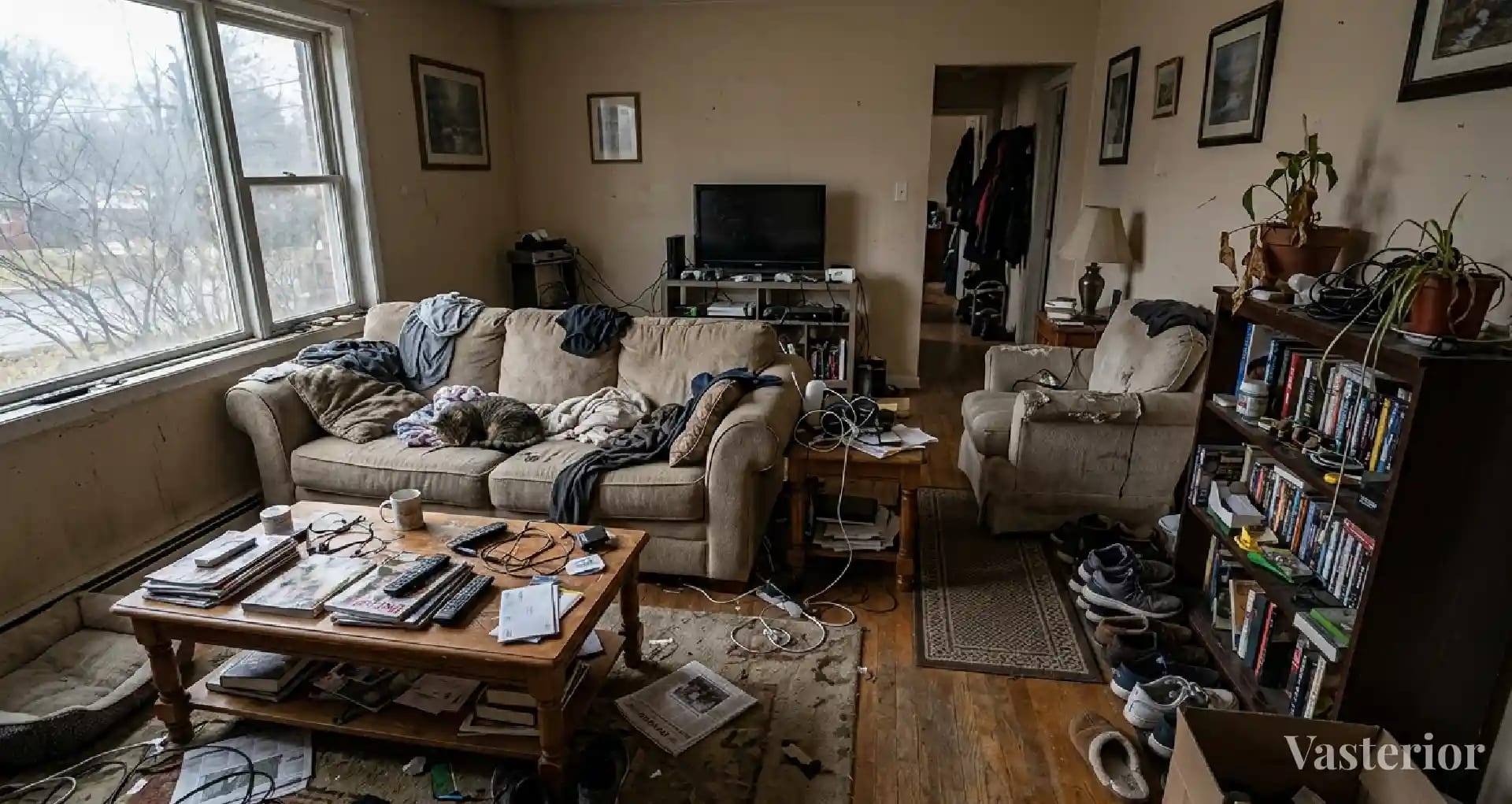
Clutter management: Clutter is one of the most significant disruptors of energy flow. A crowded room can overwhelm the mind and reduce the sense of calm within the environment.
When interior layouts allow energy to circulate freely, residents often experience greater emotional ease and mental clarity.
Vastu and Mood: Designing Spaces That Feel Right
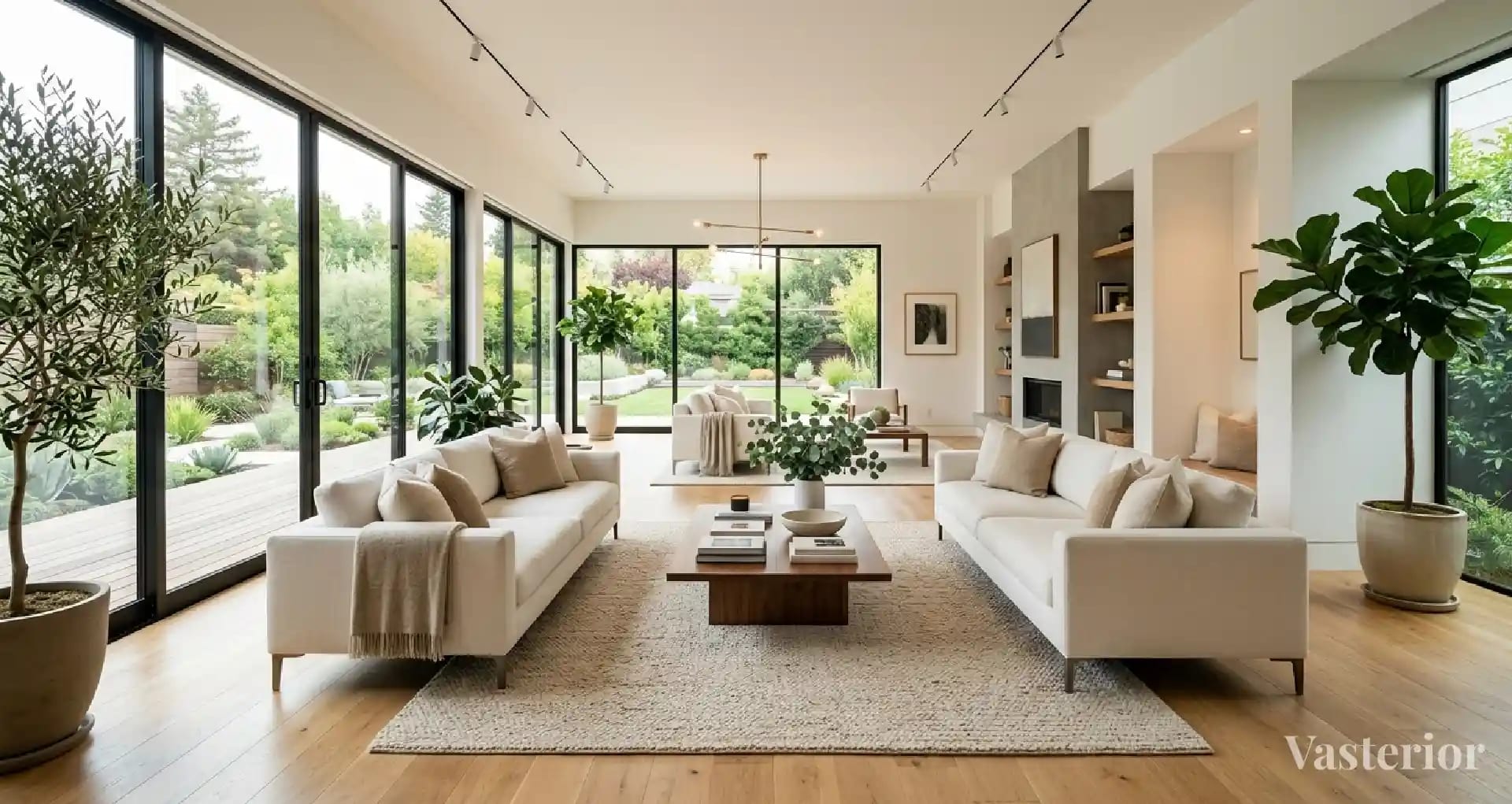
Every room in a home serves a distinct psychological purpose. Vastu recognises this and offers guidance on how different spaces can support emotional wellbeing.
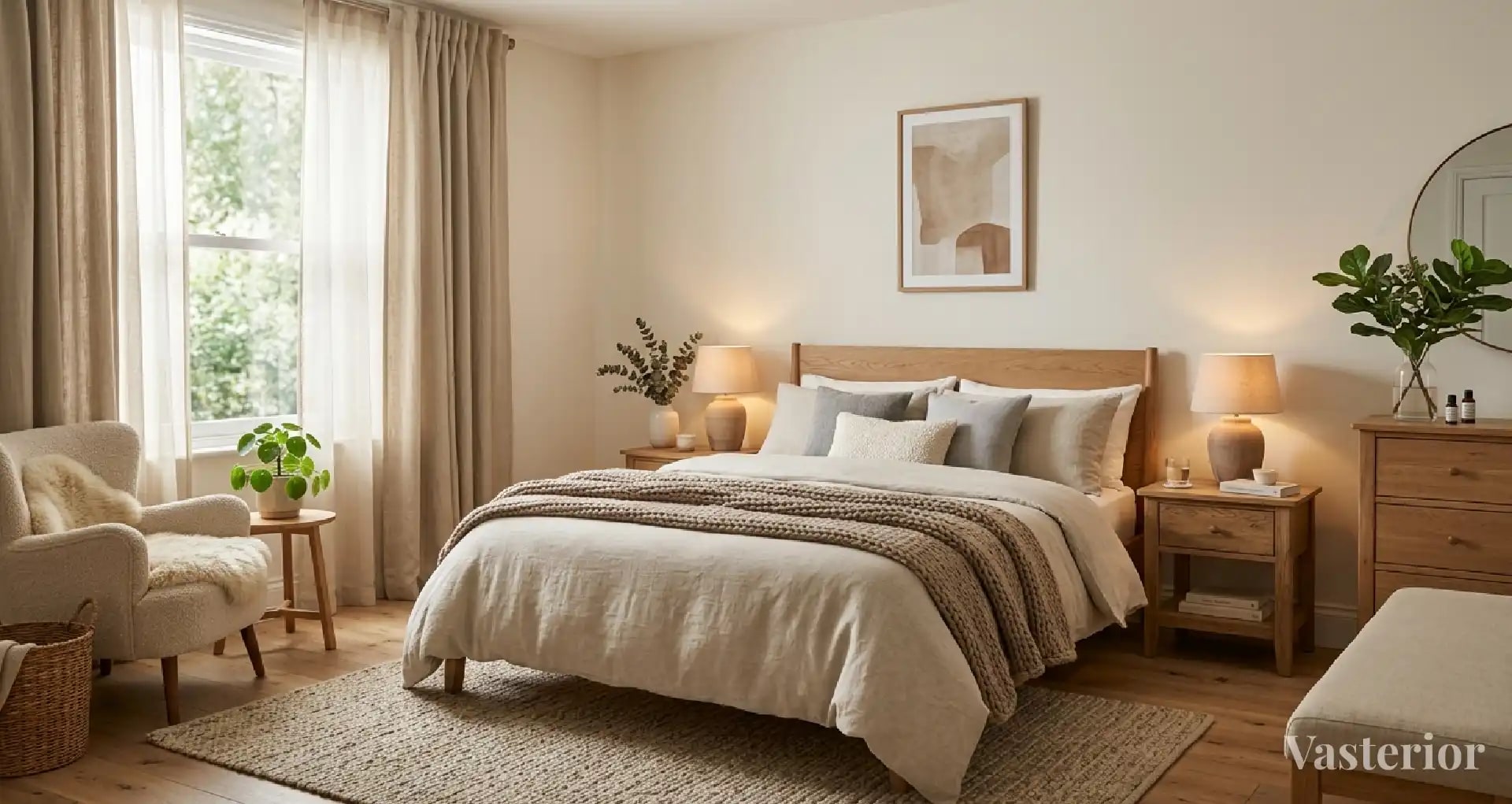
Bedrooms for relaxation: Bedrooms should promote rest and tranquillity. Soft lighting, balanced layouts, and calm colour palettes help create an environment conducive to deep sleep.
Living rooms for connection: Living rooms are spaces where social interaction and family bonding take place. An open and welcoming layout encourages communication and harmony.
Kitchens for vitality: The kitchen represents nourishment and vitality. Proper placement of cooking areas and balanced ventilation ensure that the space feels energising rather than chaotic.
Meditation or reflection areas: Many modern homes incorporate small corners for relaxation or mindfulness. According to Vastu, such spaces benefit from quiet orientations and minimal clutter.
When rooms are designed in alignment with their psychological function, the entire home begins to feel more balanced and harmonious.
The Productivity Factor: Vastu for Workspaces and Home Offices
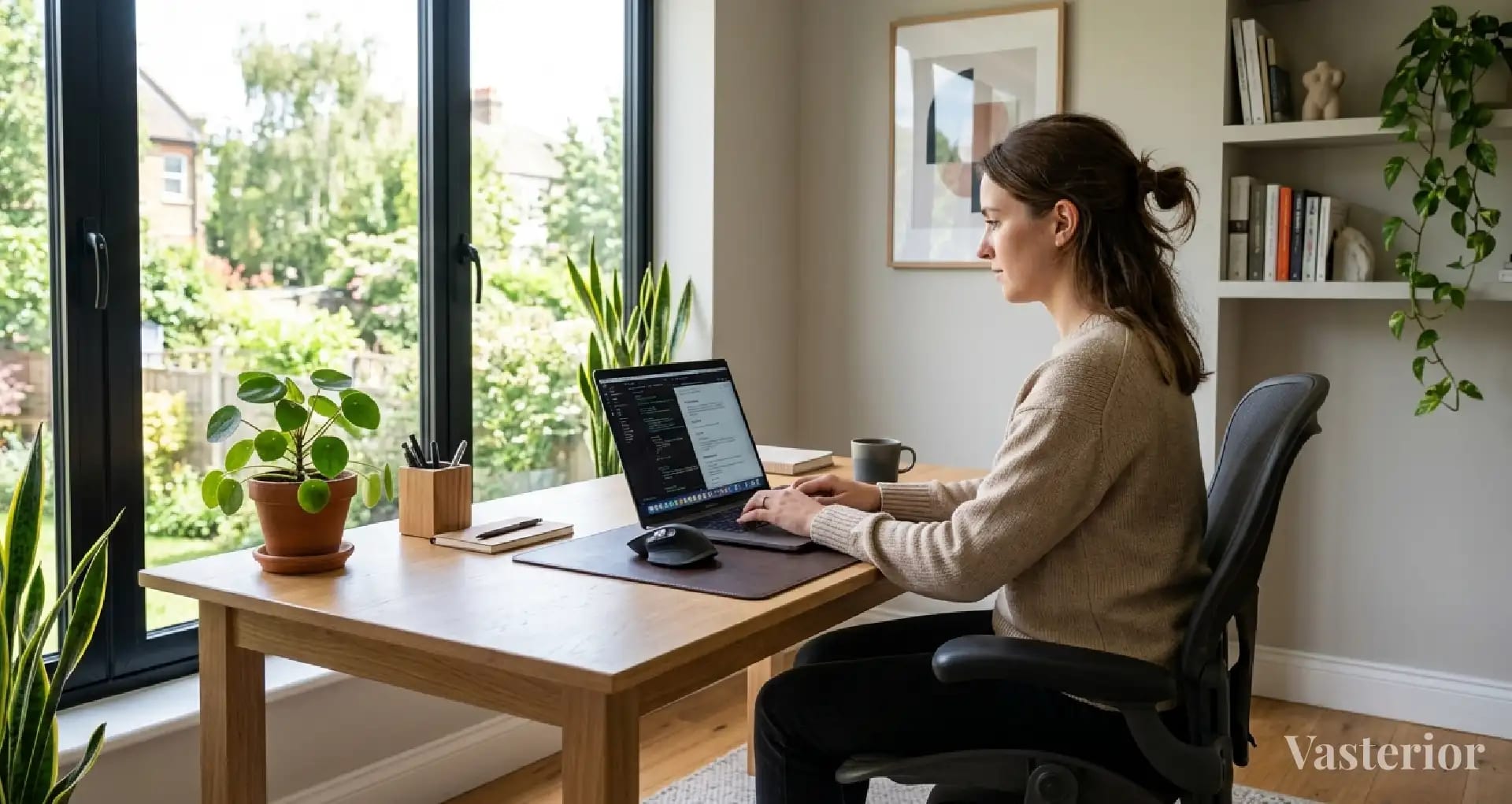
With the rise of remote work and hybrid lifestyles, the design of home workspaces has become more important than ever. A poorly designed workspace can lead to fatigue, distraction, and decreased productivity.
Vastu provides practical guidelines for creating work environments that enhance focus and efficiency.
Desk direction: Facing the right direction while working can improve concentration and mental clarity.
Adequate lighting: Natural light improves mood, alertness, and cognitive performance. Workspaces should ideally be placed where daylight is accessible.
Air circulation: Fresh airflow supports mental alertness and prevents the feeling of stagnation that often accompanies enclosed work areas.
Minimal clutter: A clean and organised workspace reduces cognitive overload and improves task efficiency.
When applied thoughtfully, these principles can transform a simple desk setup into a high-performance productivity zone.
Common Vastu Mistakes That Disrupt Energy
Despite the best intentions, certain interior design choices can unintentionally disrupt the natural flow of energy within a home.
Some common mistakes include:
- Placing heavy furniture directly in the path of entrances
- Allowing excessive clutter to accumulate in living areas
- Poor lighting that creates dull or oppressive atmospheres
- Imbalanced layouts where one side of the room feels visually heavier
- Misaligned workspaces that face distracting directions
These issues may seem minor, yet they can subtly influence mood, focus, and interpersonal dynamics.
Correcting such layout mistakes often leads to noticeable improvements in how a space feels and functions.
Practical Vastu Tips for Modern Homes
Incorporating Vastu principles does not require dramatic renovations. Small, thoughtful adjustments can significantly improve the energy and psychology of a space.
Simple strategies include:
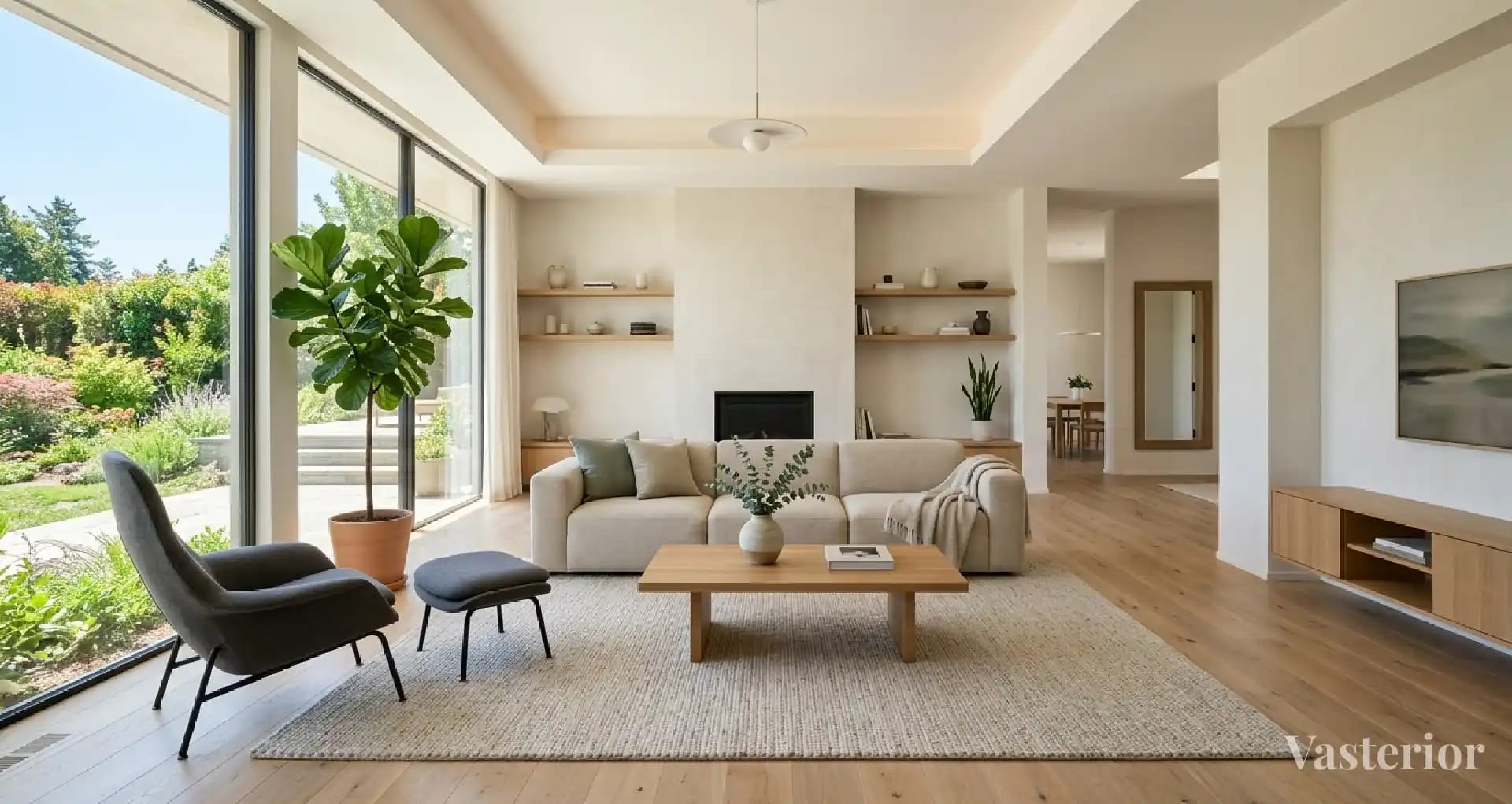
- Keeping entryways clean, open, and well illuminated
- Allowing maximum natural light into living spaces
- Maintaining uncluttered floors and surfaces
- Using calming colours in bedrooms and vibrant tones in activity areas
- Positioning work desks where distractions are minimal
- Avoiding excessive furniture that restricts movement
These small adjustments collectively contribute to an environment that feels lighter, calmer, and more balanced.
Why Professional Interior Designers Matter in Vastu-Aligned Spaces
Applying Vastu principles effectively requires more than following generic guidelines. Each home has unique architectural characteristics that influence how energy flows within the space.
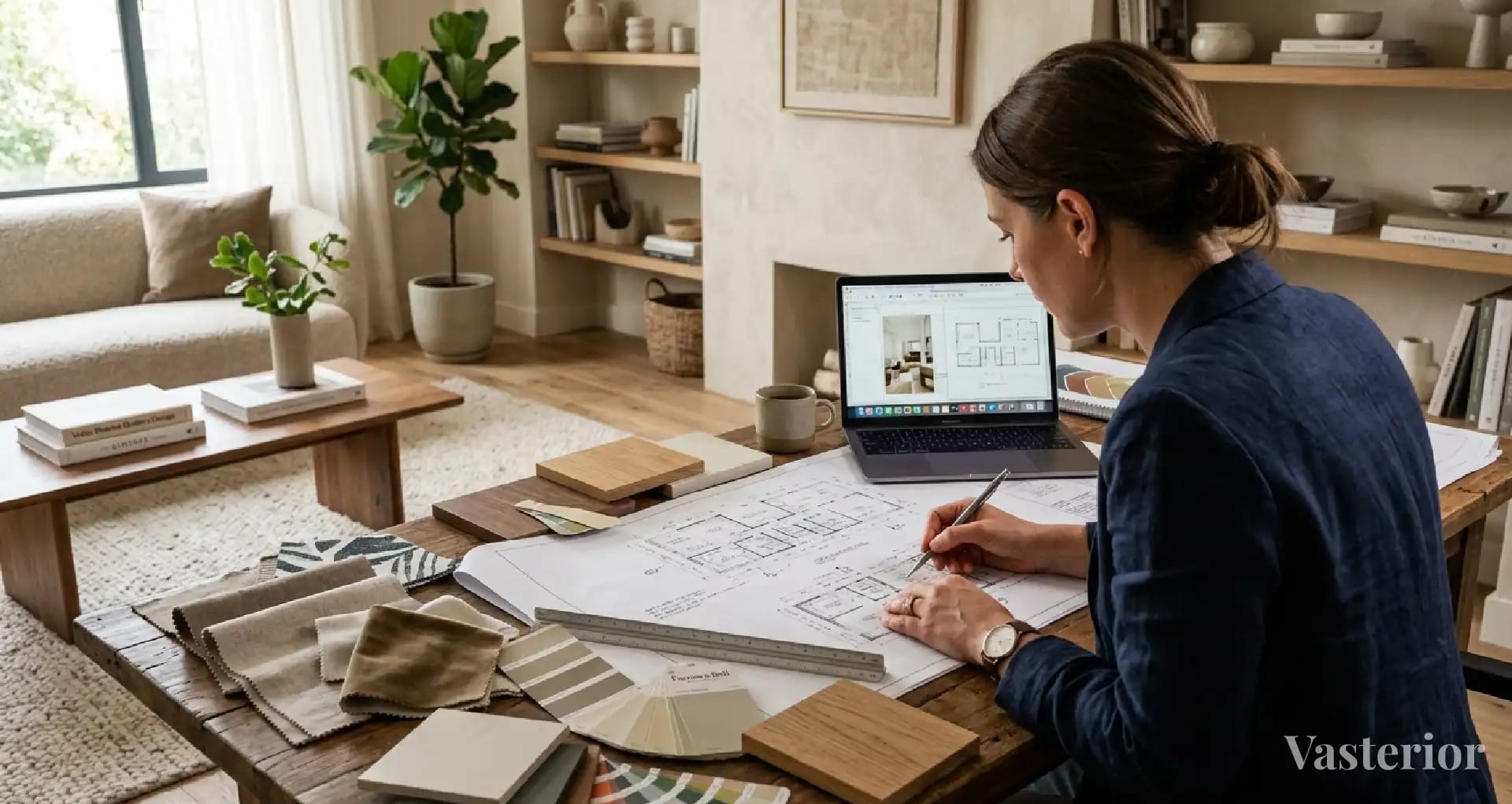
Professional interior designers understand how to integrate Vastu with modern aesthetics and practical functionality.
They consider factors such as:
- Architectural layout and room orientation
- Spatial balance and proportion
- Lighting and ventilation planning
- Material and colour psychology
- Furniture placement and circulation paths
By combining these elements, designers create interiors that are not only visually appealing but also psychologically supportive.
Conclusion
Interior spaces have a profound influence on human experiences. The layout of a home quietly shapes emotions, relationships, and productivity levels, often without occupants even realising it.
Vastu Shastra offers a timeless framework for understanding how spatial design interacts with natural energies and psychological wellbeing. When applied thoughtfully, its principles can help create homes that feel harmonious, energising, and emotionally comforting.
From improving sleep quality in bedrooms to enhancing focus in workspaces, the psychological benefits of Vastu-aligned interiors are both practical and transformative.
For homeowners looking to design or refine their spaces in a way that supports both aesthetics and wellbeing, professional guidance can make a significant difference. Those seeking personalised insights into Vastu-based interior planning may consider consulting experts who specialise in harmonising design with energy flow. Enquiries and consultations can be explored through +91 9100883355 or by reaching out via info@vasterior.com for further guidance on creating balanced and thoughtfully designed interiors.