For decades, homes were designed as a snapshot of life right now. Your current routine. Your current family size. Your current job. Your current taste.
That logic doesn't work anymore.
In 2026–27, life changes faster than floor plans. Careers pivot. Lifestyles stretch. Families expand, contract, reconfigure. What felt "perfect" three years ago can feel restrictive today.
That's why the most powerful homes right now aren't designed for who you are. They're designed for who you're becoming.
Future-focused homes are not about prediction. They're about preparedness. They quietly support growth, transitions, ambition, and calm, without needing constant renovations or emotional resets.
This is the new intelligence in design.
The Shift: From Static Homes to Evolving Spaces
Here's the truth no one says out loud: Most homes age poorly because they're built around a single version of life.
One job. One lifestyle. One phase.
But modern living doesn't move in straight lines anymore. People change roles, work styles, priorities, and even identities multiple times within the same house.
Future-focused design starts by accepting one thing: change is inevitable.
Instead of locking spaces into rigid functions, homes in 2026–27 are designed with:
- Flexibility over finality
- Flow over fixed usage
- Longevity over novelty
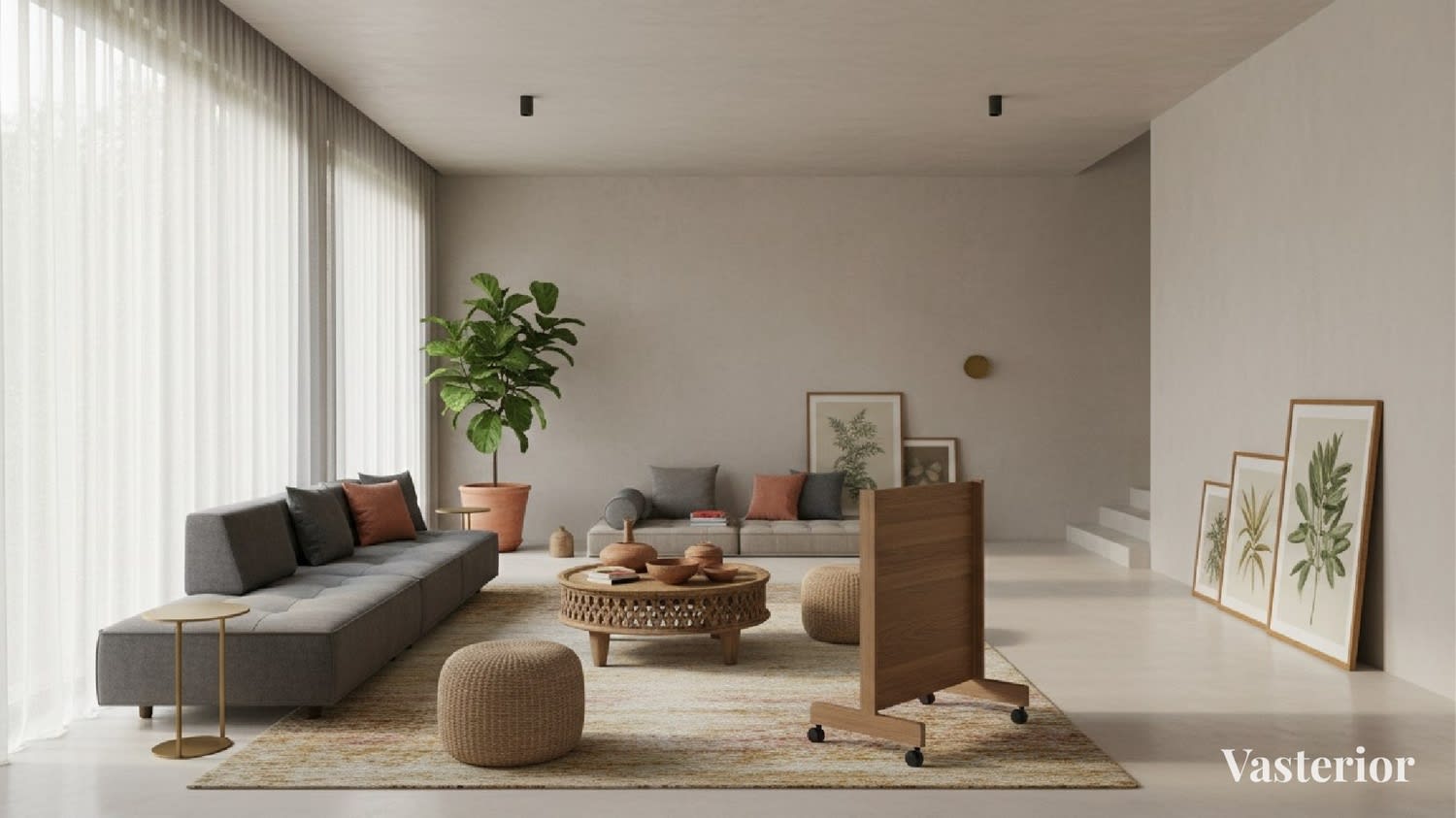
The goal isn't to future-proof everything. It's to make your home adapt without friction.
Designing Interiors Around Future Goals (Not Just Current Needs)
The smartest homes today are aligned with intentions, not Pinterest boards.
Designing for what you want next means asking deeper questions:
- What kind of work will you grow into?
- How do you want your energy to feel five years from now?
- What habits do you want your space to encourage?
- What kind of calm do you want to come home to?
In 2026–27, interiors are being shaped to support:
- Career expansion (leadership roles, entrepreneurship, remote authority)
- Learning, focus, and creative depth
- Wellness routines that stick—not trend-hop
This shows up subtly:
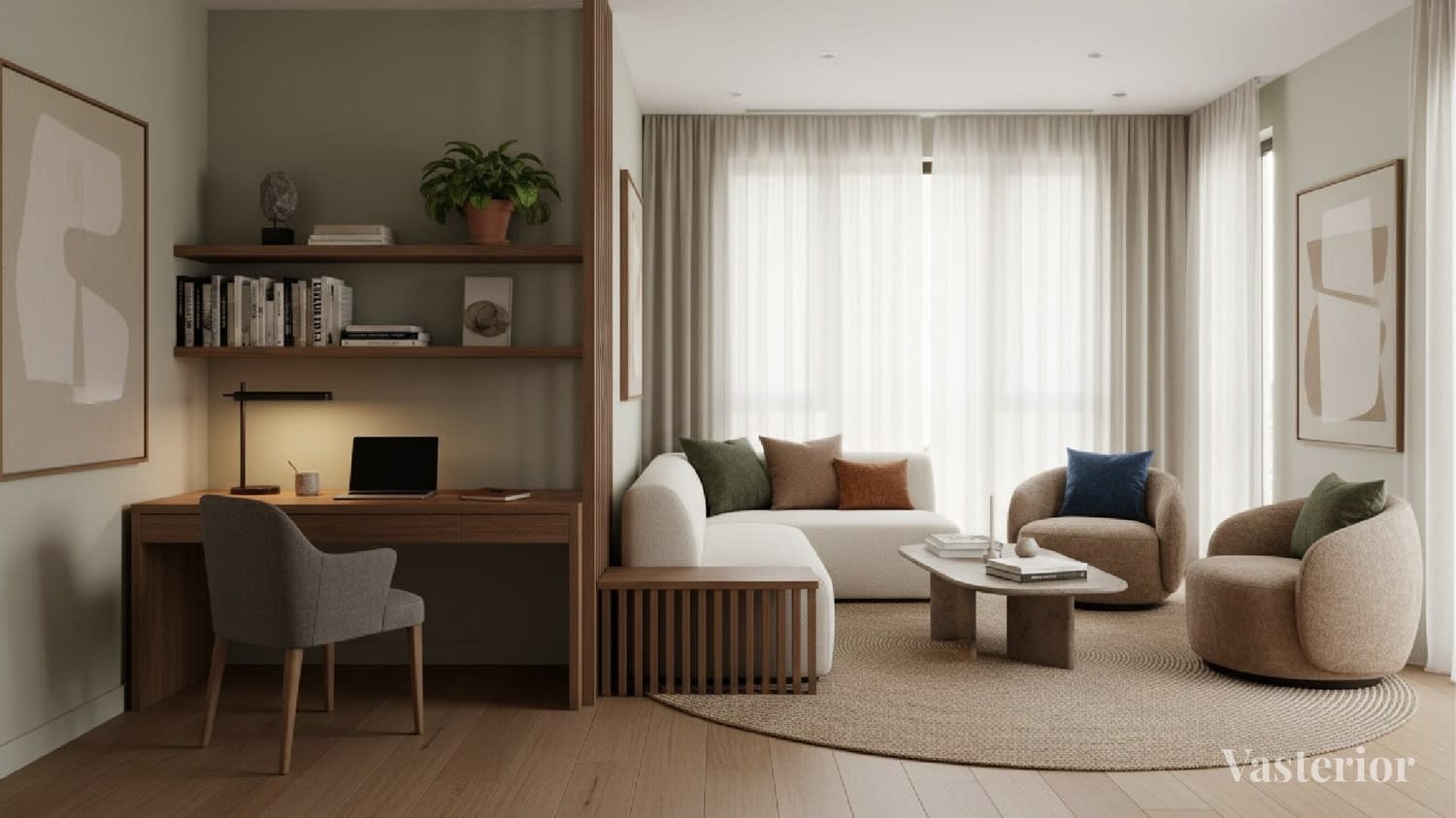
- Study zones designed for deep work, not temporary productivity
- Lighting that supports long hours without burnout
- Materials that ground rather than overstimulate
- Layouts that reduce friction and decision fatigue
Your home becomes a silent partner in growth, not a distraction you have to fight every day.
Forecasting Career, Family & Lifestyle Through Design
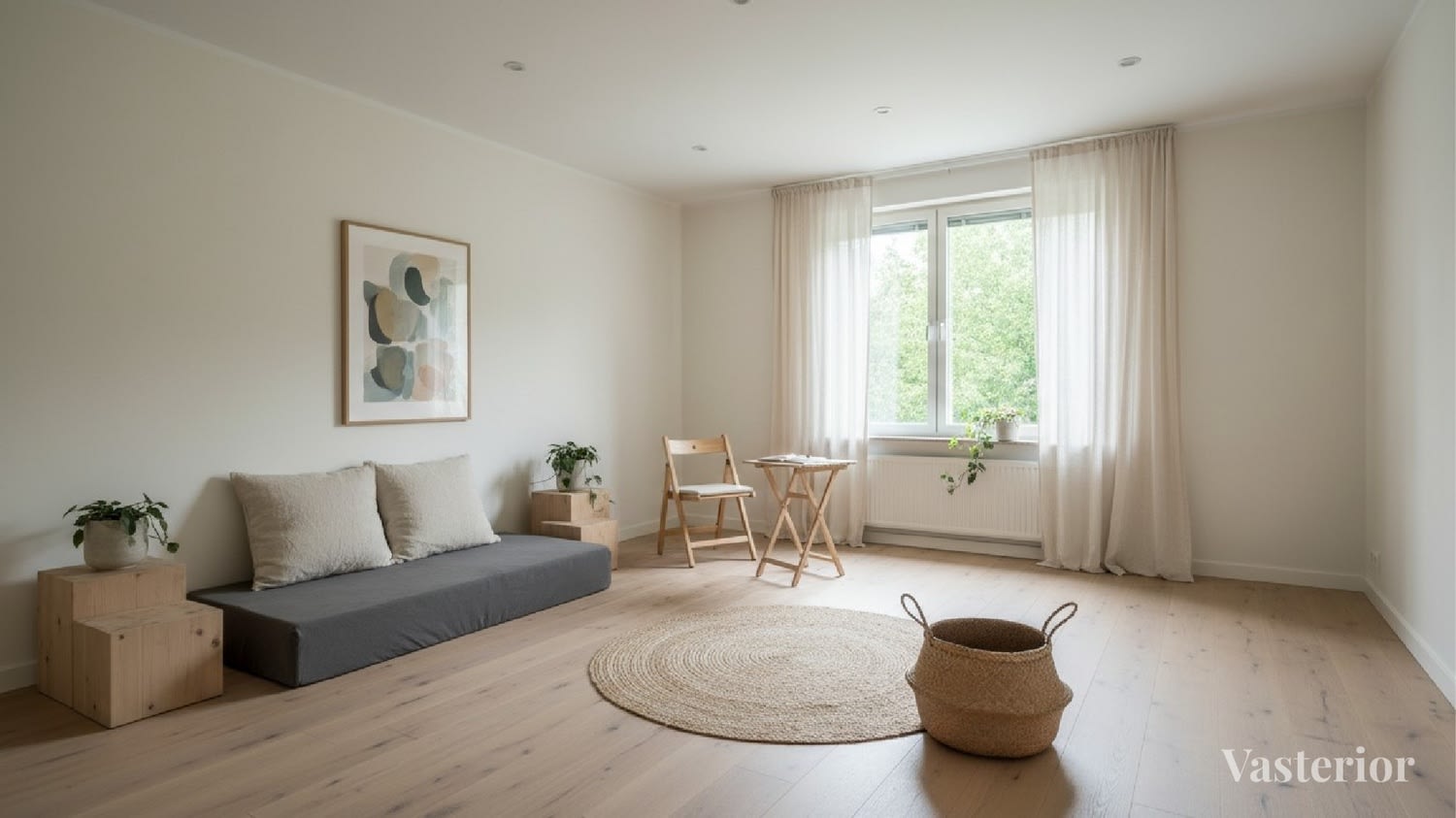
Future-focused design isn't guessing the future. It's respecting probabilities.
In 2026–27, designers and Vastu consultants are planning for:
- Hybrid work becoming permanent, not transitional
- Families evolving over time—marriage, children, aging parents
- Social circles becoming smaller but more intentional
- Wellness shifting from "extra" to essential
This forecasting influences real decisions:
- Where privacy matters and where openness works better
- How rooms can hold multiple identities over time
- Where flexibility is essential and where structure is grounding
A guest room today might become:
- A nursery
- Then a child's room
- Then a study
- Then a wellness or creative space
Future-ready homes don't resist this evolution. They're built for it.
Vastu Corrections Without Demolition: The 2026–27 Approach
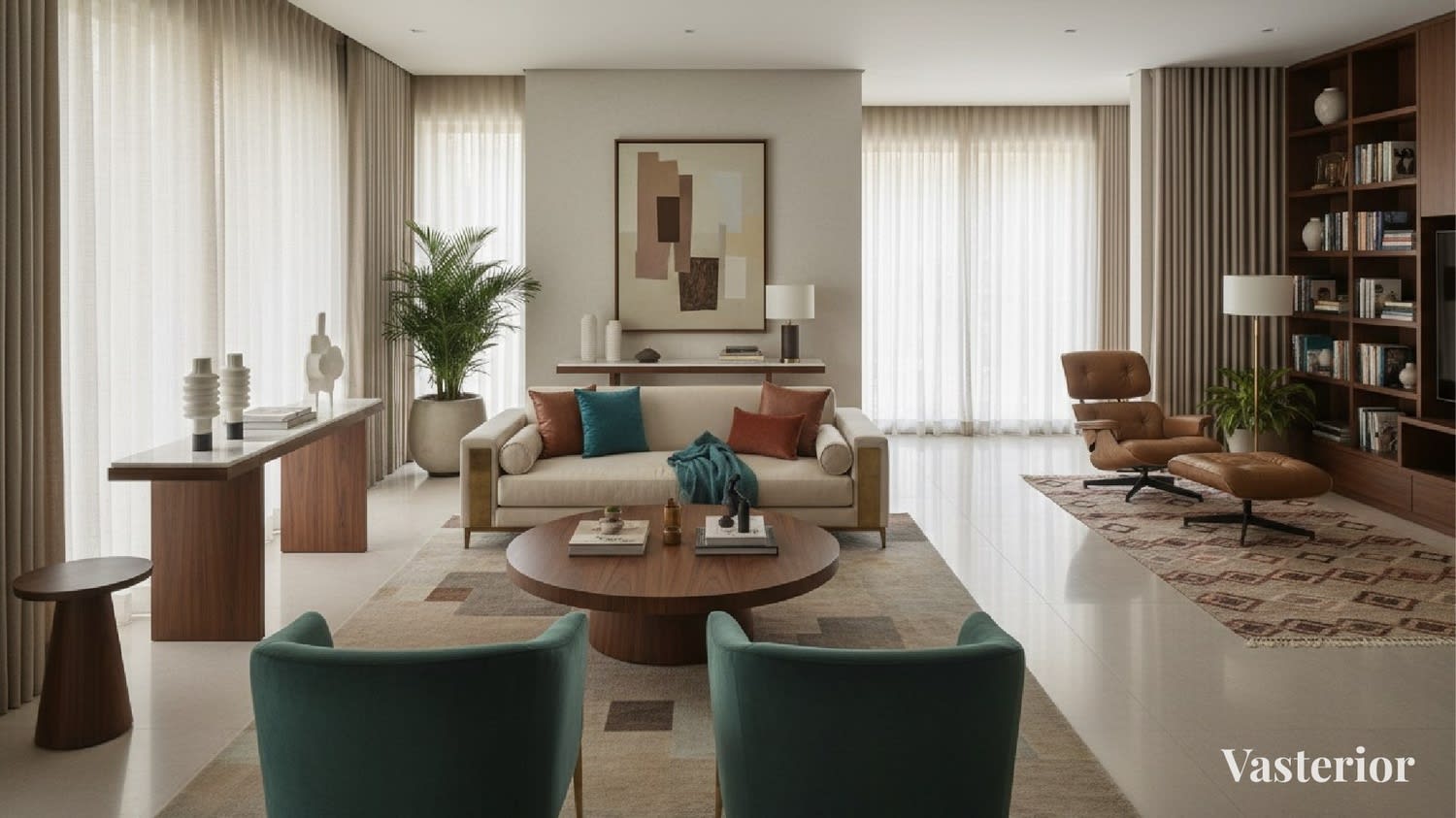
One of the biggest myths around Vastu is that alignment requires destruction.
That era is over.
Modern Vastu practice, especially in future-focused homes, is strategic, subtle, and non-invasive. The emphasis has shifted from "fixing defects" to supporting outcomes.
In 2026–27, Vastu alignment focuses on:
- Energy flow through placement, not demolition
- Directional balance using furniture, materials, and zoning
- Correcting imbalances without breaking walls or rebuilding structures
This matters because:
- People want progress, not disruption
- Homes need upgrades, not upheaval
- Energy shifts should feel natural, not forced
When done right, Vastu becomes a design intelligence tool, helping homes support stability, clarity, and forward momentum without chaos.
Adaptive Spaces: Homes That Change Without Stress
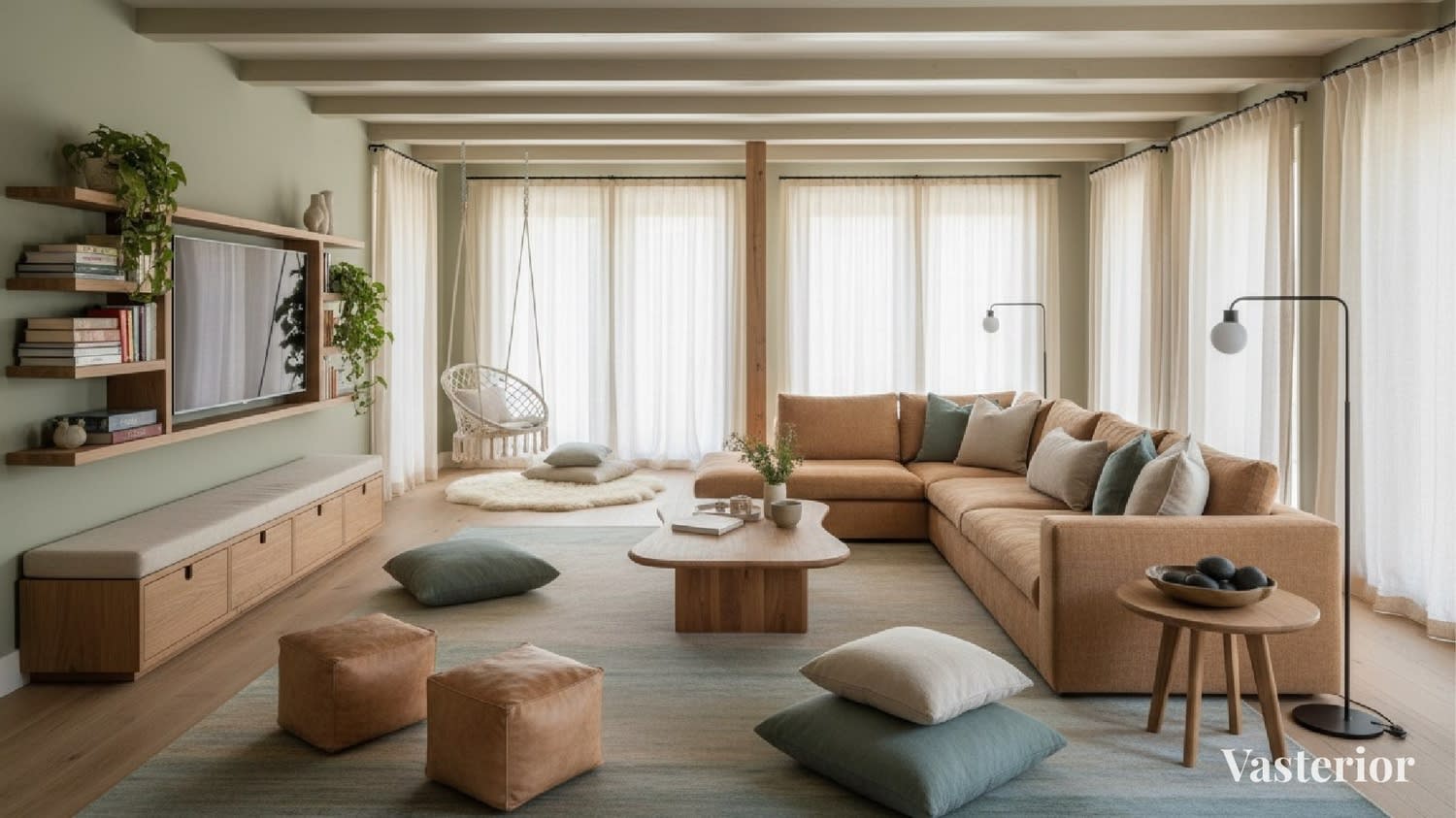
The most valuable spaces in 2026–27 aren't the most expensive ones. They're the most adaptable.
Adaptive design means:
- Rooms that don't panic when life changes
- Furniture that supports multiple roles
- Layouts that breathe instead of boxing you in
Examples of adaptive thinking:
- Living rooms designed to host gatherings and quiet solo evenings
- Workspaces that disappear visually when not in use
- Storage designed for future accumulation, not current minimalism
- Transitional zones that help shift between work mode and rest mode
These homes don't demand reinvention every few years. They evolve with grace.
Designing for Longevity, Not Trends
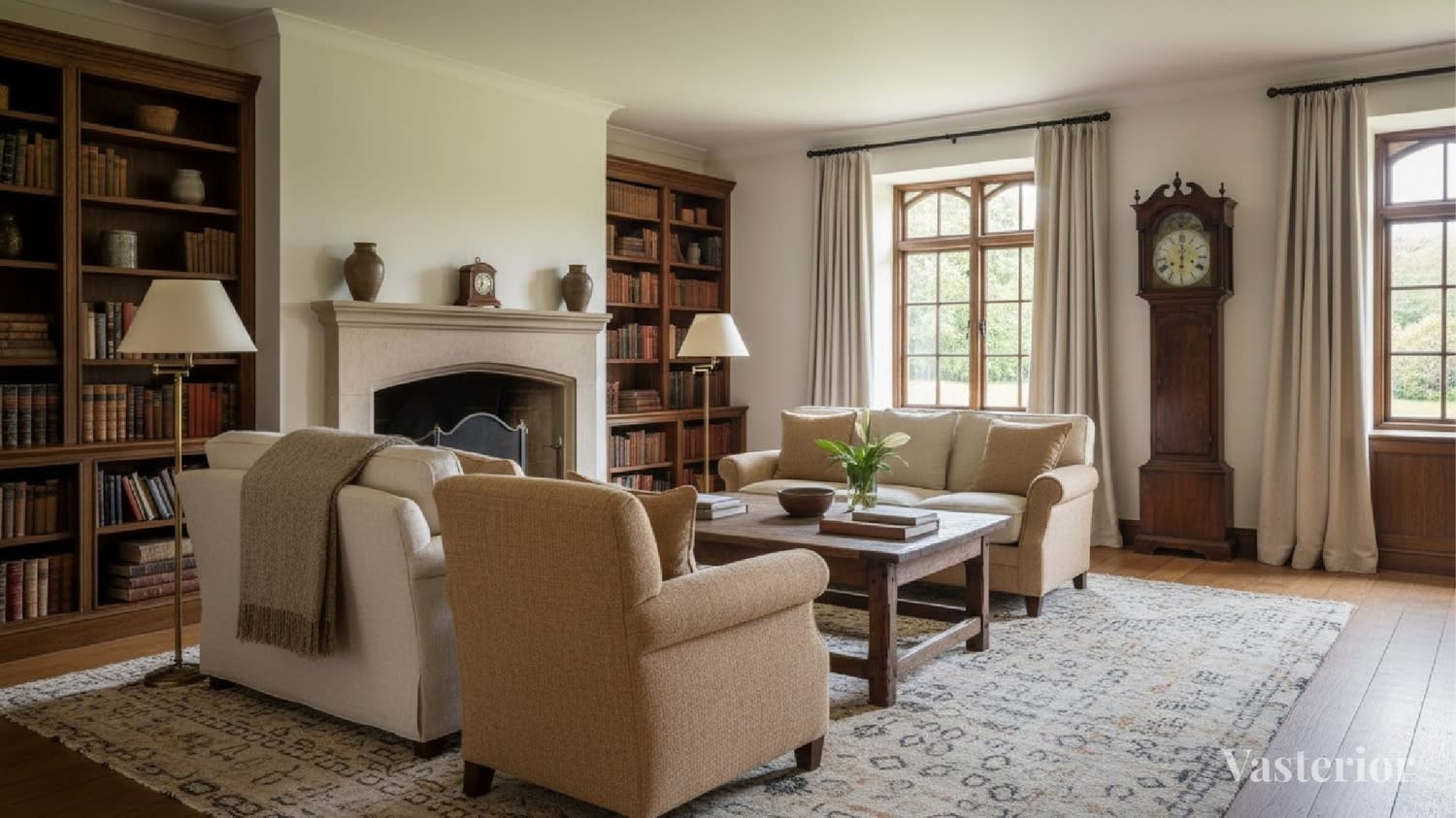
Trends age. Intentions last.
Future-focused homes in 2026–27 deliberately avoid:
- Overly loud color stories
- Ultra-specific aesthetics that expire quickly
- Designs that rely on novelty for impact
Instead, they lean into:
- Soft, grounding palettes
- Tactile, honest materials
- Spaces that feel calm even after long exposure
Longevity isn't about being boring. It's about being emotionally sustainable.
A home that feels relevant ten years later is the real luxury.
Why Planning Ahead in Design Feels Empowering
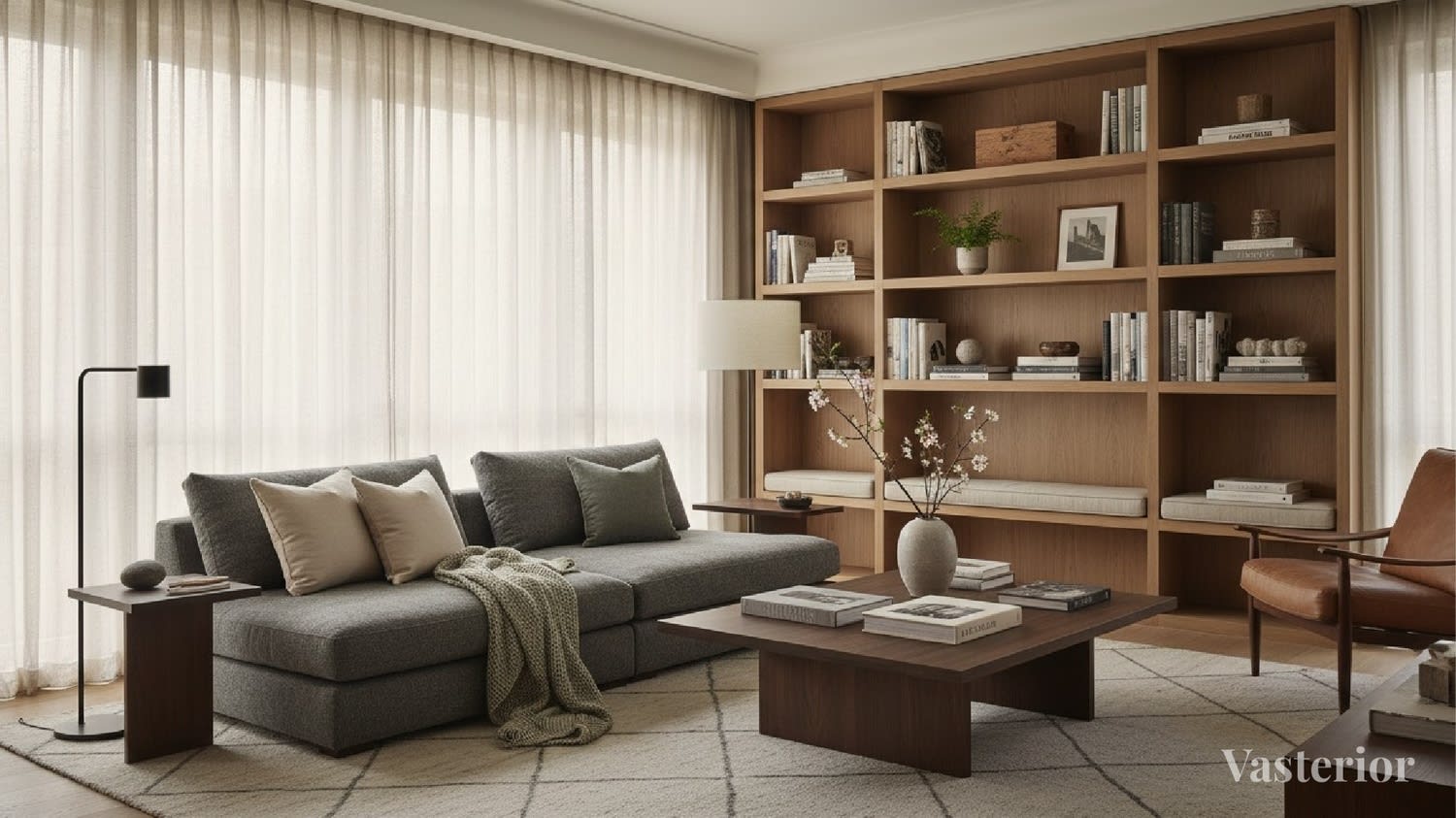
There's a quiet confidence that comes from knowing your home is ready.
Ready for growth. Ready for change. Ready for evolution without stress.
Future-focused homes reduce anxiety because they:
- Remove the fear of "outgrowing" your space
- Minimize the need for constant redesign
- Support clarity during life transitions
You don't feel rushed. You don't feel boxed in. You don't feel behind.
Instead, your home feels like it's moving with you, not waiting to catch up.
Design Forward
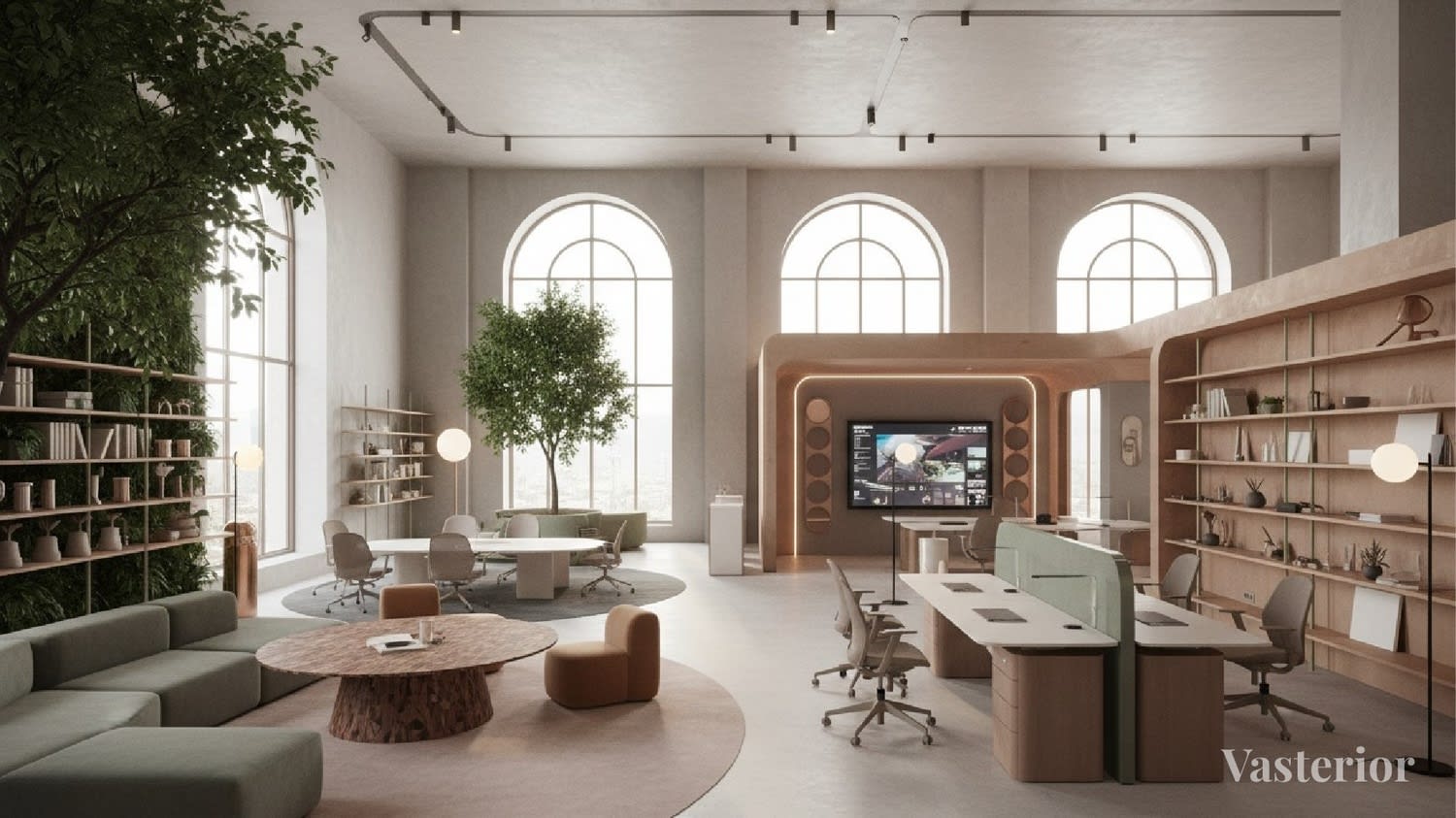
In 2026–27, the smartest homes aren't chasing trends. They're aligning with trajectories.
They're designed with foresight, flexibility, and intention, so life can unfold naturally without fighting the space you live in.
Designing for what you want next isn't about control. It's about readiness.
And that's what future-focused living really means.
Design forward. Connect with Vasterior at +91 9100883355 or info@vasterior.com to create a home that grows with you.